


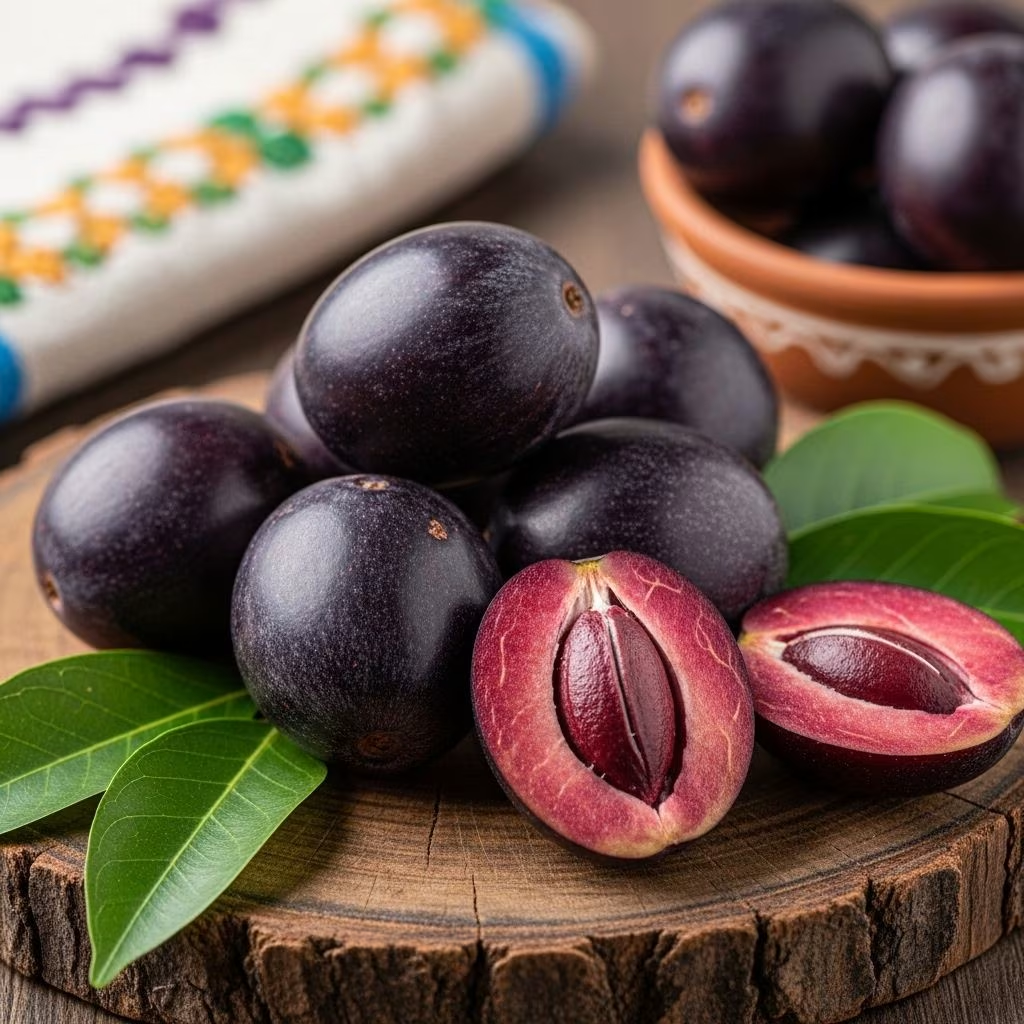
What Is Indian Prune (Jamun)?
Indian prune, commonly known as Jamun, the Java plum, or scientifically as Syzygium cumini, is a tropical evergreen tree renowned for its distinctive deep purple to blackish, ovoid fruits. The tree is native to the Indian subcontinent but is widely cultivated across Asia and in tropical regions worldwide, where it is celebrated for both its nutritional qualities and cultural significance. The fruit is valued for its unique combination of sweet, tart, and slightly astringent flavors, and is a staple in both culinary and medicinal contexts.
Botanical Profile and Distribution
The Jamun tree is a slow-growing, medium-to-large evergreen, often reaching 30–100 feet in height and living for over a century. Its wood is water-resistant, and the bark varies from light grey and smooth at the top to dark grey and rough at the base. The elliptical, aromatic leaves are glossy, leathery, and emit a soothing fragrance. The tree produces clusters of small, white, aromatic flowers from March to April, followed by characteristic ovoid fruits that ripen between May and July, depending on the region.
Though native to India, the Jamun tree thrives in tropical and subtropical climates and adapts well to various soil types, making it a common sight in orchards, gardens, and even as a shade tree in urban landscapes.
Fruit Characteristics and Ripening
Jamun fruits are oval or oblong, typically the size of a large olive to a small plum. The ripening process is visually striking: unripe fruit is green, transitioning to pink, then dark crimson, and finally a deep purple or nearly black shade when fully ripe. The fruit has a single large seed and is highly perishable, lasting only 3–4 days at room temperature.
Ripe Jamun is juicy, with a unique ability to stain the tongue and clothes a deep purple, similar to mulberries. The taste is a blend of sweetness, tartness, and mild astringency, varying from slightly acidic to pleasantly sweet depending on ripeness and growing conditions.
Nutritional Value of Jamun
Jamun is a low-calorie fruit packed with essential nutrients and bioactive compounds. It is particularly rich in:
- Iron: Supports blood health and combats anemia
- Vitamin C: Boosts immunity and skin health
- Vitamin A: Important for vision and cellular health
- Dietary Fiber: Aids digestion and gut health
- Antioxidants: High content of flavonoids and polyphenols for cellular protection
Scientists have identified over 30 polyphenols in Jamun, highlighting its potential as a functional food for disease prevention.
Health Benefits of Jamun
The combination of nutrients and phytochemicals in Jamun contributes to a range of health benefits:
- Diabetes Management: Jamun seeds, bark, and leaves have been used in Ayurveda to manage blood sugar levels, with studies suggesting hypoglycemic effects.
- Digestive Health: The fruit’s fiber and astringent properties support digestion and are traditionally used to treat diarrhea and dysentery.
- Cardiovascular Support: Antioxidants help reduce oxidative stress, potentially lowering the risk of heart disease.
- Immune Boosting: High vitamin C content strengthens the immune system.
- Skin and Oral Health: The fruit’s antimicrobial properties may benefit skin and oral hygiene.
- Anti-Inflammatory and Anticancer Potential: Laboratory studies suggest Jamun extracts may have anti-inflammatory and anticancer properties, though more clinical research is needed.
Traditional and Modern Uses
Jamun has a long history in traditional medicine and cuisine:
- Ayurveda and Folk Medicine: All parts of the tree—fruit, seeds, bark, and leaves—are used to treat ailments ranging from diabetes and digestive disorders to respiratory infections and skin conditions.
- Culinary Uses: The fruit is eaten fresh, made into juices, jams, jellies, wines, and vinegars, or used as a natural food colorant. The juice is sometimes reduced to make a grape-like beverage or jelly.
- Industrial Applications: The tree’s water-resistant wood is valued in construction, and the fruit’s natural dyes are used in textiles.
Taste Profile and Culinary Applications
Jamun offers a complex taste profile—sweet, tart, and slightly astringent, with a juicy, fibrous texture. The flavor intensity depends on ripeness: under-ripe fruit is more tart, while fully ripe Jamun is sweeter and less astringent. The fruit is enjoyed fresh, in salads, desserts, or as a flavored water infusion. It is also processed into syrups, preserves, and fermented beverages.
Cultivation and Harvesting
Jamun trees grow well in tropical and subtropical climates with well-drained, slightly acidic soil and plenty of sunlight. They are moderately drought-tolerant but require regular watering during fruiting.
- Propagation: Trees can be grown from seed, cuttings, or grafting. Seedling trees begin fruiting in 8–10 years, while grafted plants fruit in 6–7 years.
- Harvest: The fruiting season typically spans May to July, with some late blooms producing fruit into October. Fully ripe fruits should be picked immediately, as they do not keep well on the tree.
- Yield: Mature trees can produce 60–100 kg of fruit annually, depending on the method of propagation.
Jamun fruits are highly perishable and are usually packed and sent to markets daily to ensure freshness. Proper handling and storage at 8–10°C and high humidity can extend shelf life up to three weeks.
Precautions and Side Effects
While Jamun is generally safe, some considerations include:
- Pregnancy and Lactation: No adverse effects are widely reported, but consult a healthcare provider before regular consumption.
- Hypoglycemia: The fruit’s blood sugar-lowering properties may cause issues for diabetics on medication or those with low blood sugar.
- Allergic Reactions: Rare, but possible, especially in sensitive individuals.
- Staining: The fruit’s pigments can stain clothes and skin, similar to mulberries.
Moderation is key, as with any fruit high in fiber and bioactive compounds.
Cultural and Religious Significance
Jamun holds a special place in Indian culture and mythology, often referred to as the “Fruit of God”. It is mentioned in ancient texts and is associated with Lord Krishna, who is said to have enjoyed the fruit. The tree is often planted near temples and is a symbol of longevity and health in Hindu tradition.
Frequently Asked Questions (FAQs)
Q: What is Indian prune (Jamun) called in different languages?
Indian prune is called Jamun, Jambolan, Java plum, or black plum in English; it is known as Syzygium cumini scientifically.
Q: What are the main health benefits of Jamun?
Jamun offers benefits for diabetes management, digestive health, immunity, cardiovascular support, and contains potent antioxidants and anti-inflammatory compounds.
Q: What does Jamun taste like?
Jamun has a unique blend of sweet, tart, and slightly astringent flavors. The taste varies from mildly acidic to sweet, depending on ripeness.
Q: How do you eat Jamun fruit?
Jamun is eaten fresh, juiced, made into jams and jellies, or fermented into wines and vinegars. It can also be used as a natural colorant in foods and drinks.
Q: When is the Jamun fruit in season?
Jamun fruit ripens mainly from May to July, though the season can extend depending on climate and region.
Q: How long does a Jamun tree take to bear fruit?
Seed-grown Jamun trees may take 8–10 years to fruit, while grafted trees generally bear fruit in 6–7 years.
Q: Can Jamun be stored for a long time?
No, Jamun is highly perishable and lasts only 3–4 days at room temperature. Storage at 8–10°C and high humidity may extend shelf life up to three weeks.
References
- https://www.planetayurveda.com/library/jamun-syzygium-cumini/
- https://growbilliontrees.com/blogs/tree-stories/jamun-tree-a-purple-symphony-of-culinary-delight-and-cultural-grace
- https://askthegreengenie.com/tropical-plums/jamun-plum/
- https://agritech.tnau.ac.in/horticulture/horti_fruits_jamun.html
- https://en.wikipedia.org/wiki/Syzygium_cumini
- https://pharmeasy.in/blog/jamun-java-plum-uses-benefits-side-effects/
- https://pmc.ncbi.nlm.nih.gov/articles/PMC9654918/
- https://macclite.com/blogs/health-life-macclite/java-plum-benefits-uses-and-important-facts


