


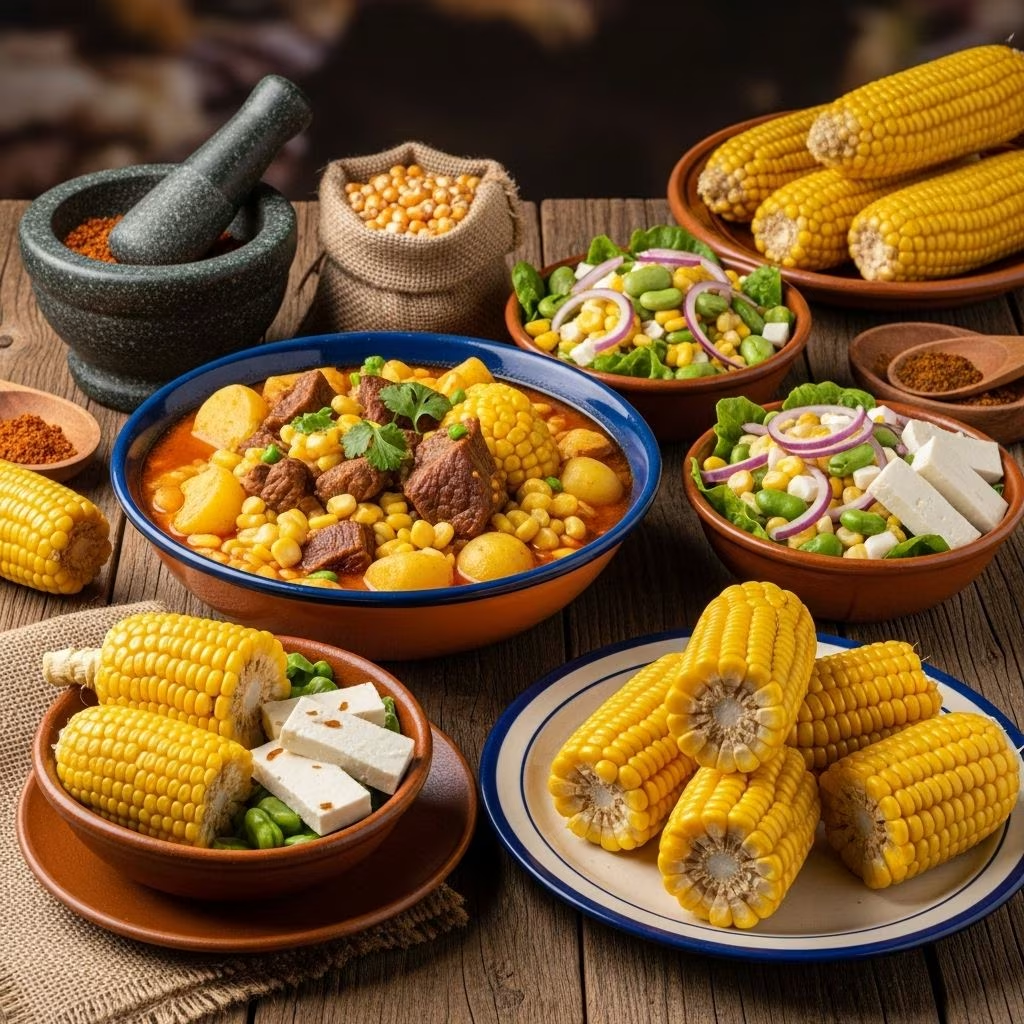
Inka corn, known as sara in Quechua, stands as both an ancient superfood and a vibrant symbol of Peruvian culinary heritage. With its giant, hearty kernels and rich earthy flavor, this Andean staple inspires a range of dishes—from rustic snacks to modern sides. Explore the story, discover the best Inka corn recipes, and learn time-honored techniques for cooking this iconic grain to perfection.
The Legacy of Inka Corn: History & Cultural Significance
Inka corn traces its lineage back to the heart of the Andes, powering the development of the Inca Empire—Tawantinsuyu, the largest pre-Columbian civilization in the Americas. This giant-kernel maize was foundational to daily life, religious rituals, and even logistics.
- Nutritional Powerhouse: Inka corn’s complex carbohydrates, protein, and micronutrients made it essential sustenance for chasquis, the famed messengers who traversed mountains fueled by toasted corn.
- Sacred Role: Corn was central in ceremonies, festivals, and communal meals, often enjoyed as toasted cancha or hearty boiled kernels.
- Timeless Appeal: Today, Inka corn remains a staple in Peruvian cuisine, cherished for its unique crunch and nutty depth.
Types of Inka Corn and Where to Find Them
Several distinctive varieties of giant Peruvian corn are used in traditional and modern recipes:
- Maíz Chulpe: The classic Inkan toasting corn, recognized by its extra-large, starchy kernels ideal for crunching.
- Choclo: Big, soft, white kernels commonly boiled for sides and street snacks alike.
You can often find Inka corn in Latin markets, online specialty stores, or international sections of well-stocked groceries. If unavailable, substitute with the largest dried white corn kernels you can find.
How to Cook Inka Corn Perfectly
Cooking Inka corn is both an art and a science. To achieve optimal flavor and bite, follow these principles:
- Soak dried corn: For most recipes, soak dried kernels overnight to rehydrate and ensure even cooking.
- Choose the right vessel: Cast-iron or heavy-bottomed clay pans distribute heat evenly for toasting, while wide pots are ideal for boiling.
- Control moisture: Avoid overcooking; aim for kernels that are tender but retain a signature chew.
- Season promptly: Add salt, spices, or fat while the corn is hot to maximize flavor absorption.
Basic Boiled Inka Corn Recipe
- Soak 2 cups of dried Inka corn overnight in water.
- Drain, then place kernels in a pot with enough fresh water to cover by 2 inches.
- Add a pinch of salt and bring to a gentle boil.
- Simmer 50-60 minutes (or until just tender but not mushy).
- Drain and serve warm or use in recipes below.
Cancha Chulpe: Classic Incan Toasted Corn Recipe
Cancha chulpe is the original Inkan snack—crunchy, energy-dense, never quite popcorn but utterly addictive. Perfect for picnics, trail food, or serving with drinks.
Ingredients
- 1 cup maíz chulpe (giant Andean corn)
- 2 tbsp neutral oil (avocado, peanut, canola) or llama/alpaca fat for authenticity
- Salt to taste
Instructions
- Heat a heavy-bottomed skillet or clay pan over medium-high heat.
- Add oil (or traditional fat) and swirl to coat the surface.
- Spread corn in a single layer, stirring constantly so kernels toast evenly.
- Toast for 8–12 minutes until kernels crack, swell, and turn golden but do not fully pop. The goal is a chewy-crunchy texture.
- Sprinkle generously with salt while hot, stirring briefly to ensure even seasoning.
- Serve warm for best aroma, or store in an airtight container for up to a week.
Chef’s Tips
- Fat choice: If using oil, avocado or peanut closely mimics llama fat’s richness.
- Don’t expect popcorn: Kernels should puff without fully bursting—think of them as the Andes’ answer to roasted nuts.
- Timing counts: Salt the kernels while they’re still glossy for the best flavor absorption.
Choclo al Comino: Peruvian Corn with Cumin & Lemon
One of Peru’s most popular street foods and sides, Choclo al Comino pairs boiled corn with butter, aromatic cumin, and a lively dash of citrus. The result: soft, fragrant kernels that complement any meal.
Ingredients (Serves 3–4)
- 2 to 3 ears of choclo (or largest white corn available)
- Salt to taste
- 4 tbsp salted butter
- 1 tbsp sugar
- 1 tsp black pepper powder (or to taste)
- 1 tsp roasted cumin powder
- 1 tbsp chopped fresh coriander leaves
- Juice of 1 lemon (or lime)
Instructions
- Prep the Corn: Remove husks and silk from corn. Slice kernels off the cobs.
- Boil: Place kernels in a saucepan with just enough water to cover. Salt lightly and bring to a boil, then simmer for 2–4 minutes, just until tender and still slightly crunchy.
- Drain: Pour off all water and let kernels sit in a colander to dry for a minute.
- Sauté: Melt butter in a pan over medium heat. Add corn, sugar, and salt to taste. Sauté 1 minute, stirring gently.
- Season: Add roasted cumin and black pepper. Stir well and cook for another minute.
- Finish and Garnish: Squeeze in fresh lemon or lime juice, stir, and sprinkle with coriander leaves.
- Serve: Enjoy immediately as a side or snack, with optional queso fresco on the side.
Flavor Variations
- Add a dash of smoked paprika or chili for heat.
- Top with crumbled feta or queso fresco for extra richness.
- Mix in diced red peppers or scallions for color and crunch.
Creative and Modern Inka Corn Recipes
Today, Inka corn inspires inventive dishes that blend tradition with creativity. Try these simple ideas for new flavor profiles:
- Inka Corn & Avocado Salad: Combine boiled and chilled Inka corn with diced avocado, cherry tomatoes, red onion, cilantro, and a lime vinaigrette for a refreshing salad.
- Andean Corn Salsa: Mix roasted Inka corn with chopped red peppers, red onion, jalapeño, cilantro, olive oil, lime juice, and salt. Serve over grilled fish or chicken.
- Corn-Topped Ceviche: Add a handful of boiled or toasted corn to classic Peruvian ceviche for extra texture.
- Cheesy Inka Corn Bake: Layer cooked Inka corn with creamy cheese and sliced chilies in a baking dish. Bake until bubbling for a decadent side dish.
Pro Tips for the Best Texture and Flavor
- Use fresh or properly stored dried corn: Old kernels may cook unevenly or lack the ideal chew.
- Don’t skip the soak for dried corn: An overnight soak yields the best results when boiling or toasting.
- Season when hot: Apply salt and spices to hot corn for full absorption and bold flavor.
- Experiment with fats: Traditional dishes used animal fats, but good-quality oils perform beautifully for vegetarians.
- For a smoky aroma: Try toasting over a gentle wood fire or use a smoky chili blend in your seasoning mix.
Serving Suggestions & Pairings
- As a Side: Serve boiled or sautéed Inka corn with roasted meats, grilled fish, or Peruvian stews.
- With Cheese: Offer slices of queso fresco or feta alongside bowls of toasted or seasoned corn.
- As a Snack: Set out toasted cancha chulpe with cocktails or pisco sours, akin to bar nuts.
- On the Trail: Pack cooled toasted corn for a protein-rich, travel-friendly bite in the spirit of the ancient chasquis.
Frequently Asked Questions (FAQs)
Q: Is Inka corn the same as popcorn?
A: No. Inka corn, like maíz chulpe or choclo, has much larger, denser kernels that toast, crack, and puff slightly but do not pop like classic popcorn.
Q: Can I use regular corn for these recipes?
A: While you can substitute sweet corn or other large white corn if necessary, the texture and flavor will differ. Inka corn’s robust chew and nutty flavor are unique.
Q: Where can I buy Inka corn outside Peru?
A: Look for dried giant corn in Latin American grocery stores, global markets, or online food retailers specializing in Peruvian or Andean products.
Q: How do I store cooked Inka corn?
A: Boiled corn keeps refrigerated up to 3 days; toasted corn lasts a week in an airtight container at room temperature.
Q: What fats are best for toasting?
A: Neutral oils like avocado, peanut, or canola closely mimic the richness of traditional llama or alpaca fat. For a vegan version, stick with high-heat plant oils.
Final Thoughts
Cooking with Inka corn connects home cooks to a vibrant culinary tradition—one that continues to evolve. Whether preparing classic cancha chulpe, comfort-food choclo al comino, or bold fusion recipes, honoring Andean techniques unlocks savory depth and ancient nutrition for today’s table.
References
- https://eatshistory.com/cancha-chulpi-recipe-how-the-incan-empire-ran-on-popcorn-literally/
- https://thephotowali.wordpress.com/2018/11/26/choclo-al-comino-peruvian-style-corn-with-cumin-lemon/
- https://perudelights.com/choclo-al-comino-corn-with-cumin-and-lime/
- https://lizzylovesfood.com/peru-maiz-chulpe-snack-corn-toasting/
- https://thetravelingbornsteins.com/sacred-valleys-hacienda-huayoccari-recipe-sara-lawa-corn-cream/
- https://lamarcebicheria.com/news/chicha-morada-recipe/
- https://www.youtube.com/watch?v=j0v_ZXbFqq4
- https://familiakitchen.com/mazamorra-morada-perus-purple-corn-dessert-from-the-incas/


