


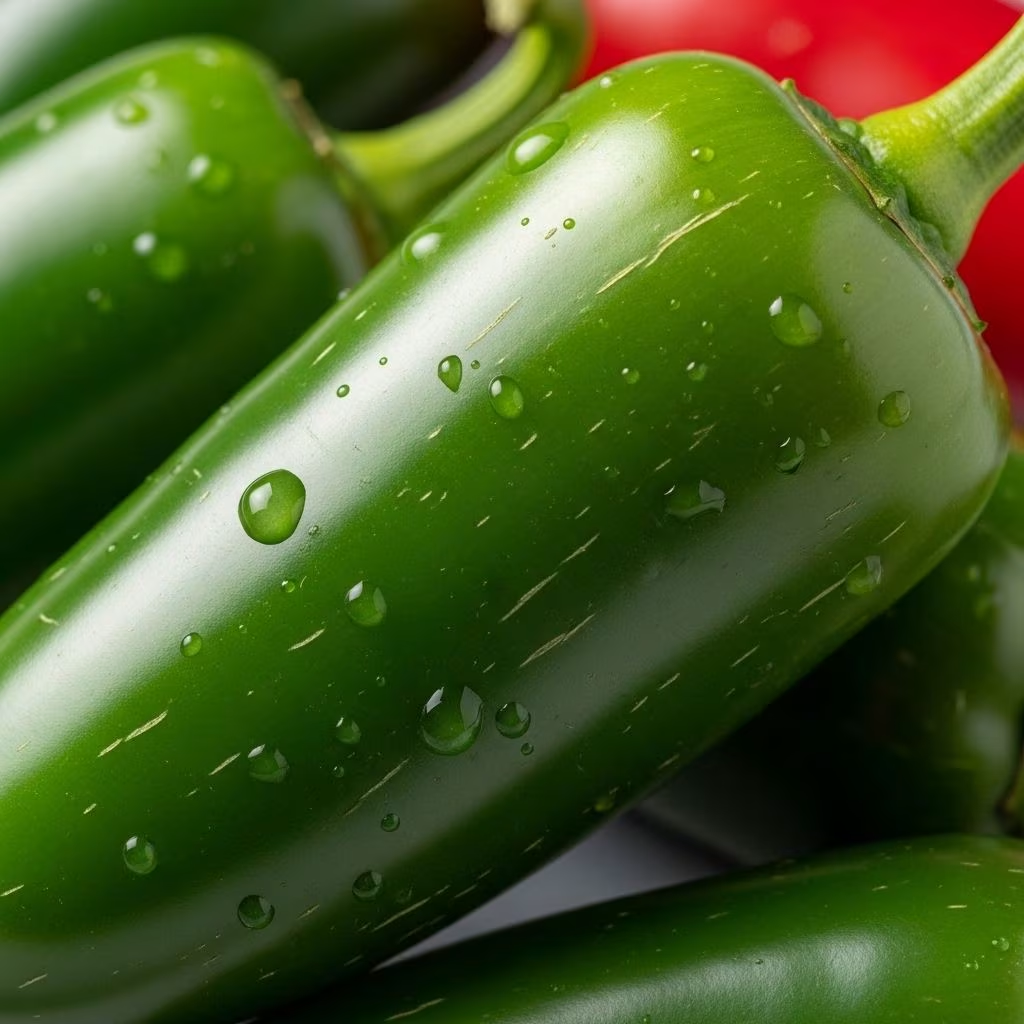
Introduction to Jalapeño Peppers
Jalapeño peppers are among the most recognizable and versatile chili peppers globally, known for their medium heat and rich flavor profile. Originating from Xalapa, Veracruz, Mexico, these peppers have become a staple not only in Mexican cuisine but also in international cooking. From salsas and marinades to topping nachos and making spiced cocktails, jalapeños are a chef’s delight.
Physical Characteristics and Taste
Jalapeño peppers are medium-sized, typically measuring between 2 to 4 inches in length and about 1 inch in width. They have a slightly curved, conical shape with a smooth, bright to dark green skin that ripens to red at full maturity. The flesh is crisp and juicy, offering a vegetal flavor with a spicy bite. The flavor profile combines slight sweetness with tangy and earthy undertones, making them perfect for enhancing dishes without overpowering them.
Heat and Scoville Rating
Jalapeños have a moderate spiciness, scored between 2,500 and 8,500 Scoville Heat Units (SHU). This range allows them to add a significant kick to dishes without being excessively hot, making them accessible to a wide range of palates. The spiciness can be adjusted by controlling whether the seeds and membranes are included or removed, as these parts contain most of the capsaicin—the compound responsible for the heat.
Health Benefits and Nutritional Value
Beyond their culinary uses, jalapeños are packed with vitamins A and C, potassium, carotene, and capsaicin. These nutrients provide several health benefits, including:
- Antioxidant Properties: Vitamins A and C help protect against oxidative stress and inflammation.
- Immune System Support: Vitamin C is crucial for maintaining a healthy immune system.
- Cardiovascular Health: Potassium helps regulate blood pressure, reducing the risk of heart disease.
- Pain Relief: Capsaicin acts as a natural analgesic by blocking pain receptors.
- Metabolic Boost: Capsaicin can increase metabolism, aiding in weight management.
Culinary Uses of Jalapeños
Jalapeños are incredibly versatile and can be used in a variety of dishes across different cuisines:
- Salsas and Sauces: Add a spicy kick to homemade salsas, hot sauces, and marinades.
- Nachos and Toppings: Sliced jalapeños are a popular topping for nachos, hot dogs, and hamburgers.
- Stir-Fries: Enhance Asian-inspired dishes with their crunchy texture and spicy flavor.
- Cocktails: Infuse jalapeño peppers into vodka or tequila for a spicy twist in mixed drinks.
Preparing and Handling Jalapeños
When handling jalapeños, it’s important to wear gloves due to the capsaicin content, which can irritate skin and eyes. To prepare jalapeños:
- Roasting: Roasting jalapeños can enhance their flavor and add a smoky depth.
- Peeling: Remove the skin to reduce bitterness and emphasize sweetness.
- Seeding: Remove the seeds and membranes to reduce heat if desired.
Frequently Asked Questions (FAQs)
Q: What is the difference between green and red jalapeños?
A: Green jalapeños are typically harvested before they ripen and are often used in salsas and marinades. Red jalapeños are fully ripe and have a sweeter, slightly smokier flavor, commonly used in sauces or as a topping.
Q: Can jalapeños be grown at home?
A: Yes, jalapeños can be easily grown at home if you have a suitable climate. They require well-drained soil and full sun to thrive.
Q: How do I reduce the heat of jalapeños?
A: To reduce the heat, you can remove the seeds and membranes, which contain most of the capsaicin.
Conclusion
Jalapeño peppers offer a unique blend of flavor, versatility, and nutritional benefits, making them an essential ingredient in many cuisines. Whether you’re looking to add a spicy kick to your meals or explore the health advantages of capsaicin, jalapeños are a fantastic choice for any level of cook or food enthusiast.
References
- https://peppergeek.com/jalapeno-peppers/
- https://chillichump.com/the-jalapeno-everything-you-need-to-know/
- https://specialtyproduce.com/produce/Jalapeno_Chile_Peppers_13741.php
- https://brokebankvegan.com/jalapeno-peppers/
- https://en.wikipedia.org/wiki/Jalape%C3%B1o
- https://www.chilipeppermadness.com/chili-pepper-types/medium-heat-chili-peppers/jalapeno-peppers/
- https://mexicorico.com/blog/jalapenos-are-the-most-loved-pepper
- https://www.delallo.com/peppers/sc/jalapeno-peppers/
- https://www.gardenia.net/plants/common-names/jalapeno


