


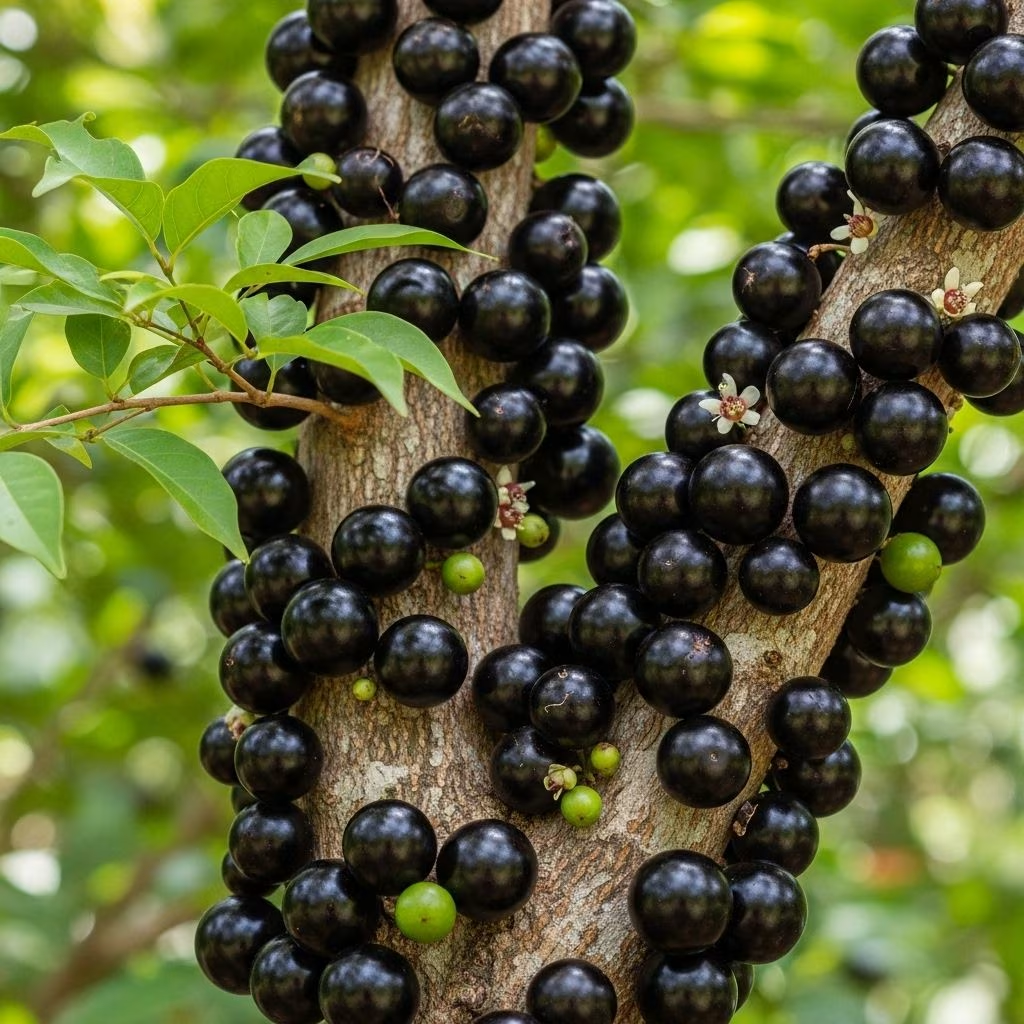
Jaboticaba, often dubbed the “Brazilian Grape Tree,” fascinates with its striking trunk-laden fruits, rich cultural roots, and impressive nutritional profile. Native to South America, the jaboticaba holds a revered place not only in Brazilian gardens but also in folk medicine and contemporary kitchens. This comprehensive guide delves into every facet of jaboticaba—its botanical mysteries, health benefits, culinary versatility, and much more.
Introduction to Jaboticaba
The jaboticaba (Plinia cauliflora and closely related species), also called “jabuticaba” or “Brazilian grape tree,” is an evergreen fruit tree belonging to the myrtle family (Myrtaceae). It is renowned for its remarkable fruiting behavior—growing grape-like berries directly upon its woody trunks and branches, stunning garden enthusiasts and botanists alike.
Although primarily native to Brazil’s Minas Gerais, São Paulo, and Paraná regions, jaboticaba’s influence stretches across South America and, more recently, tropical and subtropical regions worldwide.
Plant and Fruit Description
Jaboticaba trees grow as slow-growing evergreens, typically reaching heights of 15 to 25 feet (4.5–7.6 meters), though old specimens may grow taller if unpruned. Key features include:
- Leaves: Young leaves appear salmon-pink, maturing to dark green. They’re glossy and range from 1 to 4 inches (2.5–10 cm) in length.
- Bark: Reddish beige and flaking, resembling guava trees and admired for ornamental value.
- Roots: Compact, fibrous root systems make them suitable for container or bonsai culture.
- Flowers: Tiny, white, and frilly, emerging directly from the trunk and branches in flushes several times per year.
- Fruit: Spherical “berries” (technically not true grapes) with a thick, purple to almost black skin, about 1–1.5 inches (2.5–4 cm) in diameter. The skin is astringent, encasing a sweet, gelatinous white or pinkish pulp with 1–4 seeds.
Each flush of flowers matures rapidly into fruit within approximately 3–4 weeks; a single mature tree can yield copious crops several times per year in optimal conditions.
Unique Growth Habits: The Wonders of Cauliflory
One of jaboticaba’s most captivating botanical traits is cauliflory—the production of flowers and fruits directly from mature wood (main trunks or older branches), rather than new shoots or twigs.
- This evolutionary adaptation is rare outside tropical regions, allowing pollinators and fruit-eating animals easier access, thus enhancing seed dispersal and reproductive success.
- The spectacle of clusters of deep-purple fruits hugging the limbs gives jaboticaba its instantly recognizable and dramatic visual appeal.
Where Does Jaboticaba Grow?
Indigenous to Brazil, particularly the southeastern states, jaboticaba also thrives in Paraguay, Uruguay, Argentina, Bolivia, and Peru. Its adaptability allows cultivation as far afield as Australia, the Philippines, and suitable zones in the United States—specifically Florida and California.
- Preferred Climate: Tropical to subtropical; can survive mild, brief frosts down to about 26°F (–3°C).
- Soil: Thrives best in well-draining, slightly acidic soils with a pH between 5.5 and 6.5. While quite adaptable, it dislikes salty or poorly drained soils.
- Sun Exposure: Requires 6–8 hours of sunlight per day, but tolerates partial shade.
- Moisture: Demands ample soil moisture, especially during fruiting flushes.
Nutritional Profile and Health Benefits
Jaboticaba is regarded as a nutritional powerhouse, delivering a bounty of vitamins, minerals, and potent phytonutrients. Key points include:
- Vitamin C: High levels promote immune health, collagen synthesis, and antioxidant protection.
- Anthocyanins: The deep purple skin is loaded with anthocyanins—plant pigments with strong antioxidant and anti-inflammatory properties. These compounds are linked to combating oxidative stress, reducing inflammation, and supporting cardiovascular health.
- Fiber: Aids digestion, alleviates constipation, and helps maintain a healthy gut microbiome.
- Heart Health: Contains compounds that help regulate cholesterol and improve blood circulation, reducing the risk of cardiovascular diseases.
- Blood Sugar Regulation: Preliminary research suggests jaboticaba may assist in managing blood glucose, making it favorable for those with diabetes or insulin resistance.
- Other Nutrients: Contains small amounts of calcium, iron, phosphorus, and potassium.
- Skin Health: The antioxidants and vitamin C support reduced signs of aging and promote healthier skin.
Regular consumption of jaboticaba fruit is associated with enhanced vitality, improved immune defense, better digestive health, and support for healthy aging.
Culinary Uses and Preparation
The versatility of jaboticaba extends well beyond eating the fresh fruit:
- Fresh: Most commonly, the ripe fruits are eaten fresh, split open with one’s teeth and the sweet pulp sucked out, discarding the astringent skin.
- Jams, Jellies, and Preserves: The natural pectin content makes jaboticaba ideal for making jams and preserves, a traditional favorite in Brazil.
- Juices and Smoothies: Fresh jaboticaba juice is a delicious Brazilian specialty, sometimes blended with other tropical fruits. It adds a refreshing, subtly floral flavor to beverages.
- Wine and Liqueurs: The high sugar content enables jaboticaba to be made into table wines, liqueurs, and even a light vinegar, akin to those made from grapes.
- Desserts: The fruit is incorporated into cakes, tarts, sorbets, and ice creams for an exotic twist.
- Dehydrated Snacks: Dried jaboticaba fruit or leather is sometimes made as a portable snack.
Preparation tip: As the skin can be tough and astringent, most recipes call for separating the skin and seeds from the pulp through juicing, blending, or simmering with sugar.
Flavor Profile: What Does Jaboticaba Taste Like?
Jaboticaba’s taste is often compared to a Muscadine grape with distinctive tropical nuances. Key tasting notes include:
- Sweetness: Lush, aromatic, and grape-like with subtle floral notes.
- Acidity: A light tartness adds balance and freshness to the flavor.
- Texture: The translucent white or pinkish pulp is juicy and gelatinous, encasing large seeds.
- Skin: The thick, dark purple skin is edible but quite astringent (tannic), and often not eaten with the pulp.
- Aftertaste: A faintly spicy or herbal aftertaste can linger, especially when the skin is chewed.
This intricate sensory profile makes jaboticaba much appreciated when eaten fresh and lends complexity when processed.
Growing and Care Tips
With patience and the right care, jaboticaba trees can be cultivated successfully outside their native habitat. Key requirements include:
- Soil: Slightly acidic (pH 5.5–6.5), well-draining, and rich in organic matter. Avoid salty or compacted soils.
- Watering: Keep soil consistently moist but not waterlogged. Avoid letting the soil dry out, especially during fruiting periods.
- Sunlight: 6–8 hours of direct sunlight per day recommended; partial shade tolerated.
- Temperature: Best grown in tropical or subtropical zones (50–85°F, 10–30°C). Young plants are frost-sensitive.
- Mulching: Apply a 2–3 inch layer to retain soil moisture, regulate temperature, and suppress weeds.
- Pruning: Can be pruned for height control, denser fruiting, or to shape for hedges or bonsai. Fruiting usually starts after 4–8 years of growth.
- Pest and Disease: Trees are relatively resistant but susceptible to fungal diseases in humid, stagnant conditions.
Bonsai Enthusiasts: Because jaboticaba grows slowly and can be kept compact, it is popular among bonsai growers, offering beautiful bark, foliage, and seasonal fruiting interest.
Jaboticaba vs. Grapes: How Do They Compare?
| Feature | Jaboticaba | Grapes |
|---|---|---|
| Botanical Family | Myrtaceae | Vitaceae |
| Fruit Location | On trunk and old branches (cauliflory) | On new shoots, clustered on vines |
| Skin | Thick, astringent, deep purple | Thin, edible, green/red/black |
| Seed | 1–4 large seeds | Up to 4, usually small |
| Flavor | Sweet, aromatic, slightly tart | Sweet to tart, varies by cultivar |
| Main Growing Region | Brazil, South America | Worldwide, especially temperate zones |
Interesting Facts and Cultural Significance
- The name “jaboticaba” derives from the Tupi term “jabotim,” meaning “like turtle fat,” a reference to the gelatinous flesh texture.
- Jaboticaba fruits perish quickly after harvest—sometimes within 3–5 days—thus are mostly enjoyed locally or in processed forms.
- In Brazil, jaboticaba is central to many festivals, traditional remedies for throat ailments, and even spiritual symbolism.
- Mature jaboticaba trees can live for over a century and are admired as landscape specimens in parks and botanical gardens.
- Beyond Plinia cauliflora, several related Myrciaria or Plinia species are also referred to as jaboticaba in Brazil, each with subtle differences in flavor or size.
Potential Side Effects and Precautions
- Jaboticaba is generally considered safe when consumed in moderation as food.
- People prone to digestive upset may wish to avoid eating large quantities of the astringent skin, as it can cause mild gastrointestinal discomfort in some individuals.
- Those with known allergies to tropical fruits should exercise caution when trying jaboticaba for the first time.
Frequently Asked Questions (FAQs)
Q: What does jaboticaba fruit look and taste like?
A: Jaboticaba resembles a dark purple grape, growing directly on tree trunks and branches. Its sweet, aromatic, and juicy pulp is similar to grapes with tart and floral notes. The thick skin is astringent and typically not consumed with the pulp.
Q: How do you eat jaboticaba?
A: Most commonly, you bite or split the skin, suck out the gelatinous pulp, and discard the skin and seeds. The fruit is also used in jams, juices, and wines.
Q: How long does a jaboticaba tree take to bear fruit?
A: Seed-grown trees can take 6–8 years to fruit, while grafted or mature saplings may fruit sooner. Once mature, trees can fruit multiple times each year.
Q: Are there different types of jaboticaba?
A: Yes, several related species in the Plinia and Myrciaria genera are referred to as jaboticaba, with slight differences in fruit size, flavor, or skin thickness.
Q: Can jaboticaba be grown outside Brazil?
A: Yes, jaboticaba thrives in frost-free, humid subtropical or tropical regions around the world—popular in Florida, California, and southeastern Asia.
Q: Is jaboticaba good for health?
A: Jaboticaba offers vitamin C, fiber, anthocyanins, and other antioxidants promoting immune, digestive, and cardiovascular health.
Conclusion
Jaboticaba stands truly unique among fruit trees, offering not only delicious, eye-catching harvests but also valuable nutrition and cultural significance. Whether enjoyed fresh, transformed into jams and wines, or admired in landscape or bonsai form, jaboticaba continues to charm fruit lovers and gardeners around the world.
References
- https://en.wikipedia.org/wiki/Jabuticaba
- https://www.gardeningknowhow.com/edible/fruits/jaboticaba/jaboticaba-tree-information.htm
- https://everglades.farm/blogs/news/jaboticaba-tree-step-by-step-planting-and-care-guide
- https://veliyathgarden.com/products/jaboticaba-grimal-fruit-plant-brazilian-grape-tree-jaboticabeira
- https://www.pepesplants.com/jaboticaba.html
- https://blogs.ifas.ufl.edu/browardco/2022/08/25/jaboticaba-a-fruit-worth-the-wait/
- https://specialtyproduce.com/produce/Jabuticaba_12325.php
- https://incredibleediblelandscapes.com/products/jaboticaba-white-aureana


