


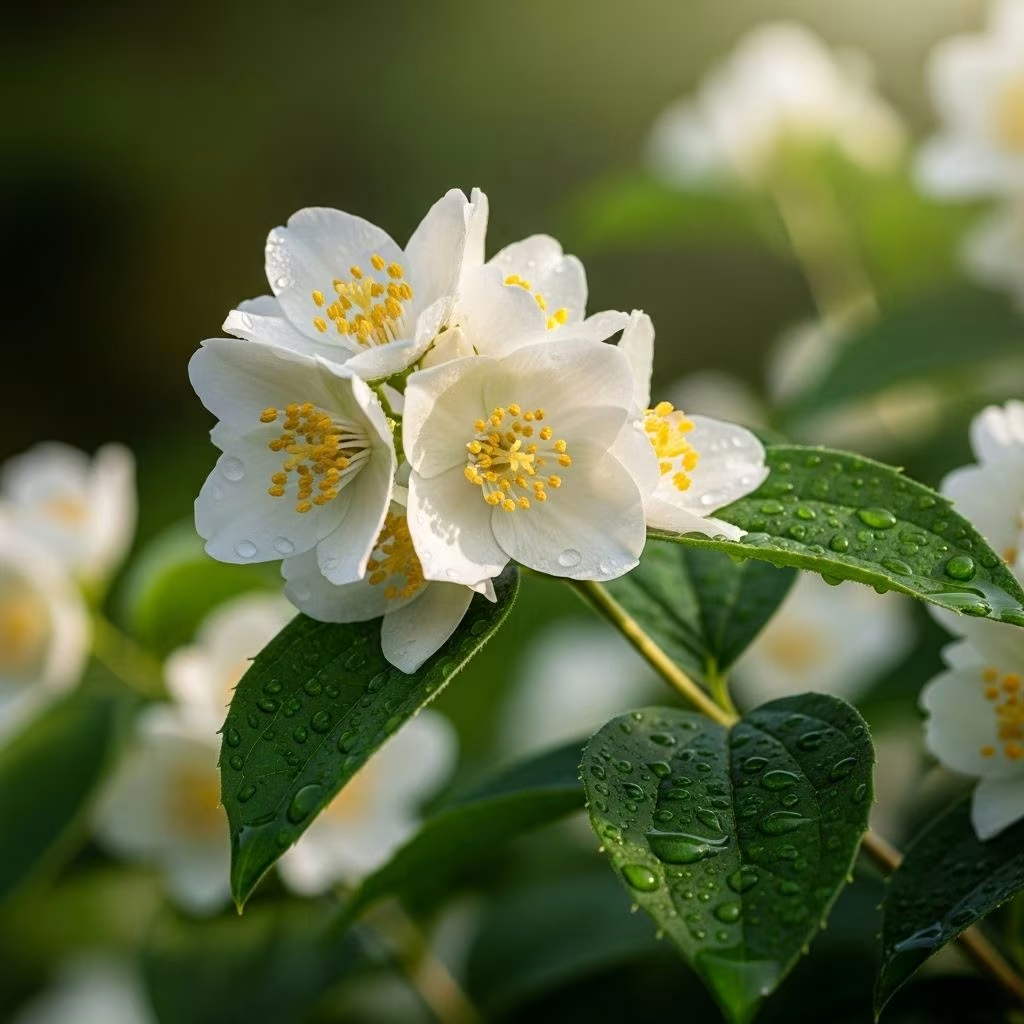
The jasmine flower has captivated people for centuries with its intoxicating fragrance, breathtaking beauty, and rich cultural symbolism. From flourishing gardens to ancient medicine, jasmine’s delicate blooms are prized across continents for their ornamental value, therapeutic properties, and culinary potential. This comprehensive guide delves into the botanical origins, health benefits, diverse uses, and the unique taste and aroma profiles that make jasmine an icon in the plant kingdom.
Introduction to Jasmine Flower
Jasmine refers to a genus of flowering plants in the Oleaceae family, comprising over 200 different species. Recognized for their heady scent and often star-shaped white, yellow, or pink blossoms, jasmines are native to tropical and warm temperate regions of Eurasia, Australasia, and Oceania. While some species climb, others grow as shrubs or ground covers, adding charm and fragrance to gardens and landscapes worldwide.
Key Characteristics of Jasmine
- Small, typically white or yellow flowers
- Distinct, sweet, and powerful aroma
- Can be grown as climbers, shrubs, or ground covers
- Thrives in sunny, well-drained environments
- Rich symbolism, associated with purity, love, and grace
Major Species and Varieties
Jasmine’s diversity is one reason for its popularity. Some species are celebrated for their fragrance, others for their resilience or ornamental value. The main types include:
| Species | Characteristics | Uses |
|---|---|---|
| Jasminum officinale (Common Jasmine) | Vigorous climber; white, highly fragrant flowers in summer | Perfumes, tea, landscape |
| Jasminum sambac (Arabian Jasmine) | Evergreen shrub; highly aromatic white flowers, blooms throughout the year in warm climates | Tea flavoring, garlands, medicine |
| Jasminum polyanthum (Chinese or Pink Jasmine) | Tender houseplant; abundant white flowers from pink buds, spring blooms | Houseplants, ornamental |
| Jasminum nudiflorum (Winter Jasmine) | Deciduous shrub (yellow, unscented blooms) opening on bare winter stems | Winter garden color, ground cover |
| Trachelospermum jasminoides (Star Jasmine)* | Not a true jasmine; pinwheel-shaped white flowers with powerful scent | Vines, ground cover, ornamental |
*Star Jasmine is botanically different but widely marketed for its similar fragrance and visual appeal.
Cultivation and Care
Jasmine is considered a low-maintenance yet rewarding plant for gardeners. Here is a detailed look at how to successfully grow and care for jasmine:
- Sunlight: Most jasmines thrive in full sun, although some tolerate partial shade. The more sun, the better the flowering (especially for summer types).
- Soil: Prefers moist but well-drained soil. Tolerates a range of soil types (chalk, loam, sand; acid to alkaline pH).
- Planting: Plant summer jasmines in spring or autumn; winter jasmine in autumn/winter. Container-grown jasmines may be transplanted at any time.
- Watering: Regular watering when young; established plants are drought-tolerant, but benefit from watering during hot, dry spells.
- Feeding: Use a balanced, general-purpose fertilizer in spring; high-potassium feed during flowering boosts blooms.
- Pruning: Prune after flowering to maintain shape and remove old stems. Pinching vine tips encourages bushiness in climbing/jasmine species.
Additional Tips
- Can be grown against walls, trellises, pergolas, or as ground cover
- Suitable for both outdoor gardens and indoor pots (especially Chinese jasmine and winter jasmine)
- Attracts bees and butterflies; perfect for pollinator gardens.
Cultural Significance and Symbolism
Jasmine is steeped in symbolism. In many cultures, it is a metaphor for love, sensuality, purity, and grace. Its significance includes:
- Asia: Indian weddings feature jasmine garlands as symbols of divine hope and marital bliss; used in offerings and perfumes.
- Middle East: Jasmine is the national flower of several countries such as Pakistan and Syria, representing attachment and good luck.
- Western symbolism: Associated with romance, modesty, and friendship. Victorian culture prized jasmine for its gentle beauty and fragrance.
Throughout poetry, art, and spiritual practices, jasmine’s delicate blooms evoke emotions, blessings, and celebrations.
Culinary, Medicinal, and Aromatic Uses
Jasmine’s versatility enables its use in various aspects of life, from food to healing traditional remedies.
Culinary Uses
- Jasmine Tea: The most well-known utilization involves infusing green or white tea leaves with jasmine blossoms, particularly Jasminum sambac. Resulting tea is subtly floral, lightly sweet, and is a staple in East Asian cultures.
- Garnishes and Sweets: In Southeast Asia, fresh jasmine flowers often adorn desserts, rice, or drinks to impart gentle fragrance.
- Flavoring Syrups: Jasmine extracts or syrups are occasionally used in confections, jellies, or cocktails for a unique, aromatic twist.
Medicinal and Wellness Uses
- Traditional Herbal Medicine: Jasmine has been featured in Ayurvedic, Chinese, and folk medicine for centuries.
- Essential Oil: Jasmine essence is used in aromatherapy to ease stress, promote relaxation, and uplift mood.
- Topical Preparations: Infused oils or pastes are applied to soothe skin irritations or inflammations.
- Digestive Aid: Jasmine teas and tinctures have been used historically to relieve indigestion or bloating, though scientific backing is limited.
Aromatic and Cosmetic Uses
- Perfumery: Jasmine oil is a highly coveted base note in famous fragrances, providing a warm, exotic aroma.
- Cosmetics: Used in creams, oils, and hair products for fragrance and potential skin benefits.
- Household Fresheners: Dried jasmine or essential oil is included in potpourri, candles, and diffusers.
Potential Health Benefits
Tradition and modern research alike recognize numerous potential health benefits associated with jasmine flower and its extracts. Key possible advantages include:
- Stress Reduction: Jasmine aromatherapy has been shown to reduce anxiety, promote calmness, and support sleep.
- Antioxidant Activity: Jasmine flowers possess compounds that act as antioxidants, helping to neutralize harmful free radicals and support cellular health.
- Anti-inflammatory Properties: Traditional systems have used jasmine infusions to ease inflammations and soothe skin issues.
- Digestive Support: Jasmine tea is widely consumed for mild digestive comfort and may help in cases of bloating or stomach upset.
- Potential Antimicrobial Effects: Early studies indicate jasmine extracts may have activity against certain bacteria and fungi.
It’s important to note that while jasmine is widely used in traditional medicine, robust clinical evidence for some health claims is still emerging, and more research is needed to confirm many benefits.
Taste and Aroma Profile
Jasmine’s signature flavor and scent set it apart from many other flowers. Here’s a closer look at its unique profile:
- Fragrance: Intensely sweet, heady, and narcotic, often described as an intoxicating blend of honey, fruit, and warm spice.
- Taste: Fresh jasmine flowers, when used in tea or syrups, lend a delicate, lightly sweet, pure floral note with hints of earthiness and green undertones.
- Pairing: Jasmine pairs exceptionally with green or white tea, rice, coconut, light desserts, or fresh fruits.
Comparing Popular Types of Jasmine Teas
| Tea Base | Infusion | Taste Notes |
|---|---|---|
| Green Tea | Jasminum sambac blossoms layered with green tea leaves | Floral, grassy, sweet, clean |
| White Tea | White tea leaves subtly scented with jasmine | Delicate, lightly floral, soft, smooth |
| Herbal/Tisane | Pure dried jasmine flowers or blended herbal infusions | Sweet, fragrant, mild, sometimes grassy |
Buying, Storing, and Preparing Jasmine Flowers
Quality is key when sourcing jasmines for culinary or aromatic use. Here are tips to ensure you enjoy their best attributes:
- Buy from reputable suppliers. For edible use, confirm flowers are pesticides-free and intended for consumption.
- Dried jasmine should be fragrant with intact, pale blossoms (not musty or browned).
- Store dried flowers in an airtight container in a cool, dark place. Fresh flowers are best used immediately; refrigerate short-term in a sealed container lined with paper towel.
- For tea, use 1-2 teaspoons of dried jasmine per cup; steep in hot (not boiling) water for 3–5 minutes to avoid bitterness.
Precautions and Side Effects
- Jasmine flowers and teas are generally considered safe in culinary amounts.
- Some people may experience allergies to fragrant oils or extracts—discontinue use if symptoms develop.
- Essential oil should never be ingested and avoid excessive topical use on sensitive skin without dilution.
- Consult a healthcare provider before using concentrated jasmine therapies if pregnant, breastfeeding, or taking medications.
Frequently Asked Questions (FAQs)
Q: Is jasmine flower edible?
Yes, certain types—most notably Jasminum sambac and Jasminum officinale—are edible and widely used to flavor teas and desserts. Only use varieties known to be safe and grown without pesticides.
Q: What are the main benefits of jasmine?
Jasmine is famous for its calming, mood-enhancing fragrance, antioxidant properties, and potential digestive support. It is widely used in aromatherapy, wellness, spiritual rituals, and as a flavor enhancer in teas and foods.
Q: Is star jasmine the same as true jasmine?
No. Although star jasmine (Trachelospermum jasminoides) shares a similar aesthetic and scent, it belongs to a different botanical family and is not a true jasmine. It is nevertheless popular in landscaping for its fragrance and hardiness.
Q: How do you care for a jasmine plant indoors?
Choose a bright spot (preferably with some direct sun), keep the soil moist but well-drained, fertilize during the growing season, and provide a stake or trellis for climbing types. Trim lightly after flowering to maintain shape and encourage bushiness.
Q: Can jasmine help with anxiety or sleep?
Anecdotal evidence and some studies suggest that jasmine’s aroma can help reduce anxiety, uplift mood, and promote restful sleep, primarily when used as an essential oil or room scent. Effects vary among individuals.
References
- Royal Horticultural Society: Growing Guide
- LovFlowers: Jasmine Flower Symbolism
- Gardenia: Jasmine Care and Species
- University of Florida: Star Jasmine Overview
References
- https://lovflowers.co.uk/blogs/news/jasmine-flower
- https://www.rhs.org.uk/plants/jasmine/growing-guide
- https://www.gardenia.net/guide/jasmine-how-to-grow-and-care-with-success
- https://gardeningsolutions.ifas.ufl.edu/plants/ornamentals/star-jasmine/
- https://bouqs.com/blog/jasmine-plant-care/
- https://en.wikipedia.org/wiki/Jasmine
- https://www.cramerlatam.com/corporativo-en/jasmine-cultivation-and-harvest/?lang=en


