


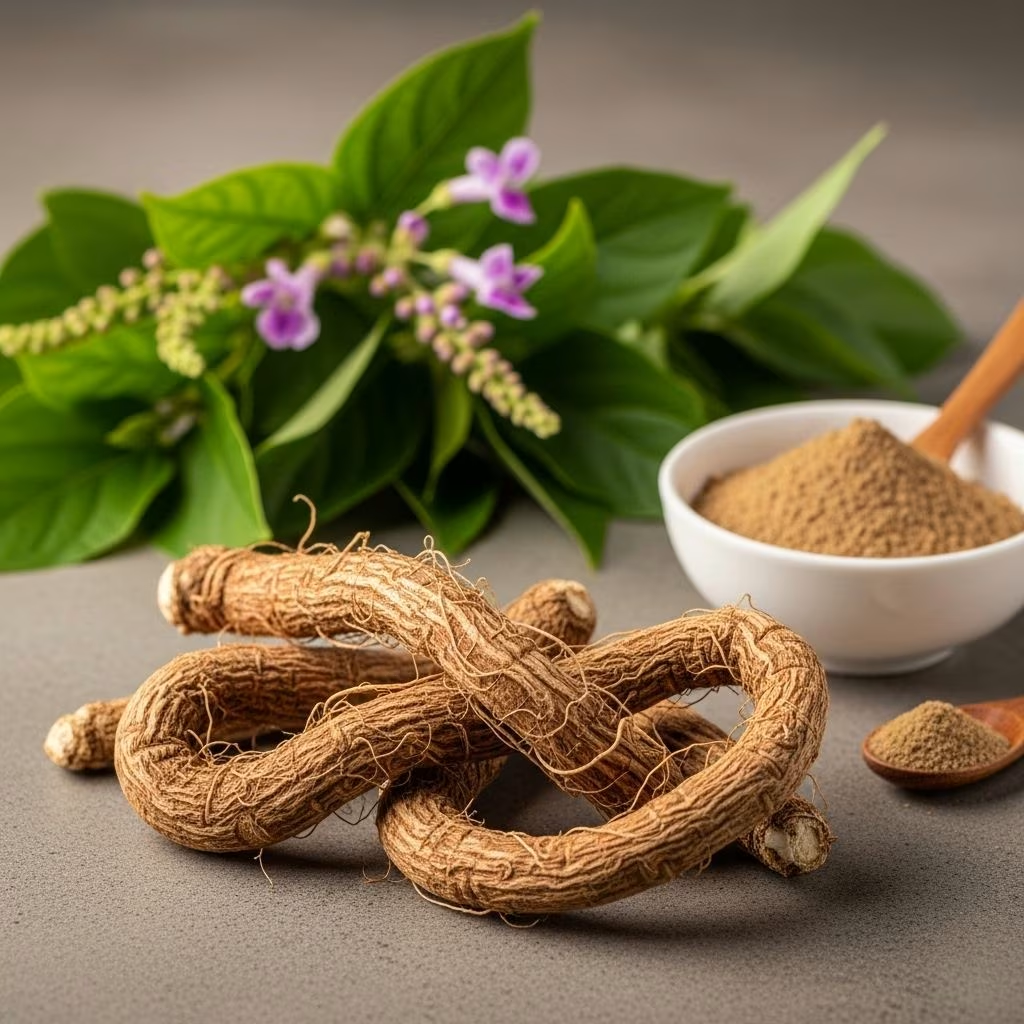
Jatamansi root, also known as Spikenard and botanically termed Nardostachys jatamansi, is a highly valued medicinal plant found in the Himalayas. Celebrated in Ayurveda and other ancient traditions for centuries, the root and rhizome of this herb are renowned for their therapeutic effects on the mind, body, and spirit.
Introduction to Jatamansi Root
Jatamansi root is a revered perennial herb belonging to the Valerian family, native to the alpine and subalpine regions of the Himalayas, stretching from India and Nepal to Bhutan and China. Known for its aromatic properties and calming influence, Jatamansi root has been an integral part of traditional Indian systems of medicine, particularly Ayurveda.
This deep purple-brown root has garnered interest from both traditional healers and modern researchers for its broad spectrum of therapeutic uses—ranging from mind and mood regulation to skin, hair, and liver health. Jatamansi is frequently processed as a powder, oil, or extract, depending on its intended application.
Botanical Profile
| Feature | Description |
|---|---|
| Scientific Name | Nardostachys jatamansi |
| Family | Valerianaceae |
| Common Names | Jatamansi (India), Spikenard (Western), Nard, Muskroot |
| Plant Part Used | Root and Rhizome |
| Habitat | Alpine Himalayan slopes (altitude 3,000 to 5,000 meters) |
| Physical Description | Woody root/rhizome, fibrous, aromatic, brown-to-black in color |
The entire plant is aromatic, but the root and rhizome are most prized for their essential oils, resins, and active compounds such as jatamansone and sesquiterpenes. Its rarity and increasing demand have rendered Jatamansi endangered in the wild, emphasizing the need for sustainable sourcing.
Traditional Uses of Jatamansi
Jatamansi boasts a long history of medicinal and spiritual use across cultures:
- Ayurveda: Used for calming the mind, inducing restful sleep, rejuvenating the nervous system, and balancing the tridosha (Vata, Pitta, Kapha).
- Unani and Tibetan Medicine: Prescribed for brain tonic, heart health, and treatment of hysteria, epilepsy, and syncope.
- Ancient Perfumes & Rituals: Valued for its pleasant, musky aroma and used in religious ceremonies and luxury unguents.
- Folk Remedies: Applied as a paste for skin conditions and consumed for digestive issues, respiratory health, and general well-being.
Historical Importance
References to Jatamansi can be found in ancient Ayurvedic texts and Greek-Roman manuscripts, highlighting its value as an herb of transformation for mental clarity and spiritual enhancement.
Health Benefits of Jatamansi Root
Scientific studies and traditional wisdom suggest a diverse array of health benefits for Jatamansi root:
1. Calming the Nervous System and Managing Stress
Jatamansi is reputed for its ability to reduce anxiety and promote relaxation, making it a popular natural remedy for insomnia and stress-related disorders. Its tranquilizing property helps calm excessive nervous activity, which aligns with its Ayurvedic application as a mind tonic. Jatamansi balances Vata dosha, believed to control the nervous system, thereby mitigating symptoms of anxiety and hyperactivity.
2. Enhancing Memory and Cognitive Function
As a medhya (brain tonic), the root supports cognitive functions such as memory, attention, and learning. It is often recommended for students and older adults to preserve brain health, protect neurons from oxidative damage, and support neuroplasticity.
3. Sleep Aid
Traditional healers and modern users both endorse Jatamansi’s sleep-inducing effects. It helps in managing insomnia, encouraging deeper, uninterrupted sleep cycles and reducing symptoms such as restlessness or irritability before sleep.
4. Heart and Circulatory Health
Jatamansi has cardioprotective, antihypertensive, and vasodilatory properties. Regular use may help stabilize blood pressure, strengthen cardiac tissues, and improve circulation, reducing the risk of hypertension and related disorders.
5. Antioxidant and Anti-inflammatory Effects
The root is rich in antioxidants that counteract oxidative stress, aging, neurodegeneration, and chronic inflammation. Its anti-inflammatory constituents support joint health and soothe skin irritation.
6. Support for Liver Function
Jatamansi demonstrates liver-protective and detoxifying effects. Traditionally, it is used to support the liver in processing toxins (hepatoprotection), which aids overall detoxification and metabolic health.
7. Skin and Hair Health
- Skin: Used in balms and oils for its soothing, anti-bacterial, and anti-fungal abilities, aiding in wound healing and treating skin infections or rashes.
- Hair: Renowned for promoting hair growth, strengthening follicles, preventing hair fall, treating dandruff, and imparting shine and vitality.
8. Digestive Health
Jatamansi is valued for its carminative and digestive properties. It alleviates bloating, indigestion, stomach cramps, and constipation, and supports nutrient absorption.
9. Female Reproductive Health
Used in Ayurveda to maintain uterine health, regulate menstruation, reduce spasms, and support overall reproductive wellness.
10. Additional Benefits
- Anticonvulsant, antiarrhythmic, and neuroprotective roles in experimental studies.
- Immunomodulatory, meaning it can help strengthen the body’s defense mechanisms.
- Antibacterial and antifungal actions, offering protection against infections.
- Potential anti-ulcer and anti-diabetic properties, as indicated by preliminary studies.
Modern Applications & Forms
Today, Jatamansi is widely used in:
- Powders and capsules: For internal use as a supplement or with honey, ghee, or warm water.
- Essential oils: Diluted and applied for hair, scalp, or skin health, or used in aromatherapy for calming effects.
- Tinctures and extracts: Liquid concentrate for faster absorption and more potent effects.
- Herbal blends: Incorporated into Ayurvedic and herbal formulations with other adaptogens and nervine herbs.
- Teas and decoctions: Traditional herbal teas for digestive and relaxing benefits.
Taste and Sensory Experience
The taste of Jatamansi root is distinctive and complex:
- Primary Tastes: Bitter (tikta) and astringent (kashaya) with earthy undertones.
- Aroma: Intensely musky, warm, woody, and reminiscent of aged soil or moss, making it both grounding and comforting.
- Mouthfeel: Slightly pungent, with a cooling aftertaste when used in teas or decoctions.
- Sensory experience: The taste may be challenging when consumed alone but becomes pleasant and soothing when mixed with honey, ghee, or milk.
The unique sensory profile has made Jatamansi a sought-after ingredient in traditional perfumery, hair oils, and mood-elevating rituals in South Asian cultures.
Recommended Dosage and Safety Considerations
Appropriate dosage depends on age, health status, form of the herb, and intended use. General Ayurvedic practice recommends:
- Powdered root: 250 mg – 500 mg once or twice daily, mixed with honey, warm water, or ghee after meals.
- Oil: Massaged into the scalp or applied to the skin as directed.
- Infusion/decoction: 1-2 teaspoons of chopped root boiled with water and strained for tea.
It is always advisable to consult a qualified herbalist or healthcare provider for personalized dosage guidance.
Precautions and Potential Side Effects
- Should not be taken in excess, as large doses may cause stomach upset or drowsiness.
- Those with allergies to Valerian family plants should exercise caution.
- Pregnant or breastfeeding women, and children should only take it under medical supervision.
- May interact with sedative drugs or anti-hypertensives; consult a doctor before combining with medications.
- Only source sustainably, as wild Jatamansi populations are endangered.
Buying and Storage Tips
When purchasing Jatamansi root products:
- Choose reputable brands with quality certifications (organic, non-GMO, sustainably harvested).
- Look for whole root, fresh powder, or therapeutic-grade essential oil for best efficacy.
- Store in airtight containers, away from light, heat, and moisture to preserve potency and aroma.
Frequently Asked Questions (FAQs)
Q: What is the difference between Jatamansi and Valerian root?
Though both are from the same family (Valerianaceae), Jatamansi (Nardostachys jatamansi) is native to the Himalayas and has a distinct musky aroma and different active compounds, while Valerian (Valeriana officinalis) is native to Europe and is often used primarily as a sleep aid.
Q: Is Jatamansi root safe for long-term use?
Jatamansi is generally regarded as safe at standard dosages for most individuals, but long-term or high-dose use should be monitored by a healthcare provider due to potential side effects or interactions.
Q: How does Jatamansi benefit hair health?
Jatamansi oil nourishes the scalp, strengthens hair follicles, promotes hair growth, reduces dandruff, and helps prevent premature greying. Regular application supports overall scalp health.
Q: Can Jatamansi be used for children or during pregnancy?
Its use in children or pregnant women is best supervised by an Ayurvedic doctor or qualified healthcare professional due to lack of comprehensive safety studies.
Q: How does Jatamansi taste?
The root is markedly bitter and earthy, with a musky aroma. Some may find it pungent when consumed directly, so it is best combined with honey or milk for improved palatability.
Q: Where can I buy authentic Jatamansi?
It is available at Ayurvedic supply stores, specialty herbal shops, and online retailers focused on ethical and sustainable sourcing.
Q: Are there any drug interactions with Jatamansi?
It may interact with sedatives, anti-anxiety drugs, and blood pressure medications. Always discuss with your doctor before starting any new supplement.
Jatamansi root remains one of the most treasured Ashtanga herbs in Ayurveda—respected for its holistic effects on the mind, body, and soul. Its rich history, multifaceted applications, and distinctive taste make it a unique addition to modern wellness routines.
References
- http://www.orientjchem.org/vol32no2/medicinal-properties-of-nardostachys-jatamansi-a-review/
- https://namhyafoods.com/blogs/news/jatamansi-benefits-the-healing-herb-of-the-himalayas
- https://zanducare.com/blogs/exploring-ayurveda/from-better-sleep-to-radiant-hair-the-surprising-benefits-of-jatamansi
- https://www.lybrate.com/topic/jatamansi-spikenard-benefits-and-side-effects
- https://www.1mg.com/ayurveda/jatamansi-175
- https://merlionnaturals.in/blogs/the-merlion-naturals-blog/health-benefits-of-jatamansi-spikenard-uses-and-side-effects
- https://pmc.ncbi.nlm.nih.gov/articles/PMC3618914/
- https://www.apollo247.com/health-topics/general-medical-consultation/benefits-of-jatamansi
- https://www.easyayurveda.com/2013/09/06/jatamansi-benefits-usage-side-effects/


