


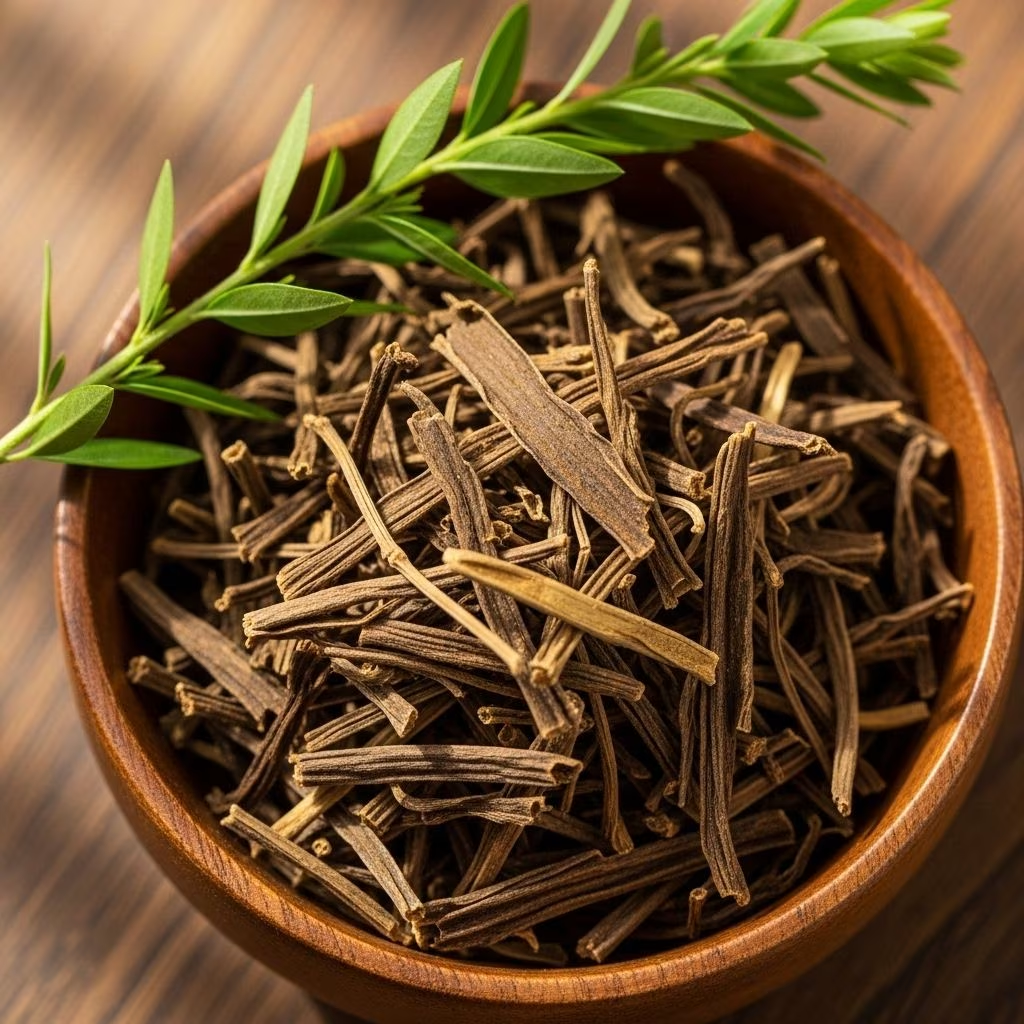
Jimbu is a cherished aromatic herb from the high altitudes of the Himalayas, found mainly in Nepal and the Indian state of Uttarakhand. Revered for its strong flavor and medicinal value, Jimbu remains a culinary and cultural gem throughout the Central Himalayas.
Introduction: The Essence of Jimbu
Jimbu is a dried, aromatic herb from the onion family that is virtually unknown outside the Central Himalayas. It plays an essential role in the food, culture, and traditional medicine of Nepal and certain northern Indian regions. In Nepal, Jimbu is used extensively as a tempering spice in dals, curries, vegetables, and pickles, imparting a savory depth exclusive to Himalayan cuisine.
Botanical Profile and Habitat
Scientifically classified under Allium species, primarily Allium hypsistum and Allium przewalskianum, Jimbu belongs to the same genus as onions, garlic, and chives. In some Indian regions like Uttarakhand, it is also known as jamboo or faran.
- Family: Amaryllidaceae (Onion family).
- Species: Allium hypsistum, Allium przewalskianum, and other regional variants such as Allium stracheyi.
- Appearance: Grass-like, slender green leaves that when dried turn brownish-green and wilt into wiry strands.
- Native Range: Elevations between 2,500 and 4,500 meters above sea level in the Himalayan valleys of Nepal, Mustang, and Uttarakhand.
- Growth Conditions: Thrives in cool climates, well-drained mountain soil, and requires little water.
Table: Botanical Overview of Jimbu
| Parameter | Description |
|---|---|
| Family | Amaryllidaceae (Onion family) |
| Main Species | Allium hypsistum, Allium przewalskianum |
| Local Names | Jimbu (Nepal), Jamboo/Faran (Uttarakhand, India) |
| Native Habitat | 2,500-4,500 m Himalayan valleys; dry and cool climate |
Cultivation, Harvesting, and Traditional Practices
Jimbu grows wild or is semi-cultivated in small community plots high in the mountains. The main harvest season is June to September, when local families collect tender shoots and leaves before drying them under the sun.
- Farmers either collect Jimbu wild from high-altitude pastures or cultivate smaller patches near their homes.
- Once dried, Jimbu’s flavor intensifies and it acquires its characteristic aromatic potency.
- It is commonly bundled and sold in local and regional Himalayan markets, or kept for year-round home use.
- Sustainable practices are vital as overharvesting and environmental changes threaten wild stocks.
Culinary Uses: Traditional and Modern Applications
In Nepali and Uttarakhand kitchens, Jimbu is treasured as a finishing or tempering spice, particularly in dal (lentil soup), vegetable curries, and pickles.
- Most commonly, the dried leaves are fried in hot ghee or oil at the start or end of cooking to release their intense aroma, then added to dishes.
- A small amount has a dramatic flavor impact, making it a powerful seasoning.
- Signature dishes flavored with Jimbu include:
- Nepali dal bhat (rice and lentil soup)
- Kalo dal (black lentil curry)
- Vegetable tarkari (curried vegetables)
- Pickles and chutneys
- Mutton or goat curries in the Mustang region
- Regional breads and fresh salads
- Jimbu is especially beloved in the Mustang district of Nepal, where it is integral to almost every household’s daily fare.
- Modern chefs and home cooks are beginning to experiment with Jimbu in fusion recipes, risottos, and even flatbreads outside its traditional homeland.
Nutritional Value and Medicinal Benefits
Beyond its culinary appeal, Jimbu’s medicinal properties have long been recognized in folk traditions and are validated by modern research.
- Rich in phytochemicals: Contains antioxidants and antimicrobial compounds that help protect against infections and boost immunity.
- Used as a home remedy in the Himalayas for:
- Stomach aches and indigestion
- Cold and flu symptoms
- Loss of appetite
- General health tonics
- Traditional healers recommend infusions, teas, or seasoning food with Jimbu to prevent and manage illness.
- Local populations regard Jimbu as both nutritious and medicinal, providing essential flavor and vital nutrients at high altitudes.
Table: Potential Health Benefits of Jimbu
| Benefit | Traditional Use | Modern Finding |
|---|---|---|
| Antimicrobial | Treats coughs, colds | Bioactive compounds inhibit harmful microbes |
| Digestive Aid | Relieves stomach pain and indigestion | Stimulates digestive fluids, reduces flatulence |
| Appetite Booster | Treats loss of appetite | Aromatics may trigger hunger cues |
| General Immunity | Used in health tonics | Antioxidants support the immune system |
Note: While Jimbu has no known serious side effects in culinary doses, scientific data on dosage, safety during pregnancy, and interactions remains limited.
Taste and Aroma: What Does Jimbu Taste Like?
Jimbu’s flavor is a complex blend that sits in between onion, chives, garlic, and shallots. It is pungent and savory when raw, but develops a pleasing, mellow, and slightly sweet note when quickly sautéed in oil or ghee.
- Raw aroma: Intense, grassy, and reminiscent of a mix between dried onion and garlic, with a subtle wild character.
- Cooked flavor: Nutty, sweet-savory, and deeply aromatic, with a taste that lingers on the palate.
- Color and appearance: Brownish-green dried strands that resemble fine blades of grass.
Even a small amount of Jimbu can transform a dish, giving simple dal or vegetables a signature Nepali flavor that is difficult to replicate with other herbs.
Economic and Cultural Significance
For Himalayan mountain communities, Jimbu is more than just a spice. It is an important element of regional identity, culinary heritage, and local economy.
- Jimbu farming and collection support the livelihoods of rural families in Nepal and Uttarakhand.
- The herb is sold in local markets and increasingly in specialty food or online health shops, with rising demand from urban and international consumers.
- Jimbu’s value often exceeds other local spices, making it a profitable crop for small farmers, especially since it requires few inputs and can grow in otherwise marginal land.
- Culturally, Jimbu is used in special dishes during festivals, community gatherings, and religious events—serving as a symbol of Himalayan hospitality and tradition.
Conservation and Sustainability
Despite its advantages, the Jimbu landscape is at risk from overharvesting, climate change, and habitat loss.
- Over-collection from wild pastures has led to shrinking natural populations in some areas.
- Climate variability disrupts growth cycles, affecting both wild and cultivated specimens.
- Conservation efforts include training farmers in sustainable harvesting, supporting community seed banks, and promoting cultivation alongside wild collection.
- Improved packaging, branding, and market-linkages are helping to boost farmer incomes while encouraging long-term resource stewardship.
How to Use and Store Jimbu
To unlock its aromatic flavor, dried Jimbu is typically fried in oil or ghee for just a few seconds before being stirred into dishes. Excessive cooking can diminish its aroma, so it’s best added at the end of the cooking process.
- Tempering: Heat a tablespoon of ghee or oil in a pan, add a pinch of dried Jimbu, and fry until fragrant. Pour over soups, dals, or curries.
- Infusion: Soak in warm water to rehydrate, then add to sauces, salad dressings, or yogurt-based condiments.
- Storage: Store Jimbu in an airtight container away from moisture and sunlight; it can retain its potency for up to a year.
Frequently Asked Questions (FAQs)
Q: Where can I buy Jimbu?
Jimbu is available in Himalayan spice shops, ethnic groceries in major cities, and increasingly from online retailers specializing in Nepali or Uttarakhand products. It may be labeled as “Himalayan aromatic herb” or “jamboo/faran” in Indian shops.
Q: Can I substitute Jimbu with another herb?
While chives or green onions can approximate Jimbu’s flavor, they lack the specific aromatic intensity. The closest substitute is a mix of fried dried chives, garlic, and shallots—but Jimbu’s unique taste is irreplaceable in authentic recipes.
Q: Is Jimbu safe for everyone to eat?
Jimbu is considered safe in normal culinary amounts. There is little data on medicinal dosages or effects during pregnancy, so prudent use is advised outside standard cooking contexts.
Q: How do Nepalese traditionally use Jimbu?
In Nepal, Jimbu is essential in tempering yellow lentil daals, pickles, and green vegetables, as well as in local mutton curries. Its use is most prominent in the Upper Mustang and central Himalayan regions.
Q: Are there any modern health claims for Jimbu?
Modern research highlights Jimbu’s antimicrobial and antioxidant content, supporting its traditional role in digestive health and immunity. However, it should not be seen as a remedy for serious conditions without expert consultation.
Conclusion
Jimbu stands at the crossroads of tradition, flavor, and healing in Himalayan culture. Revered for its pungent taste, health-supporting qualities, and pivotal economic role, this humble herb is a testimony to the vitality of mountain agriculture and cuisine. Whether you’re drawn by its singular aroma or entranced by its story, Jimbu invites culinary adventurers and health enthusiasts alike to discover a true taste of the Himalayas.
References
- https://en.wikipedia.org/wiki/Jimbu
- http://tasteofnepal.blogspot.com/2011/12/himalayan-herb-jimbu-dried-leaves-of.html
- https://www.wisdomlib.org/definition/jimbu
- https://krishijagran.com/agripedia/jimbu-a-himalayan-herb-preserving-tradition-and-empowering-farmers/
- https://www.ishopindian.com/Rato-Bhale-Jimbu-Himalayan-Aromatic-Herb
- https://www.youtube.com/watch?v=KBq8b7r7oUA


