


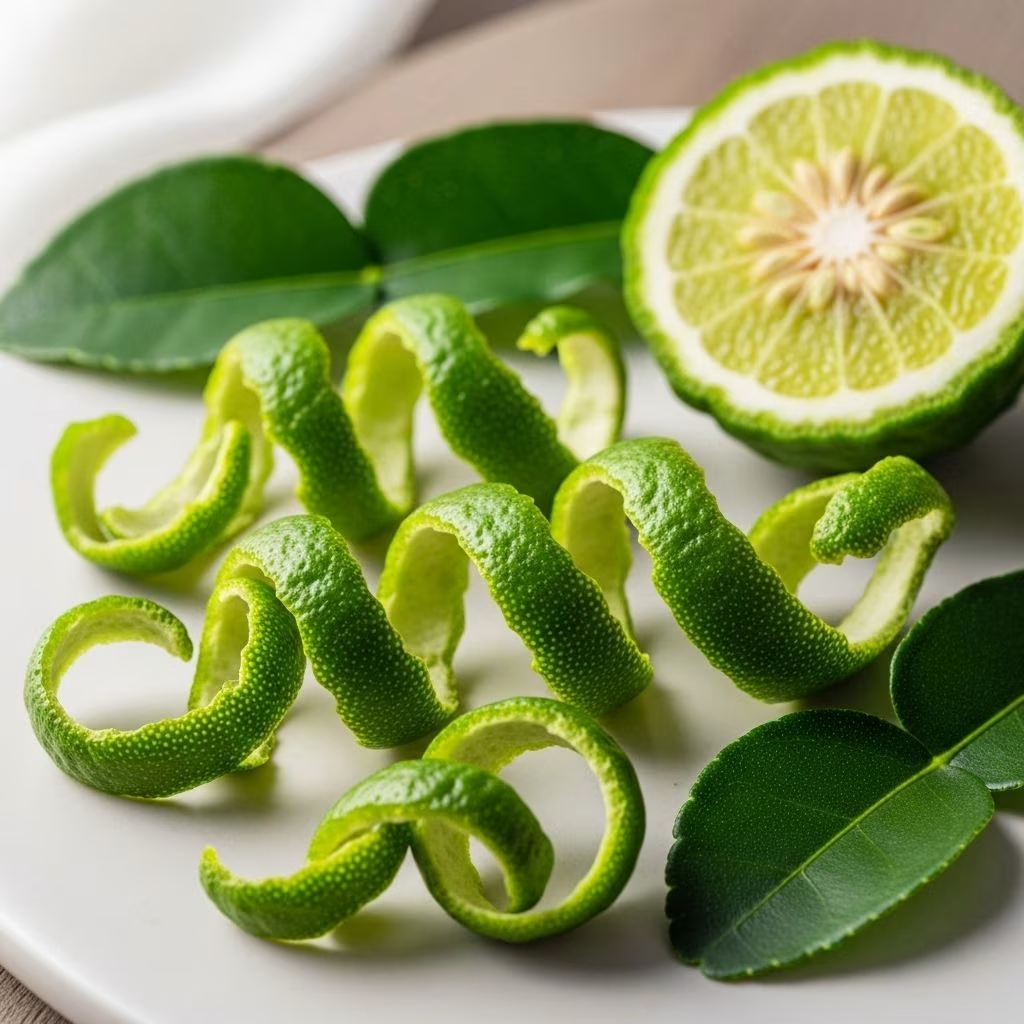
Kaffir lime zest, extracted from the knobby green peel of the Citrus hystrix fruit, infuses dishes and wellness rituals across Southeast Asia and beyond with its intensely aromatic, citrusy character. Revered for its bold flavors, possible health-enhancing properties, and distinct fragrance, kaffir lime zest is a prized ingredient in traditional and modern kitchens.
To help you unlock its full potential, this guide explores everything about kaffir lime zest: from flavor and nutritional value to practical culinary and wellness applications, backed by traditional wisdom and scientific insights.
Introduction to Kaffir Lime Zest
Kaffir lime zest is the thin outermost layer of the kaffir lime fruit’s peel. This zest harbors intensely aromatic compounds that create a signature blend of lemony freshness, subtle spiciness, minty undertones, and delicate floral notes. As one of the most vibrant citrus seasonings, it is a staple in Southeast Asian culinary traditions, especially in Thai, Cambodian, and Indonesian cuisine, and is gaining worldwide popularity for its depth of flavor and health benefits.
Origin and Botanical Profile
The kaffir lime (Citrus hystrix), also called makrut lime or Thai lime, is a small tree native to tropical Southeast Asia. Its fruit stands out for its small size and highly wrinkled, bumpy green peel—where the prized zest is found. The tree thrives in warm, humid climates and has traditionally been grown in Laos, Myanmar, Thailand, Cambodia, and surrounding regions.
- Scientific name: Citrus hystrix
- Common names: Kaffir lime, makrut lime, Thai lime
- Appearance: Small, round or oval fruit with chewy, deeply ridged green skin
- Harvest season: Winter months, while tree flowers through spring and summer
Traditional Significance
Kaffir lime has a history spanning generations in Southeast Asian households and folk remedies. The zest, leaves, and even the juice have been used for centuries in cooking, natural cleaning, health practices, and religious rituals.
Flavor and Aromatic Profile
What sets kaffir lime zest apart from other citrus peels is its powerful bouquet and complex flavor. Upon grating or slicing, the zest emits a vivacious, invigorating aroma that quickly fills the room.
- Primary notes: Bright lemony zest
- Secondary layers: Refreshing mint, subtle ginger-like spice, and gentle floral overtones
- Texture: Fine, tender shreds when grated, or slightly chewy in dried form
Its flavor profile is both energetic and sophisticated: sharper and more pungent than regular lime or lemon zest, yet rounded with a whisper of mint and ginger. This makes it excellent for brightening savory curries, soups, stews, or sweet desserts.
Comparing Kaffir Lime Zest with Other Citrus Zests
| Citrus Fruit | Flavor Profile | Common Uses |
|---|---|---|
| Kaffir Lime | Intense lemony, spicy, minty, floral | Southeast Asian curries, soups, desserts |
| Lemon | Bright, tangy, slightly bitter | Baking, marinades, drinks |
| Regular Lime | Sharp, tart, mildly sweet | Mexican, Caribbean cuisine, cocktails |
| Orange | Sweet, floral, mild acidity | Marmalades, desserts, sauces |
Health Benefits of Kaffir Lime Zest
Beyond flavor, kaffir lime zest contributes health-promoting properties, both in traditional and modern contexts. Many benefits spring from its high concentrations of vitamin C, unique essential oils, and various phytonutrients found in the peel.
- Rich in vitamin C: Strengthens immunity, promotes skin health, and aids wound healing
- Natural antioxidants: Fights oxidative stress, potentially lowering risk of chronic diseases
- Anti-inflammatory compounds: May help reduce inflammation and pain
- Digestive aid: Traditional remedies use the zest and peel to ease indigestion or bloating
- Antibacterial and antifungal activity: Essential oils offer mild antimicrobial properties, used in traditional mouthwashes and skin treatments
- Citric acid source: Useful in natural cleaning and as a food additive
Scientific Insights
- Major phytochemicals: Terpenes like β-Pinene and Limonene are found in high levels in kaffir lime citrus—the compounds provide aroma and several bioactive effects.
- Mineral content: Kaffir lime fruit is also notable for potassium and trace minerals compared to other citrus fruits.
- Therapeutic potential: The binding of kaffir lime terpenes in biological studies suggests possible health benefits, warranting further research.
Culinary Uses and Role in Global Cuisine
Kaffir lime zest is an indispensable ingredient in classic Southeast Asian dishes and is becoming popular worldwide for its unique aromatic punch.
How Is Kaffir Lime Zest Used in Cooking?
- Savory dishes: Key flavor enhancer for Thai red and green curries, Tom Yum soup, Cambodian fish amok, Indonesian rendang, and other aromatic stews
- Sweet applications: Twist in cakes, cookies, custards, and even ice cream for refreshed desserts
- Beverages: Used in cocktails, herbal teas, and infusions for zesty aromas and flavors
- Garnishing: Sprinkled over finished seafood, vegetable stir-fries, or salads for brightness
- Condiments: Infused in salts, sugars, syrups, spice blends, and dipping sauces
Tips for Using Kaffir Lime Zest in Your Kitchen
- A little goes a long way—use sparingly to avoid overpowering other flavors.
- Best added near the end of cooking to preserve aroma and essential oils.
- Pairs exceptionally well with coconut milk, lemongrass, chili, and fresh herbs.
Sample Dishes Featuring Kaffir Lime Zest
- Thai Red Curry: Intensified with a pinch of freshly grated zest
- Fish Amok: Cambodian dish elevated by the citrus bouquet
- Kaffir Lime Tea: Herbal infusion that showcases zesty brightness
- Lime Zest Shortbread: Unique cookies with Southeast Asian flair
Kaffir Lime Zest vs. Kaffir Lime Leaves
| Aspect | Kaffir Lime Zest | Kaffir Lime Leaves |
|---|---|---|
| Source | Outer peel of fruit | Double-lobed leaves of the same tree |
| Flavor notes | Lemony, minty, spicy | Lemon-lime, slightly bitter, herbal |
| Common uses | Grated, infused, or dried as seasoning | Whole or sliced in soups and stir-fries |
| Best for | Direct zesting, desserts, spice blends | Aromatic broths, curries, rice dishes |
Both zest and leaves deliver unique aspects of the kaffir lime aroma, often used together for layered complexity in recipes.
Non-Culinary Uses of Kaffir Lime Zest
Kaffir lime peel and its zest are valued far beyond the kitchen, featuring in traditional wellness, cleaning, and personal care routines:
- Natural cleanser: High citric acid content makes zest a mild, effective cleaner for removing scale and grime
- Herbal rinses: Used in traditional shampoos and scalp treatments for a refreshing, insect-repelling effect
- Aromatherapy: Uplifting aroma used in home fragrance, potpourri, and stress relief blends
- Oral health: Folk medicine uses zest-infused solutions for gum care and natural toothpaste
How to Buy, Store, and Use Kaffir Lime Zest
Purchasing Kaffir Lime Zest
- Fresh kaffir limes are found in specialty Asian grocers or well-stocked produce markets.
- Prepared zest can be purchased dried, powdered, or occasionally packed in brine or syrup.
- Look for zest that is brightly colored, fragrant, and free of mold or excessive dryness.
How to Prepare Kaffir Lime Zest at Home
- Wash the whole fruit thoroughly.
- Use a microplane or fine grater to remove only the outermost colored layer—avoid the white pith, which is bitter.
- Use immediately or dry for later use.
Storing Kaffir Lime Zest
- Fresh zest: Keep airtight in the refrigerator for up to 1 week.
- Dried zest: Store in an airtight container in a cool, dark, dry place.
- Frozen: Freshly zested strips can be frozen for several months.
Tips, Cautions, and Common Questions
- Kaffir lime zest is allergy-free for most individuals but use with caution if you have sensitivities to citrus peels.
- Use sparingly: Its strong aroma and flavor can easily overpower a dish.
- If kaffir lime is unavailable, consider substituting a blend of regular lime zest and fresh lemongrass, but the result will not be identical.
- Always avoid zest with signs of mold, decay, or chemical coatings (prefer organic when possible).
Frequently Asked Questions (FAQs)
Q: Can I substitute kaffir lime leaves for zest, and vice versa?
A: While related, leaves and zest have different flavor profiles and are not true substitutes. Leaves impart a subtler, deeper citrus note; zest is brighter and more assertive. Both are used together in traditional recipes for maximum aroma.
Q: Is kaffir lime zest safe for children and pregnant women?
A: Yes, in culinary quantities. Like most citrus, kaffir lime zest is generally safe and well tolerated. However, consult a healthcare provider for medicinal or supplement use.
Q: What is the best way to store kaffir lime zest long-term?
A: Dry the grated zest and store in an airtight container away from heat and light, or freeze individual portions for extended shelf life.
Q: Does kaffir lime taste like Persian (regular) lime?
A: No. Kaffir lime has a more exotic, layered profile—much more aromatic, with spicier and floral-minty notes than regular lime zest.
Q: Are there any proven medicinal uses for kaffir lime zest?
A: Traditional uses abound, but modern research is ongoing. It is valued for its antioxidant, antimicrobial, and digestive properties, but consult a healthcare professional for therapeutic use.
Conclusion
Kaffir lime zest stands out as one of nature’s most versatile citrus treasures. Its bold fragrance, culinary flexibility, and tapestry of antioxidant and restorative properties make it an exceptional addition to modern kitchens and home wellness practices. Whether you are elevating a Thai curry, brightening desserts, or exploring natural health solutions, kaffir lime zest promises a sensory journey into the heart of Southeast Asian tradition and global innovation.
References
- https://laplantation.com/en/product/kaffir-lime-zest/
- https://pmc.ncbi.nlm.nih.gov/articles/PMC10418508/
- https://naturesproduce.com/encyclopedia/kaffir-lime/
- https://en.wikipedia.org/wiki/Kaffir_lime
- https://citrusvariety.ucr.edu/crc2454
- https://maejum.com/blogs/herbs-spices/get-to-know-thai-kaffir-lime
- https://www.healthyhouseplants.com/indoor-houseplants/kaffir-lime-growing-guide-care-tips-and-uses-for-citrus-hystrix/
- http://gernot-katzers-spice-pages.com/engl/Citr_hys.html


