


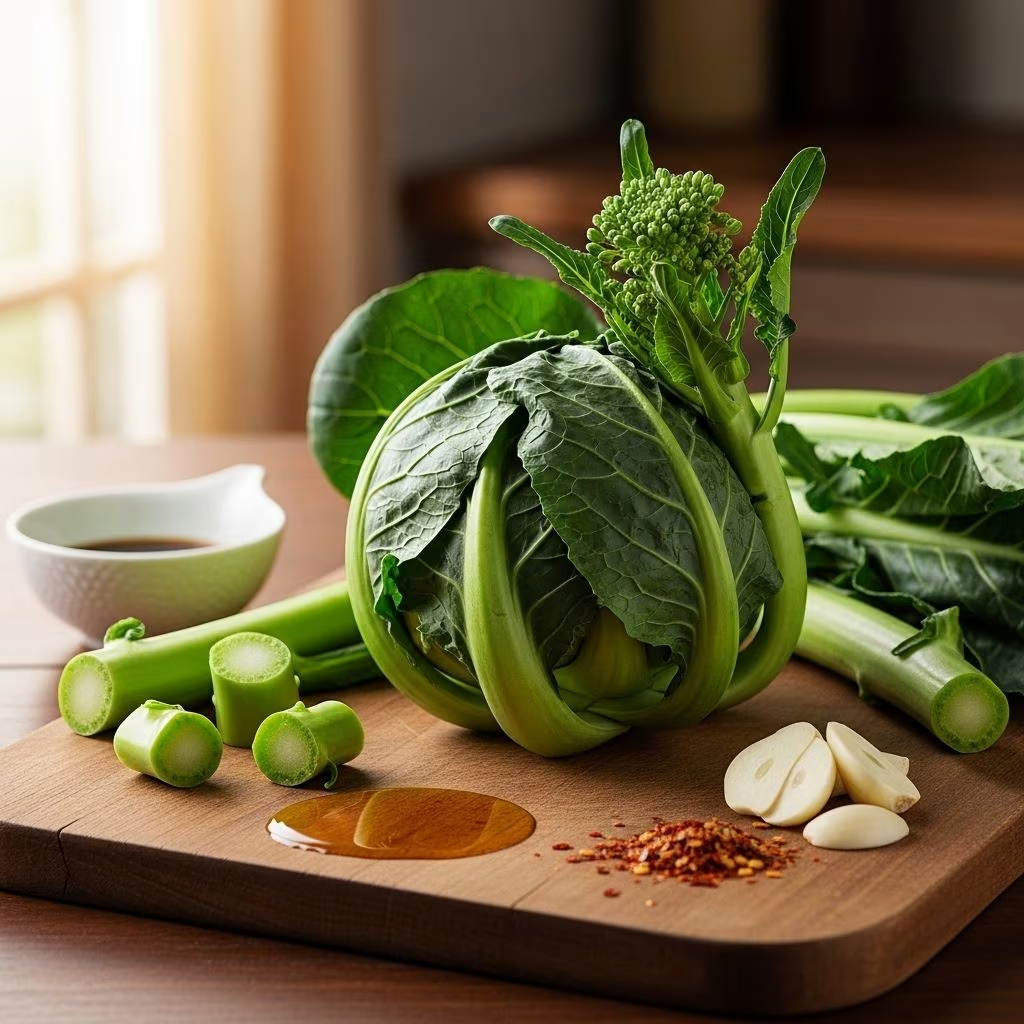
Kai-lan, also known as Chinese broccoli or Chinese kale, is a leafy green vegetable celebrated across Asian cuisines for its unique flavor, rich nutritional profile, and versatility in the kitchen. Whether steamed, stir-fried, or blanched, kai-lan brings an unmistakable taste and health benefits to dining tables around the world. This comprehensive guide explores everything you need to know about kai-lan, from its botanical background and health advantages to how best to enjoy it in your meals.
Introduction to Kai-lan
Kai-lan (Cantonese: 芥蘭, Mandarin: 芥蓝, jièlán) is a well-loved leafy vegetable. Often referred to as Chinese broccoli or Chinese kale in English, kai-lan is a staple in Chinese, Thai, and Vietnamese recipes, admired for its distinctive flavor and hearty texture.
Botanical Profile and Origins
Kai-lan belongs to the species Brassica oleracea var. alboglabra, placing it in the same family as cabbage, broccoli, and kale. It is native to China but has become widely cultivated worldwide due to its culinary popularity and adaptability to diverse climates.
- Family: Brassicaceae (Cruciferae)
- Other Names: Gai lan (Cantonese), Chinese kale, Chinese white kale, Jie Lan (Mandarin), Cai Ro or Cai Lan (Vietnamese), Kana (Thai)
- Cultivation: Cool-season crop, best grown at 18–28°C (64–82°F), but more heat-tolerant than many other brassicas
- Growth: Harvested at 60–70 days after sowing, typically just before flowering for ideal tenderness
Appearance, Flavor, and Texture
What Does Kai-lan Look Like?
- Leaves: Thick, flat, broad, and glossy blue-green, with wavy edges and firm texture
- Stems: Smooth, cylindrical, pale to dark green, thick, and crunchy
- Florets: Small, broccoli-like clusters—much smaller than Western broccoli, sometimes with white or yellow flowers if left to flower
What Does Kai-lan Taste Like?
- Raw: Bitter, strong, slightly sweet undertones
- Cooked: The bitterness mellows, developing a green, vegetal, and subtly bittersweet flavor reminiscent of broccoli but more pronounced
- Texture: When cooked, stems become tender but remain pleasantly crisp; leaves turn tender with gentle wilting
Nutritional Value and Health Benefits
Overview
Kai-lan is a nutritional powerhouse, packed with essential vitamins, minerals, antioxidants, and dietary fiber. Integrating kai-lan into your diet can help support overall health and well-being.
Key Nutrients in Kai-lan
| Nutrition Component | Function/Benefit |
|---|---|
| Vitamin A | Antioxidant; supports eye health, immune system, and skin integrity |
| Vitamin C | Boosts immune system, aids iron absorption, and acts as a powerful antioxidant |
| Vitamin B (incl. Folate) | Essential for red blood cell formation, neurological health, and fetal development during pregnancy |
| Vitamin E & K | Protects cells from damage (E); assists in blood clotting and bone health (K) |
| Dietary Fiber | Aids digestion, prevents constipation, promotes satiety |
| Calcium | Builds strong bones and teeth |
| Iron | Essential for blood health and oxygen transport |
| Potassium | May reduce blood pressure, helps balance body fluids, supports muscle function |
Major Health Benefits
- Antioxidant Properties: Vitamins A and C act to neutralize free radicals, supporting the immune system and reducing the risk of certain cancers
- Pregnancy Support: Folate content helps prevent neural tube defects in developing fetuses
- Digestive Health: High fiber content aids the digestive system, prevents constipation, and creates a sense of fullness
- Bone Health: Source of calcium and vitamin K for bone strength
- Heart Health: Potassium helps regulate blood pressure and supports cardiovascular health
- Low Calorie: Great for weight management due to its low energy density and high satiety factor
Dietitian’s Tip: Light cooking helps preserve kai-lan’s vitamin C content. Steaming or quick stir-frying rather than long boiling is recommended.
Culinary Uses and Cooking Tips
Traditional and Modern Culinary Applications
Kai-lan’s robust stems and tender leaves make it adaptable to a wide range of cooking techniques, from traditional Asian preparations to innovative global cuisine.
- Stir-frying: The most popular method. Sauté in oil (garlic is a classic addition), sometimes with oyster sauce or soy sauce
- Steaming or Blanching: Preserves nutrients and brings out the vegetable’s natural color and tender-crisp texture
- Boiling in Soups or Broths: Adds flavor, fiber, and nutrition to Asian noodle or rice soups
- Including Raw: Young, tender kai-lan can occasionally be sliced thin for use in salads, but it’s more commonly cooked
- Accompanying Proteins: Complements beef, chicken, tofu, seafood, and plant-based proteins
Cooking Tips for Best Results
- Separate thick stems from leaves and cook stems for a minute or two before adding leaves to avoid overcooking
- Avoid overcooking to preserve nutrients, color, and crunch
- Finish with a drizzle of sesame oil or a splash of citrus to brighten flavors
- Combine with ginger, garlic, or chili for aromatic contrast
Similar Vegetables and Comparisons
| Vegetable | Description | Distinct Features |
|---|---|---|
| Kai-lan (Chinese broccoli) | Thick stems, flat leaves, small florets, strong-bitter flavor | Thicker stalks and stronger, more bitter flavor than broccoli |
| Western broccoli | Large clusters of green florets atop slender stalks, mild flavor | Milder, less bitter, more florets, thinner stems |
| Yu choy (Choy sum/菜心) | Thin, tender stalks, smaller leaves, yellow flowers, mustardy flavor | Lighter in texture, pronounced mustard note, not as bitter as kai-lan |
| Gai choy (Mustard green) | Large head-forming, pungent, strong mustard taste | Sharp, peppery bite, not visually similar despite related name |
Seasonality and Selection Tips
- Availability: Grown year-round, peak season is fall to spring
- Selection: Choose bunches with firm, smooth stems and deep green leaves. Avoid open florets or flowering heads as these can indicate tough stems and increased bitterness
- Storage: Keep unwashed kai-lan in a plastic bag in the refrigerator crisper; use within 3–5 days for best quality
Recipes and Serving Suggestions
Classic Preparation: Kai-lan with Oyster Sauce
- Wash and trim tough stem ends
- Separate thick stems from leafy tops (if desired)
- Blanch stems in boiling water with a pinch of salt for 1–2 minutes; add leaves and cook an additional 30–60 seconds until bright green and tender-crisp
- Drain and arrange on a plate, drizzle with oyster sauce and sesame oil
- Top with fried shallots or garlic for added flavor
Stir-fried Kai-lan with Garlic
- Heat oil in a wok, add sliced garlic and stir-fry until fragrant
- Add kai-lan stems, cook 1–2 minutes, then add leaves
- Season with soy sauce, optional splash of stock, cook briefly until tender but crisp
Other Serving Ideas
- Add to noodle stir-fries (e.g., Cantonese chow fun or Thai lad na)
- Toss into brothy soups for added texture and nutrition
- Serve as a base for grilled or roasted meats or tofu
Frequently Asked Questions (FAQs)
Q: Can I eat kai-lan raw?
A: Kai-lan can technically be eaten raw, especially when very young, but is most often cooked for a more pleasant taste and texture.
Q: Are the flowers of kai-lan edible?
A: Yes, the small white or yellow flowers and their buds are edible. However, flowering can signal that the stems are becoming woody and more bitter.
Q: Is there a difference between kai-lan and broccoli?
A: Yes. While they share similar flavors, kai-lan has thicker stems, fewer florets, and a stronger, more bitter flavor. Broccoli is milder and more universally available.
Q: What’s the best way to reduce the bitterness of kai-lan?
A: Blanch or stir-fry the stems briefly, use aromatics like garlic or ginger, and finish with oyster sauce or a lightly tangy dressing to balance bitterness.
Q: Can I freeze kai-lan?
A: While possible, freezing can negatively affect texture. It’s best enjoyed fresh, but blanching before freezing can help maintain quality somewhat.
Conclusion
Kai-lan is more than just a staple vegetable; it’s a nutritional powerhouse with deep cultural roots and exceptional versatility in the kitchen. Its unique flavor and nutrient density make it a smart addition to any diet, whether enjoyed in classic Asian cuisine or as an innovative twist in Western dishes. Next time you visit your local market, pick up a bunch of kai-lan to add flavor, texture, and health benefits to your culinary adventures.
References
- https://www.healthxchange.sg/food-nutrition/food-tips/kai-lan-tasty-easy-healthy
- https://www.diversivore.com/ingredient-pages/gai-lan-chinese-broccoli/
- https://en.wikipedia.org/wiki/Gai_lan
- https://specialtyproduce.com/produce/Gai_Lan_467.php
- https://www.epicgardening.com/growing-chinese-broccoli/
- https://nutrivore.com/foods/chinese-broccoli-nutrients/


