


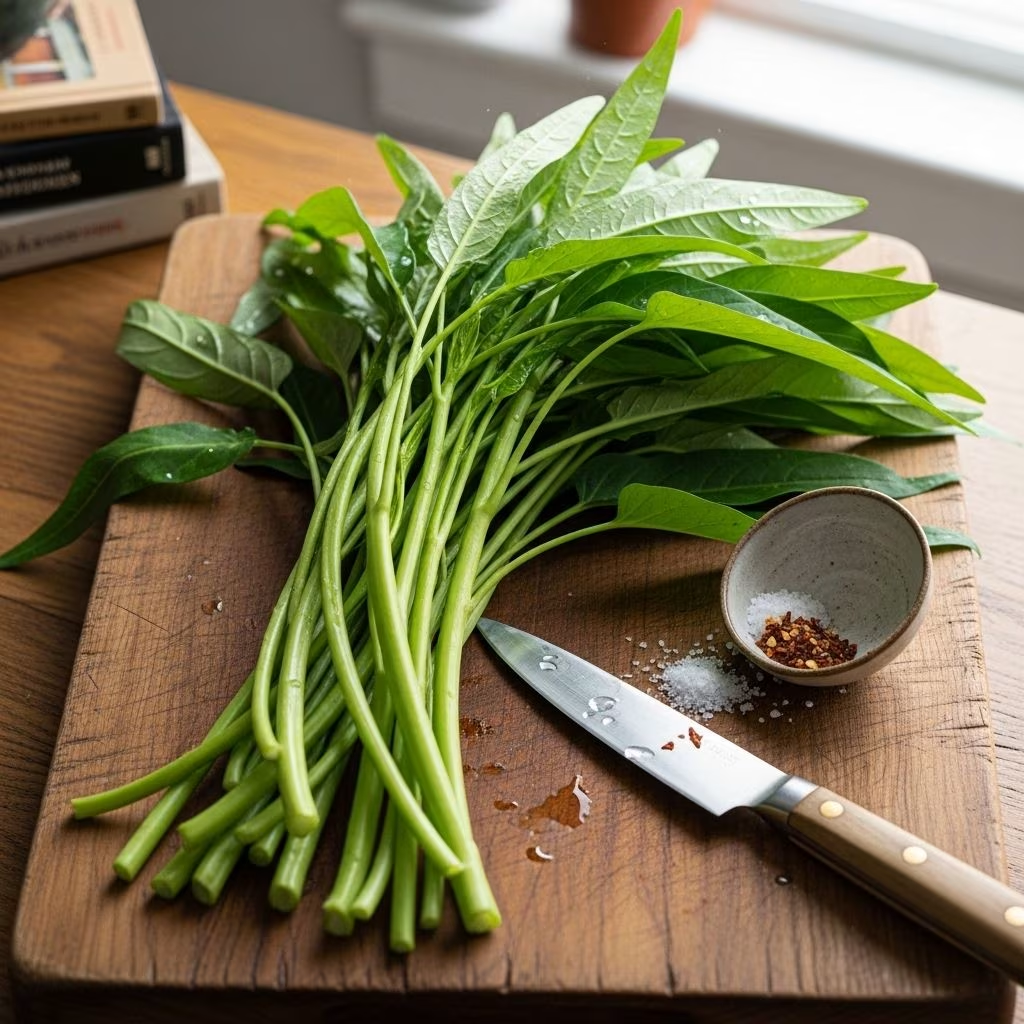
Kangkong—also widely known as water spinach (Ipomoea aquatica)—is a nutrient-rich, fast-growing leafy green that thrives in tropical and subtropical regions. Extensively cultivated and foraged throughout Asia, Africa, and beyond, Kangkong is celebrated for its nutritional value, culinary adaptability, and unique flavor. This article covers everything you need to know about Kangkong, from its botanical origins and health benefits to traditional uses, cooking tips, and its role across various cuisines.
What Is Kangkong?
Kangkong—known by many names including Ong Choy (Chinese), Phak Bung (Thai), and River spinach—is a semi-aquatic vegetable in the Convolvulaceae family, the same botanical family as sweet potato and morning glory . Despite being called “spinach,” it is unrelated to true spinach (Spinacia oleracea) .
- Scientific name: Ipomoea aquatica
- Common names: Water spinach, Swamp spinach, Chinese spinach, Ong Choy, Phak Bung, Kangkong, Kangkung
- Plant type: Fast-growing, vining, aquatic or semi-aquatic herbaceous plant
- Edible parts: Stems and leaves (almost entire plant)
Origin and History
Kangkong is believed to have originated in Southeast Asia, especially in regions such as China, India, and Malaysia, where it has been used for culinary and medicinal purposes for centuries .
- Archaeological records suggest it was utilized as early as 200 BCE in southern Asia .
- It was eventually introduced to Europe and the Americas through trade, migration, and colonial expansion.
- “Kangkong” is a Malay-derived term, also commonly used across the Philippines and Indonesia .
- Kangkong spread globally, especially with the movement of Asian communities in the 19th and 20th centuries.
Botanical Characteristics
Kangkong is a remarkably fast-growing plant, capable of increasing in length by up to 10 centimeters per day under optimal conditions . It can be found growing wild in canals, shallow lakes, rivers, marshes, and paddy fields, as well as cultivated in moist soils and gardens .
- Stems: Thick, hollow, and capable of floating, allowing the plant to spread efficiently across water surfaces.
- Leaves: Range from ovate to lanceolate; leaf stalks are arrow- or heart-shaped and alternately patterned along the stem.
- Roots: Adventitious roots form at the joints, anchoring the plant in water or mud.
- Flowers: Trumpet-shaped, white to pale purple, and attractive to pollinators.
There are two main types of Kangkong commonly cultivated:
- Green stem (Ching Quat): Slim, pointed leaves and stems; prefers moist soil.
- White stem (Pak Quat): Broader leaves and stems; thrives in aquatic environments.
Botanical Classification Table
| Aspect | Details |
|---|---|
| Family | Convolvulaceae |
| Genus | Ipomoea |
| Species | Ipomoea aquatica |
| Edible Parts | Leaves, stems |
| Typical Length | 2–3 meters when mature |
| Growth Rate | Up to 10 cm/day |
Key Nutritional & Health Benefits
Kangkong offers a wealth of nutrients and bioactive compounds, making it a true superfood among leafy greens .
- Rich in vitamins: Contains high levels of vitamin A, vitamin C, and a variety of B vitamins (folate, riboflavin, niacin)
- Essential minerals: An excellent source of iron, calcium, magnesium, and potassium
- Antioxidant content: Provides carotenoids (such as beta-carotene), lutein, and flavonoids that combat oxidative stress
- High in fiber: Supports digestive health and regular bowel movements
- Low in calories: Makes it ideal for weight management diets
Regular consumption of Kangkong may:
- Boost immunity
- Support healthy skin, eyes, and bones
- Aid in detoxification and liver health
- Promote heart health by contributing to normal blood pressure (due to potassium and magnesium content)
- Help prevent iron-deficiency anemia
- Provide anti-inflammatory and anti-diabetic effects (per some ethnobotanical research)
Important note: Like all vegetables, the nutrient content of Kangkong can vary based on growing conditions, soil quality, and preparation methods.
Culinary Uses and Preparation
Kangkong is treasured in Asian cooking for its versatility, tender texture, and mild flavor. Both stems and leaves are used, and the entire plant cooks quickly, making it ideal for fast, nutrient-dense meals.
- Stir-fries: The most popular preparation method. Kangkong is quickly sautéed with garlic, chili, shrimp paste, or soy sauce.
- Soups: Added to broths, especially in Filipino “sinigang” or Thai “canh chua”.
- Salads: Young, tender shoots may be used raw or briefly blanched.
- Curry dishes: Incorporated into coconut milk or spicy curries across Malaysia and Indonesia.
- Hotpots and stews: Added for green, tender flavor and texture.
Some classic dishes include:
- Adobong Kangkong (Philippines): Kangkong in a savory soy and vinegar sauce.
- Kangkung Belacan (Malaysia/Singapore): Stir-fried with spicy shrimp paste.
- Phak Bung Fai Daeng (Thailand): Quick-fried with garlic and chilies.
- Kangkong with Garlic (China): Simple, aromatic stir-fry.
Basic Preparation Tips
- Wash Kangkong thoroughly, as stems can trap dirt or grit.
- Trim tough ends; separate thick stems from leaves if cooking en masse.
- Cook rapidly (stir-fry, blanch, or steam) to preserve nutrients and crisp-tender texture.
- Add stems to the pan a minute ahead of the leaves for even doneness.
Taste and Texture Profile
Kangkong is renowned for its uniquely mild, subtly sweet, and earthy flavor with hints of nuttiness, especially in younger shoots. The plant absorbs surrounding seasoning well, making it a favorite vehicle for bold, aromatic sauces and ingredients.
- Leaves: Tender and slightly silky; similar to spinach but milder.
- Stems: Crisp and hollow, providing satisfying bite when freshly cooked.
- Overall: Not at all bitter; both children and adults typically enjoy Kangkong’s soft green aroma and taste.
Kangkong in Global Cuisines
Kangkong plays a central role in many Asian diets, celebrated for its flavor, nutritional value, and adaptability in both street food and fine dining.
- Filipino Cuisine: Eaten in stews, sautéed with garlic, or as part of vegetable platters (“pinakbet”).
- Chinese Cuisine: Called “Ong Choy” and prominent in Cantonese stir-fries, often with fermented tofu or preserved bean curd.
- Thai Cuisine: Known as “Phak Bung,” served in spicy, tangy salads and stir-fried with seafood or beans.
- Malaysian/Singaporean Cuisine: “Kangkung Belacan” is an iconic dish combining the vegetable with pungent shrimp paste.
- Vietnamese Cuisine: Boiled or stir-fried then served with dipping sauces, or added to noodle soups.
Its spread across continents has also led to modern global fusion dishes, such as:
- Kangkong pesto pastas
- Green smoothies and fresh salads for health-conscious eaters
- Creamed Kangkong, inspired by Western-style creamed spinach recipes
How to Buy and Store Kangkong
- Availability: Fresh Kangkong is widely available in Asian grocery stores, farmers’ markets, and some supermarkets, especially in regions with significant Asian communities.
- Selection tips: Look for vibrant green leaves and moist, crisp stems without brown spots or excessive wilting.
- Storage: Best used soon after purchase. Store unwashed Kangkong in the refrigerator crisper drawer wrapped loosely in a damp paper towel; use within 2–3 days for peak flavor and texture.
Potential Risks and Considerations
- Invasive species: In some tropical climates, Kangkong can escape cultivation and become ecologically invasive, outcompeting local flora .
- Health safety: Wild-harvested Kangkong from contaminated water sources may harbor parasites (like liver flukes) or pollutants. Always ensure it comes from trusted, clean sources, and cook thoroughly.
- Nitrite content: As with many leafy greens, Kangkong contains nitrates, generally safe for healthy individuals but excessive intake should be avoided for infants and certain sensitive groups.
Frequently Asked Questions (FAQs)
Q: Is Kangkong the same as spinach?
No: Kangkong (Ipomoea aquatica) is botanically unrelated to conventional spinach (Spinacia oleracea). The common name “water spinach” refers only to its use as a leafy vegetable .
Q: Can you eat Kangkong raw?
Yes, young leaves and tender stems can be eaten raw in salads, but Kangkong is most commonly cooked to enhance flavor, texture, and food safety.
Q: How does Kangkong differ from morning glory?
Although both belong to the Ipomoea genus, Kangkong is cultivated as an edible vegetable, whereas morning glory varieties are mainly decorative and not considered edible.
Q: Is Kangkong safe during pregnancy?
If properly washed and prepared from clean, safe sources, cooked Kangkong is generally regarded as safe and nutritious for pregnant women. Consult with your healthcare provider for personal guidance.
Q: Why is Kangkong banned or regulated in some places?
As an aggressive grower, Kangkong is listed as a noxious weed in some regions like Florida, USA, due to its potential to disrupt local ecosystems . Its sale and cultivation may be restricted in certain areas—always check local guidelines.
Q: What nutrients make Kangkong a superfood?
Kangkong’s high levels of vitamin A, vitamin C, minerals (iron and calcium), fiber, and natural antioxidants place it among the most nutritious greens available .
Conclusion
Kangkong, or water spinach, is a global leafy green beloved for its nutrition, adaptability in recipes, and appealing flavor. Whether stir-fried, boiled, or added to soups, Kangkong offers an accessible way to enhance everyday meals and promote overall well-being. When selecting Kangkong, always choose fresh, vibrant bunches from trustworthy sources to get the best in nutrition and taste.
References
- https://specialtyproduce.com/produce/Water_Spinach_3132.php
- https://ethnobotanyjournal.org/index.php/era/article/download/125/110/450
- https://plantura.garden/uk/vegetables/water-spinach/water-spinach-overview
- https://worldcrops.org/crops/water-spinach/index.html
- https://fsus.ncbg.unc.edu/main.php?pg=show-taxon-detail.php&taxonid=35031
- https://www.cabidigitallibrary.org/doi/full/10.1079/cabicompendium.28781
- https://mylittlethoughtslane.in/2025/05/30/edible-greens-series-water-spinach-ipomoea-aquatica/
- https://cpu.edu.ph/news/kangkong-the-edible-healthy-vegetable-6th-of-a-series/


