


Karonda: The Tangy Berry Transforming Health, Cuisine, and Sustainable Living
Karonda (Carissa carandas), often called the Indian cranberry, is a small, tart berry revered for both its culinary versatility and its notable health benefits. This robust, drought-resistant shrub is a staple in traditional gardens and kitchens throughout South Asia and Africa, yet remains largely under-appreciated globally. In this comprehensive guide, we unravel every facet of karonda, from its botanical profile to its nutritional riches, unique taste, application in cuisine, medicinal value, and its significance in ecosystem sustainability.
Introduction to Karonda
Karonda, known botanically as Carissa carandas, is a fruit-bearing shrub native to the subtropical and tropical regions of Asia, Africa, and Southeast Asia. Despite its regional abundance in countries like India, Bangladesh, and Thailand, karonda remains a rare and cherished ingredient in local markets across Malaysia and Indonesia. Its durable, thorny branches and resilient nature make it valuable for use as natural fencing and ecosystem support plants. Karonda’s regional names include Bengal Currant, Kerenda, Kerendang, Buah Renda, Samarinda fruit, Namdaeng, and Nam Phrom, reflecting its widespread footprint and cultural relevance .
Karonda Botanical Overview
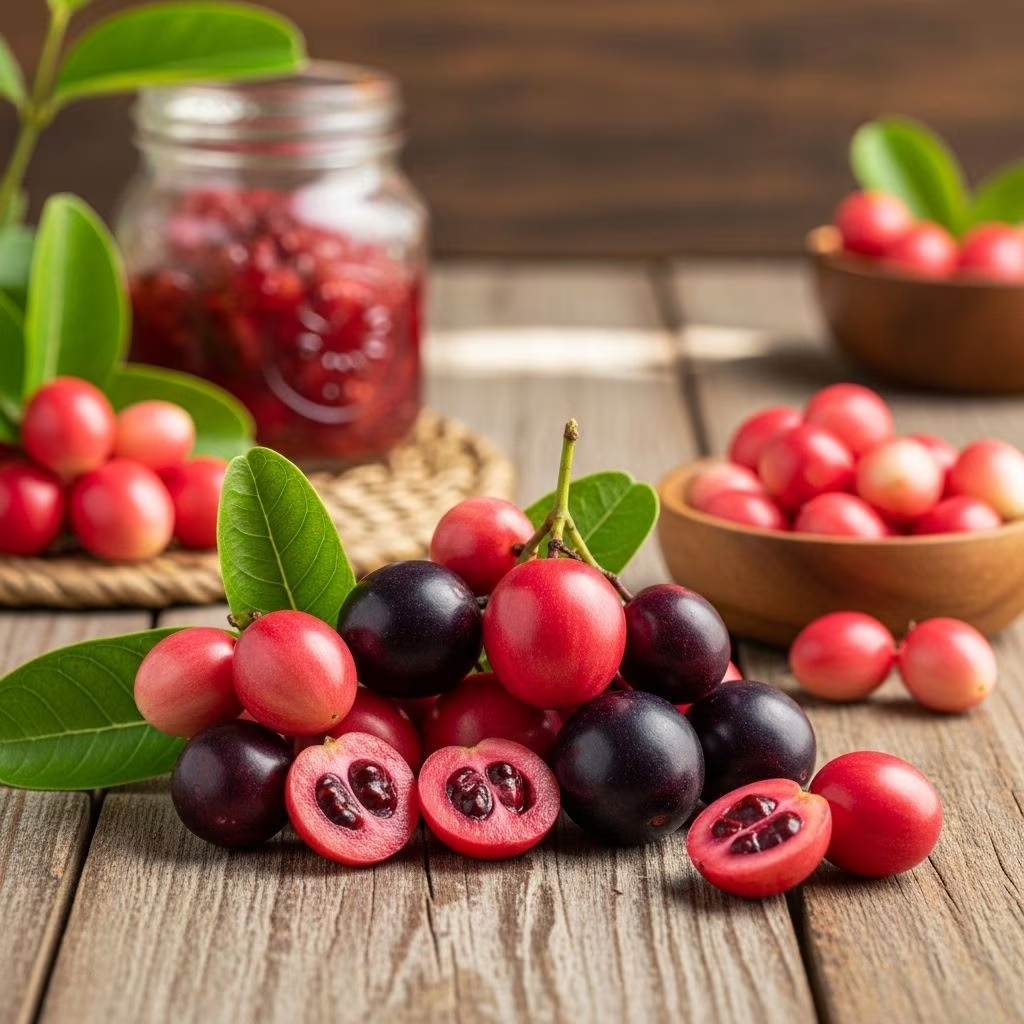
Karonda shrubs are woody, thorny, and highly adaptable, thriving in arid and rocky soils with minimal moisture. Berries grow in clusters, ranging from 1 to 3 centimeters, and progress through a striking color spectrum—beginning green or white, ripening to vivid red-pink, and maturing to deep purple or nearly black. The thin, tough skin transforms from glossy and taut to gently wrinkled as the berry ripens, encasing a soft, aqueous flesh filled with brown seeds .
- Family: Apocynaceae
- Species: Carissa carandas
- Growth Form: Thorny shrub, often used for hedging
- Fruit Shape & Size: Oval to ovoid, 1–3 cm long
- Ripening Cycle: Greenish-white to dark purple
- Season: Summer through early fall
Nutritional Profile of Karonda
Karonda is densely packed with essential nutrients, offering considerable value for both health and traditional medicine. It stands out as an exceptional source of iron, critical for blood oxygenation and anemia prevention. The berries also provide abundant Vitamin C, supporting immunity, collagen synthesis, and anti-inflammatory effects. Other key nutrients include Vitamin A, calcium, phosphorus, B vitamins (notably B1, B2), dietary fiber, protein, carbohydrate, and healthy fats .
| Nutrient | Function | Karonda Contribution |
|---|---|---|
| Iron | Red blood cell production; prevents anemia | High source |
| Vitamin C | Immunity; collagen formation; reduces inflammation | High source |
| Vitamin A | Eye and skin health | Moderate source |
| Calcium | Bone health | Moderate source |
| Phosphorus | Cell function; energy | Moderate source |
| Dietary Fiber | Digestive health; cholesterol control | Excellent source |
| B vitamins (B1, B2) | Energy; metabolic processes | Present |
Health Benefits of Karonda
- Boosts Immunity: Rich in Vitamin C and antioxidants, karonda supports immune defense against infections.
- Improves Digestion: Soluble dietary fiber eases bowel movement and reduces cholesterol, contributing to gut health .
- Prevents Anemia: High iron content makes karonda effective for improving hemoglobin levels and combating iron deficiency .
- Anti-inflammatory Properties: Traditionally used for lowering inflammation and treating conditions like colds and flu.
- Antioxidant Power: Helps neutralize harmful free radicals, reducing the risk of chronic diseases.
- Sugar Control: Used in traditional medicines to help manage blood glucose .
- Supports Heart and Bone Health: Contains calcium and vitamin A for overall wellness.
Culinary Uses and Applications
Karonda’s bold, sour flavor and vibrant juices make it a coveted ingredient, especially in South Asian cooking. Its versatility shines across sweet and savory preparations, and each stage of ripeness unlocks new culinary possibilities :
- Pickles: Young berries are commonly pickled, their tartness mellowed with spices.
- Jams and Chutneys: Karonda’s natural pectin and acidity make it ideal for preserves and tangy chutneys.
- Jellies: Cooked into vibrant, flavorful jellies that pair well with breads and yogurts.
- Baked Goods: Used as tart fillings in pies and tarts to balance sweetness.
- Savory Dishes: Mixed into curries, stews, and stir-fried vegetable dishes for a sour punch.
- Raw Consumption: Fresh berries are eaten in Thailand with sugar, salt, or chili powder to temper sourness.
- Condiments: Pickled karonda as a condiment with Indian meals.
- Beverages: Pressed for juice to make syrups, fruit punches, smoothies, and cocktails; juice’s brilliant red color appeals in food presentation.
Karonda pairs favorably with a range of aromatic spices (turmeric, curry powder, cloves, mustard seed) and ingredients like ginger, garlic, and onions. The tart flavor is often balanced by soaking the fruit in salted water or by cooking with sweeteners.
Taste Profile and Flavor
Karonda’s flavor is both an asset and a challenge. Its primary profile is distinctly tart, sour, bitter, and acidic—often compared to cranberries and sour cherries—with mild herbal sweetness in fully ripe berries . The intensity varies with the berry’s age, the growing environment, and local culinary interpretation. Unripe fruits skew more acidic and bitter; ripening brings out subtle sweetness and astringency. Because some fresh berries are intensely sour, they’re often treated or paired with sugar or salt before eating raw.
- Unripe Karonda: Sharp, bitter, very sour
- Semi-ripe: Intense tartness with astringent undertones
- Fully ripe: Mild sweetness, sour, a hint of herbal aroma
Besides raw consumption, the berry’s robust tartness finds harmony in preserves, savory curries, and sweet desserts, earning karonda its reputation as nature’s flavor enhancer.
Cultivation and Sustainable Living
Karonda’s low-maintenance requirements and drought resistance make it a favorite among gardeners, farmers, and environmentalists. Thriving in sandy, rocky soils, karonda endures harsh climates and poor water availability, proving resilient and rewarding. Its thick, thorny branches serve as natural fences, deterring intruders and animals, while its foliage and fruit provide habitat and nourishment for local fauna .
- Drought Tolerance: Minimal irrigation needs; ideal for arid regions
- Biodiversity Support: Attracts pollinators and birds
- Soil Conservation: Prevents soil erosion and improves soil structure
- Eco-Friendly Fencing: Dense, thorny growth for natural barriers
Karonda shrubs multiply ecosystem benefits while delivering nutritious fruit yields, making them a sustainable choice in home gardens and agroforestry projects.
Traditional Medicinal Uses
Karonda is deeply woven into the tapestry of Ayurvedic and folk medicine. Fruit, leaves, roots, and even latex have been utilized for centuries to address various ailments .
- Digestive Aid: Used to alleviate indigestion and gastrointestinal problems.
- Blood Sugar Regulation: Leaves and fruit extracts employed in traditional therapies for diabetes.
- Wound Healing: Leaf poultices applied to minor wounds and inflammation.
- Antipyretic & Antiseptic: Berries and leaves used to treat fever and fight off infections.
- Treatment for Anemia: Iron-rich fruit prescribed for anemia, especially in traditional Asian remedies.
- Anti-flu & Cold Remedies: Used to boost immune response and manage ailments.
These uses, while steeped in tradition, are being increasingly validated by modern research focused on the plant’s antioxidant and anti-inflammatory capacities.
Environmental Impact and Landscaping
Beyond its edible and medicinal roles, karonda contributes positively to landscape ecology. Its adaptability and persistent growth anchor eroding soils and enable the creation of natural windbreaks. In horticulture, karonda’s brilliant fruits and evergreen leaves lend color and form to gardens. The shrub supports biodiversity, providing food and shelter for birds, insects, and other wildlife .
- Soil Improvement: Roots stabilize and replenish poor soil
- Pest Resistance: Few pest issues; thorny defense against browsing animals
- Pollinator Friendly: Attracts bees and butterflies for better crop yields
- Evergreen Beauty: Decorative foliage and fruit for creative landscaping
Frequently Asked Questions (FAQs)
Q: What is the best way to eat karonda?
Karonda can be consumed fresh (with sugar, salt, or chili powder for balance), pickled, made into jams, chutneys, or jellies, or added to curries and baked goods. Its raw tartness is often mellowed by cooking or pairing with other flavors .
Q: What are some traditional medicinal uses of karonda?
Karonda is used in Ayurveda to manage anemia, sore throat, indigestion, and inflammation. Leaf and fruit extracts are prescribed for their antipyretic, antiseptic, and wound-healing qualities .
Q: Where does karonda grow best?
It thrives in arid and semi-arid climates, sandy or rocky soils, and areas with low rainfall, making it ideal for drought-prone regions and sustainable gardens .
Q: How should karonda be stored?
Whole, ripe fruits will keep for 3–4 days in the refrigerator. They begin to shrivel as freshness decreases; young fruits can be pickled to extend shelf life .
Q: Why is karonda called the “Indian cranberry”?
The moniker comes from its sour taste, vibrant red color, and versatile culinary uses, paralleling how cranberries are enjoyed in Western cuisine .
Q: Is karonda commercially cultivated?
Most karonda is wild-foraged or grown in home gardens; it is rarely cultivated on commercial scale, which contributes to its local market rarity in some regions .
Conclusion
Karonda stands out as an impressive fusion of nutrition, medicinal value, culinary delight, and environmental benefit. From its role in traditional healing and cuisine to its sustainable gardening applications, this tart berry deserves greater recognition both regionally and globally. By integrating karonda into diets and landscapes, communities can leverage its potent health benefits, ecological resilience, and lively flavor—all while embracing a heritage fruit that offers much more than meets the tongue.
References
- https://specialtyproduce.com/produce/Karonda_Fruit_20726.php
- https://justagriculture.in/files/magazine/2021/october/004%20Karonda.pdf
- https://growbilliontrees.com/blogs/tree-stories/karonda-tree-the-tangy-treasure-revolutionizing-health-cuisine-and-sustainable-living
- https://www.tdu.edu.in/post/karonda-an-ingredient-for-food-and-medicine
- https://en.wikipedia.org/wiki/Carissa_carandas
- https://pmc.ncbi.nlm.nih.gov/articles/PMC10630836/
- https://www.foodsciencejournal.com/assets/archives/2020/vol5issue4/5-1-13-224.pdf


