


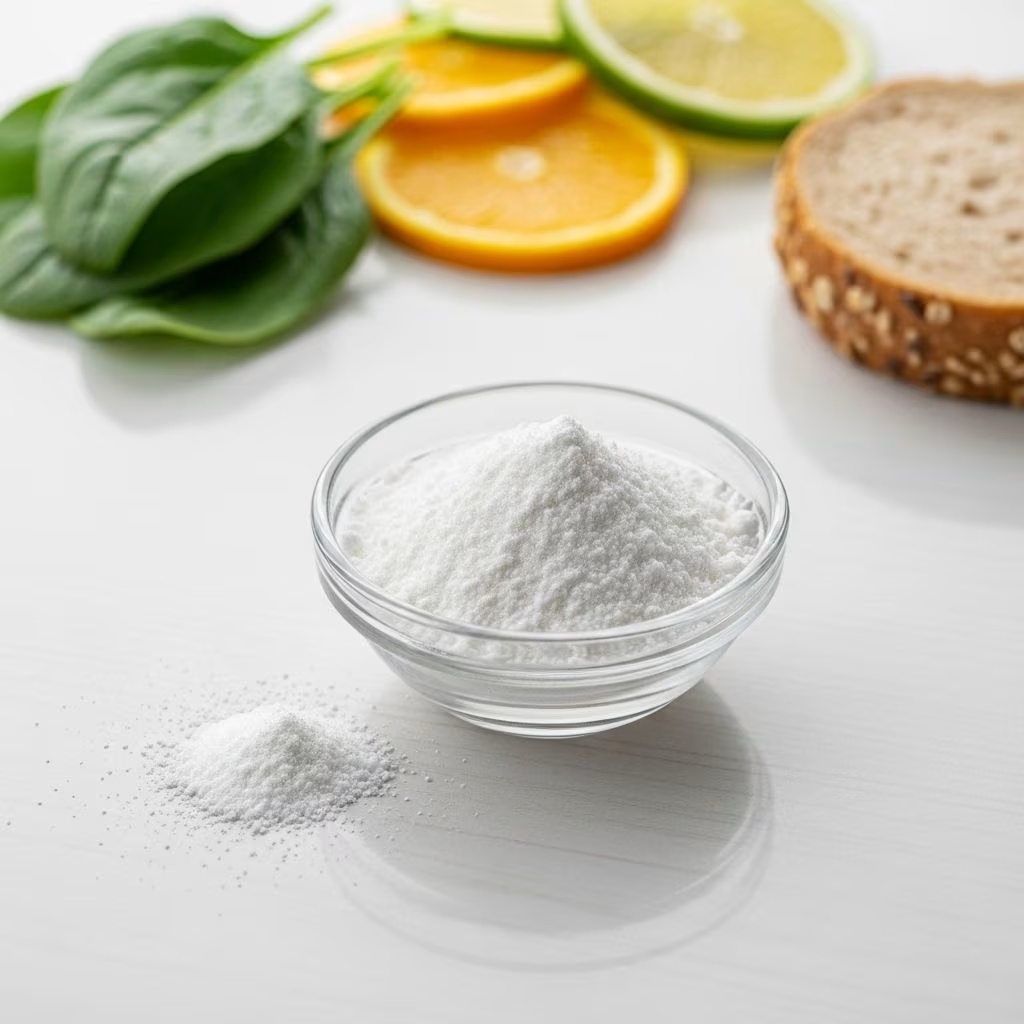
Inositol is a fascinating, naturally occurring carbohydrate that is often classified with B vitamins, but technically, it is a unique type of sugar with wide-ranging biological roles. As research into nutrients’ impacts on wellness advances, inositol has emerged as an important compound with promising benefits for metabolic health, mood, reproductive function, and more. This guide dives deep into the science, uses, benefits, and practical aspects—including taste—of this versatile nutrient.
What is Inositol?
Inositol refers to a group of naturally occurring compounds found in human cells and many foods. Despite being called vitamin B8 in some circles, it is not officially recognized as a vitamin because the human body can synthesize it from glucose. Chemically, inositol is classified as a cyclic sugar alcohol with structural similarities to glucose.
Key points about inositol:
- Essential for forming cell membranes (phospholipids).
- Acts as a precursor for second messengers in cellular communication.
- Found in all animal tissues, especially the heart and brain.
- Exists in nine different stereoisomeric forms.
Types of Inositol
There are nine possible forms (stereoisomers) of inositol. The two most prominent and biologically active forms:
- Myo-inositol: The most abundant and researched; involved in many metabolic and hormonal processes.
- D-chiro-inositol: Plays important roles in insulin signaling; often paired with myo-inositol in supplements for metabolic and reproductive health.
| Form | Main Functions | Clinical Relevance |
|---|---|---|
| Myo-inositol | Cell signaling, membrane structure | PCOS, fertility, mental health |
| D-chiro-inositol | Insulin signaling, carbohydrate metabolism | Metabolic syndrome, blood sugar regulation |
Physiological Roles of Inositol
Inositol is essential for multiple biochemical processes in the human body:
- Cell membrane integrity: Helps build phosphatidylinositol, a crucial cell membrane component.
- Cellular messaging: Involved in intracellular signaling, particularly through roles as a second messenger for insulin and certain neurotransmitters.
- Neurotransmitter modulation: Influences the activity of chemical messengers like serotonin, dopamine, and norepinephrine.
- Hormonal balance: Plays a role in modulating hormones such as insulin and those related to female reproductive health.
Evidence-Based Health Benefits
Research over the last two decades suggests inositol supplementation may offer benefits for specific health conditions:
1. Support for Mental Health and Anxiety Disorders
- Inositol impacts the production and activity of serotonin, a regulator of mood, anxiety, and behavior.
- Multiple studies indicate high-dose inositol (often 12-18g daily) may reduce frequency and intensity of panic attacks, particularly in people who do not respond to standard medications.
- Some research supports inositol’s ability to improve symptoms of obsessive-compulsive disorder (OCD) and depression. However, results for post-traumatic stress disorder (PTSD) are less consistent.
- Inositol appears to have fewer side effects than certain psychiatric drugs, making it an appealing adjunct or alternative.
2. Benefits for Metabolic Syndrome and Insulin Resistance
- Metabolic syndrome combines several risk factors—high blood pressure, excess belly fat, and high blood sugar—that contribute to diabetes and heart disease.
- A long-term study in postmenopausal women with metabolic syndrome reported that one year of inositol supplementation improved most risk factors, and 20% of participants no longer met the syndrome criteria.
- Inositol (especially myo-inositol and D-chiro-inositol) enhances insulin sensitivity and helps regulate blood sugar, important for managing type 2 diabetes and pre-diabetes.
3. Gestational Diabetes Prevention
- Women at risk for gestational diabetes (diabetes in pregnancy) who took inositol were less likely to develop the disorder and less frequently needed insulin therapy.
4. Skin and Hair Health
- Emerging evidence suggests inositol supports healthy hair growth, possibly reducing hair loss and improving texture.
- Traditional remedies such as rice water rinses claim benefits partly due to inositol content.
- Those with underlying skin conditions (e.g., dermatitis) should consult a healthcare professional before topical use.
5. Psoriasis Management (Lithium-Induced)
- Among individuals taking lithium for bipolar disorder, inositol may alleviate associated psoriasis.
- Not effective for other forms of psoriasis.
6. Sleep Quality
- Preliminary trials in pregnant women suggest that inositol supplementation may improve sleep quality.
- The role of inositol in sleep may be linked to its support for mood and nervous system balance.
Inositol in Polycystic Ovary Syndrome (PCOS)
PCOS is a common hormonal disorder affecting at least 1 in 10 women of reproductive age. It is characterized by:
- Irregular menstrual cycles
- Elevated levels of male hormones (androgens)
- Insulin resistance
- Increased risk of infertility
Inositol’s mechanisms for PCOS relief include:
- Improving insulin sensitivity as effectively as metformin, a first-line diabetes drug
- Lowering blood sugar and reducing BMI
- Promoting regular ovulation and restoring menstrual cycles
Research summarizing numerous studies finds inositol to be safe and effective—often with fewer side effects than metformin.
Inositol and Mental Health: Anxiety and Beyond
Besides benefits in PCOS and metabolic health, inositol’s effects on mental health are increasingly recognized:
- Panic Disorders: High doses have decreased panic attack frequency better than fluvoxamine, a standard medication.
- Obsessive-Compulsive Disorder (OCD): Shown improvement in severity scores in clinical trials.
- Depression: Inositol may act as an adjunct to antidepressants, but more research is needed.
- Bipolar Disorder: Emerging studies in children suggest benefit when paired with omega-3s. Results in adults are inconsistent.
Other Health Uses of Inositol
- Potential adjunct in Alzheimer’s disease, ADHD, insomnia, bulimia, diabetic neuropathy, PMS, and as a cancer preventive, though supporting evidence is preliminary.
- Used as a dietary supplement to potentially improve cholesterol balance and liver health.
- Sometimes included in “nootropic” or brain support supplement blends for its cellular signaling and neurochemical effects.
Dosage, Safety & Side Effects
Inositol is generally regarded as safe by the FDA when consumed at typical supplemental doses. Common effective dosages used in research range from 2 grams to 18 grams daily, depending on the indication and formulation.
- Common side effects: Gastrointestinal symptoms like nausea, gas, and diarrhea, especially at higher doses (>12 grams per day).
- Special populations:
- Pregnant/breastfeeding women: Generally regarded as safe but should consult a healthcare provider before use.
- People with bipolar disorder: Should use with medical supervision due to potential mood effects.
- No significant drug interactions have been well documented, but those on existing medications or with chronic conditions should seek professional advice before starting inositol supplementation.
Food Sources of Inositol
While the body can make its own inositol, additional amounts can be obtained from the diet. Myo-inositol is especially abundant in many plant and animal foods:
- Fruits: oranges, cantaloupe, bananas
- Beans and lentils
- Whole grains: brown rice, oats, bran
- Seeds and nuts
- Vegetables: green leafy veggies
- Animal sources: organ meats, especially heart and brain
Most people consuming a varied diet get enough inositol for basic needs. However, research trials showing benefits for specific conditions often use supplemental doses far above dietary intake.
Taste Profile: What Does Inositol Taste Like?
One practical question for those considering inositol supplementation is its taste profile. Pure crystalline inositol:
- Has a mildly sweet taste, less intense than table sugar (sucrose).
- Lacks bitterness; there is no metallic or chemical aftertaste.
- Readily dissolves in water, making it suitable for mixing into beverages or smoothies.
- Does not affect the flavor of food or drink significantly at supplement dosages.
This pleasant taste characteristic makes inositol easy to consume in powder form, even in higher doses for clinical applications.
Frequently Asked Questions (FAQs)
Q: Is inositol the same as a B vitamin?
A: Inositol is sometimes called vitamin B8, but this is a misnomer. The human body can synthesize inositol, so it is not considered a true vitamin.
Q: Can men use inositol supplements?
A: Yes, inositol benefits both men and women, with research focusing on metabolic, mood, and sperm health (motility improvement) in men.
Q: How long does it take to notice benefits?
A: Benefits for mood, anxiety, and reproductive health may appear after weeks of consistent use, though individual results vary and some may need longer.
Q: Is inositol safe for long-term usage?
A: Clinical studies have used inositol daily for up to a year without significant issues. Stomach upset is the main risk at high doses. Always consult a healthcare provider for ongoing use, especially in pre-existing conditions.
Q: Does inositol interact with medications?
A: There are no widely known adverse drug interactions, but professional guidance is advised if you are on medications for psychiatric, hormonal, or metabolic conditions.
Key Takeaways
- Inositol is a natural sugar alcohol essential for cell structure, messaging, and hormone regulation.
- It is effective for PCOS, certain anxiety disorders, metabolic syndrome, and has a strong safety profile.
- Most benefits are realized at higher supplemental doses; dietary intake supports basic health.
- The taste is mildly sweet and easy to incorporate into daily routines.
This extensive scientific and practical review demonstrates that inositol is more than just another dietary supplement—it’s a multifunctional compound with potential to improve well-being for diverse populations.
References
- https://www.healthline.com/nutrition/inositol-benefits
- https://www.webmd.com/diet/health-benefits-inositol
- https://www.medicalnewstoday.com/articles/inositol
- https://www.ebsco.com/research-starters/complementary-and-alternative-medicine/inositol-dietary-supplement
- https://my.clevelandclinic.org/health/drugs/25173-inositol
- https://pmc.ncbi.nlm.nih.gov/articles/PMC7554709/
- https://www.healthline.com/nutrition/inositol
- https://www.peacehealth.org/medical-topics/id/hn-2866006


