


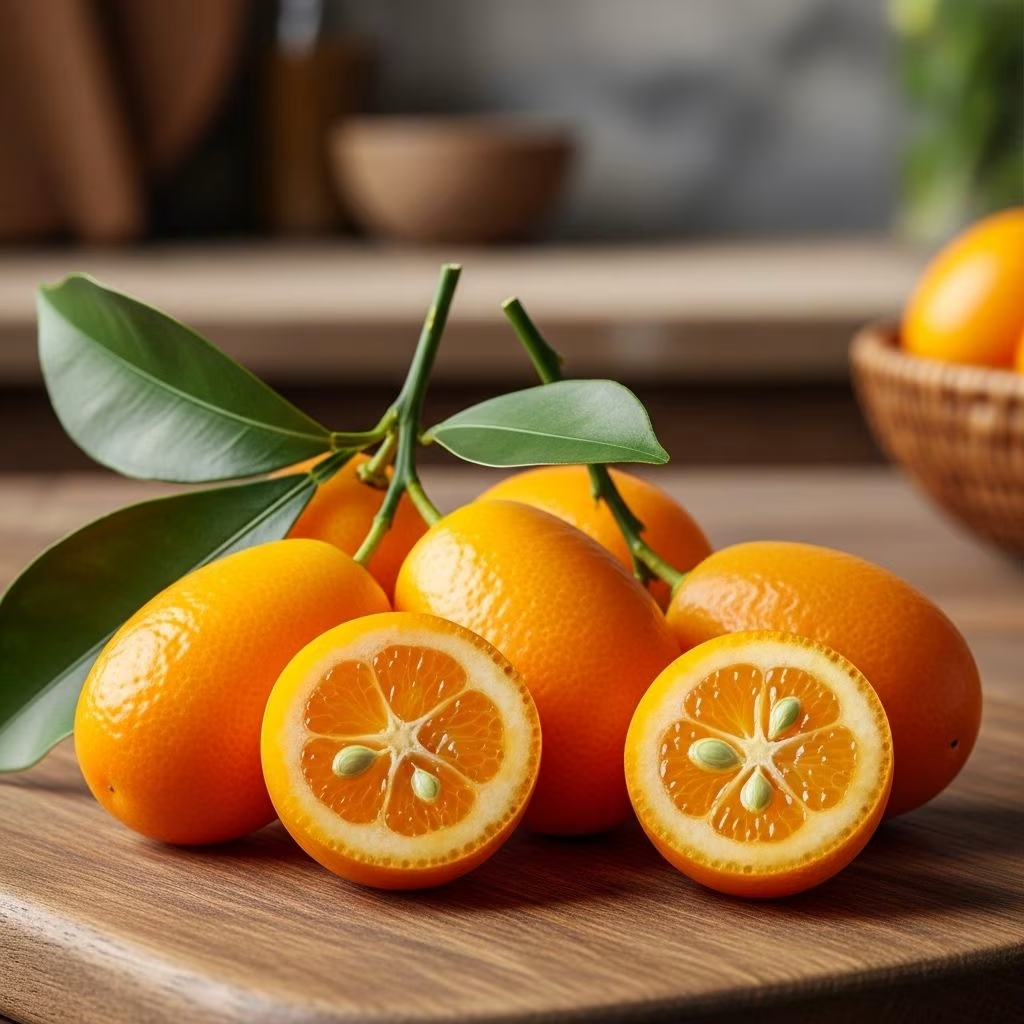
Kumquats are small, vibrant citrus fruits that stand out among their citrus cousins for their distinct sweet-tart flavor, exceptional nutritional content, and surprising versatility in the kitchen. This article delves deeply into what kumquats are, their physical characteristics, health benefits, culinary uses, taste profile, and more—equipping you with everything you need to know about this fascinating fruit.
Introduction to Kumquats
The kumquat is a unique member of the citrus family, prized for its edible skin, small size, and robust flavor. Unlike traditional citrus fruits, which are typically peeled and eaten for their juicy flesh, kumquats are commonly consumed whole—skin and all. They have long been celebrated not just as a refreshing snack, but also as a powerhouse of nutrition and a versatile ingredient in both sweet and savory dishes.
Botanical Origin and History
Kumquats are native to East Asia and have a storied history. Their scientific name is Citrus japonica, though they are also known under the botanical genus Fortunella. The fruit was brought to Europe in the mid-19th century by the English botanist Robert Fortune, from whom the genus name is derived. Today, kumquats are cultivated in many warm-temperate regions worldwide, including China, Japan, Southeast Asia, the Mediterranean, and parts of the United States, such as California and Florida.
Physical Description
- Size: Kumquats are notably small for citrus fruit, measuring about 2.5–5 centimeters (1–2 inches) in diameter.
- Shape: Usually oval or round, depending on the cultivar.
- Color: The skin is glossy and bright orange or yellowish-orange when ripe.
- Texture: Thin, sweet, edible skin with a slightly tougher, firmer pulp that has fewer seeds compared to other citrus fruit.
- Tree characteristics: The trees are evergreen, compact (often 2.5–4.5 meters), with dense branches. Some varieties have small thorns.
Nutritional Profile of Kumquats
Kumquats pack a lot of nutrition into their small size. They are particularly notable for:
- Vitamin C: High levels, boosting immune health and skin vitality.
- Fiber: A considerable amount due to the edible peel, aiding digestion.
- Antioxidants: Rich in flavonoids and carotenoids, which help combat cell damage.
- Healthy fats: Seeds contain omega-3 fatty acids.
- Micronutrients: Good source of vitamin A, calcium, potassium, and small amounts of B vitamins.
- Low in calories: A healthy option for those watching their weight.
Health Benefits of Kumquat
Owing to their nutritional richness, kumquats offer several noteworthy health benefits:
- Immune System Support: The high vitamin C content acts as a powerful antioxidant, bolstering the body’s defenses against infections and fostering overall health.
- Digestive Health: The edible peel and pulp are high in fiber, which helps maintain healthy digestion, alleviates constipation, and regulates bowel movements.
- Heart Health: Fiber, antioxidants, and nutrients like potassium support cardiovascular function and help reduce cholesterol and blood pressure.
- Eye Health: Vitamin A and carotenoids help protect vision and reduce the risk of eye diseases such as cataracts.
- Weight Management: Low calorie content and high fiber help you feel longer-lasting satiety, which supports weight control.
- Bone Health: Provides calcium and vitamin C, both important for bone development and strength, potentially reducing osteoporosis risks.
- Antioxidant Protection: Polyphenols, flavonoids, and vitamin C help the body fight oxidative stress and inflammation.
- Mood Regulation: Emerging research suggests vitamin C may help manage stress, anxiety, and depression.
Summary Table: Nutritional Content (Per 100g Kumquats)
| Nutrient | Content |
|---|---|
| Calories | ~71 kcal |
| Vitamin C | ~43.9 mg (49% DV) |
| Fiber | 6.5 g (26% DV) |
| Vitamin A | 15% DV |
| Calcium | 62 mg (6% DV) |
| Potassium | 186 mg |
DV = Daily Value. Actual values may vary slightly by source and variety.
How to Eat Kumquat
The kumquat is among the few citrus fruits that are traditionally eaten whole:
- No peeling needed: The skin is thin, sweet, and edible, providing both flavor and fiber.
- Balanced flavor: The peel delivers sweetness, while the pulp inside adds tartness.
- Wash thoroughly: Before eating, rinse kumquats to remove any residues.
- Optional preparation: Roll the fruit gently between your fingers to release oils from the skin, which enhances the aroma and flavor before you bite in.
- Seeds: Seeds are edible but can be bitter. Many prefer to spit them out, but they’re safe to eat and contain healthy fats.
Culinary Uses of Kumquat
Kumquats are extremely versatile in the kitchen. Their sweet-tart profile allows them to be featured in both sweet and savory dishes. Common uses include:
- Fresh snacking: Enjoyed whole, as a fresh, juicy, nutrient-packed snack.
- Salads: Slice kumquats and add to fruit salads or green salads for a zesty, colorful accent.
- Preserves and marmalade: Their balance of acid and sweetness makes kumquats ideal for jams, jellies, and marmalades.
- Baking: Used in cakes, muffins, or quick breads for citrusy flair.
- Chutneys and sauces: Adds brightness and complexity to savory sauces and chutneys, pairing well with meats or cheeses.
- Beverages: Sliced kumquats are used to infuse teas, cocktails, and sparkling water.
- Confectionery: Candied kumquats are a delicacy, providing chewy, tangy sweetness.
- Garnishes: Thin slices or wedges serve as vibrant garnishes for desserts, platters, and entrees.
Pro tip: Because the sweet skin and tart pulp are best enjoyed together, kumquats are typically used in recipes that take advantage of their whole-fruit flavor profile.
Taste Profile: What Does a Kumquat Taste Like?
Kumquats deliver a unique sensory experience:
- Sweetness: The thin, glossy skin is surprisingly sweet and fragrant.
- Sourness: The pulp inside is tart—more so than most oranges—creating a pleasing contrast.
- Juiciness: While they contain less juice than larger citrus types, kumquats are satisfyingly juicy and burst with flavor.
- Bitterness: There can be a mild bitterness from the seeds, but it’s generally minimal if the seeds are removed or the fruit is eaten in moderation.
This sweet-tart juxtaposition makes kumquats distinct among citrus fruits and highly appealing to adventurous eaters and culinary professionals alike.
Varieties of Kumquats
There are several cultivated varieties of kumquat, each with unique characteristics:
- Nagami Kumquat (Fortunella margarita): The most widely grown; oval-shaped with a tart pulp and sweet skin. Excellent for preserves and fresh eating.
- Meiwa Kumquat (Fortunella crassifolia): Rounder and larger, with a sweeter, thicker rind and less acidic pulp—favored for eating fresh, often seedless.
- Marumi Kumquat: Small, round, and sweet—slightly more aromatic.
- Fukushu Kumquat: Round to oval with a thinner, sweeter skin and mild tartness—commonly grown for container cultivation.
- Centennial Variegated Kumquat: Distinctive with variegated (striped) leaves and fruit, popular as ornamentals.
Growing and Caring for Kumquat Trees
Kumquat trees are valued for their decorative and productive qualities:
- Climate: Adapted to warm-temperate to subtropical climates. Among the most cold-hardy citrus genuses, enduring lower temperatures than many other citruses.
- Size and growth: Small and slow-growing, perfect for urban gardens and pots.
- Soil and water: Well-draining soil, regular but not excessive watering.
- Light: Thrive in full sun. Indoor cultivation is possible with ample light.
- Flowering and fruiting: Fragrant white flowers bloom in spring/summer; fruit ripens usually in winter.
- Pruning: Light pruning helps maintain shape and promotes healthy growth.
Potential Side Effects and Allergies
- Allergies: True citrus allergies are rare, but some individuals may experience mild oral allergy symptoms.
- Pesticide residues: Since kumquats are eaten whole, always wash thoroughly—ideally choose organic—before consumption.
- Excessive fiber: Overconsumption may cause digestive discomfort in sensitive individuals.
Frequently Asked Questions (FAQs)
Q: Are kumquats healthy to eat daily?
A: Yes, kumquats are nutritious and safe for daily consumption as part of a balanced diet. They offer vitamin C, antioxidants, fiber, and micronutrients that support overall health. However, moderation is key for those sensitive to citrus or fiber.
Q: Can you eat kumquat seeds?
A: Kumquat seeds are edible and contain beneficial fats, but they may be bitter. Most people choose to spit them out, though consuming small quantities is harmless.
Q: What is the best way to store kumquats?
A: Store kumquats at room temperature for a few days or in the refrigerator for up to three weeks. They can also be frozen for longer storage, especially when used for preserves or baking.
Q: Can kumquats be grown indoors?
A: Yes, kumquat trees respond well to container growing and can be kept indoors with sufficient sunlight, such as in a sunroom or near a bright window.
Q: What are some unique ways to use kumquats in cooking?
A: Try candying kumquats, making kumquat-laced cocktails, adding them to salsa or compote for grilled meats, or shimmering them into aromatic salad dressings and marinades.
References
- https://en.wikipedia.org/wiki/Kumquat
- https://npistanbul.com/en/what-is-kumquat-kumquat-what-are-the-benefits
- http://citruspages.free.fr/kumquats.php
- https://plantura.garden/uk/fruits/kumquat/kumquat-overview
- https://savoursoilpermaculture.com/plant-profile-kumquat-citrus-japonica/
- https://thefoodhog.com/kumquat-origin/


