


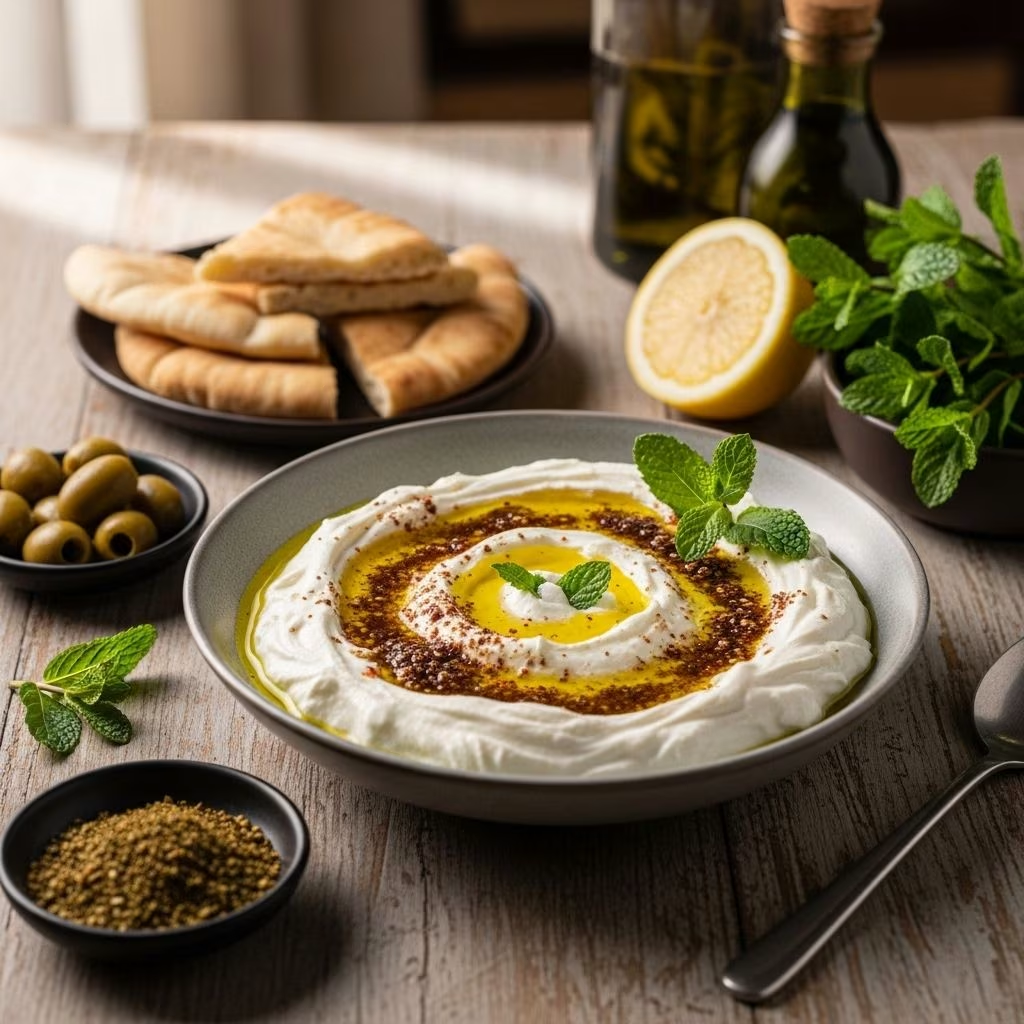
Labneh, sometimes known by the spellings labne or labnah, is a thick, creamy, and tangy cheese made by straining yogurt. Widely appreciated in Middle Eastern and Mediterranean cuisines, labneh has a rich history, distinctive nutritional benefits, diverse culinary uses, and a flavor profile that sets it apart from regular yogurt and soft cheeses. This guide explores everything you need to know about labneh—including how it is made, why it’s loved for both health and taste, and its expanding role in kitchens worldwide.
Introduction: What Is Labneh?
Labneh is a strained yogurt cheese known for its creamy texture and tangy taste. The process of making labneh involves removing the whey from plain yogurt, resulting in a product that is significantly thicker than yogurt but softer than conventional cheeses. Its name derives from the Arabic word “laban,” meaning milk. Labneh is used as a dip, spread, and ingredient in a variety of dishes, and it occupies a central place in the cuisines of Lebanon, Syria, Palestine, Jordan, and across the Middle East and Mediterranean regions.
Origins and History of Labneh
Labneh can be traced back thousands of years to the Levant region, encompassing present-day Lebanon, Syria, Jordan, and Palestine. Historical evidence suggests yogurt and its derivatives, including labneh, have been present as far back as 5000 BC. Labneh was developed as a practical method for preserving yogurt before refrigeration. By straining yogurt, ancient communities created a less perishable and more transportable dairy product.
An early method involved pouring yogurt into cleaned animal intestines used as natural filters. The yogurt was hung and allowed to drain, separating the whey and leaving behind labneh. The method enabled labneh to remain fresh and vital in a world lacking refrigeration, supplying a consistent and nutritious food source. Over time, the practice spread throughout the Middle East, with variations emerging such as Turkish labneh (“süzme yoğurt”).
Labneh in Modern Times
Today, labneh is produced commercially as well as in homes. Its popularity continues to grow, especially as global awareness of Middle Eastern flavors and healthy foods expands.
How Labneh Is Made
The process to make labneh is simple, requiring just plain yogurt, a pinch of salt, and time. The yogurt is strained through a fine cheesecloth or mesh strainer to allow the whey (liquid) to separate, leaving the thickened curd behind. This can take from several hours to up to two days, depending on the desired consistency.
- Traditional method: Involves hanging yogurt in a cheesecloth, sometimes overnight.
- Modern method: Plain yogurt is placed in a mesh strainer over a bowl in the refrigerator. The length of time determines thickness; the longer it strains, the thicker it gets.
- Turkish variation: Turkish labneh tends to be even thicker and may use yogurt without probiotics.
Simple Labneh Recipe
- 1 liter of full-fat plain yogurt
- 1/2 teaspoon salt
- Cheesecloth or fine strainer
Combine yogurt and salt, pour into cheesecloth, and tie the top. Let it drain over a bowl in the fridge for 12–48 hours. The result: rich, creamy labneh ready to serve as a dip or spread.
Nutritional Profile and Health Benefits
Labneh is a nutrient-dense food that offers several health advantages. As a dairy product, it provides essential macronutrients and micronutrients in concentrated form due to its straining process.
| Nutrient | Labneh | Greek Yogurt |
|---|---|---|
| Protein | 7–10g | 6–9g |
| Fat | 5–10g | 4–9g |
| Calcium | 100–150mg | 100–120mg |
| Calories | 100–120 kcal | 90–120 kcal |
| Probiotics | Yes (if made with live cultures) | Yes |
Key Health Benefits of Labneh
- High in Protein: Labneh offers a concentrated source of protein, essential for muscle repair and immune function.
- Rich in Probiotics: Like yogurt, labneh contains beneficial live bacteria (if made with live culture yogurt), aiding digestion and supporting gut health.
- Good Source of Calcium: Supports bone strength and metabolic functions.
- Lower in Fat and Sodium (compared to cheese): Labneh provides a healthier alternative to many spreads and cheeses.
- Portion Efficiency: Due to its density, smaller servings offer similar protein and nutrients as a larger serving of regular yogurt.
Culinary Uses: Traditional and Modern Applications
Labneh is prized for its versatility—it functions as a dip, spread, accompaniment, and ingredient in diverse recipes:
- Dip & Spread: Swirled in a bowl with a drizzle of olive oil, commonly decorated with herbs such as za’atar, mint, parsley, or sumac.
- Sandwiches & Wraps: Used as a creamy base in pita, flatbread, or wraps, replacing cream cheese or mayonnaise.
- Salads: Dolloped onto grain salads or roasted vegetables for tang and richness.
- Baked Goods: Used as a topping for savory bakes, as a filling in pastries, or incorporated in muffin and cake recipes for moisture.
- Breakfast: Spread onto toast or paired with honey and fruit for a nutritious start.
- Labneh Balls: Rolled into balls and preserved in olive oil, often flavored with spices.
Modern Culinary Innovations
- Labneh is increasingly appearing in fusion cuisines, where its tangy flavor is contrasted with sweet or spicy elements—think labneh frosting or spicy labneh dips.
- Culinary professionals experiment with labneh in desserts, sauces, and as a thickener in dressings.
Taste and Texture: What Makes Labneh Distinct?
Labneh is defined by its distinctive taste and mouthfeel:
- Tangy Flavor: The removal of whey intensifies labneh’s tart, fresh, and slightly acidic notes.
- Rich Creaminess: Its texture is noticeably thicker and creamier than Greek yogurt, with a spreadable consistency similar to soft cheese.
- Complexity: Longer straining yields a more concentrated, nuanced flavor, with subtle earthy undertones.
- Adaptable Base: Labneh forms a neutral foundation for both savory and sweet toppings, allowing flavors like olive oil, honey, or herbs to shine.
Labneh vs. Other Dairy Products
| Feature | Labneh | Greek Yogurt | Cream Cheese |
|---|---|---|---|
| Texture | Very thick, spreadable | Thick, creamy | Smooth, firm |
| Flavor | Tangy, slightly sour | Mild tang | Mild, buttery |
| Fat Content | Low to moderate | Low to moderate | High |
| Probiotics | Yes | Yes | No |
| Common Uses | Dip, spread, balls in olive oil | Breakfast, snack | Spread, frosting, dips |
Why Choose Labneh Over Greek Yogurt?
- Labneh is denser—so a smaller serving offers more flavor and nutrition.
- The added tang and creamy texture makes it a preferred ingredient in dips and spreads, especially in Mediterranean recipes.
- Labneh contains similar or greater amounts of probiotics and protein in a much smaller portion.
How to Make Labneh at Home
Homemade labneh is achievable with minimal effort and just two ingredients:
- 4 cups plain full-fat yogurt
- 1/2 teaspoon salt
Directions:
- Mix salt into yogurt.
- Line a sieve with cheesecloth, place over a bowl, add yogurt, and cover.
- Allow to drain in the fridge for 12–48 hours. The longer it drains, the thicker and tangier the labneh.
- Scoop out labneh and store in a covered container in the refrigerator. It’ll last up to two weeks.
Variation: For labneh balls, roll finished labneh into small spheres and immerse in a jar of olive oil and dried herbs. They keep for weeks in the fridge.
Popular Recipes and Serving Suggestions
- Classic Labneh Dip: Spread labneh in a shallow bowl, drizzle with extra virgin olive oil, top with za’atar or chopped herbs. Serve with pita bread or fresh veggies.
- Labneh with Roasted Beets and Pistachios: A starter blending creamy labneh, smoky beets, and crunchy nuts, finished with lemon zest and mint.
- Labneh Breakfast Toast: Slather thick toast with labneh, drizzle with honey, and sprinkle with granola or nuts.
- Labneh Sauce for Grilled Meat: Mix labneh with garlic, lemon, and parsley for a tangy topping for grilled lamb or chicken.
- Labneh Balls: Roll labneh into small balls, cover with olive oil and spices, and serve on mezze platters.
Frequently Asked Questions (FAQs)
Q: Is labneh suitable for lactose-intolerant individuals?
A: Labneh, like yogurt, has reduced lactose due to fermentation and straining. Some lactose-intolerant people can tolerate it, but sensitivity varies.
Q: How long does labneh keep in the fridge?
A: Homemade labneh lasts 1–2 weeks when kept in a covered container. Labneh balls in olive oil may last longer due to the preservation effect.
Q: Can labneh be made with non-dairy yogurt?
A: Yes, straining non-dairy yogurts (such as coconut or almond-based) yields a similar texture, though taste differs and nutrition varies.
Q: Is labneh high in calories?
A: Labneh provides concentrated protein and nutrients; calories depend on fat content of starting yogurt. It is, overall, lower in calories compared to cream cheese and similar cheese-based spreads.
Q: How is labneh different from Greek yogurt?
A: Labneh is strained twice, yielding a thicker, tangier, and more spreadable product than the once-strained Greek yogurt.
Conclusion
Labneh stands out as a healthy, versatile, and historically rich dairy product. Its tangy flavor and creamy texture make it an exceptional dip, spread, or ingredient. Packed with protein, calcium, and probiotics, labneh supports digestive and bone health, and its adaptability in both traditional and modern recipes continues to make it a staple for chefs and home cooks alike. Whether you enjoy it classically with olive oil and herbs, in inventive sweet or savory dishes, or simply as a nutritious snack, labneh’s legacy and benefits offer every reason to make it a part of your kitchen.
References
- https://www.foodandhealth.com/blog-free/what-is-labneh-and-why-should-you-make-it
- https://yazafoods.com/labneh-everything-you-need-to-know/
- https://www.cheeseprofessor.com/blog/labneh-vs-greek-yogurt
- https://acultivatedliving.com/recipe/how-to-make-labneh/
- https://en.wikipedia.org/wiki/Strained_yogurt
- https://ciaosamin.substack.com/p/labneh


