


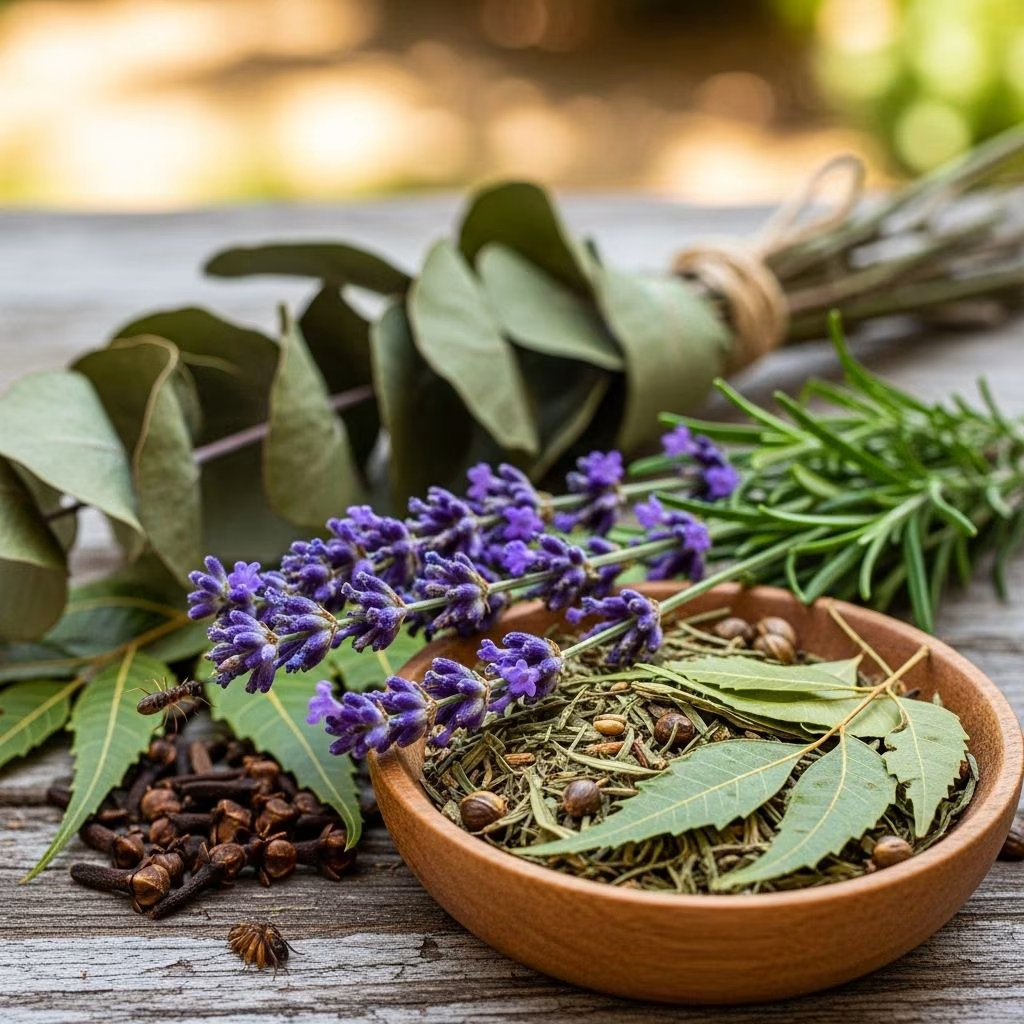
For centuries, people have turned to nature’s pharmacy to protect themselves and their homes from unwanted insects and pests. Long before commercial chemical repellents dominated the market, traditional wisdom relied on the powerful properties of herbs, essential oils, and plant-based preparations to keep bugs at bay. Today, as more individuals seek alternatives to synthetic chemicals, these time-tested natural remedies are experiencing a remarkable renaissance, offering effective protection without exposing our bodies and environment to potentially harmful toxins.
The beauty of herbal insect control lies not only in its effectiveness but also in its versatility and safety. Unlike conventional pesticides that can leave toxic residues on surfaces and in the air we breathe, natural insect repellents work in harmony with our bodies and the environment. These botanical solutions offer a gentler approach to pest management while delivering impressive results that rival their chemical counterparts in everyday situations.
Understanding Natural Insect Repellents
Natural insect repellents function through multiple mechanisms that discourage pests from approaching or settling in treated areas. Many herbs contain volatile aromatic compounds that insects find offensive or confusing to their sensory systems. Essential oils derived from these plants carry concentrated amounts of these active ingredients, making them particularly potent for pest control applications.
The effectiveness of herbal repellents stems from thousands of years of evolutionary adaptation. Plants developed these chemical defenses to protect themselves from herbivorous insects, and humans have learned to harness these same properties for our own protection. When we apply these natural compounds to our skin, clothing, or living spaces, we essentially borrow the plant’s own defense system.
Homemade insect repellents work remarkably well in most day-to-day situations and offer the significant advantage of not adding to the chemical burden our bodies already struggle with in modern life. They smell pleasant, often providing aromatherapeutic benefits alongside their pest-deterrent properties, and can be customized to address specific pest problems or personal preferences.
Essential Herbs and Oils for Insect Control
The world of botanical insect repellents encompasses a diverse array of herbs and essential oils, each bringing unique properties and strengths to pest management strategies. Understanding which plants work best for specific situations empowers you to create targeted solutions for your particular needs.
Basil serves double duty in the garden and home, acting as both a culinary herb and an effective insect deterrent. Its strong aroma repels flies, mosquitoes, and other flying insects, making it an excellent choice for planting near outdoor seating areas or doorways.
Catnip contains nepetalactone, a compound that research has shown to be significantly more effective than DEET at repelling certain mosquito species. While your feline friends might appreciate this herb, insects decidedly do not.
Cedarwood Atlas oil has been used for centuries to protect clothing and stored goods from moths and other fabric-damaging insects. Its woody, grounding scent appeals to humans while driving away pests.
Citronella and Lemongrass are perhaps the most widely recognized natural mosquito repellents. These closely related plants contain citronellal and other compounds that mask the carbon dioxide and lactic acid scents that attract mosquitoes to humans.
Eucalyptus oil, particularly oil of lemon eucalyptus, provides protection against mosquito bites according to the Centers for Disease Control and Prevention. This endorsement from a major health authority underscores the legitimate effectiveness of this natural option.
Lavender offers a gentler approach to insect control, with its pleasant floral scent repelling moths, fleas, flies, and mosquitoes. Dried lavender flowers can be used in sachets to protect stored clothing, while the essential oil works well in skin-safe repellent formulations.
Neem Oil stands out as one of the most highly effective yet non-toxic insecticides available. Although its smell, reminiscent of sweaty gym socks, can take some getting used to, neem contains more than 25 active compounds that combat insects through multiple mechanisms. This makes it an excellent choice when you need something stronger for serious pest problems.
Peppermint proves particularly effective against ants, which seem to detest its strong menthol scent. A few drops of peppermint essential oil on cotton balls placed along ant trails or entry points can prevent invasions without resorting to toxic chemicals.
Tea Tree Oil brings powerful antibacterial and antifungal properties alongside its insect-repelling abilities, making it useful for treating bites and stings as well as preventing them.
Wormwood and Rue create particularly strong remedies to keep off biting insects. These potent herbs should be used with appropriate caution and dilution, as they contain powerful compounds that effectively deter even persistent pests.
Creating Effective Homemade Insect Repellents
Crafting your own natural insect repellents allows you to control exactly what goes onto your skin and into your environment. These preparations can be tailored to your specific needs, whether you’re dealing with garden pests, household invaders, or biting insects during outdoor activities.
Basic Spray Formula: The foundation of most homemade insect repellent sprays combines witch hazel or vodka as a carrier with essential oils and distilled water. A typical ratio uses 2 tablespoons of witch hazel or vodka, 2 tablespoons of carrier oil such as jojoba or sweet almond oil, 100 drops of essential oils in your chosen combination, and distilled water to fill a 4-ounce spray bottle. Shake well before each use, as the oils and water will separate naturally.
When making insect repellent face oil, use gentler essential oils at lower concentrations to avoid skin irritation in this sensitive area. Lavender, geranium, and a small amount of lemongrass work well for facial applications when properly diluted in a light carrier oil.
Garden Spray Applications: For protecting plants from insect damage, neem oil creates an effective garden insecticide spray when mixed with water and a small amount of mild soap to help emulsification. Spray house and garden plants with geranium oil diluted in distilled water to discourage larvae from feeding. Apply these sprays in the early morning or evening to avoid burning plant leaves in direct sunlight.
Crushed Garlic Solutions: Garlic serves as another potent and aromatic addition to homemade insecticide sprays. Blend several cloves of garlic with water, strain, and add to your spray bottle. Garlic cloves placed in the ground around plants will deter slugs and act as a natural pesticide against mosquito larvae.
Specific Pest Control Strategies
Different pests require different approaches, and understanding the specific vulnerabilities of common household and garden insects helps you deploy the most effective natural solutions.
Ant Prevention and Control: Ants seem to mount a home invasion every spring in many regions. Kitchen and bathroom counters are no place for toxic chemicals, making natural solutions particularly important in these food-preparation areas. Ants dislike peppermint and detest clove oil, so you can prevent them from entering by scenting cotton balls with these essential oils and placing them along shelves and entryways. Creating a cinnamon barrier at entry points also effectively deters ant traffic.
Mosquito Management: These persistent biters require multi-pronged defense strategies. Oil of lemon eucalyptus provides CDC-recognized protection when applied to skin. For outdoor spaces, planting mosquito-repelling herbs like citronella grass, lavender, and catnip around seating areas creates natural protective zones. Adding rosemary or sage to fire pits or outdoor candles releases repellent smoke that keeps mosquitoes at a distance.
Flea Control for Pets: Adding 1 to 2 drops, depending on your pet’s size, of lemongrass or citronella essential oil to pet shampoo adds a fresh clean scent and discourages fleas and biting mosquitoes. For environmental flea control, pennyroyal has traditional use, though it should be applied with caution and never directly on pets due to its potency.
Moth Protection: Dried lavender flowers and thyme in sachet bags protect clothes against moths effectively while leaving a pleasant scent in closets and drawers. Cedar blocks or chips provide additional protection for stored woolens and other natural fibers that moths target.
Fly Deterrence: Flies find certain herb scents repulsive, particularly basil, bay, lavender, and eucalyptus. Keeping potted basil plants on windowsills or near doorways helps prevent fly entry. Dried lavender and thyme in floral arrangements deter flies and mosquitoes in living spaces.
Application Methods and Best Practices
The effectiveness of natural insect repellents depends significantly on proper application and understanding their limitations compared to synthetic alternatives. Essential oils evaporate quickly, so reapplication every two to three hours ensures continued protection. This more frequent application schedule represents the main tradeoff for avoiding chemical ingredients.
For skin applications, always perform a patch test before using any new essential oil blend, applying a small amount to the inside of your wrist and waiting 24 hours to check for reactions. Some individuals may be sensitive to certain oils, and dilution rates should be adjusted based on skin sensitivity and the essential oils used.
When applying to clothing rather than skin, you can use stronger concentrations without concern for skin irritation. Treating hat brims, sleeves, and pant cuffs with repellent spray provides good protection with less direct skin contact.
Environmental applications around the home and garden benefit from regular reapplication after rain or heavy watering. Creating multiple barriers using different herbs and oils increases effectiveness, as insects may avoid some scents more than others.
Special Considerations and Safety Guidelines
While natural insect repellents offer safer alternatives to synthetic chemicals, they still require appropriate caution and understanding. Essential oils are highly concentrated plant extracts that can cause skin irritation, allergic reactions, or other adverse effects when misused.
Pregnant women should consult healthcare providers before using essential oils, as some herbs can affect pregnancy. Oils like pennyroyal, rue, and wormwood require particular caution due to their potent nature and should never be used during pregnancy.
For children, use gentler essential oils at significantly reduced concentrations. Lavender, chamomile, and diluted citronella work well for young ones, while stronger oils like eucalyptus should be avoided for babies and toddlers.
Some essential oils can cause photosensitivity, making skin more susceptible to sunburn. Citrus oils particularly carry this risk, so avoid sun exposure after applying products containing these ingredients, or reserve them for evening use.
Pets metabolize essential oils differently than humans, and some oils that are safe for people can be toxic to cats, dogs, or other animals. Research pet safety before using any essential oil in spaces your animals frequent.
Combining Traditional Wisdom with Modern Knowledge
The resurgence of interest in natural insect control represents more than nostalgia for simpler times. Modern research continues to validate traditional uses of herbs while uncovering the specific chemical compounds responsible for their effectiveness. This scientific understanding allows us to use these remedies more effectively and confidently.
Understanding which active compounds in herbs repel or kill insects helps explain why certain combinations work synergistically. For example, combining citronella for its mosquito-repelling properties with lavender for its general insect-deterrent effects and skin-soothing benefits creates a more comprehensive solution than either herb alone.
Traditional preservation methods like creating herbal vinegars or infused oils extend the usefulness of garden-fresh herbs throughout the year. Jewelweed vinegar, for instance, can be prepared during the growing season and stored for treating poison ivy exposure or insect bites months later.
Sustainable Pest Management Philosophy
Adopting natural insect control methods aligns with broader sustainable living practices and environmental stewardship. By choosing botanical solutions over synthetic chemicals, you reduce the toxic load on ecosystems and waterways while supporting biodiversity.
Many insect-repelling herbs serve multiple purposes in gardens, attracting beneficial pollinators with their flowers while deterring harmful pests with their foliage. This ecological balance creates healthier garden ecosystems that require less intervention over time.
Growing your own insect-repelling herbs provides the freshest, most potent material for making remedies while reducing packaging waste and transportation impacts associated with commercial products. Even a small windowsill herb garden can supply enough basil, mint, and lavender for basic pest control needs.
Beyond Repellents: Comprehensive Pest Management
Effective natural pest control extends beyond applying repellents to include habitat modification, exclusion techniques, and supporting beneficial insects that prey on pests. Removing standing water eliminates mosquito breeding sites. Sealing cracks and gaps prevents insect entry. Encouraging spiders, ladybugs, and other predatory insects reduces pest populations naturally.
Companion planting in gardens uses the insect-repelling properties of herbs strategically. Planting marigolds among vegetables, for instance, deters many common garden pests while adding beauty to the space. Interplanting aromatic herbs throughout the garden creates a complex scent environment that confuses and repels pest insects.
Understanding pest life cycles helps time interventions for maximum effectiveness. Treating for mosquito larvae in standing water prevents adult mosquitoes more effectively than trying to repel them later. Applying neem oil when pests are in vulnerable developmental stages increases its impact.
Frequently Asked Questions
Q: How long do homemade natural insect repellents remain effective after application?
A: Natural insect repellents typically provide protection for 2-3 hours before requiring reapplication, as essential oils evaporate more quickly than synthetic chemicals. Environmental factors like heat, humidity, and physical activity can reduce this duration further, so reapply more frequently during intense outdoor activities or in hot weather.
Q: Can natural insect repellents completely replace commercial products for serious pest problems?
A: For everyday pest control situations, natural remedies work remarkably well and offer significant advantages over chemical alternatives. However, in areas with high disease transmission risk from insects or during severe infestations, you may need to combine natural methods with other strategies or consult pest management professionals for integrated solutions.
Q: Are essential oil insect repellents safe for use on children and babies?
A: Essential oils require careful consideration for use with children. For babies under six months, avoid essential oils entirely and use physical barriers like mosquito netting instead. For older children, use gentler oils like lavender and chamomile at significantly reduced concentrations (typically one-quarter to one-half the adult dilution rate), and always perform patch tests before broader application.
Q: Why does neem oil smell so unpleasant, and are there ways to improve the scent?
A: Neem oil’s distinctive odor, often compared to sweaty gym socks or garlic, comes from sulfur-containing compounds that contribute to its insecticidal properties. While you can add pleasant-smelling essential oils like lavender or peppermint to neem preparations, these additions won’t completely mask the base smell. The good news is that the scent dissipates significantly as the oil dries.
Q: How should I store homemade insect repellent preparations to maximize their shelf life?
A: Store natural insect repellents in dark glass bottles away from direct sunlight and heat, as these factors degrade essential oils. Most preparations remain effective for 3-6 months when properly stored. Refrigeration can extend shelf life, though some carrier oils may solidify at cold temperatures. Always smell preparations before use – a rancid or off odor indicates the oils have degraded and the mixture should be replaced.
Q: Can I use the same essential oil blends for both personal application and garden pest control?
A: While some essential oils work for both purposes, concentrations and carriers differ significantly. Personal repellents use skin-safe dilutions with appropriate carrier oils, while garden sprays can employ stronger concentrations with water-based carriers and emulsifiers. Some oils effective for garden pests, like garlic and certain concentrations of neem, aren’t pleasant or appropriate for skin application.
References
- https://www.anniesremedy.com/chart_remedy_insect_repellents.php
- https://www.anniesremedy.com
- https://www.anniesremedy.com/chart_anti-inflammatory_herbs.php
- https://www.anniesremedy.com/chart.php?alpha=a&sort=1
- https://www.anniesremedy.com/chart_antibacterial_herbs.php
- https://www.anniesremedy.com/chart.php
- https://www.anniesremedy.com/chart_remedy.php
- https://www.anniesremedy.com/herb_uses_index.php


