


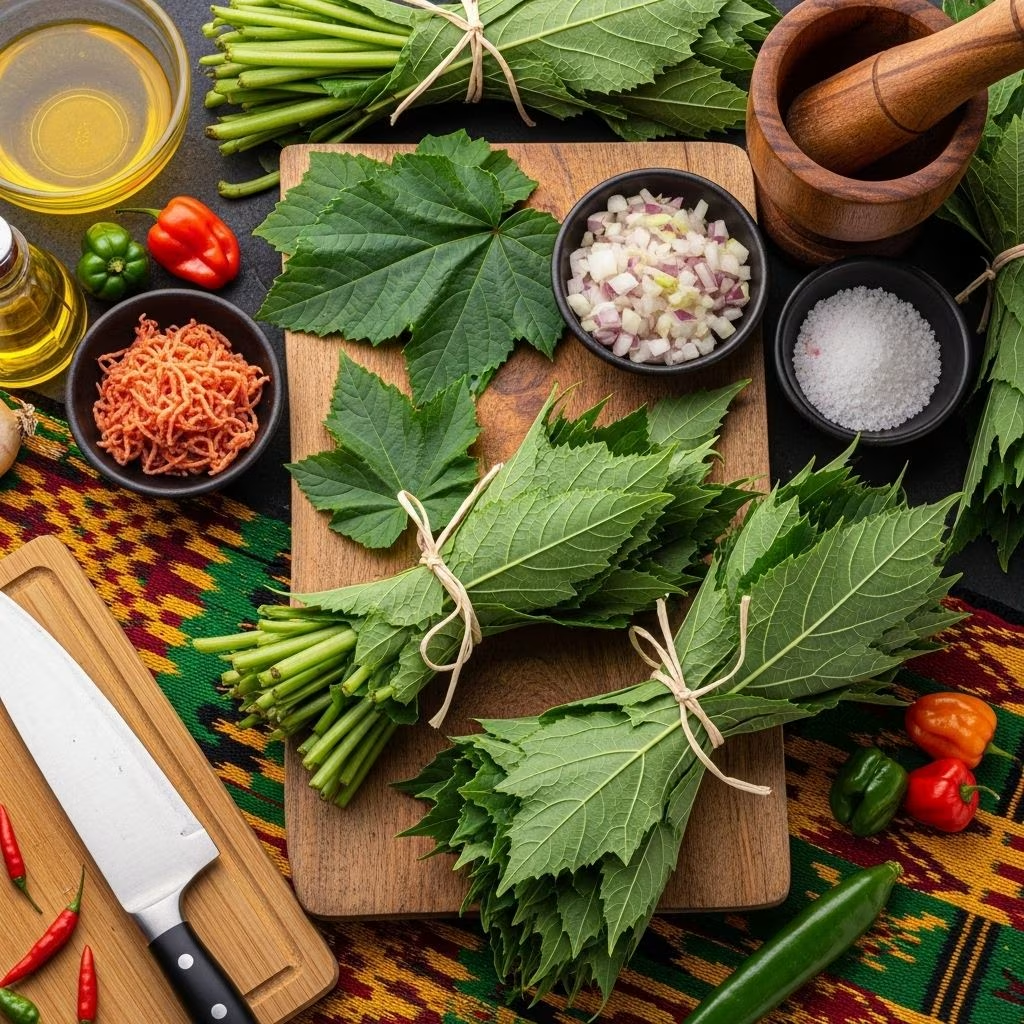
Lagos Bologi holds a special place in Nigerian culinary traditions owing to its rich nutrient profile, versatility in dishes, and unique taste. Often referred to as ‘Efo Gbure’ or ‘Waterleaf’ in Yoruba, Lagos Bologi features prominently in soups, stews, and sauces across West Africa. This article offers a comprehensive exploration of Lagos Bologi, covering its botanical origins, health benefits, culinary uses, and flavor profile, with attention to its cultural significance and farming practices.
Introduction
Lagos Bologi, widely known as Efo Gbure or Waterleaf, is a soft-stemmed, succulent leafy vegetable integral to Nigerian cuisine. Not only does it enrich meals with its distinct flavors, but it also offers an impressive array of nutrients that have made it a staple in West African diets. Lagos Bologi is valued for both its nutritional content and therapeutic properties, which have earned it enduring popularity among various communities.
Botanical Background of Lagos Bologi
Lagos Bologi is botanically classified as Talinum triangulare, a member of the family Portulacaeae. It is sometimes called “Surinam Purslane” or “Waterleaf” due to its fleshy, water-rich leaves. Lagos Bologi is native to tropical Africa but has been widely introduced due to its adaptability, nutritional value, and short growing cycle. The plant typically has upright stems and bright green, oval, somewhat glossy leaves. It may bear small, delicate, star-shaped pink flowers.
There is some confusion regarding the nomenclature of Bologi in the region. While ‘Bologi’ in West African contexts usually refers to Talinum triangulare, in some sources, ‘Bologi’ can be mistaken for other similar edible greens such as Crassocephalum rubens (‘Ebolo’) and Celosia argentea (‘Sokoyokoto’ or ‘Lagos spinach’). This article focuses on Talinum triangulare, most commonly known as Lagos Bologi.
Physical Characteristics
- Leaves: Broad, succulent, water-rich, bright green.
- Flowers: Small, pink, star-shaped.
- Growth Habit: Upright, sprawling, can form ground cover.
- Stem: Soft, fleshy, easily harvested.
Traditional Cultivation Methods
Lagos Bologi thrives in tropical climates with well-drained, moist, and fertile soils. It matures within 28–42 days, making it ideal for home and commercial gardens seeking rapid harvest cycles.
- Propagation: Propagated mostly by seeds, which burst from brittle pods when mature. Cuttings are also effective for quick establishment.
- Planting: Seeds are sown just before the start of the rainy season. Transplanting seedlings when 6–12 inches tall yields larger, more succulent leaves.
- Maintenance: Requires regular weeding, adequate watering, and partial shade, though it can tolerate dry spells.
- Harvesting: Early leaves can be picked, but the best quality is obtained once the plant reaches full height and lushness.
Nutritional and Health Benefits of Lagos Bologi
Lagos Bologi is celebrated for its rich nutrient profile and health-promoting properties. The soft, water-filled leaves are particularly high in vitamins, minerals, and dietary fiber. Regular consumption of Lagos Bologi can support a balanced diet and contribute to overall well-being.
Key Nutritional Components
- Vitamins: High in Vitamin A (beta-carotene), Vitamin C, and varying amounts of B-complex vitamins.
- Minerals: Rich sources of calcium, iron, magnesium, and potassium.
- Dietary Fiber: Promotes digestive health, satiety, and regularity.
- Antioxidants: Contains polyphenols and carotenoids that combat oxidative stress.
- Water Content: Exceptional hydration properties due to succulent leaves.
Potential Health Benefits
- Antiscorbutic Effects: Prevents scurvy and boosts immune defense due to high Vitamin C.
- Support for Cardiovascular Health: Magnesium, potassium, and antioxidants help maintain heart health.
- Blood Building: Iron content assists in hemoglobin production, beneficial against anemia.
- Bone Strength: Calcium supports strong bones and teeth.
- Weight Management: Low calorie density but high satiety due to fiber and water content.
- Mild Laxative Effect: Promotes gentle bowel movements, especially when eaten fresh.
- Hydration: High water content replenishes body fluids and offers cooling properties during the hot season.
Culinary Uses and Preparation Techniques
Lagos Bologi has a longstanding tradition in Nigerian homes and markets, where it features in a variety of dishes. Its subtle flavor and soft texture make it a preferred ingredient in soups, stews, sauces, salads, and even as a vegetable complement to staple foods.
Main Culinary Applications
- Soups and Stews: Lagos Bologi is a foundational ingredient in classics such as Efo Riro and Gbure Soup. It’s added in the final stages to preserve nutrition and texture.
- Sauces: The leaves can be incorporated into spicy tomato or pepper sauces for thickening and additional flavor.
- Side Dishes: Steamed, sautéed, or chopped Lagos Bologi is served alongside rice, yam, or plantain.
- Salads: Young, tender leaves provide a crisp, mild base for fresh salads, often paired with onions, tomatoes, and oil.
- Potherb: Used in mixed vegetable medleys to enrich texture and nutrition.
Cooking Tips
- Rinse thoroughly, as the succulent leaves tend to trap soil and debris.
- Add Lagos Bologi at the end of cooking to minimize nutrient loss.
- Combine with other bitter greens or nuts (e.g., egusi or ground melon) to temper any mild bitterness.
- Use fresh, young leaves for best texture and flavor in salads or garnishes.
- Lagos Bologi can be lightly steamed or sautéed to retain its hydration and nutrients.
Common Nigerian Dishes Featuring Lagos Bologi
- Efo Riro (Yoruba Spinach Stew): A richly seasoned tomato and pepper sauce cooked with assorted meats, fish, and Lagos Bologi leaves.
- Gbure Soup: A traditional, waterleaf-based soup with palm oil, fish or beef, local spices, and sometimes melon (egusi) for savoriness.
- Mixed Veggie Sauce: Lagos Bologi sautéed with onions, tomatoes, crayfish, and spices.
- Leafy Stew: Combined with fluted pumpkin (ugu) or spinach for extra depth and variety.
Taste Profile and Sensory Experience
Lagos Bologi is renowned for its refreshing, mildly tangy taste and slightly mucilaginous (slippery) texture. The flavor is reminiscent of a blend between fresh spinach and purslane, with a subtle earthy undertone. Its water-rich leaves impart a soothing and cooling effect, making it especially popular during hot seasons.
- Fresh: Crisp, slightly tart, faintly grassy.
- Cooked: Gentle, mild sweetness, with a silky mouthfeel.
- Texture: Soft yet slightly slippery, similar to cooked okra or Malabar spinach.
- Bitterness: Generally mild, can be balanced with spices and condiments.
Pairings and Complementary Flavors
- Works well with tomatoes, peppers, onions, crayfish, and bold spices common in Nigerian cuisine.
- Balances fatty, savory dishes due to its hydrating properties.
- Combines with bitter greens and ground seeds (egusi) to create hearty, flavorful stews and sauces.
Cultural and Social Significance
Lagos Bologi is inseparable from Nigerian food traditions and is widely cultivated and consumed across regions. In Yoruba-speaking areas, Lagos Bologi is acknowledged not just for nutrition, but also for its role in community gatherings, celebrations, and rituals. Market women in Lagos and other urban centers prize its availability during the rainy season when it grows most abundantly.
For many in the African diaspora, cultivating Lagos Bologi and other native greens represents a connection to home, history, and heritage. It is considered more than just food—its use in medicine, culinary customs, and cultural identity gives Lagos Bologi lasting symbolic value.
- Used in festive dishes and ceremonial meals, especially during the new yam festival and other agricultural celebrations.
- Regarded as a healing vegetable, supporting nutrition and wellness within families.
- Commonly included in dietary recommendations for children, pregnant women, and the elderly.
Comparison with Other Nigerian Leafy Vegetables
| Vegetable | Botanical Name | Texture | Notable Nutrients | Traditional Dishes |
|---|---|---|---|---|
| Lagos Bologi (Waterleaf) | Talinum triangulare | Soft, succulent, slightly mucilaginous | Vitamins A, C, calcium, iron | Efo Riro, Gbure Soup |
| Ebolo | Crassocephalum rubens | Soft, semi-succulent | Dietary fiber, mild laxative | Sauces, soups |
| Sokoyokoto (Lagos Spinach) | Celosia argentea | Leafy, slightly bitter | Protein, minerals | Vegetable stew, mixed sauces |
| Gbure (Waterleaf) | Talinum triangulare | Fleshy, juicy | Vitamins, minerals | Salads, soups |
| Ugu (Fluted Pumpkin) | Telfairia occidentalis | Fibrous, chewy | Protein, vitamins | Ugu Soup |
Frequently Asked Questions (FAQs)
Q1: Is Lagos Bologi the same as Waterleaf?
Yes. Lagos Bologi and Waterleaf both refer to Talinum triangulare, which is colloquially called “Efo Gbure” in Yoruba.
Q2: What dishes are Lagos Bologi commonly used in?
Lagos Bologi is featured in Nigerian classics such as Efo Riro (spinach stew), Gbure Soup, and vegetable sauces. It may also be eaten fresh in salads or lightly steamed as a side dish.
Q3: How do you preserve Lagos Bologi after harvest?
Harvested Lagos Bologi should be kept cool and moist. Wrap leaves in damp cloth and refrigerate; avoid direct sunlight. The leaves are best used within a day or two for optimal freshness.
Q4: What are the main health benefits of Lagos Bologi?
Lagos Bologi is a rich source of vitamins (especially A and C), minerals (iron, calcium, magnesium), dietary fiber, and antioxidants. It promotes immune health, supports digestion, and aids hydration.
Q5: Is Lagos Bologi suitable for vegetarians and vegans?
Absolutely! Lagos Bologi is a plant-based, nutrient-rich green that is highly suitable for vegetarian and vegan diets, providing protein, vitamins, and minerals without animal products.
Q6: Can Lagos Bologi be grown outside West Africa?
Yes. It adapts well to temperate climates, though it prefers warmth and humidity. With proper soil, watering, and sun, it can thrive globally, especially in regions with summer rainfall.
Culinary Tip
To maximize taste and nutrition, always add Lagos Bologi leaves at the end of cooking. Prolonged heat may reduce their vitamin content and diminish their unique texture.
Conclusion
Lagos Bologi boasts an impressive legacy in Nigerian food, medicine, and culture. As both a nutritional powerhouse and a versatile culinary ingredient, it continues to enrich diets, offer health benefits, and bring families together around hearty, flavorful meals. Whether enjoyed in spirited local dishes or reimagined in global kitchens, Lagos Bologi remains a vivid symbol of heritage and wellness in West African cuisine.
References
- https://www.cooksinfo.com/bologi
- https://www.echocommunity.org/en/resources/bcd8f2e9-3b71-4f6d-ae4d-d51d31265f34
- https://9jafoodie.com/nigerian-leafy-vegetables/
- https://trueloveseeds.com/products/waterleaf-efo-gbure
- https://www.clovegarden.com/ingred/cn_watrlfz.html
- https://challengesforfilipinos.wordpress.com/2013/03/30/lagos-bologi-talinum-fruticosum/
- https://keralaponics.wordpress.com/tag/lagos-bologi/
- https://en.wikipedia.org/wiki/Talinum_fruticosum
- https://anthrome.wordpress.com/2008/03/05/portulacaceae-talinum-fruticosum-t-triangulare-suriname-spinach-2/


