


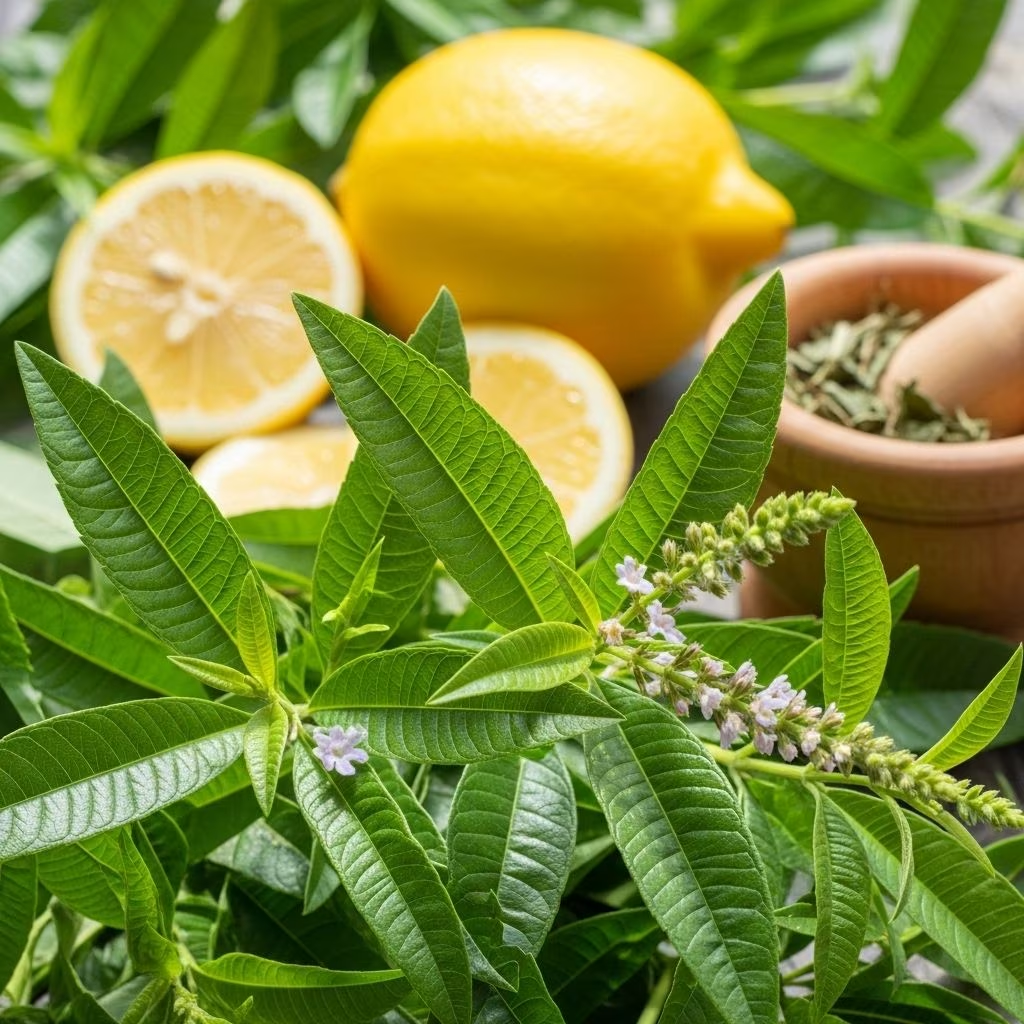
Lemon verbena stands out among aromatic herbs for its enticing citrus scent, powerful health benefits, and versatile culinary uses. Long celebrated in traditional remedies and modern kitchens alike, this vibrant green plant delivers not only a fragrant lemon note but also a host of therapeutic compounds. Dive deeper into its origins, uses, science-backed health effects, and practical tips for cooking and self-care with lemon verbena.
What Is Lemon Verbena?
Lemon verbena (Aloysia citriodora, also known as Lippia citriodora or Aloysia triphylla) is a perennial shrub native to South America, particularly Argentina, Chile, and Peru. Revered for centuries in traditional medicine and culinary traditions, the plant is instantly recognizable by its elongated, bright green leaves that release a refreshing, lemon-like aroma when crushed .
- Grows as a woody shrub reaching up to 2–3 meters in ideal climates.
- Originates from South America but introduced to Europe by Spanish explorers in the late 18th century .
- Known by various names: “cedrón” in South America and “lemon beebrush” in some regions .
- Used traditionally in teas, culinary preparations, and herbal medicine.
Historical and Cultural Context
Lemon verbena’s invigorating properties have cemented it as a household staple in South American kitchens and apothecaries. In some cultures, it’s considered a plant of magic and good luck, often employed in rituals or festive traditions .
Health Benefits of Lemon Verbena
Beneath lemon verbena’s zesty scent lie a trove of bioactive compounds with therapeutic properties. While more robust human studies are needed, both traditional uses and early scientific research underscore its valuable effects on well-being.
- Rich in Antioxidants: High concentrations of polyphenols, including the unique compound verbascoside, neutralize free radicals and support overall cellular health .
- Anti-inflammatory Effects: Lemon verbena contains components that may help decrease inflammation in the body, which can contribute to reduced joint pain and muscle soreness .
- Digestive Health: Traditionally used to ease indigestion, bloating, constipation, and gastrointestinal discomfort. The calming effects help soothe the gut and may reduce symptoms of irritable bowel syndrome .
- Calms the Mind and Body: Lemon verbena’s aroma and certain compounds may promote relaxation, reduce stress, and relieve anxiety, making it a natural choice for improving mood and sleep quality .
- Supports Sleep: Both the calming aroma and plant compounds—potentially including naturally occurring melatonin—can help improve sleep quality and duration, especially for individuals suffering from insomnia .
- Immune System Support: Antioxidant and antimicrobial activity in lemon verbena can help support immune defenses, making it a helpful ingredient during cold and flu seasons .
- Skin Health: Application or consumption of lemon verbena may protect and nourish the skin, combatting signs of aging due to its rich antioxidant content .
- Protects Muscles: Studies suggest supplementation may minimize muscle damage during intensive exercise and promote faster muscle recovery due to its anti-inflammatory and antioxidant properties .
- May Aid in Weight Management: Preliminary findings point to anti-obesity potential, possibly through controlling oxidative stress and inflammation .
- Reduces Fever and Relieves Congestion: Some traditional uses involve treating fevers and respiratory discomfort; aromatherapy applications may help clear sinuses and ease cold symptoms .
Key Scientific Findings
| Benefit | Main Compounds or Action | Notes |
|---|---|---|
| Antioxidant | Verbascoside, polyphenols | Neutralizes free radicals |
| Anti-Inflammatory | Phenolic compounds | Reduces pain, supports recovery |
| Digestive Support | Terpenoids | Soothes stomach, relieves cramps |
| Calming Effects | Essential oils, possible melatonin | Promotes relaxation, sleep |
Culinary Uses of Lemon Verbena
Lemon verbena is prized in the kitchen for imparting a clean, true lemon flavor—often considered more complex and less acidic than actual lemon. Both fresh and dried leaves can be used, with fresh leaves offering the most potent aroma and flavor.
- Herbal Tea: The most common use worldwide. Steep fresh or dried leaves in hot water for an uplifting, aromatic infusion beloved in South American and European countries .
- Flavoring for Beverages: Infuse leaves into chilled water, cocktails, syrups, or homemade lemonades for a refreshing zing.
- Desserts: Incorporate in sorbets, custards, fruit salads, compotes, cakes, or ice creams to enhance citrus notes without acidity .
- Savory Dishes: Use as a seasoning for fish, chicken, pork, and vegetable dishes, especially where a delicate lemon undertone enhances the dish .
- Jams, Jellies, and Marmalades: Lemon verbena’s flavor complements a range of fruit preserves.
- Salads and Stir-fries: Chop young, tender leaves into salads or warm vegetable dishes for a subtle lemon background note .
Fresh vs. Dried Lemon Verbena
- Fresh leaves: Superior flavor and aroma, best for teas, salads, fruit dishes.
- Dried leaves: Convenient for year-round use, excellent for seasoning, but with a slightly muted citrus profile.
Other Uses and Applications
- Aromatherapy: Essential oils diffused to uplift mood, relieve stress, and enhance air freshness .
- Perfumery and Personal Care: Natural citrus fragrance used in soaps, lotions, and perfumes .
- Home Freshener: Bundles or potpourri placed around the house infuse rooms with a vivifying lemon scent.
- Traditional Rituals: Sometimes incorporated in global folk ceremonies as a plant of good luck and protection .
Taste and Aroma Profile
Lemon verbena’s sensory appeal is unmatched among lemon-flavored herbs:
- Flavor: Clean, crisp, and boldly lemony—often described as the most “true” lemon taste of all herbs.
- Aroma: Intense and refreshing lemon zest, mingled with light floral and fruity undertones.
- Mouthfeel: Lacks sourness or bitterness; delivers bright, aromatic notes that won’t overpower delicate dishes.
- Balance: The citrus flavor is pure and free from the acidity found in citrus fruit juices or peels.
How to Grow and Harvest Lemon Verbena
Lemon verbena is a perennial plant in warm climates and can be grown as a container plant in cooler areas. With minimal care, it can supply leaves throughout the growing season.
- Planting: Prefers full sun and well-drained soil; thrives in outdoor gardens or sunny windowsills.
- Care: Water moderately. Protect from frost—outdoor plants should be mulched or overwintered indoors in cold regions.
- Harvesting: Pick young leaves for the best flavor throughout the season. Cut stems in the morning when essential oil content peaks.
- Drying: Bundle rinsed stems and hang upside down in a warm, dry place; store leaves in an airtight container out of direct light .
- Fresh Use: Wash and use directly in teas or recipes for peak flavor and nutritional density.
Possible Side Effects & Precautions
Lemon verbena is generally recognized as safe when consumed in typical culinary amounts, but certain groups should exercise caution:
- Pregnant or breastfeeding women should avoid excessive use due to possible increased risk of birth abnormalities .
- Children and individuals on medication should consult a healthcare professional before starting lemon verbena supplements .
- Allergic Reactions: Rare; when using essential oils or topical applications, perform a patch test before widespread use.
- Medical Interactions: May interact with certain medications or herbal supplements—seek medical advice if in doubt.
Comparing Lemon Verbena with Other Lemon-Scented Herbs
| Herb | Scientific Name | Flavor Profile | Best Uses |
|---|---|---|---|
| Lemon Verbena | Aloysia citriodora | Strong, pure lemon; floral | Teas, desserts, aromatherapy |
| Lemongrass | Cymbopogon citratus | Lemony, slightly spicy | Asian cuisine, soups, teas |
| Lemon Balm | Melissa officinalis | Mild lemon, minty | Teas, salads, relaxation |
| Lemon Thyme | Thymus citriodorus | Earthy, lemon, thyme | Roasted meats/vegetables |
Frequently Asked Questions (FAQs)
Q: What is the difference between lemon verbena and lemon balm?
A: Lemon verbena features a stronger, truer lemon flavor, while lemon balm provides a soft, minty lemon scent. Each serves different roles in both culinary and medicinal applications.
Q: Can lemon verbena be consumed every day in tea?
A: For most adults, drinking lemon verbena tea daily is safe in moderate quantities. Pregnant or breastfeeding women and those on medications should consult with a healthcare provider first.
Q: Is lemon verbena good for sleep?
A: Yes, its gentle sedative effects and natural compounds may help promote relaxation and support deeper, more restful sleep .
Q: How should fresh lemon verbena be stored?
A: Keep fresh stems in a jar of water in the refrigerator for a week, or freeze chopped leaves in ice cube trays for longer storage. Dried leaves should be sealed in an airtight container away from direct sunlight.
Q: Does lemon verbena contain caffeine?
A: No, lemon verbena is naturally caffeine-free, making it suitable for relaxation teas or evening brews.
Q: Can I use lemon verbena essential oil on my skin?
A: Dilute lemon verbena essential oil in a carrier oil and conduct a patch test before use. Essential oils are potent and may cause irritation if applied directly to the skin.
Conclusion
Lemon verbena’s brilliant aroma, distinctive taste, and substantial health benefits have secured its place in gardens, kitchens, and wellness practices worldwide. Whether enjoyed as a revitalizing tea, a culinary seasoning, or a calming aroma, this remarkable herb invites freshness and well-being into daily life. As research evolves, lemon verbena’s value will likely only continue to grow among those who cherish natural remedies and flavor innovation.
References
- https://www.area2farms.com/almanac/lemon-verbena
- https://www.medicinenet.com/8_health_benefits_of_lemon_verbena/article.htm
- https://www.firebellytea.com/blogs/all/lemon-verbena-benefits
- https://www.healthline.com/nutrition/lemon-verbena-uses
- https://pmc.ncbi.nlm.nih.gov/articles/PMC8951487/
- https://thedallasgarden.com/the-complete-guide-to-growing-and-using-lemon-verbena/
- https://marblecrowblog.com/2024/09/04/lemon-verbena-folklore-and-magical-properties/
- https://www.britannica.com/plant/lemon-verbena


