


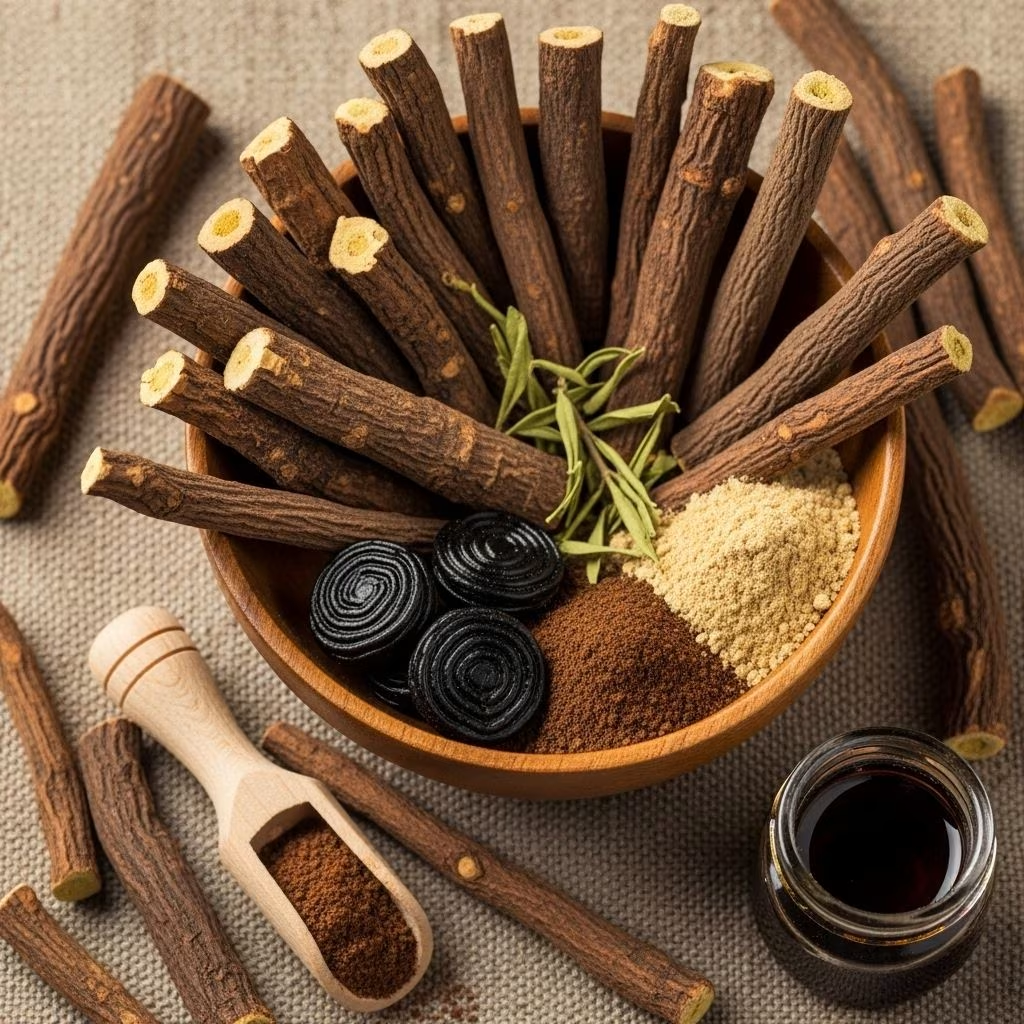
Licorice root, sourced from the Glycyrrhiza glabra plant, has been integral to traditional medicine for centuries—from ancient Egypt and Greece to modern-day herbal practices. Today, scientific research is uncovering its complex effects on health, revealing both promising medicinal applications and important safety considerations. This guide explores licorice root’s benefits, mechanisms, usage methods, potential side effects, and expert tips for informed, responsible consumption.
Introduction to Licorice Root
Licorice root is derived from the perennial herb Glycyrrhiza glabra, native to Southern Europe and parts of Asia. Its sweet, earthy flavor makes it a common additive in candies, teas, herbal supplements, and traditional tinctures. However, beyond its role as a flavoring agent, licorice has a rich history as a multipurpose medicinal herb in Ayurveda, Traditional Chinese Medicine, and Western herbalism.
Throughout history, licorice root has been used to treat digestive issues, coughs, fatigue, and to balance other botanicals in complex herbal formulas.
Active Compounds in Licorice Root
Licorice root’s pharmacological activity stems from several bioactive substances, with glycyrrhizin being the most notable. Other important constituents include:
- Glycyrrhizin (glycyrrhizic acid): Offers anti-inflammatory and antiviral actions, but responsible for most adverse effects.
- Flavonoids (e.g., liquiritin, glabridin): Contribute antioxidant, neuroprotective, and metabolic effects.
- Glycyrrhetinic acid: A metabolite of glycyrrhizin with anticancer and anti-inflammatory activities.
- Saponins and coumarins: Further enhance immunomodulatory and antimicrobial activity.
These compounds interact with human physiology in complex ways, which explains both the medicinal promise and the safety challenges of licorice root supplements.
Evidence-Based Health Benefits
Modern scientific research is validating and clarifying many of the traditional uses of licorice root, while uncovering new therapeutic avenues. The following summarizes the strongest evidence-backed health benefits:
Liver Health
- Licorice root extract has demonstrated significant benefits for liver health, especially in nonalcoholic fatty liver disease (NAFLD). Controlled studies report improvements in liver enzymes, insulin resistance, and oxidative stress parameters after 12 weeks of supplementation compared to placebo groups.
- Animal studies reveal that licorice root may reduce liver damage and histopathological changes induced by obesity or toxins.
Cardiovascular Health
- Some clinical trials show licorice extract can reduce total cholesterol, LDL cholesterol, and triacylglycerol levels in individuals with high cholesterol.
- There is evidence suggesting a decrease in carotid intima-media thickness (a marker of atherosclerosis) and systolic blood pressure among those consuming licorice for one year.
Metabolic and Weight Regulation
- Studies in animals and humans indicate licorice flavonoids may suppress abdominal fat accumulation and lower blood glucose, pointing to potential roles in managing obesity and type 2 diabetes.
- Combined with calorie reduction, licorice extract appears to improve lipid profiles and cardiovascular risk indices in overweight adults.
Digestive System Support
- Licorice root is traditionally used as a demulcent to soothe digestive discomfort, and research supports its ability to increase mucus production in the stomach, protecting the lining and aiding in ulcer prevention and healing.
- It can suppress production of gastrin, a hormone that stimulates gastric acid, further protecting against ulcers.
Neurological Support
- Licorice root contains neuroprotective compounds. Clinical trials suggest improved neurological scores in patients with acute ischemic stroke who received licorice extract versus placebo.
- Small clinical and ethnomedicine trials support possible symptom relief in Parkinson’s disease patients and general brain health improvement.
Immune, Antibacterial, and Antiviral Properties
- Licorice contains phytochemicals that inhibit viral replication and bacterial growth, showing activity against Staphylococcus, Streptococcus, Candida, herpes simplex virus, respiratory syncytial virus (RSV), and even HIV in laboratory settings.
Cancer Research
- Laboratory studies reveal that glycyrrhizin and its derivatives can induce apoptosis (programmed cell death) in certain cancer cell lines, including stomach, leukemia, and liver cancer cells. However, more research is needed before clinical recommendations can be made.
Hormonal and Menopausal Effects
- Licorice root is a natural source of phytoestrogens. Animal studies show improved estrogen and progesterone activity, alongside better calcium metabolism, suggesting possible benefits for menopausal women as an alternative to hormone replacement therapy.
Quick Summary Table: Claimed and Supported Benefits
| Health Area | Evidence Level | Examples |
|---|---|---|
| Liver Health | Moderate/Strong (Clinical studies) | NAFLD enzyme improvement, oxidative stress |
| Digestion | Moderate (Clinical/lab) | Ulcer healing, gastritis soothing |
| Cardiovascular | Early/Moderate (Small studies) | Cholesterol, BP lowering |
| Antimicrobial/Immune | Strong (Lab/animal) | Antiviral, antibacterial (HSV, HIV, RSV) |
| Hormonal/Menopause | Emerging (Animal, limited clinical) | Phytoestrogen support |
| Cancer research | Experimental (Lab studies) | Apoptosis in cancer cells |
Potential Side Effects and Risks
While licorice root offers a range of health benefits, its active compounds—especially glycyrrhizin—can cause significant side effects when used improperly or in excess. Awareness of these risks is crucial for safe consumption.
- High Blood Pressure (Hypertension): Glycyrrhizin can cause the body to retain sodium (salt) and lose potassium, raising blood pressure and increasing fluid retention. This effect can be serious, particularly in people with preexisting heart or kidney conditions.
- Low Potassium Levels (Hypokalemia): Licorice-induced potassium loss can disrupt heart rhythms, resulting in arrhythmia or even sudden cardiac events in sensitive individuals.
- Hormonal and Electrolyte Disturbance: By altering adrenal gland function, high glycyrrhizin intake can mimic hyperaldosteronism syndrome—leading to headaches, weakness, and, rarely, muscle paralysis or convulsions.
- Medication Interactions: Licorice root can interfere with diuretics (water pills), blood pressure drugs (e.g., Aldactone), warfarin, and corticosteroids, causing potentially dangerous effects or reducing medication effectiveness.
- Pregnancy and Child Development: Research links high maternal licorice intake to increased risk of premature birth and neurodevelopmental issues in offspring. Pregnant women should avoid licorice root supplements.
Summary Table: Common Adverse Effects
| Side Effect | Mechanism | Who Is at Risk |
|---|---|---|
| High Blood Pressure | Increased sodium retention, lowered potassium due to glycyrrhizin | People with heart, kidney, or adrenal issues |
| Irregular Heartbeat (Arrhythmia) | Hypokalemia (low potassium) | Anyone, but especially those on cardiac meds |
| Drug Interactions | Alters metabolism of diuretics, antihypertensives, warfarin, steroids | Patients using these medications |
| Poor Fetal Development | Unknown, but observed in some maternal studies | Pregnant women and fetuses |
How to Use Licorice Root Safely
Because of its potent biological effects, licorice root should be used thoughtfully. Here are general tips for safe and effective use:
- Consult your healthcare provider before starting licorice root if you have health conditions, take medications, are pregnant, or are considering pediatric use.
- Choose deglycyrrhizinated licorice (DGL) extracts if you seek digestive benefits but want to avoid most adverse systemic effects. DGL supplements remove most glycyrrhizin and are less likely to cause hypertension.
- Follow dosage instructions on commercial products or those given by your practitioner. Exceeding recommended amounts increases your risk of toxicity.
- Do not use licorice root daily for more than four to six weeks without medical supervision.
- Monitor for symptoms like headache, swelling, weakness, or abnormal heartbeat and discontinue if these occur.
Common Dosage Forms and Preparations
- Whole dried root: Often steeped as tea, chewed, or incorporated in herbal blends.
- Powdered extract: Used in capsules, tablets, or to blend into drink mixes.
- Standardized extracts: Concentrated for specific compounds (glycyrrhizin or DGL); taken as capsules, pills, or liquids.
- Liquid tinctures: Alcohol-based extracts, commonly used in herbal medicine dosing protocols.
- Tea bags: Gentle, dilute forms typically used for digestive complaints or general health.
Dosages vary substantially between preparations and brands. A common dose is 1–5 grams of root (or equivalent extract) per day for short-term use, but professional guidance is always advised.
Precautions, Contraindications, and Drug Interactions
- Avoid licorice supplements if you:
- Have high blood pressure, heart disease, kidney problems, or adrenal gland disorders
- Are pregnant or breastfeeding
- Are taking diuretics, corticosteroids, warfarin, blood pressure medications, or have electrolyte imbalances
- Safe use in children is not established; pediatric use should only occur under expert supervision.
- Certain populations, such as the elderly, are more vulnerable to electrolyte disturbances from licorice root.
Interactions can occur with numerous medicines. Licorice may counteract blood pressure medications or diuretics or exacerbate potassium loss. Always check with a qualified professional before adding to your regimen.
Frequently Asked Questions (FAQs)
Q: Can licorice root help with a sore throat or cough?
A: Yes, licorice root is a traditional remedy for soothing sore throats, coughs, and minor respiratory irritation due to its anti-inflammatory and demulcent properties. Modern research supports its effectiveness in herbal cough syrups and lozenges, though it should not replace medical care for severe infections.
Q: Is it safe to use licorice root while pregnant?
A: No. Studies indicate higher risk of developmental abnormalities in children born to mothers consuming large amounts of licorice. Pregnant and lactating women should avoid medicinal licorice root.
Q: What is the difference between licorice candy and medicinal licorice root?
A: Most “licorice candies” today contain little to no real licorice root and are flavored instead with aniseed oil. Only traditional European candies or herbal products contain genuine licorice—and sometimes at unsafe levels if eaten in excess.
Q: How soon will I notice benefits from licorice root?
A: Digestive and throat-soothing effects often appear within a few days. Benefits for cholesterol, liver, or hormonal health require weeks to months and are best tracked under professional care.
Q: Are licorice supplements regulated for quality?
A: Like most herbal remedies, licorice root products are not strictly regulated in many regions. Choose reputable brands with third-party testing and clear labeling to minimize risk of contamination or incorrect dosing.
Conclusion
Licorice root offers evidence-based advantages for digestive, metabolic، liver، immune، and possibly hormonal health، but also presents genuine risks when misused. Modern clinical studies validate some traditional uses but highlight the necessity for caution، especially regarding glycyrrhizin-induced side effects. Used wisely، licorice can be a valuable addition to integrative health plans—just remember that natural does not always mean harmless.
References
- https://consensus.app/home/blog/health-benefits-of-licorice-root/
- https://www.webmd.com/diet/health-benefits-licorice-root
- https://www.pharmacist.com/Blogs/CEO-Blog/licorice-root-may-raise-bp
- https://pmc.ncbi.nlm.nih.gov/articles/PMC8703329/
- https://www.nccih.nih.gov/health/licorice-root
- https://www.urmc.rochester.edu/encyclopedia/content?contenttypeid=19&contentid=licorice
- https://www.mskcc.org/cancer-care/integrative-medicine/herbs/licorice
- https://www.alzdiscovery.org/uploads/cognitive_vitality_media/Licorice-Root-Cognitive-Vitality-For-Researchers.pdf


