


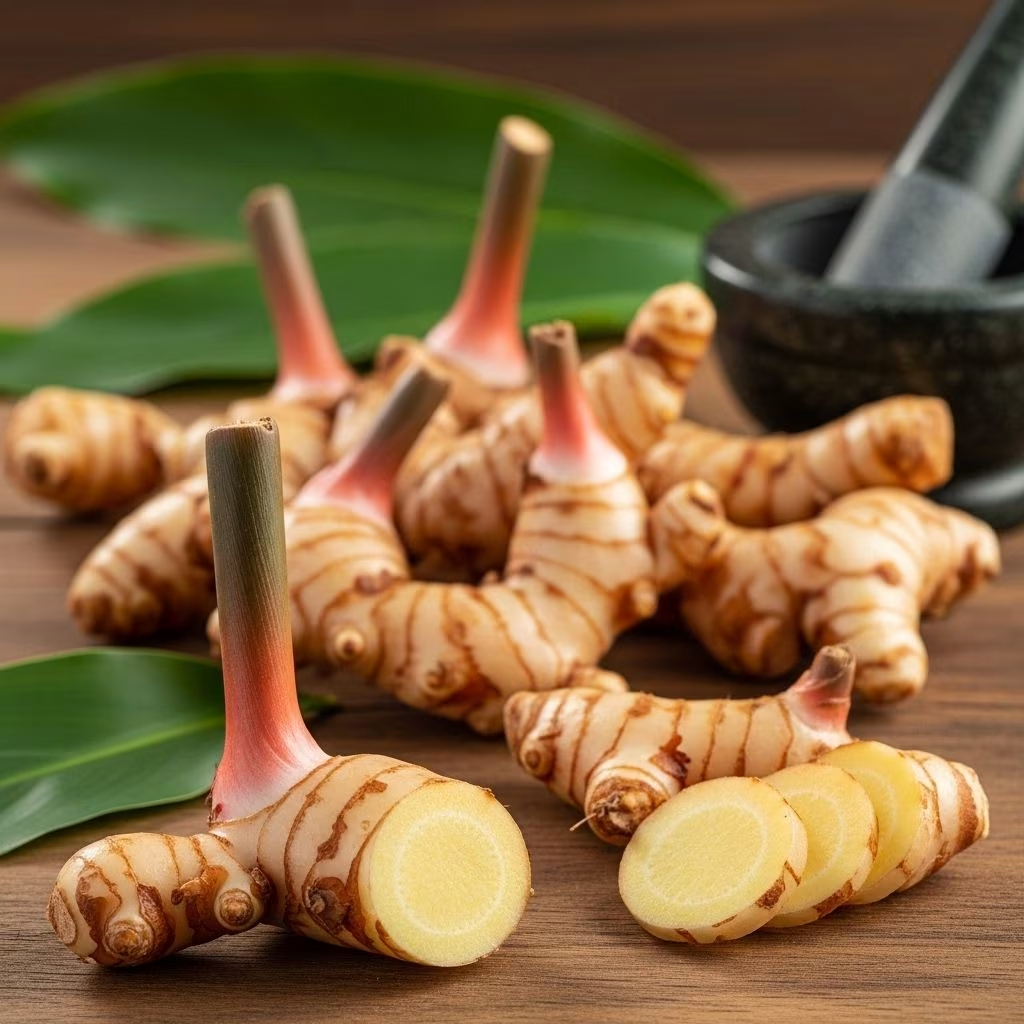
Lesser galangal (Alpinia officinarum) is a treasured yet often underappreciated member of the ginger family, famed for its pungent spice, medicinal history, and vibrant culinary uses across Asia and Europe. This article provides an extensive overview of lesser galangal: its plant characteristics, key health benefits, culinary and medicinal applications, how it stands out from similar roots, and answers to frequently asked questions.
Lesser Galangal: An Overview
Lesser galangal, scientifically known as Alpinia officinarum, is a perennial rhizomatous herb belonging to the Zingiberaceae (ginger) family. Prized for centuries as both a culinary spice and traditional medicine, this root has been a staple in Southeast Asian, Middle Eastern, and European herbal traditions.
- Other names: Chinese ginger, Kah, Galingale, Laos Root
- Main uses: Culinary spice, digestive aid, anti-inflammatory remedy, ornamental plant
- Storage forms: Fresh, dried, powdered, sliced, or whole rhizome
- Year-round availability in tropical regions and Asian markets
Botanical Description & Origin
| Characteristic | Description |
|---|---|
| Scientific Name | Alpinia officinarum |
| Family | Zingiberaceae (Ginger family) |
| Origin | Southern China and Southeast Asia |
| Common Names | Lesser Galangal, Chinese Ginger, Kah, Laos Root |
| Plant Type | Clumping perennial herb; culinary and medicinal rhizome |
| Typical Height | Approx. 3–5 ft (1–1.5 m) |
| Flowers | Small white blooms with pink streaks |
| Leaves | Lance-shaped, evergreen in tropical climates |
| Harvest Season | Year-round in tropics; mainly fall elsewhere |
Appearance
- Rhizomes: Long, slender, fingerlike, reddish-brown skin with yellow-white ring-shaped scars; flesh is dense and reddish or ivory to pale yellow depending on age.
- Plant: Upright reedlike stems, lance-shaped leaves, and clusters of white flowers streaked with pink.
Lesser galangal thrives in warm, humid gardens with filtered sunlight and well-draining, moist soil. The plant is often grown from divided rhizomes and makes an attractive, aromatic addition to home gardens or tropical landscapes.
Lesser vs. Greater Galangal: What’s the Difference?
There are two primary species known as galangal, which are often confused:
| Feature | Lesser Galangal (Alpinia officinarum) | Greater Galangal (Alpinia galanga) |
|---|---|---|
| Origin | China, Southeast Asia | Indonesia |
| Rhizome Size | Small, slender, fingerlike | Large, thick, bulbous |
| Color | Dark reddish-brown skin, reddish or ivory flesh | Tan to brown skin, paler flesh |
| Plant Height | 3–5 ft (1–1.5 m) | Over 6 ft (2 m+) |
| Flavor | More peppery, piney, warming | Milder, camphor-like, citrusy |
| Main Uses | Medicinal, subtle flavoring in food, Hildegard medicine | Southeast Asian soups and curries, curry pastes |
Tip: Lesser galangal is valued for medicinal potency and a sharper, more warming flavor, while greater galangal is preferred in Thai and Indonesian cooking for a milder, citrusy taste.
Taste Profile and Aroma
Lesser galangal is revered for its complex, aromatic flavor and fragrance:
- Flavor: Warm, peppery, slightly bitter, with earthy, pine-like notes and subtle citrus and mustard undertones.
- Aroma: Fruity-spicy, fresh with hints of fir needle and camphor; dried rhizome emits a sweeter, cinnamon-like scent.
- Texture: Hard, dense, and very fibrous—much tougher than ginger, requiring careful slicing or grating for culinary use.
Lesser galangal gives dishes a signature heat and depth, different from the lemony zing of greater galangal or the familiar warmth of ginger root.
Nutritional Properties
- Low in calories; typically used in small quantities due to intensity
- Rich in antioxidant compounds such as flavonoids and galangin
- Contains essential oils (like cineole and eugenol), vitamin C, trace minerals (iron, manganese)
- Dietary fiber aids in digestion
These nutritional elements contribute to lesser galangal’s reputation as both a functional food and herbal medicine.
Health Benefits & Medicinal Uses
Lesser galangal has a long history in traditional medicine across China, India, Europe, and Hildegardian herbalism. Its effects are both preventative and therapeutic:
Key Health Benefits
- Digestive Aid: Eases indigestion, gastrointestinal discomfort, nausea, bloating, and stomachaches. Its carminative action helps expel gas and soothe the gut.
- Anti-Inflammatory: Compounds in galangal can help reduce inflammation, potentially benefitting joint health and mitigating pain.
- Antioxidant Protection: Flavonoids and galangin help protect cells from oxidative stress and may slow aging-related cellular decline.
- Antimicrobial Properties: Traditionally used for mild respiratory tract infections; shown to inhibit some bacteria and fungi in laboratory studies.
- Circulatory Support: Used to promote healthy blood circulation and may support cardiovascular health, especially in Hildegardian medicine.
- Respiratory Relief: Employed for cough, bronchitis, and sore throat due to its warming, sinus-clearing effects.
- Adaptogenic Effects: Traditional healers recommend lesser galangal as a general tonic to improve resilience and vitality.
Traditional Medicinal Systems
- Traditional Chinese Medicine: Applied to invigorate the digestive tract and alleviate cold-related ailments.
- Indian Ayurveda: Used to balance digestive fire (“agni”) and treat conditions like stomachache or vomiting.
- Medieval European (Hildegardian Medicine): Praised for mood elevation, improved digestion, and support of heart health.
Culinary Uses and Preparation
Lesser galangal lends savory heat and aromatic depth to countless dishes. Its use varies by region and cuisine:
- Southeast Asian Cooking: Essential for spice pastes, curries, soups, and marinades in Malaysian, Indonesian, and Southern Chinese cuisine.
- Middle Eastern Cuisine: Featured in spice blends, meat dishes, and pickles.
- European Dishes: Medieval and Renaissance recipes included galangal in sauces, fermented drinks, and even confectionery; now used mainly in traditional liqueurs and herbal bitters.
- Forms Used: Freshly grated, thinly sliced, or dried and powdered. It may also be infused into stocks or syrups for flavor.
How to Use in Cooking
- Peel: Use a paring knife to remove tough outer skin.
- Slicing/Grating: Thin slices or fine gratings are best for releasing flavor and aiding digestion.
- As a Spice: Add to simmering soups or stews, then remove before serving, as the root itself is tough and fibrous.
- Tinctures & Herbal Teas: Slice and steep in hot water or alcohol for medicinal infusions.
- Powder: Used for herbal capsules or spice blends.
Sample Culinary Uses
- Spice base for Tom Yum soup, rendang, and laksa
- Flavoring in pickled vegetables or relishes
- Infused in honey, tea, or tonic beverages
- Added to sweets, breads, and even condiments for a peppery bite
How to Source, Store, and Use Lesser Galangal
Finding Lesser Galangal:
- Specialty Asian groceries and spice markets
- Some health food stores or herbal apothecaries
- Online retailers—available as fresh rhizome or as dried slices/powder
Storage Tips:
- Fresh rhizome: Store in a cool, dry place or refrigerate, using within a few weeks.
- Dried/powder: Store in tightly sealed containers away from sunlight and moisture to retain potency up to 2 years.
Potential Side Effects and Precautions
- Generally safe in culinary amounts and traditional therapeutic doses
- Potential for mild heartburn or stomach upset in sensitive individuals
- Excessive amounts may irritate mucous membranes (mouth, stomach lining)
- Pregnant or breastfeeding women should consult a healthcare provider before medicinal use
- Check for possible interactions if on medication or with pre-existing conditions
Frequently Asked Questions (FAQs)
Q: Can I substitute ginger or turmeric for lesser galangal in recipes?
A: Ginger and turmeric offer warm flavors but do not fully replicate galangal’s unique peppery, piney taste. For authentic dishes, lesser or greater galangal is preferable.
Q: What is the recommended dose for medicinal use?
A: Traditional doses vary but typically range from 1 to 3 grams of dried rhizome per day as tea or tincture. Always consult a qualified practitioner for personalized guidance.
Q: Can I grow lesser galangal at home?
A: Yes, it can be grown in warm, humid climates. Plant rhizomes in well-drained, fertile soil with partial sun. It makes an excellent ornamental in tropical gardens or containers.
Q: How can I tell the difference between greater and lesser galangal at the store?
A: Lesser galangal generally has a thinner, redder, and fingerlike rhizome. Greater galangal is thicker, bulbous, and paler. Check for labeling or ask the vendor for clarification.
Q: Is lesser galangal suitable for people with food allergies?
A: True allergies to galangal are rare, but as with any new spice or medicinal root, introduce it in small quantities and monitor for reactions.
Conclusion
Lesser galangal combines culinary intrigue, ornamental beauty, and centuries-old health wisdom. Whether seeking to revive traditional recipes, explore natural remedies, or experience bold new flavors, this underutilized root offers a world of aroma, taste, and healing—waiting beneath its reddish skin.
References
- https://sowexotic.com/products/lesser-galangal-alpinia-officinarum
- https://specialtyproduce.com/produce/Galangal_Root_618.php
- https://www.healthyhildegard.com/what-is-galangal/
- https://naturesproduce.com/encyclopedia/galanga-root/
- https://www.healthline.com/nutrition/galangal-root
- https://plantura.garden/uk/vegetables/galangal/galangal-overview
- https://www.tilda.com/en-in/blog/ingredient-guide/a-guide-to-galangal/
- https://unitproj.library.ucla.edu/biomed/spice/index.cfm?displayID=29


