


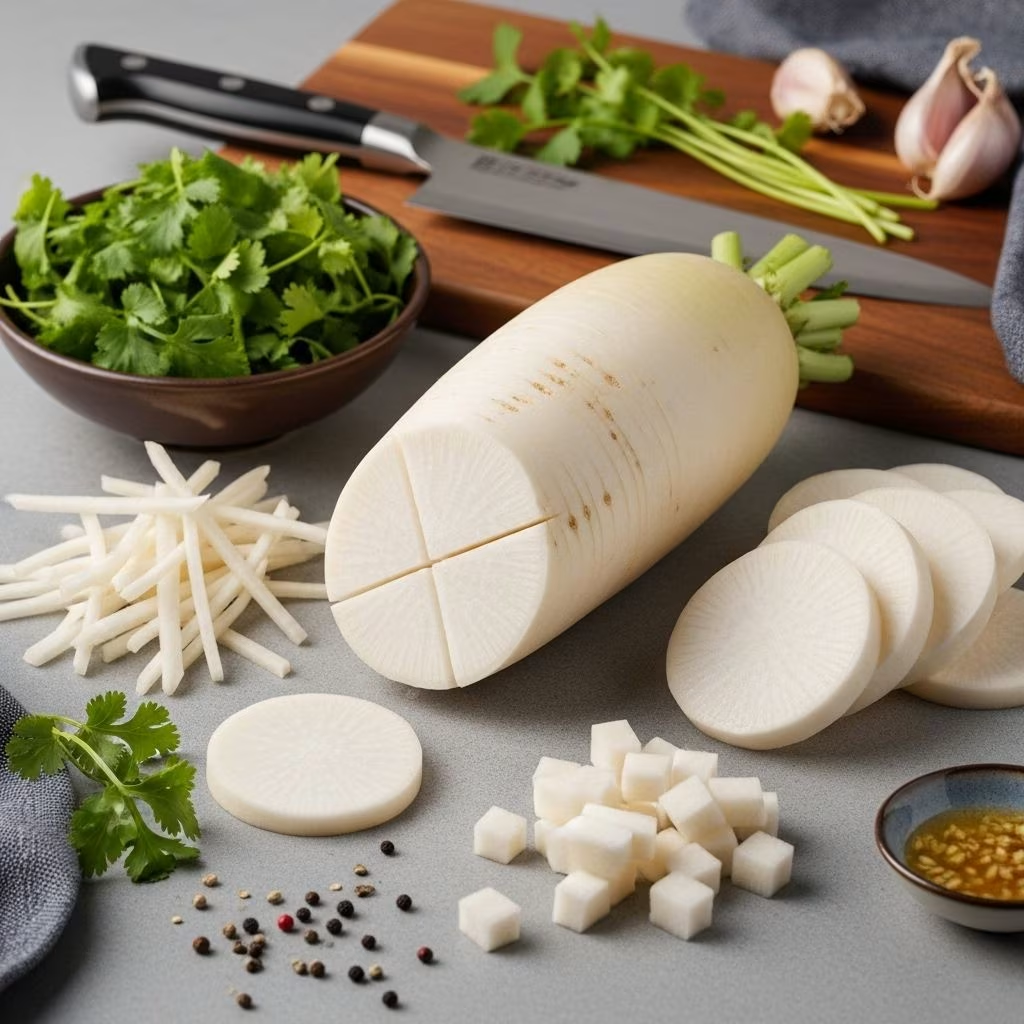
What Is Lo Bok?
Lo Bok is a distinctive Asian radish variety that belongs to the same botanical family as the more widely known daikon radish. This crisp, sweet vegetable has been cultivated for centuries, with its origins tracing back to ancient China. Unlike its elongated daikon cousin, Lo Bok presents a unique football-like shape that makes it easily recognizable in Asian markets and specialty produce sections.
The name “Lo Bok” stems from its Chinese heritage, and this versatile root vegetable has become an integral part of various Asian cuisines, particularly in Korean, Chinese, and Japanese cooking traditions. What sets Lo Bok apart from other radish varieties is its distinctive shape, mild flavor profile, and remarkable versatility in both raw and cooked applications.
As a member of the Brassicaceae family, Lo Bok shares many characteristics with other cruciferous vegetables, offering significant nutritional benefits while maintaining a pleasant, approachable taste that appeals to a wide range of palates. Its popularity has spread beyond Asian communities, finding its way into Western kitchens where health-conscious consumers appreciate its low calorie content and high nutritional value.
Physical Characteristics and Varieties
Size and Shape
Lo Bok radishes are notably larger than common red radishes, typically measuring between 6 to 15 inches in length and averaging 2 to 3 inches in diameter. Their distinctive oblong, football-like shape distinguishes them from the long, carrot-shaped daikon radishes. This plump, rounded form makes them particularly suitable for certain preparation methods and presentations.
Appearance and Color Variations
The exterior of Lo Bok radishes features smooth, firm skin that can range from pure white to displaying a bicolored appearance with white bases and pale green shoulders. Some varieties, such as the Purple Lo Bok, showcase more dramatic color variations. The skin should appear shiny and taut when fresh, without any soft spots or blemishes.
Underneath the skin, the flesh is consistently white, dense, and semi-aqueous with a crisp texture that provides a satisfying snap when bitten. The flesh maintains its firmness well, making it excellent for both raw preparations and cooking applications where texture retention is important.
Korean Radish Variety
Korean radishes, often referred to as Mu, Joseon radish, or Moo, represent a specific variety of Lo Bok that typically measures 15 to 20 centimeters in length and 7 to 8 centimeters in diameter. These varieties often display the characteristic white and green coloring and are particularly prized in Korean cuisine for their perfect balance of sweetness and peppery notes.
Nutritional Benefits and Health Properties
Vitamin and Mineral Content
Lo Bok radishes are nutritional powerhouses, particularly excelling as sources of vitamin C and dietary fiber. A 100-gram serving provides a significant portion of daily vitamin C requirements, supporting immune system function and collagen synthesis. The vegetable also contains beneficial amounts of carotene, contributing to eye health and overall antioxidant protection.
Low-Calorie Nutritional Profile
One of Lo Bok’s most attractive features for health-conscious consumers is its extremely low calorie content. This makes it an excellent choice for weight management programs while still providing substantial nutritional benefits. The high water content contributes to hydration while the fiber content promotes satiety.
Digestive Health Benefits
Traditional Korean and Chinese medicine has long recognized Lo Bok’s beneficial effects on digestive health. The vegetable contains natural enzymes that may aid in digestion, and its fiber content supports healthy gut function. Regular consumption, whether raw or in fermented forms like kimchi, is believed to promote digestive wellness.
Nutritional Comparison Table
| Nutrient | Amount per 100g | Daily Value % |
|---|---|---|
| Calories | 18 | 1% |
| Vitamin C | 22mg | 27% |
| Dietary Fiber | 1.6g | 6% |
| Potassium | 227mg | 5% |
| Folate | 28mcg | 7% |
Taste Profile and Texture
Raw Flavor Characteristics
When consumed raw, Lo Bok offers a complex flavor profile that begins with a mild, sweet taste and develops into subtle peppery notes. The intensity of the peppery finish can vary depending on the specific variety and growing conditions, but it generally remains much milder than traditional red radishes. This balanced flavor makes it appealing to those who might find other radishes too sharp or pungent.
Textural Properties
The texture of Lo Bok is one of its most celebrated features. The flesh provides a satisfying crunch that holds up well in both raw and lightly cooked preparations. This crisp, snap-like quality makes it excellent for adding textural interest to salads, slaws, and stir-fries. The semi-aqueous nature of the flesh contributes to its refreshing quality when eaten raw.
Cooked Flavor Development
Cooking transforms Lo Bok’s flavor profile significantly. When subjected to heat, the peppery notes mellow considerably, and the natural sweetness becomes more pronounced. The texture softens to a velvety consistency while retaining enough structure to hold its shape in soups, braises, and stir-fries. This versatility makes it suitable for a wide range of cooking methods.
Culinary Uses and Cooking Methods
Raw Applications
Lo Bok excels in raw preparations where its crisp texture and mild flavor can shine. It makes an excellent addition to green salads, where it provides both crunch and nutritional value without overwhelming other ingredients. Grated Lo Bok can be incorporated into slaws, used as a garnish, or served as a refreshing side dish.
In Korean cuisine, raw Lo Bok is often julienned and served as a palate cleanser or incorporated into fresh kimchi preparations. The vegetable’s ability to absorb flavors while maintaining its texture makes it ideal for marinated salads and pickled preparations.
Cooking Methods and Techniques
Lo Bok responds well to various cooking methods, each bringing out different aspects of its flavor and texture profile:
Stir-frying: Quick stir-frying preserves the vegetable’s crunch while developing its natural sweetness. It pairs excellently with other Asian vegetables and absorbs the flavors of sauces and seasonings.
Braising: Longer cooking methods like braising transform Lo Bok into a tender, flavorful component that absorbs the essence of broths and cooking liquids. It works particularly well in ginger-seafood broths with tofu and other vegetables.
Steaming and Boiling: These gentler cooking methods preserve much of the vegetable’s nutritional content while softening its texture. Shorter cooking times help maintain some textural interest.
Pickling: Lo Bok’s dense flesh makes it excellent for pickling, where it can absorb acidic solutions while maintaining structural integrity.
Traditional Preparations
One of the most celebrated traditional preparations is Lo Baak Gor, a heavy pudding made from grated Lo Bok. This dish showcases the vegetable’s ability to serve as a substantial ingredient rather than merely a supporting element. In Korean cuisine, Lo Bok is essential in many kimchi varieties, where fermentation develops complex flavors while preserving the vegetable’s beneficial properties.
Selection and Storage Tips
Choosing Quality Lo Bok
When selecting Lo Bok at the market, look for specimens that are well-formed and similarly shaped without irregularities that might indicate poor growing conditions. The ideal Lo Bok should feel heavy for its size, indicating high moisture content and freshness. The skin should be smooth and firm, with a shiny appearance that suggests recent harvest.
Avoid Lo Bok with soft spots, which indicate deterioration, or any signs of sprouting, which suggests the vegetable is past its prime. The surface should be free of cuts or blemishes that could provide entry points for bacteria and accelerate spoilage.
Proper Storage Techniques
Proper storage is crucial for maintaining Lo Bok’s quality and extending its shelf life. Store unwashed Lo Bok in a plastic bag in the refrigerator, where it can maintain its quality for up to 10 days. The plastic bag helps maintain humidity levels while preventing the vegetable from drying out.
For optimal storage conditions, maintain temperatures between 32-36°F (0-2°C) with 90-98% relative humidity. Low humidity environments can cause the Lo Bok to become flabby and lose its characteristic crisp texture and fresh flavor.
Preparation Methods
Basic Preparation Steps
Before using Lo Bok, it should be thoroughly scrubbed with a brush under running water to remove any soil or debris from the surface. Most recipes call for peeling the vegetable, though young, tender specimens may be used with the skin on after thorough cleaning.
For grating applications, use a sharp metal grater to achieve consistent results. The vegetable can be left whole, sliced, shredded, or chopped depending on the intended use. When preparing Lo Bok for cooking, remember that shorter cooking times preserve more of its flavor and nutritional content.
Preparation Techniques for Different Uses
For salads and raw applications, julienne cutting creates attractive strips that distribute evenly throughout the dish. For soups and braises, larger chunks work well as they maintain their shape during longer cooking periods. Grating works best for applications where the Lo Bok needs to integrate thoroughly with other ingredients.
Cultural Significance
Historical Background
Lo Bok’s history stretches back to ancient China, where it was cultivated not only as a food source but also valued for its medicinal properties. The vegetable played a crucial role in traditional Chinese medicine, where it was used to support digestive health and overall wellness.
Role in Asian Cuisines
In Korean cuisine, Lo Bok (known as Mu) is indispensable, appearing in countless traditional dishes from soups to kimchi varieties. Its importance extends beyond mere sustenance, playing a role in cultural celebrations and traditional food preservation methods that helped communities survive harsh winters.
Chinese culinary traditions have incorporated Lo Bok into both everyday meals and special occasion dishes, appreciating its versatility and ability to complement both simple and complex flavor profiles. Japanese cuisine has also embraced variations of this vegetable, often featuring it in pickled preparations and as a component in traditional hot pot dishes.
Lo Bok vs. Other Radish Varieties
Lo Bok vs. Daikon
While both belong to the same botanical family, Lo Bok and daikon radishes differ significantly in shape and application. Daikon radishes are typically longer and more slender, resembling large white carrots, while Lo Bok presents a shorter, thicker, football-like appearance. Flavor-wise, both offer mild, sweet profiles, but Lo Bok tends to be slightly sweeter with less pronounced peppery notes.
Lo Bok vs. Red Radishes
Common red radishes are much smaller and pack a more intense, peppery punch compared to Lo Bok’s mild, sweet flavor. The size difference makes them suitable for different applications, with red radishes serving primarily as garnishes or small additions to salads, while Lo Bok can serve as a substantial vegetable component in main dishes.
Comparison Table
| Characteristic | Lo Bok | Daikon | Red Radish |
|---|---|---|---|
| Shape | Short, football-like | Long, carrot-like | Small, round |
| Size | 6-15 inches long | 12-20 inches long | 1-2 inches diameter |
| Flavor | Mild, sweet | Mild, sweet | Sharp, peppery |
| Best Uses | Stir-fries, pickles | Soups, grating | Salads, garnish |
Frequently Asked Questions
Q: How long does Lo Bok last in the refrigerator?
A: When properly stored in a plastic bag in the refrigerator, Lo Bok can maintain its quality for 7 to 10 days. Look for firm texture and avoid any specimens that feel flabby or show soft spots.
Q: Can you eat Lo Bok raw?
A: Yes, Lo Bok is excellent when eaten raw. It provides a crisp, refreshing crunch with a mild, sweet flavor that makes it perfect for salads, slaws, and as a healthy snack.
Q: Do you need to peel Lo Bok before eating?
A: While peeling is recommended for most preparations, young, tender Lo Bok can be eaten with the skin on after thorough scrubbing. The skin is edible but may have a slightly different texture.
Q: What’s the difference between Lo Bok and Korean radish?
A: Korean radish (Mu) is actually a variety of Lo Bok. They share similar characteristics but Korean radishes often display the distinctive white and green coloring and may have slightly different flavor profiles.
Q: How do you reduce the peppery flavor in Lo Bok?
A: Cooking Lo Bok significantly reduces its peppery notes and enhances its natural sweetness. Even light cooking methods like brief stir-frying can mellow the flavor considerably.
Q: Is Lo Bok good for weight loss?
A: Yes, Lo Bok is excellent for weight management with only 18 calories per 100 grams. It’s high in fiber and water content, promoting satiety while providing essential nutrients.
Q: Can Lo Bok be frozen?
A: While Lo Bok can be frozen, it will lose its crisp texture upon thawing. Frozen Lo Bok is best used in cooked applications like soups and stews where texture change is less noticeable.
References
- https://www.melissas.com/products/lo-bok
- https://naturesproduce.com/encyclopedia/purple-lo-bok/
- https://resources.markon.com/produce-guide/radish-lo-bok
- https://bcfresh.ca/daikon-lo-bok/
- https://en.wikipedia.org/wiki/Daikon
- https://www.abetterchoice.com.au/seasonal-produce/lo-bok-daikon/
- https://specialtyproduce.com/produce/Korean_Radish_178.php
- https://www.healthline.com/nutrition/daikon-radish
- https://www.fruitandveggie.com/daikon-radish-12/


