


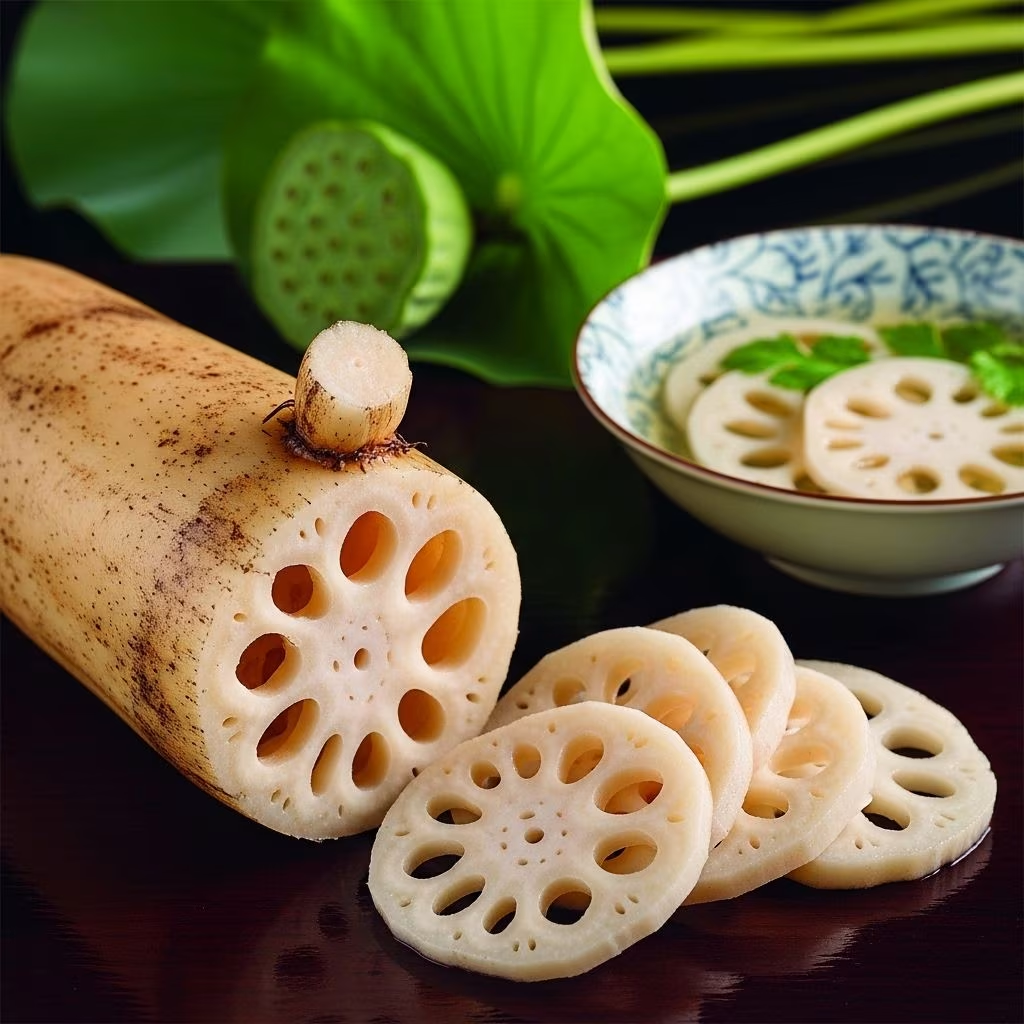
Lotus root is a cherished staple vegetable in many Asian cuisines, celebrated for its crisp texture, subtle sweetness, and remarkable health benefits. This article provides a detailed exploration of what lotus root is, its impressive nutritional composition, potential health benefits, popular culinary uses, taste profile, and expert tips for buying, storing, and cooking it. Whether you are a nutrition enthusiast, home cook, or simply intrigued by exotic produce, this comprehensive guide will help you appreciate everything lotus root offers to the table and beyond.
What Is Lotus Root?
Lotus root is the edible rhizome (underground stem) of the lotus plant (Nelumbo nucifera), an aquatic perennial revered in Asian cultures for its spiritual symbolism and numerous uses. Recognizable by its elongated, tube-like shape and elegant lacework of holes when sliced, lotus root can grow to lengths of up to four feet beneath muddy pond waters.
- Botanical Family: Nelumbonaceae
- Other Names: Renkon (Japan), Ou (China), Kamal Kakdi (India), Ngau (Southeast Asia)
- Plant Parts Used: While the root is most commonly consumed, lotus flowers, seeds, stems, and leaves are all edible and used in various remedies and cuisines.
Lotus root’s symbolic significance, featuring in art and medicine, is matched by its culinary prominence—prized for both its texture and subtle flavor in Japanese, Chinese, Korean, Indian, and other Asian traditions.
Nutritional Profile of Lotus Root
Lotus root is a nutrient-dense, low-calorie vegetable rich in essential vitamins, minerals, antioxidants, and dietary fiber. Its subtle sweetness and satisfying crunch belie a powerhouse of nutrition, making it an excellent addition to healthy diets.
| Nutrient | Amount |
|---|---|
| Calories | 79 kcal |
| Water | 76.26 g |
| Protein | 1.94 g |
| Fat | 0.1–0.9 g |
| Carbohydrates | 14.7–19.8 g |
| Dietary Fiber | 4.7–5.6 g |
| Sugar | 0.3 g |
| Vitamin C | 26.6–50.6 mg |
| Thiamin (B1) | 0.07–0.2 mg |
| Riboflavin (B2) | 0.05–0.3 mg |
| Vitamin B6 | 0.19–0.3 mg |
| Folate | 15–26.49 mcg |
| Potassium | 611–639 mg |
| Calcium | 37.71–51.8 mg |
| Iron | 1.3–3.34 mg |
| Phosphorus | 74.3–115 mg |
| Magnesium | 13.2–26.58 mg |
| Copper | 0.22–0.3 mg |
| Manganese | 0.3–1.4 mg |
| Sodium | 20.6–46 mg |
| Zinc | 0.35 mg |
| Selenium | 4.61 mcg |
Lotus root also boasts beneficial plant compounds, including flavonoids and polyphenols, that offer further advantages for health.
Health Benefits of Lotus Root
Lotus root’s nutritional abundance translates into a diverse set of health-promoting properties, many of which have long been recognized in both traditional and modern scientific literature.
- Promotes Glowing, Healthy Skin
Lotus root’s high vitamin C content (up to 56% of daily value per 115 g serving) supports collagen production, skin elasticity, and protects against oxidative stress and aging by neutralizing free radicals. It may also help reduce hyperpigmentation and skin discoloration. - Enhances Brain Function
As a copper-rich food, lotus root aids neural health. Sufficient copper supports neurotransmitter synthesis and helps prevent cognitive decline, while polyphenolic compounds in lotus root may promote brain-derived neurotrophic factors, supporting neural growth and function. - Supports Cardiovascular Health
Potassium content helps regulate blood pressure by balancing sodium levels and relaxing blood vessels, contributing to heart health. High fiber also helps lower cholesterol and supports circulation by reducing arterial plaque buildup. - Boosts Immunity
Rich in vitamin C and antioxidants, lotus root strengthens the immune system, helping the body fend off infections and recover from illness more rapidly. - Aids Digestion & Weight Management
Fiber-rich lotus root promotes regularity, supports gut health, prevents constipation, and contributes to feelings of fullness, making it helpful for healthy weight management. - Reduces Stress and Improves Mood
B-vitamins and trace minerals help balance mood and may assist in the management of anxiety and depression. - Improves Blood Circulation
High iron and copper content help stimulate production of red blood cells, enhancing overall circulation and energy levels. - Potential Anti-Cancer Properties
Antioxidants and plant phenolics in lotus root may protect cells against DNA damage and tumor formation, though more research is needed for conclusive evidence.
Summary Table: Key Health Benefits of Lotus Root
| Attribute | Benefit |
|---|---|
| Skin Health | Rich source of vitamin C for collagen production and antioxidant protection |
| Brain Health | Supports neural pathways with copper and plant polyphenols |
| Cardiovascular | Lowers blood pressure, cholesterol, and improves blood circulation |
| Immunity | High antioxidants help resist illness |
| Digestive Health | High fiber aids gut function and regularity |
| Mood Balance | B-vitamins and copper support neurotransmitter synthesis |
| General Health | Low in calories and fat, rich in essential minerals |
Culinary Uses of Lotus Root
Lotus root’s unique appearance, crunchy texture, and mild, slightly sweet flavor make it a versatile ingredient across Asian cooking. Every part of the plant is used in some culinary capacity, but the root remains the star in kitchens from China to India to Japan.
- Stir-Fries and Sautés: Sliced lotus root remains crisp even when cooked, absorbing flavors of sauces and spices delightfully. A popular preparation in Chinese and Japanese cuisines.
- Soups and Stews: Often paired with mushrooms, pork, or other vegetables, lotus root pieces add body, sweetness, and crunch to brothy dishes.
- Salads: Blanched or lightly pickled lotus root is used in cold salads for a refreshing, crunchy element.
- Deep-Fried Snacks: Thinly sliced lotus root chips are popular as guilt-free snacks or garnishes across Asia.
- Stuffed Dishes: Some cultures stuff lotus root with sticky rice, minced meat, or bean paste before steaming or braising, yielding an elegant, nutrient-rich dish.
- Pickled Lotus Root: Vinegar-brined lotus root is tangy and crisp, often found in Japanese and Korean meals.
- Powders and Teas: Dried and powdered lotus root is used in teas, broths, or as a thickener in traditional herbal medicine.
Lotus root can be boiled, steamed, braised, roasted, fried, or eaten raw (with proper caution and preparation). Its versatility is reflected in both savory and lightly sweet recipes.
What Does Lotus Root Taste Like?
Lotus root is prized for its delicate, mildly sweet, and nutty flavor profile, with an underlying starchiness. When fresh and raw, it tastes subtly earthy—similar to a young coconut or jicama but less sweet, and is less earthy than potato. Its signature trait, however, is the extraordinary crispness and crunch in each bite, which persists even after cooking.
- Raw taste: Crisp, refreshing, and mildly sweet.
- Cooked taste and texture: Holds its crunch when quickly stir-fried or braised; becomes tender but remains structural when simmered longer in soups and stews.
- Comparisons: Reminiscent of water chestnut, potato, or bamboo shoot, but with a unique, lacey texture.
How to Buy and Store Lotus Root
Proper selection and storage ensure you enjoy the best flavor and texture. Here are key tips for sourcing and keeping lotus root:
- Shopping Tips:
- Find lotus roots in Asian grocery stores, specialty markets, or well-stocked produce sections. Look for long, firm, unblemished tubers without signs of mold or soft spots.
- Fresh lotus roots are beige or light brown, with a smooth skin and tight, crisp texture.
- Vacuum-packed, pre-peeled lotus root is also available; inspect for firmness and expiration date.
- Storage:
- Whole, unpeeled lotus roots can be kept in a cool, dark place or in the refrigerator crisper drawer for up to 2 weeks.
- Once cut, wrap the roots in a wet cloth or submerge in water (change daily), and use within a few days for best quality.
- To prevent browning, immediately soak cut lotus root pieces in acidulated water (water with a splash of lemon juice or vinegar).
How to Prepare and Cook Lotus Root
Preparing lotus root is simple and rewarding. Follow these basic steps to enjoy the best flavor and texture from this versatile root:
- Wash and gently scrub the exterior to remove any residual dirt.
- Peel the thin outer skin with a vegetable peeler or paring knife.
- Slice crosswise into rounds to reveal its signature “hole” pattern—aim for uniform 1/8″–1/4″ slices for even cooking.
- Soak slices in water with a few drops of lemon juice or vinegar to retain their creamy color and remove excess starch.
Common cooking methods:
- Boiling: Makes the root tender but not mushy—ideal for soups and stews.
- Stir-frying: A quick sauté preserves the crunch and highlights its sweetness.
- Steaming: Maintains nutrients and delivers a gentle flavor—great for salads and sushi.
- Frying: Thin slices crisp up beautifully, creating lotus root chips or tempura.
- Braising: With flavorsome liquids imparts complexity and tenderizes thicker slices.
Potential Side Effects and Precautions
Lotus root is considered safe and well tolerated for most people when cooked. However, there are a few precautions to keep in mind:
- Raw Lotus Root: May harbor parasites or bacteria—always wash thoroughly and preferably cook before consumption.
- Allergic Reactions: Very rare, but individuals with known sensitivities to related aquatic vegetables should exercise caution.
- Diabetes and Blood Sugar: While generally appropriate for diabetics owing to its fiber, those on strict carbohydrate-controlled diets should monitor serving sizes.
- Pesticide Residue: Peel roots and opt for organic sources where possible; wash well before use.
Frequently Asked Questions (FAQs)
Q: Can lotus root be eaten raw?
A: Lotus root can be eaten raw when sliced thin for salads, but it must be thoroughly washed and preferably peeled. Cooking is recommended to reduce any risk from bacteria or parasites.
Q: Does lotus root help with weight loss?
A: Yes, lotus root is low in calories and fat, high in fiber, and helps promote satiety, making it beneficial for healthy weight management when included in a balanced diet.
Q: What cuisines commonly use lotus root?
A: Lotus root is prominent in Chinese, Japanese, Korean, Vietnamese, and Indian cuisines, featuring in soups, stews, stir-fries, salads, snacks, and desserts.
Q: How do I know if lotus root has gone bad?
A: Spoiled lotus root develops a mushy texture, mold, dark spots, or unpleasant odors. Fresh lotus root should be firm and evenly colored throughout.
Q: Are there any contraindications for consuming lotus root?
A: There are no known severe contraindications for most people. However, those with allergies or compromised immunity should consult a healthcare provider before trying.
Conclusion
Lotus root is a fascinating ingredient that marries culinary appeal with nutritional and health benefits. Its vibrant presence in Asian cuisine, delightful taste, and health-promoting attributes make it a worthy addition to a well-rounded diet. From crunchy salads to simmered soups, the possibilities to incorporate lotus root into your menu are endless. With this knowledge, you can now enjoy the many flavors and advantages of lotus root with confidence and creativity.
References
- https://draxe.com/nutrition/lotus-root/
- https://happytummy.aashirvaad.com/en/healthy-eating/lotus-roots-benefits/
- https://www.lybrate.com/topic/benefits-of-lotus-root-and-its-side-effects
- https://www.healthline.com/health/8-uses-for-lotus
- https://pmc.ncbi.nlm.nih.gov/articles/PMC2994372/
- https://www.vinmec.com/eng/blog/health-benefits-of-lotus-en
- https://www.americansportandfitness.com/blogs/fitness-blog/lotus-root-nutrition-facts-pros-cons
- https://timesofindia.indiatimes.com/life-style/food-news/lotus-roots-its-culinary-uses-and-health-benefits/photostory/85211638.cms
- https://www.urmc.rochester.edu/encyclopedia/content?contenttypeid=76&contentid=11255-2


