


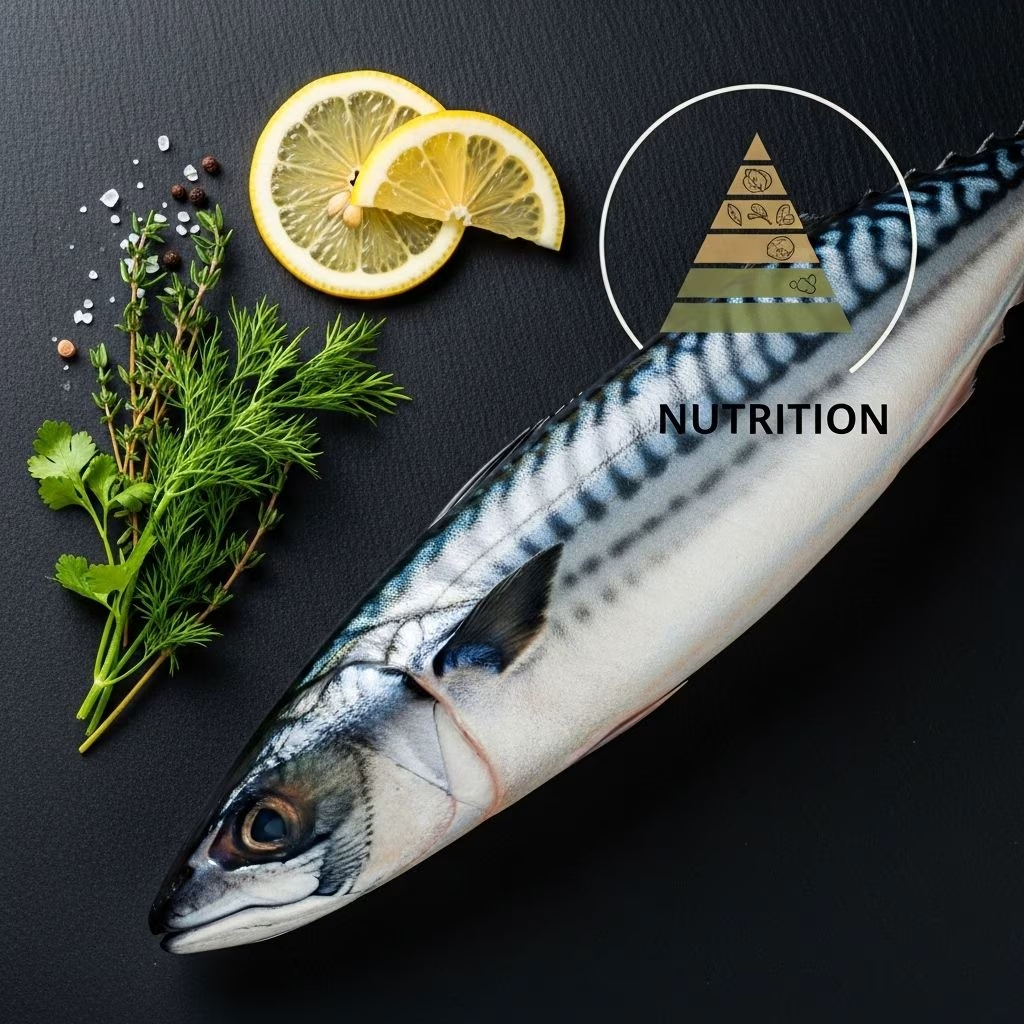
Mackerel is a name given to several species of pelagic fish known for their high nutritional value, distinctive taste, and versatility in global cuisines. This article delves into the many facets of mackerel, including its species varieties, nutritional benefits, culinary uses, and unique flavor, making it a must-read for seafood lovers and the health-conscious alike.
About Mackerel: Definition and Varieties
Mackerel refers to a diverse group of predatory, migratory fish in the family Scombridae—the same family as tuna and bonito. Most are characterized by a slender, torpedo-shaped body, deeply forked tail, and striking blue-green or silvery coloring, often marked by vertical or wavy stripes along their backs. Mackerel are fast swimmers, live in large schools, and are found in temperate and tropical seas globally.
- Scientific Classification: Most commonly Scomber scombrus (Atlantic mackerel), but also includes other species such as Scomber japonicus (Chub mackerel) and Scomberomorus cavalla (King mackerel).
- Habitats: North Atlantic, Mediterranean Sea, North Pacific, and tropical/subtropical regions worldwide.
- Appearance: Steel-blue to green backs, silvery flanks, distinct stripes or spotted patterns depending on species. Most lack prominent scales, giving smooth, streamlined bodies.
Key mackerel species include:
- Atlantic mackerel (Scomber scombrus): Common in temperate North Atlantic, strong flavor, high oil content.
- King mackerel (Scomberomorus cavalla): Found in western Atlantic and Gulf of Mexico, larger, milder than Atlantic variety.
- Spanish mackerel (Scomberomorus maculatus): Features yellow spots, often used in Southern US and Asian cuisine.
- Chub mackerel (Scomber japonicus): Popular in Asia, especially Japan as saba.
- Indian mackerel (Rastrelliger kanagurta): Common in South and Southeast Asia.
Physical Characteristics
- Length: Typically 25–40 cm (10–16 in); some reach 60 cm (24 in) and 3.4 kg (7.5 lbs).
- Body: Cylindrical, tapered, velvet-feel due to minuscule scales.
- Distinctive dorsal and anal finlets behind the main fins.
Nutritional Benefits of Mackerel
Mackerel stands out as a nutrient-dense fish, often recommended for a healthy diet by nutritionists and health agencies worldwide due to the following nutritional qualities:
- High in Omega-3 Fatty Acids: Rich in EPA and DHA, essential for heart, brain, and eye health.
- Excellent Source of Protein: Typically provides 19–21g protein per 100g serving.
- Packed with Vitamins: Notably high in vitamin D, vitamin B12, and niacin (B3). Also provides vitamin A and E.
- Rich in Minerals: Contains selenium, magnesium, potassium, phosphorus, and iodine.
- Low in Carbohydrates: Carbohydrate-free and suitable for low-carb/paleo/ketogenic diets.
- Healthy Fats: Contains monounsaturated and polyunsaturated fats, with a relatively low level of saturated fat.
| Nutrient (per 100g, cooked) | Amount |
|---|---|
| Calories | 205 kcal |
| Protein | 19g |
| Total Fat | 13.9g |
| Omega-3 (EPA/DHA) | ~2.5g |
| Vitamin D | 16 mcg (over 100% DV) |
| Vitamin B12 | 19 mcg (790% DV) |
| Selenium | 44 mcg |
| Potassium | 314 mg |
Values are approximate and can vary by species and preparation method.
Health Benefits of Consuming Mackerel
- Supports Heart Health: Omega-3s help reduce triglycerides, lower blood pressure, and decrease risk of heart disease.
- Brain Function and Mental Health: DHA plays a key role in cognitive performance, memory, and may reduce depression risk.
- Bone and Immune Health: High vitamin D content supports calcium absorption and a strong immune system.
- Blood Formation: High in vitamin B12, vital for red blood cell production and preventing anemia.
- Sustained Energy: B vitamins (especially B12 and niacin) support energy metabolism and reduce fatigue.
- Anti-Inflammatory Properties: Omega-3s help control systemic inflammation, potentially lowering the risk of chronic diseases and arthritis-related pain.
Taste and Flavor Profile
Mackerel’s taste is distinctive and beloved globally, but may be strong for the unaccustomed palate. Key features of its flavor include:
- Rich, Oily, Savory: Mackerel has a high oil content, leading to a “meaty” yet smooth mouthfeel and moist flake when cooked.
- Strong Flavor: More pronounced and robust than white fish; often described as “assertive,” “fishy,” or “umami-rich.”
- Sweet Notes: Underlying sweetness counterbalances the briny intensity, particularly when fresh.
- Pairs with Bold Seasonings: Lime, vinegar, spices, soy sauce, tomatoes, mustard, and smoky flavors complement mackerel best.
The taste can vary by species and freshness. Atlantic and chub mackerel tend to have the boldest flavors, while king and Spanish mackerel are milder. Fresh mackerel is preferred for its clean, sweet flavor; older fish can develop strong, unpleasant notes.
Culinary Uses and Cooking Methods
Mackerel’s versatility extends across many cuisines, with endless preparation options:
- Grilling & Broiling: The high oil content prevents drying, making mackerel perfect for grilling with minimal added fat; classic in Japanese, Mediterranean, and British cuisines.
- Baking: Whole or filleted mackerel bakes well, often with herbs, vegetables, or citrus for flavor and moisture.
- Smoking: Smoked mackerel is a delicacy with a rich, savory taste—commonly found in European and Japanese markets as hot-smoked or cold-smoked (kabayaki, saba shioyaki).
- Pickling & Curing: Scandinavian gravlax and “escabeche” styles use vinegar or acid cures to enhance flavor and shelf life.
- Raw/Sashimi: In Japanese cuisine, “saba” is lightly cured raw mackerel, prized for umami and freshness.
- Canned: Mackerel is widely available canned in brine, oil, tomato sauce, or with spices—nutritionally similar to fresh and highly convenient.
- Stir-frying, Stews, Soups: In Asian, African, and Caribbean cuisines, mackerel often appears in spicy soups, coconut-based curries, and hearty stews.
Below is a sample list of classic mackerel dishes by region:
- Japanese saba shioyaki (salt-grilled mackerel)
- British smoked mackerel pâté
- Portuguese carapau grelhado (grilled mackerel with olive oil and lemon)
- Norwegian pickled mackerel
- West African mackerel pepper soup
- Filipino tinapa (smoked mackerel)
Mackerel Compared: Types & Substitutes
| Species | Oil Content | Flavor | Common Uses |
|---|---|---|---|
| Atlantic mackerel | High | Strong, rich, savory | Grill, smoke, sashimi, pâté |
| King mackerel | Moderate | Mild, slightly sweet | Grill, bake, fry |
| Spanish mackerel | Moderate | Mild, delicate | Stir-fry, fry, soup |
| Chub mackerel | High | Strong, umami | Sashimi, broil, batter-fry |
| Cero/Indian mackerel | Moderate | Briny, fishy | Curry, grill, smoke |
Best Substitutes: Sardines, herring, anchovies, and small bluefish have a similar rich, oily texture and flavor.
Buying, Storing, and Preparing Mackerel
- Selecting Fresh Mackerel: Look for firm, shiny skin, clear eyes, minimal fishy odor, and bright red gills. Freshness is crucial for both flavor and safety.
- Storing: Use within 1-2 days of purchase, as oily fish spoil quickly. Refrigerate at 0–2°C (32–36°F). For longer storage, freeze or buy smoked/canned varieties.
- Preparation Tips: Clean thoroughly, as mackerel can spoil fast. If cooking whole, remove guts and rinse well. Filets should be pin-boned for best texture.
- Canned Mackerel: Store in a cool, dry pantry. Once opened, refrigerate and consume within 1–2 days.
Risks, Allergies, and Considerations
- Allergies: As with all seafood, fish or shellfish allergies may be triggered.
- Mercury Levels: Mackerel generally contains low to moderate mercury. Atlantic and Pacific mackerel are low, but king mackerel is high and best avoided (especially for pregnant women and children).
- Histamine (Scombroid Poisoning): Mackerel spoils quickly when unrefrigerated, forming histamines that can cause allergic-like reactions. Buy from reputable sources and store properly.
- Purine Content: Individuals prone to gout should moderate intake, as mackerel is high in purines.
Sustainability and Environmental Impact
- Atlantic mackerel: Generally recognized as a sustainable choice, with robust stocks in Europe and North America. However, some regional overfishing or quota disputes can threaten populations.
- Pacific and Spanish mackerel: Sustainably managed in most regions; look for MSC-certified sources.
- Methods: Purse-seining and mid-water trawling—commonly used for mackerel—have minimal bycatch or environmental damage compared to bottom trawls.
- Eco-Labels: Look for certifications such as MSC (Marine Stewardship Council) for the best assurance of sustainability.
Frequently Asked Questions (FAQs)
Q: Is mackerel healthier than salmon?
A: Mackerel and salmon are both highly nutritious, but mackerel generally offers even more omega-3s per serving and higher vitamin B12. Both are excellent omega-3 sources and are beneficial in a balanced diet.
Q: What does cooked mackerel taste like?
A: Cooked mackerel is moist, flaky, oily, and distinctly savory. Its flavor can be strong and bold—slightly “fishy”—making it a favorite for those who enjoy richer seafood flavors. Cooking methods like grilling, smoking, or pickling soften and balance the taste.
Q: Can mackerel be eaten raw?
A: Yes, but only when exceedingly fresh and properly handled. In Japan, mackerel is lightly cured for sashimi, as its oily flesh spoils quickly. Raw mackerel must be thoroughly chilled and consumed immediately for safety.
Q: How often should I eat mackerel?
A: Health authorities recommend 1–2 portions of oily fish per week. For mackerel, this usually equates to 140g as a serving. Avoid excessive consumption of king mackerel due to its mercury content.
Q: Is canned mackerel as healthy as fresh?
A: Yes, canned mackerel retains most nutrients, especially omega-3s and protein. It may have added salt or oil, so check the label if sodium or fat intake is a concern.
References
- https://en.wikipedia.org/wiki/Mackerel
- https://en.wikipedia.org/wiki/Atlantic_mackerel
- https://www.mass.gov/info-details/learn-about-atlantic-mackerel
- https://www.floridamuseum.ufl.edu/discover-fish/species-profiles/king-mackerel/
- https://www.fisheries.noaa.gov/species/atlantic-mackerel
- https://panamasportfishing.com/the-types-of-mackerel-fish/
- https://www.chesapeakebay.net/discover/field-guide/entry/mackerels
- https://ioa.factsanddetails.com/article/entry-215.html


