


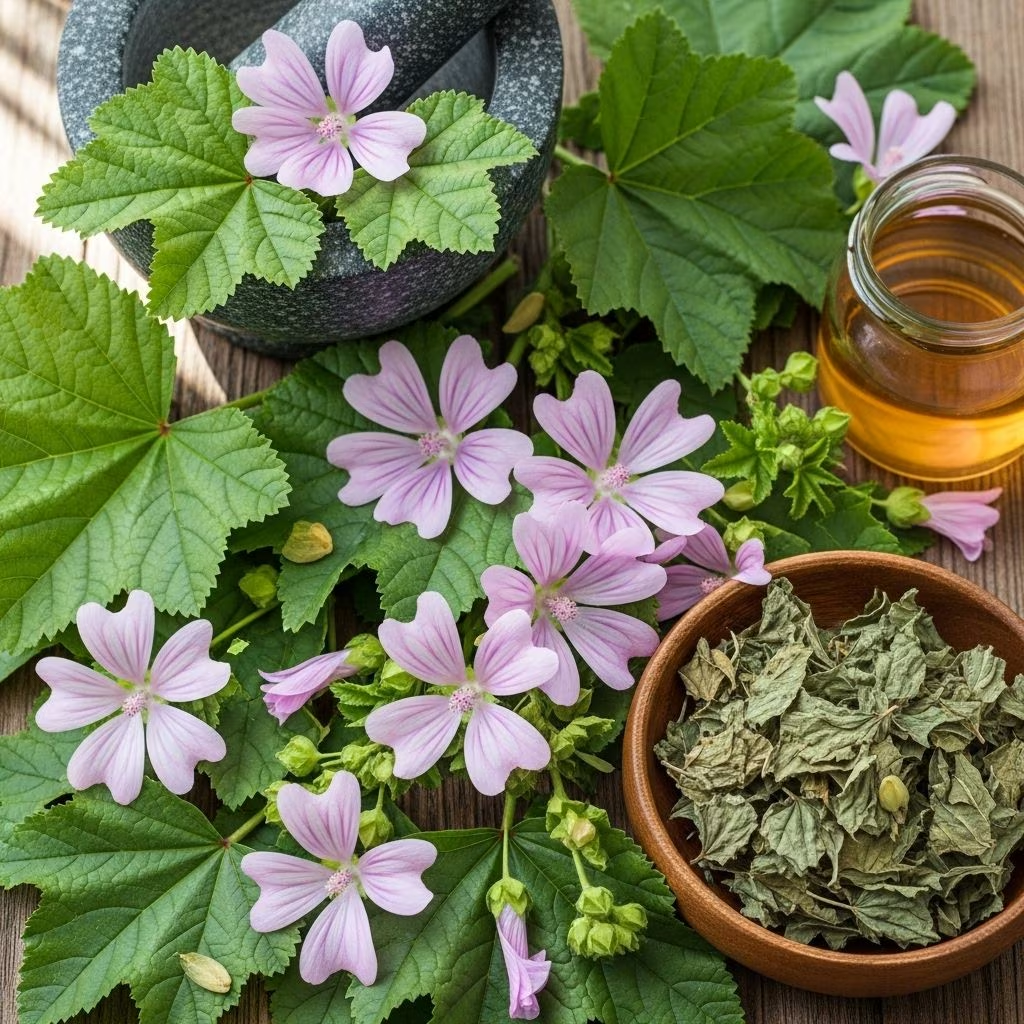
What Is Mallow?
Mallow refers to several species in the Malva genus, most notably Malva sylvestris (common mallow or high mallow) and Malva neglecta (common mallow or cheeseweed). These plants are widespread across Europe, Asia, and North America, often found growing wild in fields, gardens, and along roadsides. As members of the Malvaceae family, mallow plants are related to okra, hibiscus, and cotton.
Mallows have been used for centuries both as food and medicine, valued for their mild taste, mucilaginous (slimy) texture, and rich nutrient content. The entire plant—leaves, flowers, and even the immature seed pods—are edible. Mallow is both a foraged wild edible and, increasingly, a cultivated garden herb.
Identification of Mallow (Leaf & Flower)
Recognizing mallow is straightforward once you know what to look for:
Leaves
- Shape: The leaves are palmate (hand-shaped), orbicular to kidney-shaped, with 5 or more shallow, rounded lobes and a crenate (scalloped) margin.
- Size: Typically 1–3 inches wide and long, on petioles (leaf stems) often twice as long as the leaf itself.
- Texture: Leaves are usually deep green, often with a velvety or hairy surface, and may have a purple spot at the base.
- Arrangement: Alternate, along sprawling or decumbent stems.
Flowers
- Color: Showy, ranging from white and pale pink to light violet, often with darker veins or streaks.
- Structure: Five petals, slightly notched at the tip, giving the appearance of ten petals. Petals are papery and delicate, about ½–¾ inch across.
- Center: A central column of fused stamens surrounds the stigma; flowers are borne on short stalks in the leaf axils.
- Bloom Time: Summer, but some species may flower from late spring to early fall.
Seed Pods
After flowering, mallow produces round, flattened seed pods called “cheeses” due to their resemblance to miniature wheels of cheese. These are also edible when young and tender.
Nutritional Value of Mallow
Mallow leaves and flowers are rich in nutrients and phytochemicals:
- Vitamins: Significant amounts of vitamins A, C, and B-complex.
- Minerals: Calcium, iron, magnesium, and potassium.
- Mucilage: A soluble fiber with soothing properties, beneficial for the digestive and respiratory tracts.
- Antioxidants: Contains flavonoids and polyphenols that combat oxidative stress.
This nutritional profile makes mallow a valuable addition to both culinary and medicinal practices.
Health Benefits of Mallow
Mallow has been used in traditional medicine for centuries and is supported by some modern research for its potential health benefits:
Soothing Properties
The mucilage content gives mallow demulcent (soothing) properties, making it useful for:
- Respiratory Health: Soothes throat irritation and coughs, often used in teas or syrups.
- Digestive Health: Calms gastrointestinal irritation, helpful for gastritis and mild constipation.
Anti-inflammatory Effects
Mallow contains compounds that may reduce inflammation, useful for:
- Skin irritations (used topically as a poultice)
- Sore throats and mouth ulcers (as a gargle or rinse)
Antioxidant and Antimicrobial Activity
Flavonoids and polyphenols in mallow may help protect cells from oxidative damage and inhibit certain bacteria and fungi.
Other Potential Benefits
- May support urinary tract health
- Traditionally used to promote wound healing
- May help stabilize blood sugar levels
While empirical research is still emerging, traditional use and some preliminary studies suggest a wide range of benefits from this humble plant.
Traditional and Modern Uses
Traditional Medicine
Historically, mallow has been used in various cultures:
- Europe: Infusions for coughs, colds, and digestive issues.
- Middle East: Leaves pounded into poultices for wounds and inflammation.
- North America: Chewing leaves for sore throats; seed pods eaten as a snack.
Modern Applications
Today, mallow is still used in:
- Herbal teas and supplements for respiratory and digestive support
- Natural cosmetics for its soothing mucilage
- Culinary dishes, especially in Mediterranean and Middle Eastern cuisines
Its resilience and ease of cultivation have made it a staple in permaculture and wild edible gardens.
Culinary Uses of Mallow Leaves and Flowers
Mallow is a versatile ingredient in the kitchen, appreciated for its mild flavor and mucilaginous texture:
Leaves
- Raw: Young leaves can be added to salads for a tender, slightly mucilaginous bite.
- Cooked: Traditionally boiled or sautéed as a spinach substitute in soups, stews, and fillings.
- Blended: Used in smoothies for added nutrients and fiber.
Flowers
- Garnishes: Edible flowers add color and a mild taste to salads and desserts.
- Teas: Infused in hot water for a soothing, mildly floral drink.
Seed Pods
- Eaten fresh as a crisp, green snack; known as “cheeses” for their shape.
Sample Recipes
Mallow Leaf Soup
Ingredients: Fresh mallow leaves, olive oil, onion, garlic, vegetable broth, salt, pepper.
Directions: Sauté onions and garlic in olive oil, add chopped mallow leaves, cook until wilted, add broth, simmer, blend if desired, season to taste.
Mallow Flower Salad
Ingredients: Mixed greens, mallow flowers, olive oil, lemon juice, salt.
Directions: Toss greens and flowers with dressing, serve immediately.
Taste Profile of Mallow
Mallow offers a unique experience for the palate:
- Leaves: Mild, slightly earthy, with a subtle vegetal flavor. The mucilage becomes more pronounced when leaves are bruised or cooked, contributing a slippery, soothing texture similar to okra.
- Flowers: Delicate, mildly sweet, with a faint floral note. The petals are tender and add visual appeal to dishes.
- Seed Pods: Crunchy and fresh, with a mild, nutty flavor reminiscent of peas or snap beans.
Overall, mallow is appreciated for its gentle, non-overpowering taste, making it easy to incorporate into a variety of dishes.
How to Harvest and Store Mallow
Harvesting
- Leaves: Pick young, tender leaves in spring or early summer. Older leaves can become tough and fibrous.
- Flowers: Harvest fully open flowers in the morning for peak freshness and flavor.
- Seed Pods: Collect when still green and tender, before they harden.
Storing
- Fresh: Store leaves, flowers, and pods in a damp paper towel in the refrigerator for up to a week.
- Drying: Hang bunches upside down in a cool, dark place for teas or culinary use.
- Freezing: Blanch leaves briefly, cool, and freeze for later use in cooked dishes.
Safety and Precautions
Mallow is generally considered safe for most people when consumed in moderation as food. However, there are a few considerations:
- Wild Harvesting: Only harvest mallow from areas free of pesticides, heavy metals, and contamination.
- Allergies: Rare, but possible—especially for those sensitive to the Malvaceae family.
- Medication Interactions: Consult a healthcare provider before using mallow medicinally, especially if taking diuretics or blood sugar medications, due to potential interactions.
- Pregnancy/Breastfeeding: Insufficient safety data—use caution or avoid.
As with any wild edible, proper identification is crucial to avoid toxic look-alikes.
Frequently Asked Questions (FAQs)
Q: Is mallow the same as marshmallow?
A: While both are in the Malvaceae family and share some characteristics, true marshmallow (Althaea officinalis) is a different plant. Mallow (Malva spp.) is more widespread and has similar mucilaginous properties.
Q: Can you eat mallow raw?
A: Yes, young leaves and flowers are edible raw. The mucilage is more noticeable when leaves are crushed or cooked.
Q: Are all mallow species edible?
A: Most Malva species are edible, but always confirm species identification. Some ornamental mallows may not be palatable or could be treated with chemicals.
Q: What are the best ways to use mallow in cooking?
A: Use leaves like spinach—raw in salads, sautéed, or in soups. Flowers are great as garnishes or in teas. Seed pods are a crunchy snack.
Q: Is mallow good for skin care?
A: Yes, mallow’s soothing mucilage is used in natural cosmetics for irritated or dry skin.
Conclusion
Mallow is a remarkable wild edible with a long history of use in food and medicine. Its mild flavor, mucilaginous texture, and nutritional benefits make it a valuable addition to both the kitchen and the medicine cabinet. Whether foraged or cultivated, mallow leaves and flowers offer a gentle, versatile ingredient for those seeking to explore the world of wild edibles and natural remedies.
References
- https://www.permaculture.co.uk/articles/benefits-of-common-mallow-malva-sylvestris/
- https://www.illinoiswildflowers.info/weeds/plants/cm_mallow.htm
- https://plants.ces.ncsu.edu/plants/malva-neglecta/
- https://www.minnesotawildflowers.info/flower/common-mallow
- https://msu-prod.dotcmscloud.com/resources/common-mallow-malva-neglecta
- https://agsci.colostate.edu/agbio/ipm-pests/common-mallow/
- https://www.learningherbs.com/blog/mallow-uses
- https://www.wildlifetrusts.org/wildlife-explorer/wildflowers/common-mallow


