


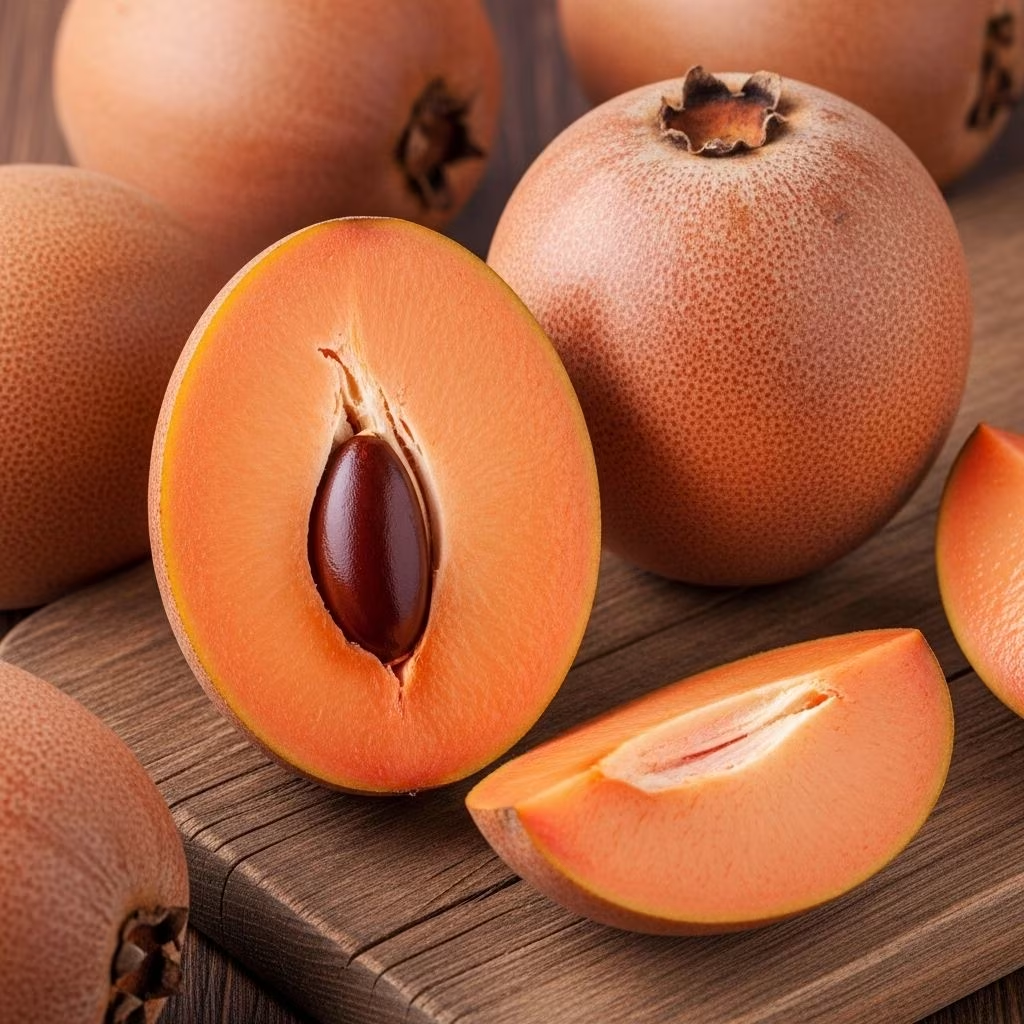
Mamey sapote—known for its striking color and unforgettable flavor—has long been prized throughout Central America and the Caribbean. This comprehensive guide will walk you through every facet of this exceptional tropical fruit: from botanical background and nutritional components to its many culinary uses, health benefits, and why its taste evokes comparisons to nature’s greatest desserts.
Overview and Botanical Background
Mamey sapote (Pouteria sapota) is a large evergreen tree native to Central America and Mexico, whose fruit is highly valued for its sweet and creamy flesh. Belonging to the Sapotaceae family, this fruit is botanically classified as a berry and is sometimes called sapote, mamey colorado, zapote rojo, or red mamey to distinguish it from similarly named but unrelated fruits.
The fruit, leaves, and even the seed of mamey sapote have various uses in culinary and traditional practices. The tree is also appreciated for its ornamental value, with large, glossy leaves and a broad, spreading canopy.
Origins and History
Mamey sapote is indigenous to southern Mexico and Central America, where it has been cultivated for centuries. Over time, its cultivation spread to other tropical regions, especially the Caribbean, South Florida, and certain parts of South America.
Historically a staple food and revered for its nutritional content, mamey sapote remains important in Latin American cuisines. Today, it is popular in both local markets and specialty produce markets around the world.
Physical Description
- Tree: Mamey sapote trees can reach heights of 40 feet (12 meters) in Florida and up to 60 feet (18 meters) or more in optimal tropical conditions. They are noted for their open structure, sturdy central trunk, and large limbs. Mature trees are considered highly ornamental, providing ample shade with their glossy green leaves.
- Leaves: The leaves are simple, obovate to oblanceolate, and clustered at the ends of branches, reaching up to 12 inches (30 cm) in length. Young leaves are pubescent (hairy), becoming smooth with maturity.
- Fruit:
- Shape: Ovoid to ellipsoid (sometimes football-shaped), measuring 3–10 inches (7.6–25 cm) long and 3–5 inches (8–12 cm) wide.
- Skin: Thick, woody, and brown—ranging from rough, sandpaper-like to slightly thin and papery—loosening or wrinkling as the fruit ripens.
- Pulp: A vibrant salmon-pink to reddish-orange or reddish-brown color, with a smooth and creamy texture; usually low in fiber.
- Seed: Typically contains a single large, shiny, dark-brown seed (may have up to four), elliptical and about 1–2 inches long.
| Feature | Description |
|---|---|
| Tree Height | 12–18 m (40–60 ft), taller in tropical climates |
| Fruit Length | 7–25 cm (3–10 in) |
| Pulp Color | Salmon-pink, orange-red, reddish-brown |
| Seed | Large, 1–4 per fruit, shiny and dark brown |
| Texture | Soft, smooth, usually low in fiber |
Nutritional Profile
Mamey sapote is lauded for its rich nutritional properties and is an excellent source of several vitamins, minerals, and antioxidants. A typical one-cup serving (~200 grams) provides:
- Calories: ~217
- Carbohydrates: ~56 grams
- Dietary Fiber: 9 grams (notable for digestive support)
- Vitamin C: Contributes to immune function and skin health
- Vitamin B6
- Vitamin E
- Potassium: Beneficial for heart health
- Iron: Important for preventing anemia
- Carotenoids: Including beta-carotene, alpha-carotene, lycopene, lutein, and zeaxanthin
Key Nutritional Benefits:
- Rich in antioxidants due to the abundance of carotenoids
- High in fiber for digestive wellness
- Source of plant-based iron
- Low in fat, most of which is the healthy unsaturated kind
Health Benefits
- Digestive Health: The high fiber content assists in maintaining regular bowel movements, helps prevent constipation, and supports gut health.
- Antioxidant Activity: Carotenoids (such as beta-carotene and lycopene) protect against oxidative stress and cell damage, potentially lowering risks associated with chronic diseases.
- Eye Health: Lutein and zeaxanthin are carotenoids present in mamey that are linked to retinal health and prevention of age-related macular degeneration.
- Boosts Immunity: Vitamin C and other antioxidants help bolster the immune system.
- Supports Heart Health: Potassium regulates blood pressure, and fiber helps maintain cholesterol at healthy levels.
- Anemia Prevention: Iron content may help prevent and manage anemia, especially in plant-based diets.
- Skin Health: Nutrients like vitamin C and vitamin E contribute to collagen formation and protect skin integrity.
Taste and Sensory Experience
Mamey sapote’s flavor stands out as one of the main reasons for its popularity. Its flesh is often described as:
- Sweet, creamy, and smooth—similar to a blend of baked sweet potato, pumpkin, and caramel.
- Notes of honey, apricot, peach, cantaloupe, cherry, and even almond are often detected.
- The texture is sometimes likened to that of a well-ripened avocado or pumpkin pie filling.
Because of its unique combination of sweetness and richness, mamey sapote is often enjoyed fresh or incorporated into desserts and drinks for its natural, almost custard-like quality.
Culinary Uses and Recipes
Mamey sapote’s velvety texture and distinct sweetness make it a versatile ingredient in both traditional and contemporary recipes:
- Eaten Fresh: Scoop out the flesh and eat as is—a popular snack throughout Latin America.
- Smoothies and Milkshakes: Blended with milk or plant-based alternatives, mamey sapote yields creamy, naturally sweet beverages.
- Ice Cream and Sorbet: Its custardy texture is perfect for frozen desserts.
- Baked Goods and Pastries: Mamey is used in pies, cakes, and even puddings.
- Popsicles and Frozen Treats: Pureed fruit can be frozen for a refreshing warm-weather snack.
- Traditional Sweets: In some cultures, the kernel is boiled or roasted, sometimes ground and used with cocoa in confections and drinks.
- Jams and Preserves: Mamey sapote adds color and flavor to homemade jams.
- Creative Uses: Some innovative chefs use mamey in savory dishes, pairing it with meats, or turning it into vinaigrettes or sauces.
While the fruit itself is the star, the kernel (seed) is also valued in some regions, particularly as a flavoring when combined with chocolate, or as an ingredient in traditional medicinal preparations.
Selection, Ripening, and Storage
- How to Select: A ripe mamey sapote should yield slightly to gentle pressure, similar to a ripe avocado. Scratch the surface of the skin—if the underlying flesh is vibrant salmon or pink, the fruit is ready to eat.
- Ripening at Home: If picked unripe, mamey sapote should be left at room temperature for several days until it softens.
- Storage: Once ripe, store in the refrigerator. Peeled or cut fruit should be used within a few days to preserve flavor and nutrition. Excess flesh can be pureed and frozen for longer-term storage.
Growing Mamey Sapote
Climate and Location: Mamey sapote thrives in warm, humid tropical and subtropical regions. It is commonly grown in Central America, Mexico, several Caribbean islands, and southern areas of Florida, USA.
Plant Characteristics:
- Trees are robust, long-lived, and wind-resistant.
- They require full sun and deep, well-drained soils for optimal fruiting.
- Trees bear small, whitish flowers directly on the trunk and branches, followed by heavy, egg-shaped fruits.
Fruit Production:
- It usually takes about 3–5 years for well-managed saplings to begin producing fruit, but large mature trees can yield hundreds of pounds annually.
- Fruits mature over several months and do not necessarily ripen uniformly on the tree.
Harvesting Tips: Because the fruit is harvested when mature—but not fully ripe—it is important to handle with care to avoid bruising. Overripe fruits split or crack, sometimes allowing seeds to sprout within the fruit.
Frequently Asked Questions (FAQs)
Q: Is mamey sapote the same as sapodilla or black sapote?
A: No. While mamey sapote, sapodilla (Manilkara zapota), abiu, and canistel are related as members of the Sapotaceae family, black sapote (Diospyros digyna) and white sapote (Casimiroa edulis) are from unrelated plant families.
Q: Is the entire fruit edible?
A: Only the soft inner flesh is edible. The large seed is not eaten raw; in some cultures, roasted or processed seeds are used as a flavoring agent or in traditional beverages.
Q: How does mamey sapote compare nutritionally to other tropical fruits?
A: Mamey sapote stands out for its high fiber, carotenoids, Vitamin C and iron content, making it nutritionally dense compared to many other tropical and subtropical fruits.
Q: Can people with nut allergies safely eat mamey sapote?
A: Mamey sapote is not botanically a nut; most individuals with nut allergies can eat the flesh, but people with severe food allergies should consult an allergist before trying new tropical fruits.
Q: What does an unripe mamey taste like?
A: Unripe mamey sapote is astringent, chalky, and not sweet. Always wait for the fruit to soften before eating to experience its full, creamy-sweet flavor.
Conclusion
Mamey sapote is not only a tropical delicacy with an irresistible taste and luxurious texture, but also a nutritional powerhouse and a culinary treasure. From its role in traditional cuisines to modern recipes and its impressive health benefits, mamey sapote continues to gain appreciation well beyond its native regions. If you’re seeking a new fruit to delight your palate and enhance your diet, mamey sapote is a vibrant, healthful, and delicious choice.
References
- https://edis.ifas.ufl.edu/publication/MG331
- https://katiestropicalkitchen.com/mamey-sapote/
- https://en.wikipedia.org/wiki/Pouteria_sapota
- https://www.masterclass.com/articles/mamey-fruit
- https://specialtyproduce.com/produce/Mamey_Sapote_109.php
- https://foodprint.org/real-food/mamey-sapote/
- https://www.epicgardening.com/mamey-sapote/


