


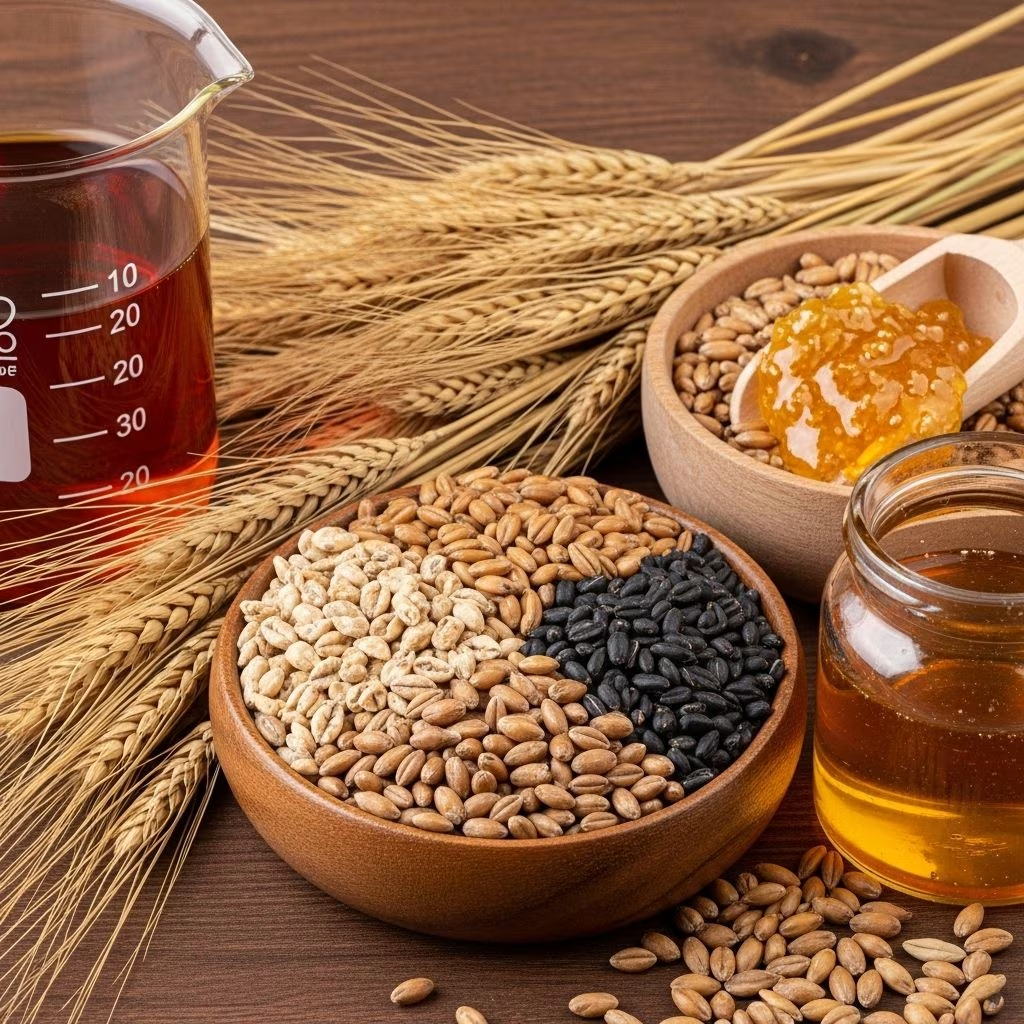
Malt, a staple in the worlds of brewing and baking, is celebrated for its ability to add depth, flavor, and nutritional value to countless foods and beverages. But what exactly is malt, how is it made, and why is it a cornerstone ingredient for so many traditional and modern recipes?
Definition of Malt
Malt refers to cereal grains—primarily barley, though other grains like rye, wheat, corn, and rice are used—that have been carefully germinated and dried through a process known as malting. This ancient technique harnesses the grain’s natural enzymes, converting stored starches into sugars and making the grain more accessible and flavorful for use in beverages and food products. The transformation gives malt its prized combination of fermentable sugars, enzymes, vitamins, minerals, and a unique sweet, toasty flavor profile.
How Malt Is Made: The Malting Process
The magic of malt begins with the malting process, an intricate, precisely controlled method consisting of three main steps:
- Steeping: The raw grains are soaked in water, allowing them to absorb moisture and triggering the germination process.
- Germination: The wet grains are left to sprout, activating important enzymes that break down the grain’s starches into simpler sugars. These enzymes are crucial for later steps in brewing and baking. During traditional malting, grains are occasionally turned to prevent rootlets from matting.
- Kilning: Germination is halted by drying the grains in a kiln. The kilning temperature and duration profoundly influence the malt’s color, flavor, and aroma. Different kilning techniques yield a range of malt varieties, from pale to deeply roasted.
Modern malting often uses mechanized drums or specialized tanks for efficiency and quality control, but the basic principles have remained unchanged for thousands of years.
Main Types of Malt
The diversity of malt stems from the grain chosen, the degree of germination, and the kilning method. Below are some principal categories, each with distinct roles in flavor, color, and texture.
| Malt Type | Main Uses | Flavor & Color Profile |
|---|---|---|
| Base Malts | Foundation for beer (lagers, ales), some breads | Light color, mildly sweet, malty |
| Barley Malt | Primary beer ingredient, traditional baked goods | Sweet, biscuity, robust maltiness |
| Rye Malt | Rye beers and breads | Spicy, earthy, sometimes nutty |
| Wheat Malt | Wheat beers, soft-textured bakery products | Light, slightly tart, creamy texture |
| Caramel/Crystal Malts | Specialty beers, desserts | Cara-malized sweetness, notes of toffee, honey, rich gold to brown hues |
| Roasted Malts | Porters, stouts, dark breads | Chocolate, coffee, toast, deep brown to black color |
| Specialty Malts | Flavorful beer styles, gourmet baked products | Biscuit, honey, smoked, or unique flavor infusions |
Popular Malted Grains and Market Brands
- Barley: Most common malt for brewing worldwide.
- Rye: Sought for its spicy profile, especially in Eastern European traditions.
- Wheat: Preferred for smoothness and haze in wheat beers.
- Brands: S. Pudov and Divinka, known for premium rye and traditional malts.
Health Benefits of Malt
Malt is more than a flavor enhancer; it’s a nutritional powerhouse, providing a variety of health advantages:
- Rich in B Vitamins: Including thiamine, niacin, riboflavin, and folate, critical for energy metabolism and brain function.
- Mineral Content: Contains iron, calcium, magnesium, phosphorus, and potassium, necessary for bone health and muscle function.
- Dietary Fiber: Promotes digestive health and helps regulate blood sugar and cholesterol.
- Antioxidants: Helps protect cells from oxidative stress and may support immune health.
- Supports Digestion: Natural enzymes in malt aid in breaking down complex carbohydrates, making food easier to digest and nourishing beneficial gut bacteria.
- Source of Natural Sweetness: Offers a less processed alternative to added sugars in certain foods and drinks.
- Quick Energy: Malt sugars (primarily maltose) are rapidly metabolized, making malted beverages a favorite for post-exercise energy boosts.
Studies suggest regular but moderate consumption of malt-based foods and beverages supports overall wellness, provided they fit within a balanced diet.
Uses of Malt in Food & Beverage
Malt’s versatility shines across cultures and cuisines. Its main uses span brewed beverages, baking, confectionery, and fortified food products.
- Brewing Beer: Malted barley forms the backbone of virtually all beers, imparting color, body, and malty sweetness. The type and combination of malts define each beer’s unique character—light lagers to deep stouts.
- Distilling Spirits: Key ingredient in whiskey, gin, and some vodkas, where malt’s fermentable sugars and flavors shape final spirit profiles.
- Baking: Malt extract and syrup enhance the flavor, color, and texture of bread (especially rye, whole grain, and sourdough), bagels, cookies, malt loaf, and pretzels.
- Breakfast Cereals: Used to sweeten and enrich cereals, adding vitamins and depth of flavor.
- Confectionery: Appears in malted milk balls, chocolate confections, down to classic malted shakes.
- Non-Alcoholic Drinks: Used to craft malt beverages such as malta, malt-based energy drinks, and traditional soft drinks like kvass or boza.
- Food Additive: Malt extract is valued for its enzymatic activity, serving as a dough conditioner, flavoring, or nutritional enhancer in a variety of packaged foods.
Globally, malt’s applications are as diverse as the cultures that use them, supporting classic European breads, Asian malt candies, African malt drinks, and more.
The Taste and Aroma of Malt
Malt’s flavor profile is influenced by its grain base and the kilning process:
- Sweetness: Malt typically exudes a mild to pronounced sweetness, balanced by grainy, nutty, or toasty undertones.
- Caramel and Toffee: Caramel and specialty malts develop honey-like, caramel, or even deep toffee notes through higher temperature kilning.
- Chocolate and Coffee: Roasted malts are highlighted by chocolate, espresso, or smoky flavors, found in robust beers and dark baked goods.
- Spice and Earth: Rye malts lend warm spicy, peppery undertones, while smoked malts bring pronounced smokiness.
- Bread and Biscuit: Some specialty malts evoke the comforting aroma of fresh bread or biscuits.
Overall, the taste is complex, comforting, and distinctive, with notes ranging from creamy and nutty to roasty and bitter—depending on malt variety and use.
| Malt Type | Color | Flavor Notes | Common Uses |
|---|---|---|---|
| Pilsner/Pale Malt | Pale gold | Clean, light, slightly sweet | Lagers, pale ales, crisp breads |
| Munich/Vienna Malt | Amber | Malty, bready, mild toast | Amber beers, darker breads |
| Caramel/Crystal Malt | Golden to deep amber | Honey, caramel, toffee | Rich beers, desserts, confectionery |
| Chocolate/Roasted Malt | Deep brown-black | Coffee, cocoa, burnt toast | Porters, stouts, dark breads |
| Rye Malt | Pale gold to brown | Spicy, earthy, nutty | Rye beers, traditional European breads |
Malt vs. Other Grains
While grains like corn, rice, and oats are also used in brewing and baking, malt stands apart because of its enzymatic and flavor-contributing properties. Malted grains provide fermentable sugars and natural enzymes required for conversion, resulting in richer flavors and more complex aromas.
- Whole Grains: Used as adjuncts, offer lighter flavors and less fermentability.
- Unmalted Grains: Often lack the natural sweetness, depth, and enzymatic activity of malted grains.
- Enzymatically Active: Only malted grains bring the enzymatic power needed in traditional brewing and many baking applications.
Frequently Asked Questions (FAQs)
Q: What grains can be malted?
A: While barley is by far the most common, rye, wheat, oats, corn, sorghum, and rice may all be malted. Each brings different flavors and characteristics.
Q: Is malt gluten-free?
A: Most malt is not gluten-free since barley and rye naturally contain gluten. However, some gluten-free malts are available, made from sorghum or rice.
Q: How should malt be stored?
A: Keep malt in a cool, dry place in an airtight container. Proper storage preserves flavor, aroma, and enzymatic activity.
Q: Are malt beverages healthy?
A: Non-alcoholic malt beverages offer vitamins, minerals, and antioxidants, and can aid digestion and energy. Alcoholic variants should be consumed in moderation.
Q: What is the difference between malt extract and malt syrup?
A: Malt extract is a concentrated, dried powder or liquid made from malted grains, used for its flavor and enzymes. Malt syrup is a thick, viscous version often used as a natural sweetener in baking and beverages.
Q: Can I substitute malt in recipes?
A: For some recipes, honey or molasses can substitute for malt syrup’s sweetness, but the unique malty flavor and texture are hard to replicate.
Conclusion
Malt remains an essential ingredient that bridges the worlds of culinary tradition and modern innovation. Its rich flavor, functional properties, and nutritional value have made it indispensable for brewers, bakers, and food artisans worldwide. Understanding the varieties, benefits, and culinary uses of malt allows home cooks and professionals alike to unlock new layers of taste and health in their creations.
References
- https://gastronomusa.com/blogs/blogs/complete-guide-to-malt-types-and-uses
- https://thegrowlerguys.com/backbone-of-beer/
- https://foodscientistforhire.com/malt-beverages-explained-types-ingredients-and-benefits/
- https://www.britannica.com/topic/malt
- https://www.youtube.com/watch?v=gh2KHDYjXNU
- https://www.allagash.com/discover/about-beer/beer-fundamentals-what-is-malt/
- https://www.tritordeum.com/%F0%9F%8D%BA-learn-about-malt-and-its-applications/


