


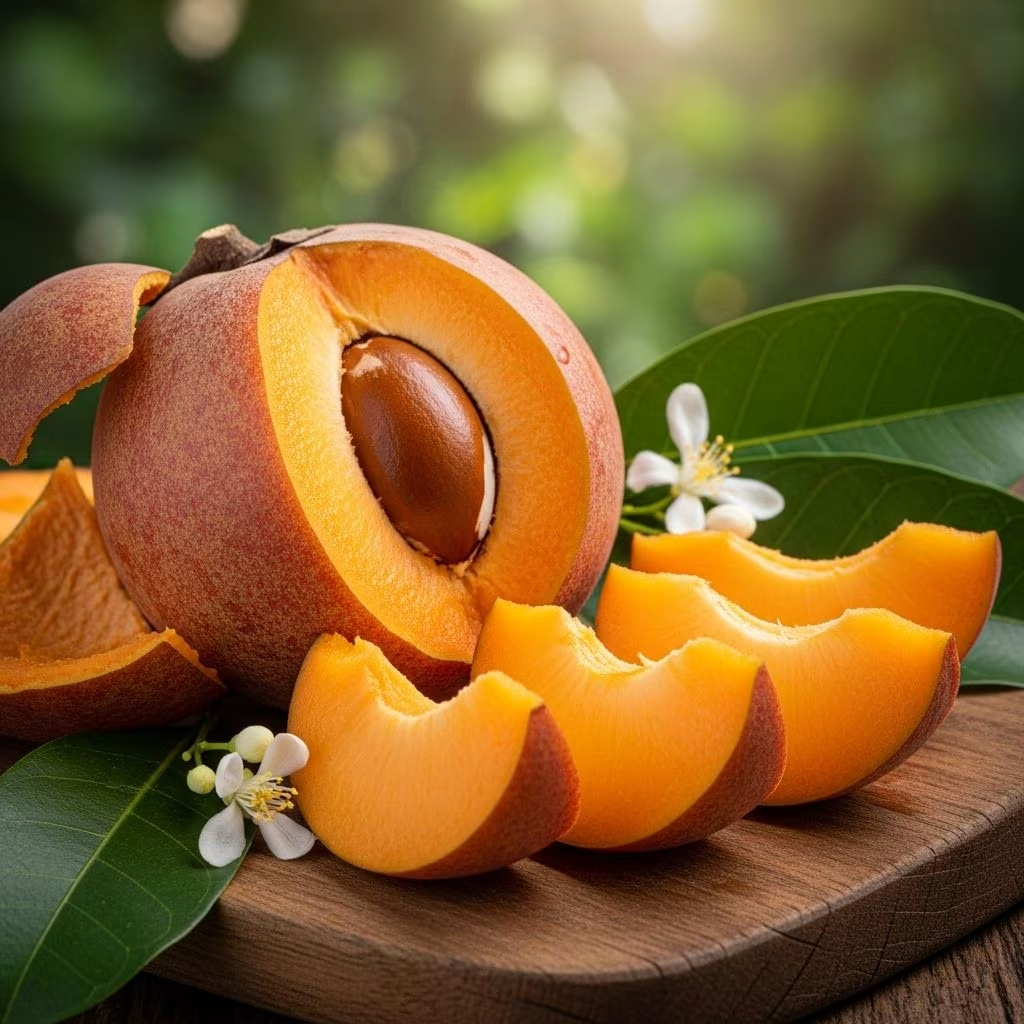
Mammee apple, also known as Mammea americana, is a captivating tropical fruit found primarily in the Caribbean, Central America, and parts of South America. Revered for its rich, apricot-like aroma and wonderful versatility, this fruit remains a hidden gem for many beyond its native regions. This in-depth guide explores everything you need to know about mammee apple — from its botany and taste profile to its cultural relevance, nutritional highlights, traditional and modern uses, and potential health benefits.
What Is Mammee Apple?
The mammee apple (Mammea americana) is a large, round, tropical fruit native to the Caribbean, Central America, and portions of northern South America. Known by a variety of names—mammee, mamey, Santo Domingo apricot, tropical apricot, or South American apricot—it belongs to the Calophyllaceae family, closely related botanically to the mangosteen. Its unique name often causes confusion with the unrelated mamey sapote (Pouteria sapota), but these fruits are distinct species with differing flavors and uses.
Botanical Description and Growth
The mammee apple tree is robust and stately, typically reaching heights of 18–21 meters (59–69 feet) with a short, stout trunk that may reach nearly 2 meters in diameter. The branches form a dense, oval crown filled with thick, leathery, elliptical leaves, which remain lush and dark green year-round.
Flowers: Mammee trees produce fragrant white blossoms comprised of 4 to 6 petals. These can be male, female, or hermaphrodite, borne singly or in small clusters.
Fruit: The mammee apple is technically a large berry, although it is often mistaken for a drupe. The fruit itself ranges between 10–20 cm (4–8 inches) in diameter, with a thick, tough outer rind (about 3 mm). When ripe, the flesh beneath this rind becomes vibrant yellow-to-orange, non-fibrous, and ranges in texture from firm and crisp to tender and juicy depending on the variety and ripeness.
- Each fruit may contain from one to four large, brown, rough seeds resembling peach pits.
- The thin white membrane just under the skin is astringent and often removed before eating.
Taste Profile: Flavor, Aroma, and Texture
The mammee apple taste is a standout feature. The golden-orange or yellow flesh is:
- Scented with a highly fragrant, apricot-like aroma that can fill a room.
- Flavor: Sweet and tangy, with hints of passion fruit, berries, and tropical apricot.
- Texture: Depending on ripeness, it may be slightly crisp or meltingly succulent. The area near the seeds can have a faint bitterness.
Some people note an almost perfume-like intensity to the fruit’s fragrance, comparable to stone fruits but with a unique tropical flair.
Nutrition and Health Benefits
While the full nutritional breakdown is not as widely documented as for some mainstream fruits, mammee apples are known to be a source of key nutrients:
- Vitamins: Rich in vitamin C and A, supporting immune health and eyesight.
- Minerals: Contains potassium, calcium, and iron, essential for muscle, bone, and blood health.
- Dietary Fiber: Good fiber content aids in healthy digestion and may help regulate blood sugar.
- Antioxidants: Vibrant orange to yellow flesh indicates ample carotenoids, protecting the body from oxidative stress.
This nutritional makeup, combined with active compounds in the seeds and bark, underpins some of the reported health benefits of mammee apple.
Evidence-Based Health Benefits
- Immune Support: Due to high vitamin C content.
- Vision and Skin Health: Vitamin A and carotenoids contribute to healthy eyes and skin.
- Antimicrobial Properties: Compounds in the bark, leaves, and seeds have been used traditionally for their insecticidal and antiparasitic effects.
- Digestive Support: Traditionally used for diarrhea and digestive complaints.
- Potential Anti-parasitic Action: Crushed seeds have been used as a folk remedy for worms and lice.
Culinary and Edible Uses
The mammee apple is prized for its flexibility in both sweet and savory dishes. Local cuisines, particularly throughout the Caribbean, have developed a myriad of recipes and preparations to highlight this fruit’s distinctive characteristics:
- Fresh Eating: Sliced and eaten raw, often with a sprinkle of citrus juice or sugar to enhance its natural sweetness.
- Preserves and Jams: The high pectin content makes mammee apple an excellent base for marmalades, jellies, and preserves.
- Sorbets and Sherbets: The aromatic, vividly colored pulp lends itself wonderfully to frozen treats.
- Cakes, Tarts, and Desserts: Used in puddings, cakes, or as a topping for ice cream and pancakes.
- Beverage Ingredient: Mashed mammee apple pulp can be added to juices, smoothies, or fermented to produce wine and liqueur.
- Salads and Chutneys: Adds a vibrant, tropical note to fruit salads and spicy relishes.
Its flesh retains its color long after slicing, making it especially eye-catching for fruit platters and elaborate desserts.
Culinary Comparison Table
| Preparation | Use |
|---|---|
| Raw / Sliced | Fresh eating, fruit salads |
| Cooked / Boiled | Jams, preserves |
| Pulped | Beverages, ice creams, baked goods |
| Fermented | Wine, liquors |
Traditional and Folk Medicines
Throughout its native regions, mammee apple has a long record of medicinal usage:
- Seed kernel oil: Applied to treat head lice and parasitic skin infections.
- Crushed seeds: Used as an anthelmintic (anti-worm) agent.
- Bark and leaves: Decoctions made to treat diarrhea, skin infections, and eye complaints.
- Latex from tree: Utilized as an insecticide and topical remedy.
Most of these uses are based on traditional practices and anecdotal evidence, so modern scientific studies are limited. Always consult professional healthcare providers before attempting any medicinal use.
Other Uses of Mammee Apple
- Natural glue: The fruit’s gum-like sap was historically used as a household adhesive.
- Wood: Hard and durable, mammee apple wood is suitable for furniture, cabinetry, posts, and fuel.
- Ornamental value: The tall, handsome trees are often planted as shade trees in parks and along streets in the tropics.
- Animal care: Resin from the seeds is sometimes used as a remedy for flea infestations in livestock and poultry.
Cultivation and Harvesting
Mammee apple trees thrive in tropical and subtropical climates, requiring well-drained soils and steady warmth:
- Native and introduced regions: Caribbean, Central and South America, with limited cultivation in Southeast Asia and West Africa.
- Growth: Rarely grown commercially outside native regions, but popular in home gardens and local markets.
- Harvesting: Fruits take up to a year to mature. Ripe mammee apples develop a slight yellow blush, and readiness is sometimes tested by lightly scratching the skin to check if the flesh beneath has turned yellow.
- Seasonality: Main fruiting season stretches from spring to autumn, peaking in summer.
Fruits that are allowed to fall from the tree tend to bruise easily, so careful harvesting is essential for quality.
Cultural and Historical Significance
Mammee apple plays an important role in Caribbean, Central and South American culture and folklore. The fruit is a staple at local markets, celebrated in culinary traditions, and referenced in regional proverbs and songs. It is also shared as a festive treat during holidays and family gatherings, and often enjoyed as a cooling snack to ward off the tropical heat.
Buying, Storing, and Preparing Mammee Apple
- Selecting: Look for large, plump fruits with an orange blush on the skin. Lightly scratch the skin to check that the flesh is yellow, indicating ripeness.
- Storing: Can be kept at room temperature till fully ripe. Once opened, the flesh holds its color and can be stored in the refrigerator for several days without browning.
- Preparing: Slice open the fruit, remove the white membrane and seeds, and cut the flesh into segments. For cooking, the flesh can be pulped or scooped and then incorporated into recipes.
Potential Side Effects and Precautions
- The seeds and bark contain substances that are toxic if ingested in large quantities. Only the flesh should be consumed.
- Pigments in the seeds can leave stubborn stains on fabrics and hands.
- As with many tropical fruits, allergy is possible but uncommon.
Note: Medicinal uses are based on traditional knowledge, and scientific studies are limited on their efficacy or safety. Use caution and seek professional advice before internal or topical medicinal use.
Frequently Asked Questions (FAQs)
Q: Is mammee apple the same as mamey sapote?
A: No. While commonly confused, mammee apple (Mammea americana) is a different species altogether from mamey sapote (Pouteria sapota). They differ in appearance, flavor, and botanical family.
Q: How do you know when mammee apple is ripe?
A: Mature fruits display a faint yellowing at the skin. A light scratch should reveal yellow underneath, indicating readiness for harvest. Avoid picking if the flesh below is green.
Q: How should mammee apple be stored after cutting?
A: The cut flesh resists browning and can be refrigerated for several days. Cover tightly to prevent absorption of strong odors from other foods.
Q: Can you eat the seeds of mammee apple?
A: No. The seeds are not edible and may be toxic if ingested. Only the soft flesh is consumed.
Q: What’s the difference between mammee apple and apricot?
A: Mammee apple is much larger, tropical, and has a thicker skin and unique flavors. Although its aroma and taste can be reminiscent of apricot, it is only distantly related to the apricot of temperate regions.
Summary
The mammee apple is a rare tropical delight that brings together fragrance, nutrition, and versatility in a single fruit. Revered throughout the Caribbean and tropical Americas, this fruit offers distinctive culinary and folk medicinal uses that are only beginning to be recognized outside its homeland. Whether you’re a fruit enthusiast, culinary explorer, or student of world food traditions, the mammee apple provides a unique experience worth savoring.
References
- https://en.wikipedia.org/wiki/Mammea_americana
- https://specialtyproduce.com/produce/Mamey_Apple_15075.php
- https://pfaf.org/user/Plant.aspx?LatinName=Mammea+americana
- https://www.growables.org/information/TropicalFruit/tropicalapricot.htm
- https://www.gardeningknowhow.com/edible/fruits/mamey-fruit/mamey-tree-cultivation.htm
- https://tropical.theferns.info/viewtropical.php?id=Mammea+americana
- https://www.cabidigitallibrary.org/doi/full/10.1079/cabicompendium.32390
- https://www.britannica.com/plant/mamey-apple


