


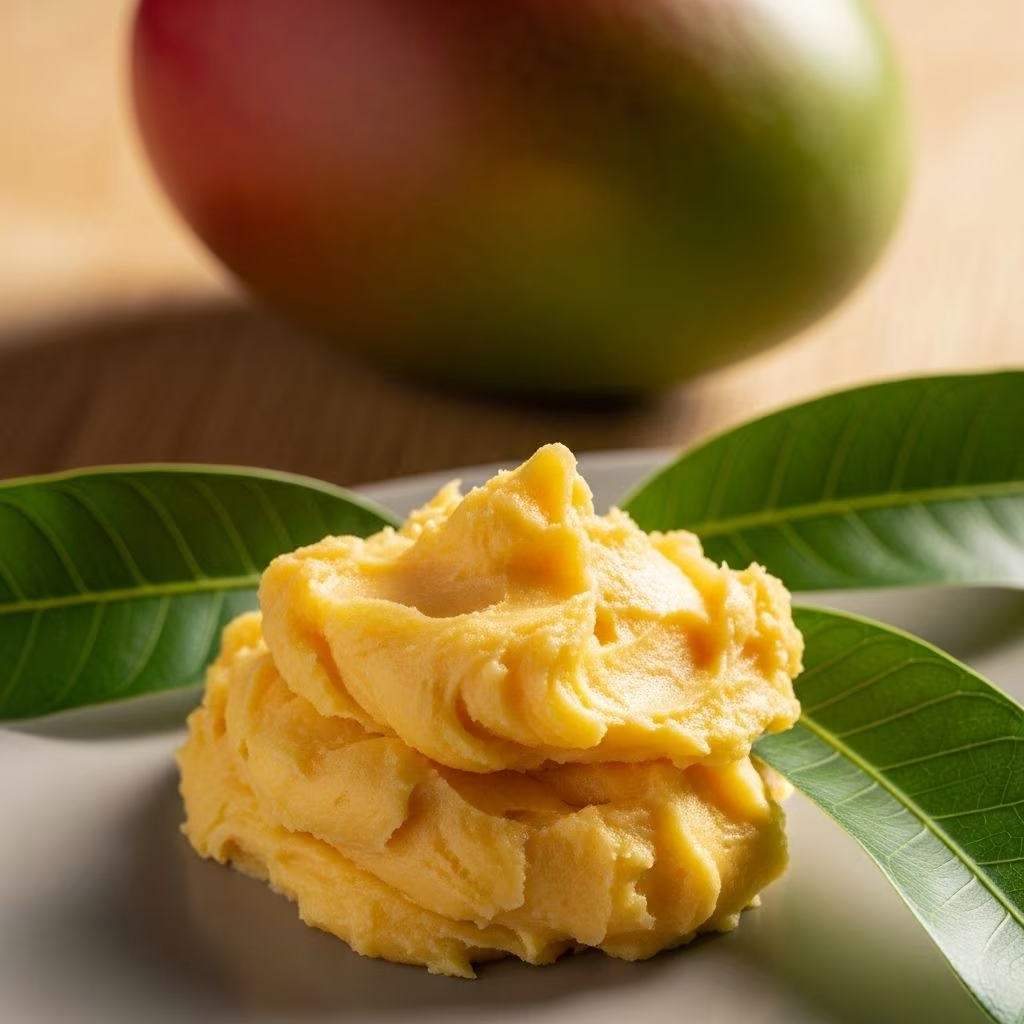
Mango butter has emerged as a star ingredient in natural skincare, prized for its luxurious texture and rich blend of nutrients. Derived from the kernels of the mango fruit, this decadent butter offers intense hydration, powerful protection, and impressive versatility for all skin types. In this detailed guide, we unlock the secrets of mango butter, exploring its unique benefits, practical uses, and expert-recommended application methods.
What is Mango Butter?
Mango butter is a semi-solid oil extracted from the kernel or seed of the Mangifera indica fruit, better known as mango. Unlike shea or cocoa butter, mango butter has a lighter, non-greasy texture and a subtle, almost odorless scent. It is celebrated for its high content of healthy fats, vitamins, and plant antioxidants—making it an excellent choice for natural skin and hair care routines.
Nutritional Profile of Mango Butter
The skin-nourishing power of mango butter is largely due to its unique composition of fatty acids, vitamins, and bioactive compounds. Here’s a closer look at what’s inside:
- Essential Fatty Acids: Stearic acid, oleic acid, palmitic acid, linoleic acid—these create a protective barrier while helping the skin retain moisture.
- Vitamins: Rich in vitamins A, C, and E—vital for skin repair, brightening, and antioxidant protection.
- Antioxidants: Polyphenols (like gallic acid, ellagic acid, tannins, quercetin), carotenoids (beta-carotene), and mangiferin—all help defend against oxidative stress and premature aging.
These attributes combine to make mango butter a powerhouse moisturizer with a range of additional benefits for skin health and resilience.
Top Skin Benefits of Mango Butter
Mango butter is more than just a moisturizer; it addresses a broad range of skin concerns. Here are the most significant and research-backed benefits:
1. Deep Moisturization & Skin Barrier Protection
The essential fatty acids in mango butter form a lipid layer on the skin, locking in moisture and preventing transepidermal water loss. This makes it especially powerful for dry, flaky, or rough skin, resulting in noticeably softer and smoother skin.
2. Anti-Aging & Wrinkle Prevention
Mango butter’s antioxidants (such as vitamins C, E, and polyphenols) combat free radicals, preventing the degradation of collagen and elastin fibers. This slows down the formation of fine lines and wrinkles while maintaining skin firmness and elasticity.
3. Protection Against Sun Damage & Environmental Stress
Thanks to vitamin A, vitamin C, and xanthonoid mangiferin, mango butter provides a low level of natural photoprotective effects. While not a stand-alone sunscreen, it helps neutralize free radicals caused by UV exposure and pollution, reducing the visible impact of sun damage.
4. Soothes Inflammation & Redness
Its anti-inflammatory components like polyphenols and carotenoids help calm skin that is irritated, itchy, or red. Mango butter is gentle enough for conditions like eczema, psoriasis, and dermatitis, providing relief while supporting the skin’s natural barrier.
5. Promotes Healing & Reduces Scar Formation
Regular use of mango butter supports skin cell regeneration, which helps repair wounds and reduce the appearance of scars or stretch marks. Its blend of fatty acids and nutrients is shown to improve skin elasticity and restore damaged tissues.
6. Non-Comedogenic & Safe for Sensitive Skin
Mango butter is generally non-comedogenic (does not clog pores) and free from common irritants or allergens, making it a favorable option for those with sensitive, reactive, or acne-prone skin.
| Benefit | Active Compounds | Skin Concerns Targeted |
|---|---|---|
| Deep Hydration | Stearic, Oleic, Linoleic Acids | Dryness, Flakiness |
| Anti-Aging | Polyphenols, Vitamins A, C, E | Wrinkles, Loss of Elasticity |
| Sun Damage Protection | Carotenoids, Mangiferin | Sun Spots, Photodamage |
| Anti-Inflammatory | Quercetin, Tannins | Redness, Irritation |
| Healing & Scar Fading | Fatty Acids, Antioxidants | Scars, Stretch Marks |
| Gentle & Non-Comedogenic | Light Emollient Profile | Sensitive or Acne-Prone Skin |
How Mango Butter Works on Your Skin
Mango butter tackles multiple skin concerns via a blend of physical and biochemical properties:
- Lipid Barrier Formation: The butter forms a semi-occlusive layer, preventing water loss without suffocating the skin.
- Antioxidant Defense: Polyphenols, carotenoids, and vitamins neutralize harmful free radicals, protecting cellular structures.
- Stimulation of Collagen Synthesis: Helps support skin structure and maintain youthful texture.
- Soothing/Healing Action: Anti-inflammatory compounds reduce redness, swelling, and encourage tissue repair.
These mechanisms make mango butter a multi-functional addition to any skincare regimen, whether you seek intensive moisture or targeted relief for skin conditions.
Uses of Mango Butter in Skincare
Mango butter can be incorporated into your routine in a variety of ways:
- Pure Butter Moisturizer: Apply a small amount directly to dry or rough areas as an intensive night cream or body balm.
- Daytime Lotion: Add mango butter to your preferred unscented lotion to boost moisture and protection during the day.
- Lip Balm: Use as a healing balm for dry, chapped lips year-round.
- After-Sun Treatment: Soothe sun-exposed skin with a blend of mango butter and aloe vera gel.
- Scar & Stretch Mark Creams: Massage directly onto scars and stretch marks to fade and improve elasticity over time.
- Soothing Creams for Sensitive Skin: Particularly beneficial for individuals with eczema, psoriasis, or dermatitis due to its non-irritating formula.
How to Apply Mango Butter: Step-by-Step Guide
To maximize benefits, use mango butter with proper technique:
- Cleanse: Wash your face or body area with mild soap and lukewarm water. Pat dry.
- Warm the Butter: Scoop a pea-sized amount and warm it between your palms until it melts.
- Apply Gently: Using gentle, upward strokes, massage into your skin. Focus on dry, rough, or compromised areas.
- Let Absorb: Allow a few minutes for the butter to fully penetrate. For body use, apply after showering to lock in moisture.
- Layer If Needed: If using with other skincare products, apply mango butter as the final step or mix into your regular moisturizer for enhanced hydration.
- Frequency: Use once or twice daily, or as needed for intensive care.
Is Mango Butter Right for Your Skin Type?
Mango butter is renowned for its broad compatibility with various skin types. Here’s a breakdown:
| Skin Type | Benefits | Usage Tips |
|---|---|---|
| Dry/Sensitive | Deep hydration, itch relief | Use generously, esp. as overnight mask |
| Mature | Reduces wrinkles, improves elasticity | Daily use on face and neck |
| Normal/Combination | Balances moisture, protective barrier | Spot treat dry patches, blend with light lotion |
| Oily/Acne-Prone | Non-comedogenic, antibacterial | Patch test first, avoid excessive application on face |
While generally safe for all, individuals with nut allergies should patch test before extensive use, and those with active acne should be cautious about heavy application on affected areas.
Choosing & Storing Mango Butter
- Purity: Opt for raw, unrefined mango butter—it retains maximal nutrients and is free from chemical additives.
- Texture: Look for a soft, creamy texture without a grainy feel, indicating fresh product.
- Scent: Pure mango butter is typically odorless or very mild; any sharp or sour smell may indicate spoilage.
- Storage: Store in a cool, dark place in an airtight container to prolong shelf life (up to 1–2 years).
Potential Side Effects & Precautions
- Allergic Reactions: Rare, but possible—conduct a patch test before full use.
- Over-application: May feel heavy or greasy if too much is used, especially in humid weather or on oily skin.
- Internal Use: Mango butter is intended for external use only—do not ingest.
Frequently Asked Questions (FAQs)
Q: Can mango butter be used on the face?
A: Yes, mango butter can be applied to the face to deeply hydrate, soften fine lines, and soothe irritation. Always patch test on a small area first, especially if you have sensitive or acne-prone skin.
Q: Is mango butter suitable for babies or children?
A: Mango butter’s gentle properties and hypoallergenic profile make it suitable for children and babies, particularly for dry or sensitive skin; however, always consult a pediatrician if unsure or with existing conditions.
Q: How does mango butter compare to shea or cocoa butter?
A: Mango butter is lighter and less greasy than shea or cocoa butter, making it ideal for those who prefer a faster-absorbing, non-comedogenic option. It also has a milder or near odorless scent, which some users find preferable.
Q: Can I use mango butter in combination with other oils or creams?
A: Absolutely. Mango butter blends well with natural oils (like jojoba, almond, or coconut) and can be added to commercial creams for enhanced moisturization and skin barrier support.
Q: How often should I use mango butter on my skin?
A: For dry or compromised skin, daily use is recommended, especially after bathing. For regular maintenance, 2–3 times a week is suitable depending on your skin’s needs.
Conclusion
Mango butter stands out as a luxurious, multi-purpose skincare ingredient that provides deep and lasting moisture, powerful antioxidant defense, and gentle care for sensitive or problem skin. By understanding its science-backed benefits and learning how to integrate it effectively into your skincare routine, you can enjoy smoother, healthier, and more radiant skin—all with the help of nature’s tropical treasure.
References
- https://www.areoveda.in/a/blog/ingredients/benefits-of-mango-for-skin
- https://fr.onerique.com/en/blogs/journal/les-bienfaits-insoupconnes-du-beurre-de-mangue
- https://www.healthline.com/health/beauty-skin-care/mango-butter-benefits
- https://www.robynskincare.com/blogs/the-root/mango-seed-butter
- https://pmc.ncbi.nlm.nih.gov/articles/PMC2792546/
- https://us.typology.com/library/mango-butter-what-are-its-properties-for-the-skin
- https://pmc.ncbi.nlm.nih.gov/articles/PMC4495740/
- https://www.vivamaia.com/en/pages/ingredient/mango-seed-butter


