


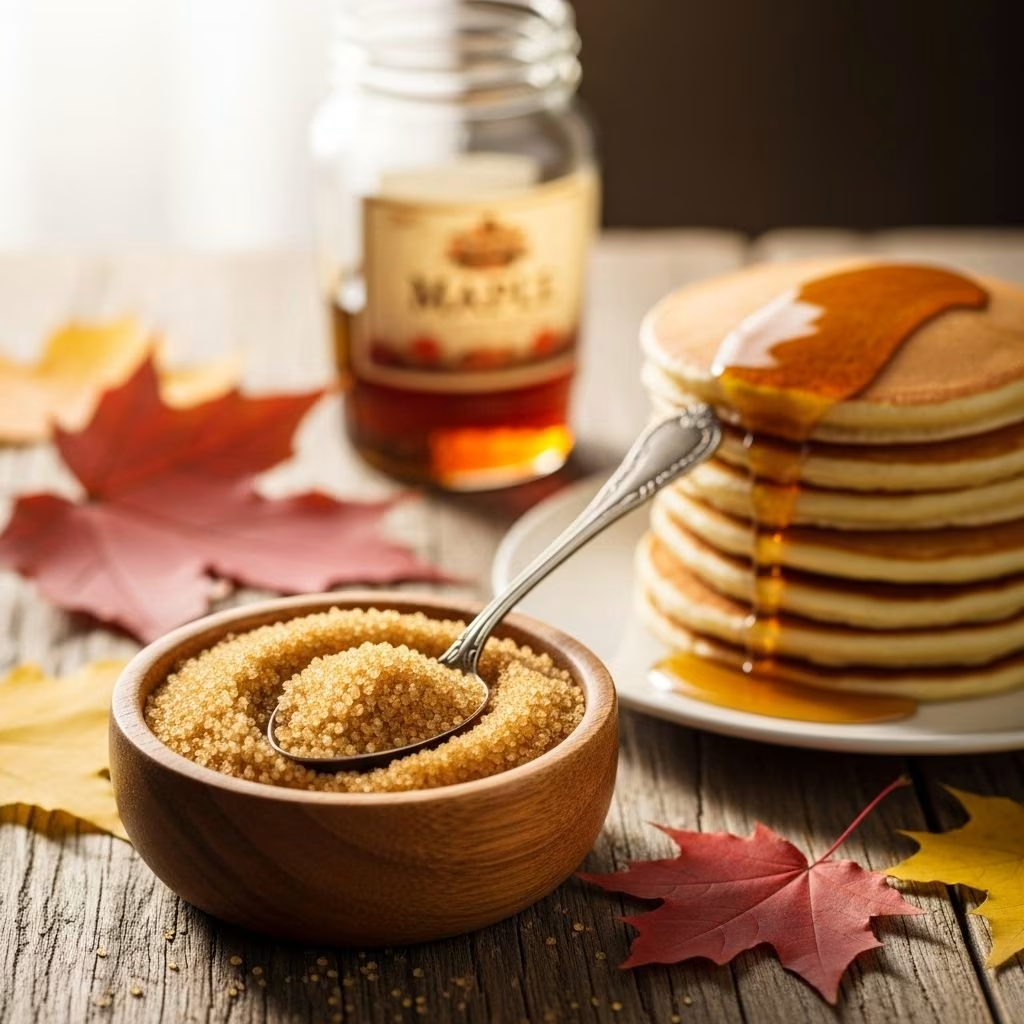
Maple sugar is a natural sweetener derived from the sap of maple trees, celebrated for its unique caramel-like flavor, clean ingredient profile, and its rich history in North American cuisine. As a traditional product deeply rooted in Indigenous and colonial heritage, maple sugar continues to be enjoyed for both its culinary versatility and potential health benefits. This article provides an in-depth look at what maple sugar is, how it’s made, its nutritional value and health benefits, how it can be used in the kitchen, and what gives it its signature taste.
What Is Maple Sugar?
Maple sugar is a crystalline sweetener made by further boiling maple syrup until almost all of its water content is evaporated, leaving behind solid sugars. The result is a granulated, golden-amber product with a rich, maple-forward taste unmatched by conventional cane sugar or artificial sweeteners. Maple sugar is composed primarily of sucrose, with trace minerals and organic compounds that contribute to its color and flavor.
Key Points
- Made exclusively from the sap of sugar maple and related maple species.
- Contains a higher concentration of minerals and compounds than white sugar.
- Versatile, dissolves easily, and works as a direct substitute for most other sweeteners.
How Maple Sugar Is Made
The process of making maple sugar begins with harvesting the sap from maple trees, most commonly the sugar maple (Acer saccharum), during late winter or early spring. The sap, which contains 1–5% sugar, is collected by tapping the trees, then boiled down to become maple syrup. To create maple sugar, this syrup undergoes further evaporation until it is almost dry and starts to crystallize, a process that requires careful temperature control and constant stirring.
Production Steps in Detail
- Tapping and Sap Collection: Trees are tapped using a small spout, and the flowing sap is collected in pails or through tubing systems. The sap is clear, slightly sweet, with low sugar content.
- Boiling and Concentrating: The sap is boiled in large evaporator pans. As water evaporates, the mixture becomes sweeter, gradually transforming into syrup.
- Filtering: The finished syrup is filtered to remove any impurities.
- Further Heating: Maple syrup destined for sugar is heated to about 258°F to 262°F (125°C to 128°C), nearly all water is evaporated.
- Crystallization and Cooling: The hot syrup is stirred as it cools, encouraging sugar crystals to form and resulting in fine granulated maple sugar.
Main Maple Species Used for Sugar
- Sugar maple (Acer saccharum): The preferred species; yields the sweetest sap.
- Black maple (Acer nigrum) and Red maple (Acer rubrum): Also commonly tapped, but with shorter sap runs or lower sugar content.
- Other maples (box elder, silver maple, bigleaf maple) may be used regionally.
Historical and Cultural Significance
The origins of maple sugar lie with the Indigenous peoples of Northeastern North America, who discovered and refined the process of converting maple sap to syrup and sugar long before the arrival of European settlers. Maple sugar was not only a prized sweetener but also a vital source of energy and a valuable trade commodity. The art of maple sugaring was adopted—and adapted—by European colonists, and the tradition continues in modern times, especially in the northeastern United States and eastern Canada.
Cultural Importance
- Key ingredient in many traditional Native American recipes.
- Used historically as an alternative to expensive imported cane sugar.
- Seasonal maple festivals celebrate sugaring as a mark of spring.
Nutritional Profile and Health Benefits
Maple sugar stands out among sweeteners for retaining the minerals and micronutrients from the sap, as well as for containing lower levels of processing compared to refined sugars. While maple sugar is still a caloric sweetener and should be consumed in moderation, it provides trace amounts of important nutrients.
| Nutrient | Maple Sugar | White Sugar |
|---|---|---|
| Calories | 52 | 60 |
| Sucrose content | ~90-95% | ~100% |
| Minerals (Zn, Ca, Mn, K) | Trace | Very low/none |
| Antioxidants | Present | None |
| Glycemic Index | Lower than white sugar | High |
Potential Health Benefits (with moderate use)
- Contains trace minerals (zinc, calcium, potassium, and manganese) that support metabolic and bone health.
- Source of antioxidants, which may help fight oxidative stress.
- Lower glycemic index than table sugar, which can reduce blood sugar spikes for some individuals.
- No additives or artificial ingredients, making it a clean-label alternative to processed sugars.
Note: Despite these benefits, maple sugar remains a source of concentrated calories and carbohydrates, so prudent consumption is recommended, especially for those with diabetes or calorie-restricted diets.
Culinary Uses of Maple Sugar
Maple sugar’s fine granules and rich flavor profile make it an incredibly versatile sweetener, perfect for both sweet and savory dishes. It can be used wherever you would use regular sugar, offering an easy way to impart maple flavor without moisture.
Everyday Uses
- Baking: Substitute for white or brown sugar in cakes, cookies, muffins, and breads.
- Desserts: Adds complexity to ice cream, puddings, caramels, and frostings.
- Breakfast foods: Sprinkle on oatmeal, granola, pancakes, or French toast for a sweet maple kick.
- Savory dishes: Rub onto meats (especially pork and poultry), blend into barbecue sauces or vinaigrettes.
- Beverages: Sweeten coffee, tea, smoothies, or cocktails.
Maple Sugar as a Substitute
- One-for-one replacement: Maple sugar can directly replace white or brown sugar in most recipes, but due to its sweetness and unique flavor, consider using slightly less.
- Flavor enhancer: Use in small amounts where you want to highlight maple tones, such as sprinkled over fruit, roasted nuts, or popcorn.
Taste Profile of Maple Sugar
Maple sugar offers a delicate yet complex flavor—sweet, with notes of caramel, toffee, and vanilla, and a subtle earthiness. Unlike regular sugars, its taste lingers and enriches whatever it touches, without being overpowering or cloying. Its clean, slightly woody aftertaste distinguishes it in recipes where nuanced flavor is important.
- Predominantly sweet, but more layered and rich than standard sucrose.
- Hints of butterscotch and molasses, though lighter and more aromatic.
- No bitterness or artificial aftertaste, thanks to minimal processing.
- The intensity of the maple flavor can vary between batches, depending on the tree species, soil, and time of harvest.
Maple Sugar vs Other Sweeteners: A Comparison
| Sweetener | Main Source | Flavor Notes | Minerals/Antioxidants | Glycemic Index | Processing |
|---|---|---|---|---|---|
| Maple Sugar | Maple Tree Sap | Rich, Caramel, Maple | Yes | Lower | Minimal |
| White Sugar | Sugar Cane/Beet | Pure Sweetness | No | High | Highly Refined |
| Brown Sugar | Sugar Cane/Beet + Molasses | Sweet, Molasses | Trace | High | Refined/Blended |
| Honey | Bee Nectar | Floral, Distinct | Yes | Varies | Minimal |
| Agave Syrup | Agave Plant | Nectar-like, Mild | Trace | High (fructose) | Processed |
Storage and Shelf Life
Maple sugar is shelf-stable when kept in a cool, dry place in an airtight container. Its low moisture content means it will not ferment or spoil easily. Properly stored, it can last for months—or even years—without losing quality. Over time, it may clump; gently breaking up clumps or sifting solves this issue.
Buying and Using Maple Sugar
Maple sugar is available from specialty food stores, farmer’s markets, and online retailers. When choosing maple sugar, look for products labeled as 100% pure maple sugar without additives, fillers, or anti-caking agents. The price may be higher than standard sugar due to the labor-intensive production process and limited harvest seasons.
Tips for Use
- Store in an airtight container in a dry pantry, away from heat and sunlight.
- You can make maple sugar at home from pure maple syrup with patience and care—boil, stir, and cool until it forms granules.
- Experiment with substitutions in baking—start with 3/4 cup maple sugar for every 1 cup white sugar, then adjust to taste.
Frequently Asked Questions (FAQs)
Q: Is maple sugar healthier than white sugar?
A: Maple sugar has more minerals and antioxidants than white sugar and a slightly lower glycemic index, but should still be used sparingly as part of a balanced diet.
Q: Can I make maple sugar at home?
A: Yes, with pure maple syrup and careful heating; bring syrup to the correct temperature, stir as it cools, and collect granules.
Q: Does maple sugar taste the same as maple syrup?
A: Maple sugar is less intense and sweeter than straightforward syrup, but shares similar maple-caramel flavor notes without the syrup’s moisture.
Q: Is maple sugar vegan and gluten-free?
A: Yes, it is naturally vegan and gluten-free, as it is made solely from maple sap.
Q: Can I use maple sugar in savory dishes?
A: Absolutely. Maple sugar’s complexity pairs well with meats, roasted vegetables, salad dressings, and even spice rubs.
Conclusion
Maple sugar is more than just an alternative sweetener; it is a flavorful, historically significant, and functionally versatile ingredient. From its roots in Indigenous North American traditions to its modern reputation as a gourmet and health-minded sugar substitute, maple sugar invites discovery and creativity in the kitchen. Its delicate, amber sweetness and subtle undertones provide depth and balance to a wide variety of dishes, making it a must-have for anyone looking to diversify their sweetening options naturally.
References
- https://www.massmaple.org/about-maple-syrup/
- https://attra.ncat.org/publication/maple-sugaring-an-introduction-to-small-scale-commercial-production/
- https://en.wikipedia.org/wiki/Maple_syrup
- https://www.ctmaple.org/maple-sugaring-info.html
- https://ohioline.osu.edu/factsheet/f-36
- https://keolismassadventures.com/blog/the-art-of-maple-sugaring/
- https://landssake.org/maple-sugaring-boiling/


