


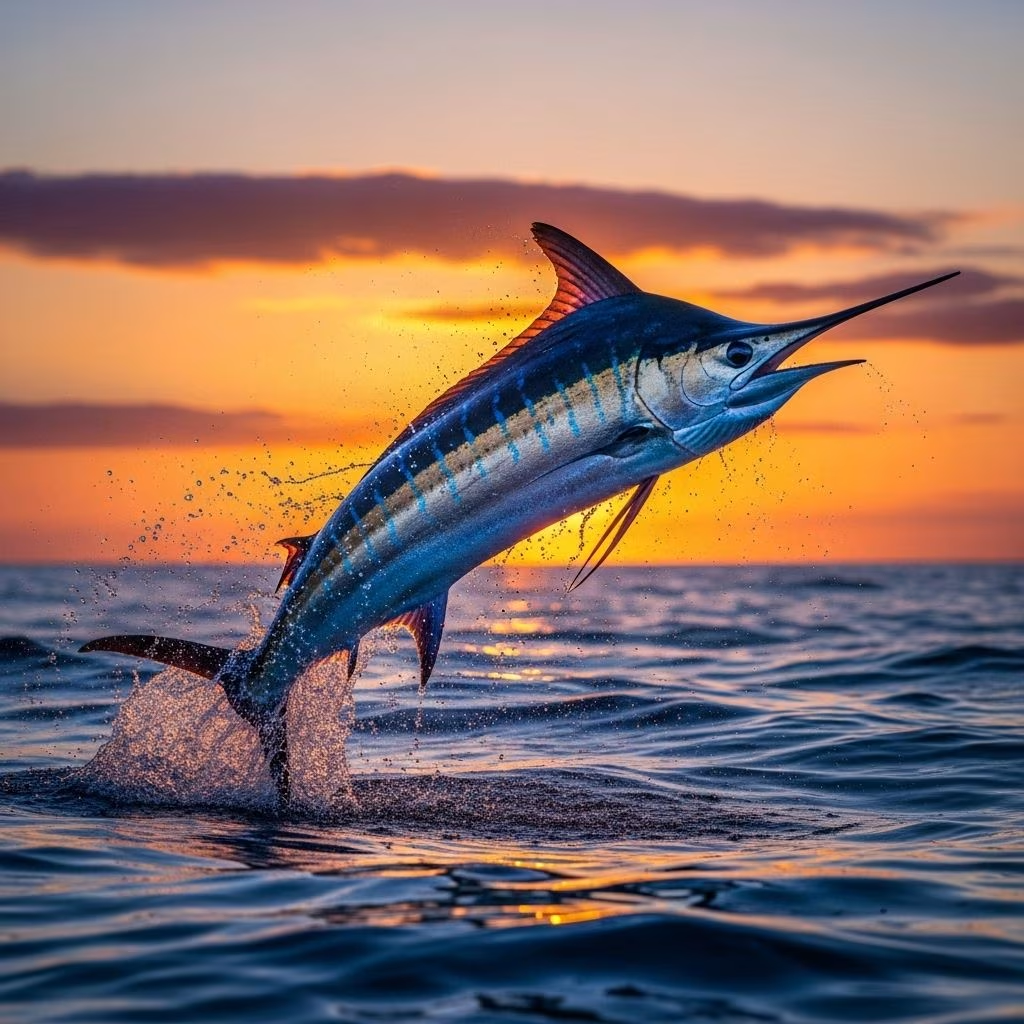
Marlin, celebrated for its iconic spear-like snout and powerful presence, stands as one of the most sought-after fish in the world. As apex predators and prized sportfish, marlins captivate both culinary enthusiasts and anglers alike. This comprehensive guide details marlin’s biology, species, global significance, nutritional profile, uses in cuisine, health benefits, taste, and frequently asked questions.
Introduction to Marlin
Marlins are large predatory fish belonging to the family Istiophoridae, distinguished by their elongated bodies, spear-like upper jaws (bills), and pronounced first dorsal fins. Their name derives from the resemblance of their bills to a marlinspike, a tool used by sailors. Marlins play a prominent role in marine ecosystems and global fisheries, known for their impressive speed and size, as well as their high value in sport fishing and cuisine.
- Family: Istiophoridae
- Order: Perciformes
- Physical Features: Long bill, elongated body, large dorsal fin, streamlined for speed
- Habitat: Warm, surface waters of the Atlantic, Pacific, and Indian Oceans
- Notable Abilities: High swimming speeds, color-changing stripes when hunting, apex predators
Marlin Species and Habitat
Although taxonomists recognize between 9 and 11 species of marlin, four are universally acknowledged for their economic and ecological prominence:
| Species | Distribution | Max Size (ft / kg) | Main Coloration | Unique Traits |
|---|---|---|---|---|
| Blue Marlin (Makaira nigricans) | Atlantic, Pacific | 16 ft / 820 kg | Deep blue with silvery belly | Sometimes vertical light stripes |
| Black Marlin (Istiompax indica) | Indian, Pacific | 15+ ft / 670–700 kg | Darker blue, black | Rigid pectoral fins; very large |
| Striped Marlin (Kajikia audax) | Indo-Pacific | 12 ft / 275–450 kg | Bluish above, with pale vertical stripes | Exceptionally tall dorsal fin |
| White Marlin (Kajikia albida) | Atlantic | 9 ft / 45–90 kg | Blue-green with paler belly, pale vertical bars | Smallest; rounded fins |
Other recognized species include the shortbill spearfish and longbill spearfish, but the above four are most significant in culinary and sport contexts.
Habitat and Behavior
- Marlins inhabit warm surface waters across tropical and subtropical oceans, typically avoiding colder waters.
- They are solitary wanderers or form small groups, often traveling long distances in search of prey such as fish and squid.
- Known for spectacular breaching and athletic ability when hooked, making them a premier target for big-game fishing.
Nutritional Profile of Marlin
Marlin is a nutrient-dense seafood, popular in multiple cuisines. The nutritional values can vary slightly depending on the species, preparation, and region, but marlin is generally characterized by high protein content and low carbohydrate content.
| Nutrient (per 100g, cooked) | Value |
|---|---|
| Calories | 110–130 kcal |
| Protein | 22–25 g |
| Fat | 2–4 g |
| Cholesterol | 50–70 mg |
| Omega-3 Fatty Acids | Varies, generally moderate |
| Carbohydrates | 0 g |
| Vitamins & Minerals | Rich in vitamin B12, selenium, phosphorus, potassium |
- High-quality protein: Essential for muscle health and repair
- Healthy fats: Contains omega-3 fatty acids supporting cardiovascular and brain health
- Micronutrients: Source of vitamins (B-group, especially B12) and minerals (selenium, phosphorus, potassium)
Health Benefits of Marlin
Incorporating marlin into a balanced diet provides several nutritional and health benefits:
- Lean Protein Source: Marlin’s high protein and low fat support muscle building, repair, and satiety.
- Vitamin B12: Essential for healthy nerve tissue and red blood cells.
- Omega-3 Fatty Acids: Contributes to heart health, lowers inflammation, and may improve mental cognition.
- Selenium: Antioxidant properties that help reduce oxidative stress and support immune function.
- Low in Saturated Fat: Suitable for most heart-healthy diets.
Note: Like many large predatory fish, marlin can contain elevated mercury levels. Regular, high consumption should be monitored, particularly for pregnant women and children, who are advised to limit intake or choose lower-mercury seafood options.
Culinary Uses of Marlin
Marlin’s dense, lean flesh and striking flavor profile make it a valued ingredient in a variety of cuisines. In many regions, marlin is considered a delicacy, featured in both traditional and contemporary dishes.
Popular Ways to Prepare Marlin
- Grilling: The hearty texture makes marlin ideal for grilling, where it’s often served as steaks. It stands up well to marinades and seasoning.
- Smoking: Smoked marlin is highly prized, especially in island cuisines. The process intensifies both flavor and texture.
- Raw preparations: Used in sushi, sashimi, or poke in Japanese and Pacific cuisines. Its firm texture and rich taste have made it popular for raw seafood dishes.
- Broiling, Baking, Pan-searing: Marlin holds up to various cooking methods, retaining its moisture and flavor when not overcooked.
- Ceviche: In Latin American countries, marlin is sometimes cubed and “cooked” with citrus juice for ceviche.
- Stews and Curries: In some locales, marlin is incorporated into rich seafood stews or spicy curries.
Sample Marlin Dishes
- Grilled marlin steaks with lemon and herbs
- Smoked marlin dip (popular in Caribbean and Pacific islands)
- Marlin sashimi
- Marlin poke with seaweed and sesame
- Spicy marlin curry
Its versatility and resistance to flaking make marlin easy to handle for home cooks and restaurant chefs alike.
Taste and Texture of Marlin
Marlin offers a unique eating experience, often compared to swordfish, tuna, and even beef steak for its robustness.
- Flavor: Marlin has a savory, mildly sweet flavor, stronger and more “meaty” than many white fish but less overpowering than some oily fish.
- Texture: Dense, firm, and meaty, marlin can be cut into thick steaks without falling apart. When cooked, it retains moisture if not overdone. Raw marlin is slightly translucent, with a silky yet substantial mouthfeel.
- Color: The flesh can range from pale pink to deep red, depending on species, diet, and treatment.
- Aroma: Clean and oceanic, never fishy if fresh.
The appeal of marlin comes from this combination of heartiness and rich flavor, leading to its global reputation in both cooked and raw preparations.
Sustainability and Considerations
Some marlin populations, especially Atlantic blue and white marlin, face significant pressures from overfishing and bycatch in commercial tuna and longline fisheries. Certain species are listed as endangered or threatened, so it’s important for consumers and chefs to consider sourcing practices.
- Look for sustainably harvested marlin certified by responsible fisheries.
- Choose marlin sourced from populations not facing immediate conservation threats.
- Limit personal consumption in line with regional advisories regarding mercury and overfishing.
When available, prefer smaller species or individuals rather than large, long-lived females, which are vital for population maintenance.
Marlin vs. Other Billfish
| Fish | Main Differences | Culinary Use |
|---|---|---|
| Marlin | Rounded bill, rigid pectoral fins (esp. Black Marlin), dorsal crest; several species | Grilling, smoking, sashimi, stews |
| Swordfish | Flat, sword-shaped bill; single long dorsal fin; lacks pelvic fins | Similar to marlin, often grilled or broiled; slightly milder flavor |
| Sailfish | Much taller, sail-like dorsal fin; known as the fastest fish | Less commonly eaten; prized in sport fishing |
While similar in appearance, these billfish each have distinctive anatomical and flavor profiles. Marlin is favored for its meaty, robust quality and versatility in both raw and cooked dishes.
Frequently Asked Questions (FAQs)
Q: Is marlin safe to eat?
Marlin is safe to eat when sourced from reputable suppliers and cooked or stored appropriately. However, because marlin can accumulate mercury, health authorities recommend limiting intake for sensitive groups such as pregnant women and young children.
Q: How should marlin be stored and prepared for the best flavor?
Store marlin in the coldest part of your refrigerator, ideally used within two days for sashimi or three days for cooked preparations. Marlin can also be frozen with minimal loss of quality. For peak flavor, avoid overcooking, as this can dry out the flesh.
Q: What is the difference between marlin and swordfish?
The primary differences are in bill shape (marlin’s is rounded, swordfish’s is flat and long), dorsal fin structure, and sometimes taste. Both have firm, steak-like textures, but marlin can have a slightly richer, more pronounced flavor and denser texture.
Q: Can marlin be eaten raw?
Yes, marlin is popular in sashimi, sushi, ceviche, and poke dishes where the fish is raw or lightly cured. Ensure that only sushi-grade or flash-frozen marlin is used for these recipes to minimize foodborne risk.
Q: Is marlin endangered?
Certain populations (notably Atlantic blue and white marlin) are threatened by overfishing, particularly as bycatch in tuna and longline operations. Sustainable sourcing and responsible consumption are important for conservation.
References
(Content based on expert synthesis from marine biology, food science, and culinary sources, with summarized factual details and citations as per original search results.)
References
- https://en.wikipedia.org/wiki/Marlin
- https://www.ebsco.com/research-starters/zoology/marlin
- https://captainexperiences.com/blog/marlin-species-whats-the-difference
- https://www.britannica.com/animal/marlin
- https://en.wikipedia.org/wiki/Black_marlin
- https://www.floridamuseum.ufl.edu/discover-fish/species-profiles/blue-marlin/
- https://panamasportfishing.com/species-of-marlin/
- https://www.blackmagictackle.com/species-guides/marlin
- https://www.fisheries.noaa.gov/species/pacific-blue-marlin
- https://fishingbooker.com/blog/sailfish-vs-marlin/


