


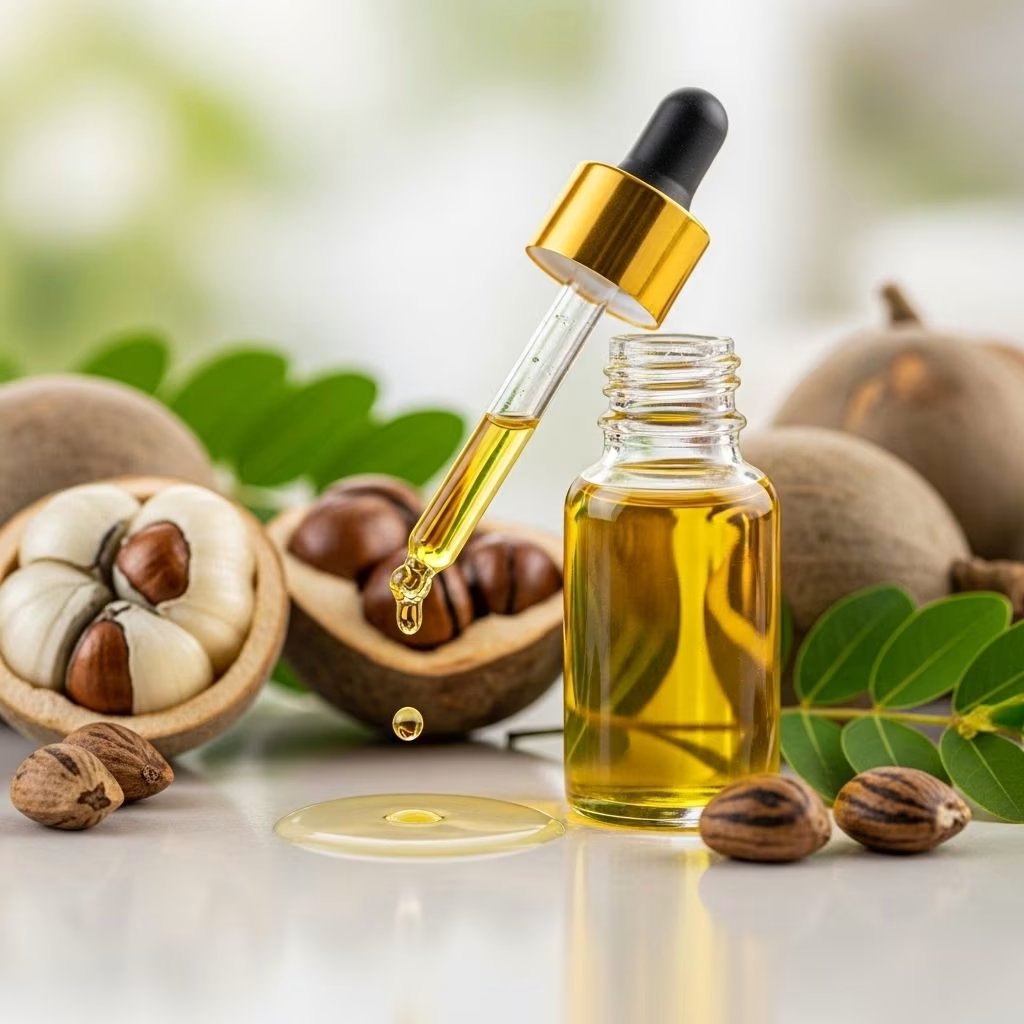
Marula oil, derived from the nuts of the African marula tree, has rapidly become a prized ingredient in modern skincare. Rich in essential nutrients and famed for its gentle, non-greasy texture, marula oil offers powerful hydration and antioxidant protection for all skin types. This comprehensive guide explores marula’s scientifically-backed skin benefits, its myriad applications, and important considerations for safe use.
What is Marula?
Marula oil is extracted from the kernels (seeds) of the Sclerocarya birrea tree, indigenous to Southern Africa. Traditionally cherished by local communities for its versatility, marula fruit, nuts, and oil have been used in food, cosmetic, and medicinal practices for centuries.
- Color and Texture: Light, golden-hued, and quickly absorbed without leaving a greasy residue.
- Scent: Odorless to most; may have a faint nutty or fruity aroma.
- Suitability: Safe for normal, dry, oily, sensitive, and mature skin types.
Chemical Profile of Marula Oil
What sets marula oil apart is its unique chemical composition:
- Fatty Acids: High in monounsaturated fatty acids (oleic acid)—excellent for moisture retention.
- Amino Acids: Contains L-arginine and glutamic acid—support skin healing and hydration.
- Antioxidants: Abundant in vitamins E and C—scavenge free radicals and protect skin from environmental damage.
- Omega 6 & 9: Strengthen the skin barrier and lock in moisture.
These components form the foundation of marula oil’s renowned skin benefits, particularly its ability to hydrate, protect, and repair the skin.
Skin Benefits of Marula Oil
Marula oil’s numerous advantages make it a coveted addition to skincare regimens. Its efficacy is rooted in both traditional use and modern scientific understanding:
1. Deep Moisturization and Barrier Support
- Intensely hydrates by rapidly absorbing, replenishing moisture without clogging pores.
- Promotes a strong skin barrier, helping retain water and reduce dryness, flaking, or irritation.
Its lightweight texture makes marula oil uniquely suitable for both dry and oily skin. There is evidence that it helps regulate skin’s oil production, supporting balanced hydration and minimizing breakouts in oily or acne-prone individuals.
2. Anti-Aging and Rejuvenation
- Marula oil is rich in antioxidants (especially vitamin E and C) that neutralize free radicals and limit environmental stressors—a major contributor to premature aging.
- Regular use may help reduce the appearance of fine lines, age spots, and wrinkles over time.
- Encourages collagen production and cell rejuvenation, keeping skin firm and radiant.
3. Healing and Repair Properties
- Boosts healing by supporting new cell growth—helpful for managing scars, stretch marks, and minor wounds.
- Soothes common skin disorders such as eczema and dermatitis thanks to its calming, anti-inflammatory profile.
- Alleviates symptoms like redness, itchiness, and irritation, particularly in sensitive skin.
4. Enhanced Skin Tone and Texture
- Reduces hyperpigmentation, dark spots, and uneven skin tone, revealing a more even complexion.
- Helps soften and smooth areas with dry patches or rough texture, including elbows, knees, and heels.
5. Protection Against Sun and Environmental Stress
- Guards the skin from UV rays and pollution, reducing daily environmental damage.
- Supports the skin’s natural defense mechanisms, keeping it resilient against external irritants.
6. Multi-Use Beauty Solution
- Prevents chapped lips and soothes dry cuticles.
- Nourishes scalp and adds shine to hair without greasiness.
Summary Table: Key Skin Benefits of Marula Oil
| Benefit | Description | Best For |
|---|---|---|
| Moisturization | Rapidly hydrates and seals in moisture without residue | Dry, sensitive, oily, and mature skin |
| Anti-Aging | Reduces fine lines, wrinkles, and sun damage via antioxidants | Mature and sun-exposed skin |
| Barrier Repair | Strengthens natural skin barrier, promotes healing | Compromised or sensitive skin |
| Tone Improvement | Alleviates dark spots, hyperpigmentation | Dull or uneven skin tone |
| Soothing/Anti-Inflammatory | Calms redness, itching, and irritation | Sensitive or inflamed skin |
How to Use Marula Oil in Your Skincare Routine
Marula oil is remarkably versatile. Here’s how to incorporate it into daily self-care, maximizing its benefits for various skin concerns:
Facial Moisturizer
- After cleansing and toning, apply a few drops to damp skin as your main moisturizer—gently press in with fingertips for best absorption.
- Use alone, or as the final step in your nighttime routine for deeper hydration.
Targeted Spot Treatment
- Apply directly to dry patches, scars, or blemishes for enhanced healing and softening.
- Great for soothing mild sunburn or irritations from shaving and waxing.
Makeup Primer
- Smooth 1–2 drops over clean skin before foundation for a dewy, primed base that extends makeup wear.
Body Oil
- Massage into rough elbows, knees, ankles, or cracked heels for supple, hydrated skin.
- Multipurpose: Also works beautifully to soften cuticles and dry hands.
Hair and Scalp Treatment
- Rub a few drops between hands and apply to hair ends or dry scalp—restores shine without a greasy finish.
- Use as a pre-shampoo treatment to deeply nourish and protect hair.
Most users see visible improvements in softness and radiance within a week of consistent use.
Potential Side Effects and Precautions
Marula oil is widely celebrated for its safety, but some important precautions should be considered, especially if you have allergies or highly reactive skin:
- Low allergenic potential: Allergic reactions are rare but possible, particularly for those with tree nut sensitivities.
- Comedogenicity: Generally ranks low but can cause breakouts in highly acne-prone individuals if overused.
- Initial irritation: Rare, but new users should perform a patch test before widespread application.
- Pregnancy and stretch marks: Widely used by pregnant women for its reputed ability to reduce stretch marks, but always consult a healthcare provider prior to use during pregnancy.
Who Should Avoid Marula Oil?
- Persons with severe tree nut allergies without prior dermatological clearance.
- Individuals who develop redness, swelling, or itching after topical application.
If irritation occurs, discontinue use immediately and seek medical guidance if symptoms persist.
Marula Oil vs. Other Popular Oils
How does marula compare to other skincare favorites? Below is a comparison highlighting marula oil’s unique properties:
| Oil | Key Benefits | Texture | Skin Type Suitability |
|---|---|---|---|
| Marula | Strong hydration, antioxidant-rich, non-greasy, repairs skin barrier | Lightweight, fast-absorbing | All skin types, including oily & sensitive |
| Rosehip | Reduces scarring, brightens, repairs skin damage, high in linoleic acid | Medium, slightly dry finish | Ideal for sensitive & acne-prone |
| Jojoba | Balances oil, soothes inflammation, closely mimics skin sebum | Medium, wax-like | Combination/oily; acne-prone |
| Argan | Nourishes & protects, improves elasticity, fights frizz | Rich, luxurious | Dry, mature, hair care |
Ethics and Sustainability
High-quality marula oil is ethically sourced from wild-harvested marula trees native to Africa. When opting for organic and responsibly produced options:
- Supports local communities, offering economic empowerment for women harvesters in Southern Africa.
- Promotes biodiversity—marula trees are drought-resistant and thrive without intensive agriculture.
- Cruelty-free and vegan when sourced from reputable brands.
- Free from synthetic additives, fragrances, or fillers in the purest forms.
Look for products certified organic to ensure chemical-free extraction that benefits both the environment and your skin.
Frequently Asked Questions (FAQs)
Q: Is marula oil good for acne-prone skin?
A: Yes, its lightweight, non-comedogenic nature helps balance oil production and calm inflammation. However, patch test first since any oil can potentially cause breakouts in extremely sensitive skin.
Q: How often should I use marula oil?
A: Marula oil is gentle enough for daily use. Apply once or twice daily as part of your morning or evening routine for best results.
Q: Does marula oil help fade scars and stretch marks?
A: There is evidence that marula oil supports skin regeneration, helping to fade the appearance of scars and stretch marks over time due to its vitamin C and fatty acids. Results can vary depending on scar age and severity.
Q: Is marula oil suitable for sensitive or allergy-prone skin?
A: Marula oil is well-suited to sensitive skin but, as with any new product, a patch test is recommended prior to full application. Those with tree nut allergies should proceed with caution.
Q: Can marula oil replace a daily moisturizer?
A: For many people, pure marula oil can serve as a complete moisturizer, especially when layered over damp skin. For very dry skin, combine with a cream or lotion for maximum effect.
References
- Russell Organics. The Benefits of Using Marula Oil for Skin Care
- The Feelist. 7 Incredible Benefits of Marula Oil for Your Skin
- WebMD. Health Benefits of Marula Oil
- 100% Pure. Benefits of Marula and Rosehip Oils
References
- https://russellorganics.com/blogs/news/the-benefits-of-using-marula-oil-for-skin-care
- https://thefeelist.com/blogs/blog/7-incredible-benefits-of-marula-oil-for-your-skin
- https://www.webmd.com/diet/health-benefits-marula-oil
- https://www.100percentpure.com/blogs/feed/benefits-of-marula-and-rosehip-oils
- https://www.medicalnewstoday.com/articles/marula-oil
- https://mawuparis.com/en/blogs/blog/les-bienfaits-du-marula
- https://www.nordstrom.com/browse/content/blog/marula-oil-uses-benefits
- https://world.comfortzoneskin.com/blogs/blog/marula-oil-benefits-uses-and-precautions
- https://pmc.ncbi.nlm.nih.gov/articles/PMC11876377/


