


Introduction
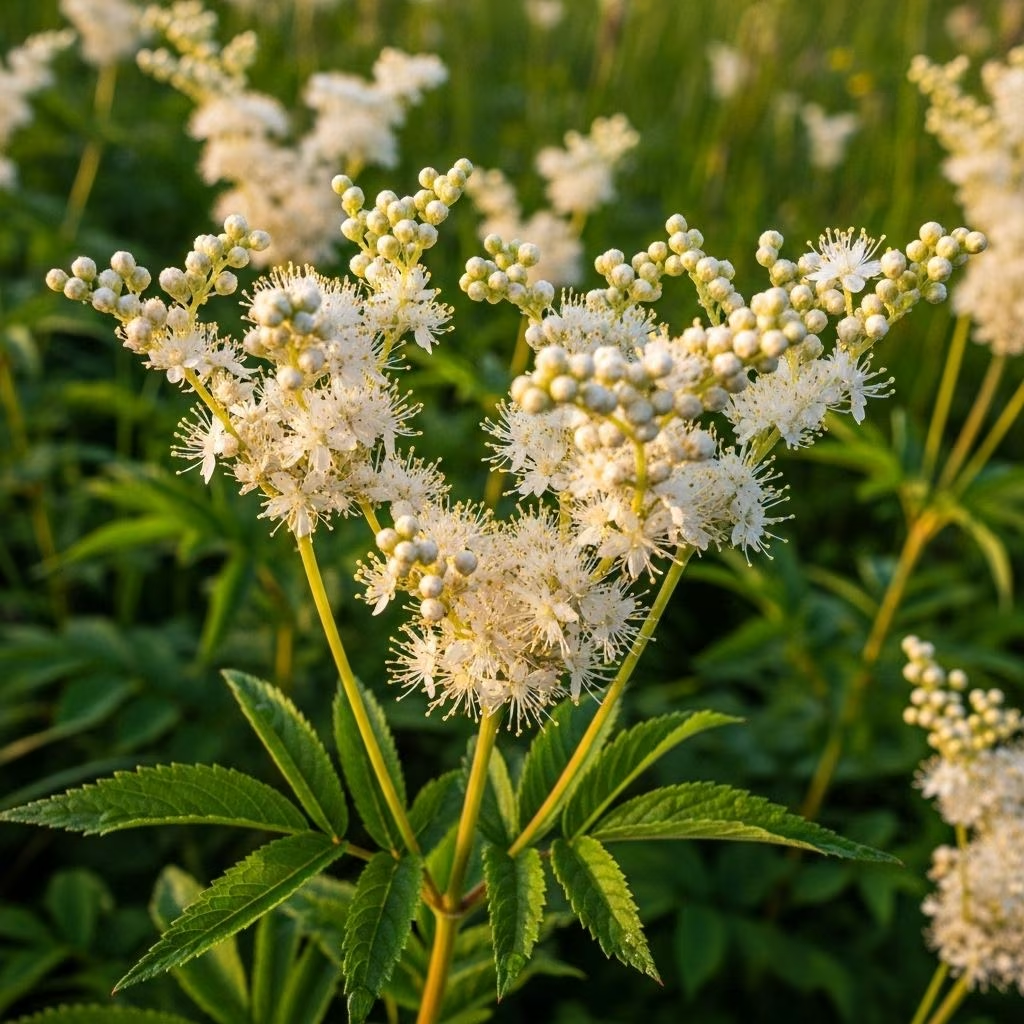
Meadowsweet (Filipendula ulmaria), also known as queen of the meadow or mead wort, has long held a revered place in herbal medicine. Recognized for its fragrant flowers and potent healing properties, this herb has been used since ancient times to treat pain, inflammation, and digestive ailments. With increasing interest in natural remedies, meadowsweet’s complex blend of active compounds continues to be researched for its health-supporting effects.
Botanical Background and History
Belonging to the Rose family (Rosaceae), meadowsweet is a perennial plant notable for its creamy-white flower clusters and pleasant, sweet aroma. Native to damp meadows and marshlands of Europe and Western Asia, it commonly grows along riverbanks and in marshy fields, and can now be found in parts of North America.
- Scientific Name: Filipendula ulmaria
- Family: Rosaceae (Rose family)
- Other Names: Bridewort, Queen of the Meadow, Mead Wort, Dropwort, Dolloff
- Native Regions: England, Ireland, Western Asia, Eastern North America
Traditionally considered a “sacred herb” among Celtic cultures, meadowsweet was used not only for its medicinal qualities but as an addition to mead and other celebratory drinks.
Traditional Medicinal Uses
Meadowsweet’s use as a remedy dates back centuries. Before the advent of modern pharmaceuticals, it was a primary plant for addressing a range of illnesses.
- Relief of joint pain, arthritis, and gout
- Treatment of heartburn, gastric ulcers, and other digestive ailments
- Support for colds, bronchitis, and respiratory infections
- Use as a diuretic to increase urine output and support kidney or bladder health
- As a remedy for fever reduction
Both the leaves and flowering stems were valued for their antiseptic, aromatic, astringent, diaphoretic, and tonic properties.
Health Benefits of Meadowsweet
Meadowsweet contains several natural compounds that contribute to its broad therapeutic profile. Recent studies and traditional healing systems highlight these core health benefits:
Anti-Inflammatory Action
- Salicylates, similar to those found in aspirin, help inhibit inflammation and reduce pain.
- Flavonoids and tannins augment its anti-inflammatory effects, making it useful for arthritis and chronic inflammatory conditions.
Pain Relief and Fever Reduction
- Salicin acts as a natural painkiller, and was the precursor to acetylsalicylic acid (aspirin).
- Historically used to lower fevers and calm musculoskeletal discomfort.
Digestive Support
- Alleviates acid reflux, heartburn, dyspepsia, gastric ulcers, and gastritis by soothing and protecting the digestive tract.
- Astringent properties help tone tissues and are beneficial for chronic diarrhea.
Diuretic Effects
- Promotes urine output, reducing swelling and aiding in kidney/bladder health.
- Historically used to flush toxins and dissolve urinary stones.
Antioxidant Activity
- Polyphenolic compounds fight oxidative stress and support immune function.
Respiratory Relief
- Used in treatment protocols for colds, bronchitis, and coughs.
- Helps break fevers and promotes sweating during flu or infection.
Active Compounds in Meadowsweet
Meadowsweet owes its therapeutic versatility to a blend of active plant compounds:
| Compound Type | Main Examples | Benefits |
|---|---|---|
| Tannins | Ellagitannins, Rutoside, Spiraeoside, Isoquercitrin, Rugosins | Astringent, antioxidant, digestive support |
| Flavonoids | Kaempferol, Quercetin | Anti-inflammatory, antioxidant |
| Glycosides | Salicin | Pain relief, fever reduction |
| Essential oils | Trace aromatic compounds | Antiseptic, aromatic |
Salicin from meadowsweet was famously used to synthesize aspirin in the late 1800s, underscoring its role as a natural pain-relieving agent.
Modern Applications and Use Cases
Contemporary herbalists and holistic practitioners continue to rely on meadowsweet for its broad range of well-supported benefits:
- In herbal teas and tinctures for digestive and joint complaints
- In herbal blends to support cold and flu recovery
- Diuretic formulations for urinary health
- As a detoxifying agent in chronic inflammation protocols
- Added to mead and medicinal drinks for flavor and wellness
Culinary Uses and Flavor Profile
The taste and aroma of meadowsweet have made it a beloved addition to traditional beverages and some culinary preparations:
- Flavoring for mead and other alcoholic drinks
- Herbal teas: Offers a sweet, slightly almond-like and wintergreen aroma with a mild, aromatic, and astringent flavor
- Used in desserts, syrups, jellies, and infused honeys in some European traditions
Crushing meadowsweet flowerbuds releases a characteristic wintergreen scent due to methyl salicylate, which also imparts a distinctive flavor. The leaves and flowers lend a subtle sweetness, astringency, and refreshing notes perfect for light teas or as a delicate culinary garnish.
| Applications | Taste/Aroma Notes |
|---|---|
| Herbal Tea | Sweet, aromatic, mildly astringent, hint of wintergreen |
| Flavoring Mead | Fragrant, subtly bitter-sweet |
| Desserts (Europe) | Delicate, floral, slightly nutty |
Preparations and Dosage
Meadowsweet can be prepared in several formats, with typical uses being:
- Herbal tea: Made from dried flowers and leaves; commonly 1–2 teaspoons per cup, steeped for 5–10 minutes.
- Tinctures and extracts: Concentrated forms for direct medicinal use; follow dosage instructions as per product or practitioner guidelines.
- Topical applications: Less common, but possible for localized pain or inflammation.
Dosage varies according to the intended use, form, and individual need. It is recommended to consult a qualified herbalist or health professional before regular use.
Side Effects and Precautions
While meadowsweet is considered safe for most adults when consumed appropriately, caution is advised in certain populations:
- Allergy risk: Contains salicylates—avoid use if allergic to aspirin, or if you have a salicylate sensitivity.
- Pregnant and breastfeeding women: Consult medical advice before use.
- Children: Not recommended for children under 16, especially during viral infections (risk of Reye’s syndrome).
- Possible drug interactions with anticoagulants, anti-inflammatories, or diuretics.
Adverse effects are rare but may include gastrointestinal upset or an allergic skin reaction. Always start with small amounts to gauge tolerance.
Frequently Asked Questions (FAQs)
Q: Can meadowsweet be used as a substitute for aspirin?
A: Meadowsweet contains natural salicylates, which have effects similar to aspirin, but it should not be used as a substitute for prescribed medications. Consult your healthcare provider before replacing any medication with herbal remedies.
Q: What does meadowsweet tea taste like?
A: Meadowsweet tea features a sweet, floral aroma with hints of almond and wintergreen, accompanied by a mild, slightly astringent flavor that is soothing and refreshing.
Q: Is meadowsweet safe for long-term use?
A: Meadowsweet is generally safe for moderate, short-term use. For extended consumption, regular consultation with a healthcare professional is advised, especially for individuals with existing health conditions or medication use.
Q: How is meadowsweet different from other digestive herbs?
A: Unlike many antacids, meadowsweet doesn’t lower stomach acid drastically but soothes the digestive tract’s sensitive areas, offering healing without compromising digestion.
Q: Are there any culinary recipes using meadowsweet?
A: Meadowsweet is sometimes used to flavor mead, infuse syrups, and provide a floral note in European desserts. While not widespread in modern gardens, it remains a valued addition to herbal teas.
Conclusion
Meadowsweet stands as a prime example of nature’s ability to provide both health support and distinctive flavor, bridging the worlds of traditional medicine and culinary tradition. Its anti-inflammatory, analgesic, and digestive properties continue to inspire its use in herbal practices, while its sweet, aromatic presence elevates drinks and dishes. Whether sought for health or flavor, meadowsweet remains a versatile and celebrated herb with a legacy well worth exploring.
References
- https://draxe.com/nutrition/meadowsweet-herb/
- https://www.healthline.com/nutrition/meadowsweet-herb
- https://www.herbalreality.com/herb/meadowsweet/
- https://www.traditionalmedicinals.com/blogs/herb-library/meadowsweet
- https://www.rxlist.com/supplements/meadowsweet.htm
- https://www.zhiherbals.com/blogs/news/meadowsweet-benefits
- https://www.peacehealth.org/medical-topics/id/hn-2129002
- https://pharmaceutical-journal.com/article/opinion/the-anti-inflamatory-properties-of-meadowsweet


