


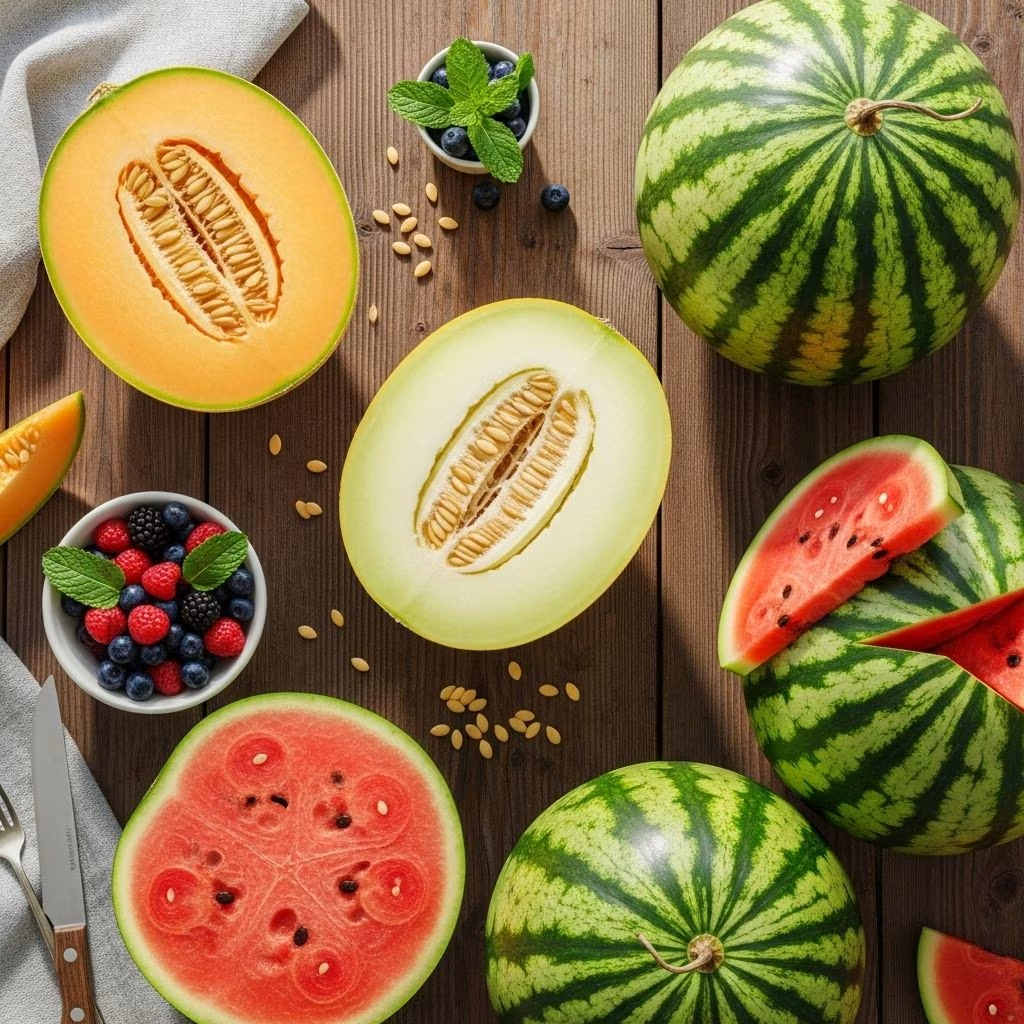
Melons are a beloved category of fruit known for their high water content, sweet and refreshing taste, diverse varieties, and impressive nutritional profile. Cultivated for millennia and originating from different parts of the world, melons have earned a special place in culinary traditions, diets, and even cultural symbolism. From the classic cantaloupe and honeydew to rare varieties like Galia and Hami, melons not only delight the palate but also offer notable health benefits and a broad range of culinary applications.
What Are Melons?
Melons are the edible, fleshy fruit of various species in the genus Cucumis of the family Cucurbitaceae. While watermelon (Citrullus lanatus) is a close relative and shares many features, most commonly referred ‘melons’ generally derive from Cucumis melo. The botanical category includes a wide variety of fruit distinguished by texture, sweetness, flesh color, size, and aroma. Melons have been cultivated since ancient times, with references in Egyptian, Greek, and Roman histories. Today, melons are enjoyed globally for their sweetness, hydrating properties, and nutritional value.
Main Botanical Groups of Melons
- Inodorus Melons (Winter Melons): Smooth-skinned, typically white or green-fleshed. Examples: honeydew, casaba, Persian melon.
- Cantalupensis Melons: Netted or rough rind, sweet, orange flesh. Examples: North American cantaloupe.
- Reticulatus Melons: Distinguished by netted skin. Often called muskmelons.
- Flexuosus Melons: Very long (up to one meter), often acidic.
- Conomon Melons: Asian pickling melons, with green-striped flesh.
- Chito Melons: Small, whitish-fleshed, sometimes called “mango melon.”
- Dudaim Melons: Grown mainly for their ornamental value and fragrance; typically inedible.
Major Types and Popular Varieties of Melon
The world of melons is expansive, with each variety offering unique characteristics. Below are some of the major types and their distinct features:
| Melon Variety | Appearance | Flesh Color | Flavor Profile | Key Features |
|---|---|---|---|---|
| Cantaloupe | Netted, round | Bright orange | Very sweet, fragrant | Classic in North America, high in vitamin A |
| Honeydew | Smooth, pale green/yellow skin | Pale green | Mild, ultra-sweet | Firm texture, high water content |
| Galia | Yellow, netted | Pale green | Spicy-sweet, tropical | Hybrid of cantaloupe and honeydew |
| Crenshaw | Large, yellowish-green rough rind | Peach | Very sweet, slightly spicy | Dense and tender, “waxy” feel when ripe |
| Hami | Large, golden yellow netted skin | Pale coral, sometimes red/pink or white | Crisp, juicy, floral-sweet | Long shelf-life, stored for weeks |
| Casaba | Bright yellow, thick wrinkled skin | Pale green | Sweet, cucumber-honeydew mix | Aromatic, good for storage |
| Charentais | Smooth, round/oval, light grayish skin | Deep orange | Intensely sweet, perfumed | French origin, gourmet melon |
| Goddess | Oval, medium coarse netting | Soft orange | Exceptionally sweet and juicy | Looks like cantaloupe; soft texture |
| MelloSweet | Pale white/yellow, smooth | White | Very sweet, honeyed | Soft flesh, stronger aroma than honeydew |
Additional Noteworthy Melons
- Canary Melon: Oval, bright yellow skin, white flesh, sweet and tangy.
- Persian Melon: Large, netted skin, orange-pink flesh, late maturity, very sweet.
- Ogen (Gallicum) Melon: Small, netted rind, green aromatic flesh, unique to the eastern Mediterranean.
Nutritional Benefits and Health Impacts
Melons are not only delicious but are also nutrient-rich and low in calories, making them an ideal choice for healthy eating:
- High Water Content: Most melon varieties are composed of around 90% water, making them exceptionally hydrating and excellent for maintaining fluid balance in hot climates or after exercise.
- Rich in Vitamins: Especially vitamin C (boosts immune health, skin, and tissue repair) and vitamin A (essential for vision and immune function). Cantaloupe, in particular, is a leading source of beta-carotene (vitamin A precursor).
- Antioxidant Content: Melons supply polyphenols and carotenoids, compounds with antioxidant properties that help the body combat oxidative stress and inflammation.
- Dietary Fiber: Helps promote digestive health and can support heart health by aiding in cholesterol regulation.
- Low in Calories: Typically less than 50 calories per cup, making melons excellent snacks for weight management.
- Electrolytes and Minerals: Contains potassium, which supports cardiovascular and muscular functions. Small amounts of magnesium, folate, and calcium are also present.
- May Support Skin Health: Vitamin C-rich foods, including melons, support collagen synthesis for healthy skin.
- Anti-inflammatory Effects: The natural polyphenols and other phytonutrients in melons have demonstrated anti-inflammatory roles in laboratory studies.
Nutrition Table (per 1-cup serving, ~160g cantaloupe)
| Nutrient | Amount | % Daily Value |
|---|---|---|
| Calories | 53 | 3% |
| Water | 144g | — |
| Vitamin C | 57mg | 64% |
| Vitamin A | 5412 IU | 108% |
| Potassium | 417mg | 9% |
| Dietary Fiber | 1.4g | 5% |
| Carbohydrates | 13g | 5% |
| Protein | 1.3g | 3% |
Culinary Uses of Melon
Melons are prized in cuisines worldwide for their sweet flavor, versatility, and vibrant colors. Their culinary uses include:
- Raw and Fresh: Most commonly, melons are sliced and served fresh as snacks, in fruit platters, or salads.
- Appetizers: Classic pairings include prosciutto e melone or cheese with cantaloupe.
- Desserts: Melon balls, fruit salads, granitas, gelato, and parfaits.
- Beverages: Melon smoothies, agua fresca, flavored cocktails, and fresh juice.
- Savory Dishes: Salsas, cold soups, or as a complement to grilled meats.
- Pickling: Some varieties (like Conomon or Asian pickling melons) are pickled or used in relishes.
- Drying and Candying: Certain melons are dried or candied, especially in Asia.
- Garnishing: The colorful flesh and intricate cut shapes make melons popular for decorative garnishes.
Taste Profiles of Popular Melons
The flavor, sweetness, aroma, and texture of melons are as diverse as their varieties. Here is a summary of the sensory experience associated with some popular types:
- Cantaloupe: Intensely sweet and perfumed, with soft, juicy flesh and high sugar content. The orange color also signals high beta-carotene.
- Honeydew: Subtly sweet with a crisp, firm bite. Less aromatic than cantaloupe but cool and refreshing.
- Galia: Signature spicy-sweet flavor with tropical aromatics. Chartreuse flesh is especially succulent.
- Crenshaw: Very sweet with a hint of spice, intricate aroma, and tender, peach-colored flesh.
- Hami: High juiciness and floral aroma with a crisp, sweet taste. Sometimes dried in Asia for intense flavor.
- Casaba: Mild sweetness, noted for cucumber-honeydew flavor notes and aromatic flesh.
- MelloSweet: Extremely sweet, almost honey-like with tender, soft texture.
- Canary: Sweet but slightly tangy.
- Charentais: Distinctively perfumed and sweet, considered a gourmet melon.
Selecting, Storing, and Preparing Melons
To fully enjoy melons’ taste and nutritional potential, consider these guidelines for selecting and preparing melons:
- Check for Ripeness: Ripe melons should feel heavy for their size and may give slightly to gentle pressure at the blossom end (opposite the stem). The aroma should be pleasant and sweet for most varieties. Honeydews and others may have a slight waxy feel when ripe.
- Color Cues: Look for skin color changes, such as green-to-golden for Galia or bright golden-yellow for ripe Crenshaw.
- Storage: Uncut melons should be kept at room temperature until ripe (best when slightly soft at the ends), then refrigerated. Cut melons should always be kept in the fridge and consumed within 3–5 days.
- Preparation: Wash thoroughly before cutting. Slice, cube, or scoop into balls. Remove seeds before serving.
- Freezing: Melon balls or cubes can be frozen for use in blended drinks or as ice cubes for cocktails.
Potential Allergies and Considerations
Melons are generally safe and healthy but may cause reactions in specific individuals:
- Food Allergy: Rarely, oral allergy syndrome (OAS) may occur, particularly in those allergic to ragweed pollen, with tingling or itching in the mouth after melon consumption.
- Food-Borne Pathogens: Melons can harbor bacteria on the rind (e.g., Salmonella), which can be transferred to the flesh by cutting. Always wash and, if possible, scrub the rind before slicing.
- Sugar Content: Although melons have a low glycemic load, their natural sugar content may be a consideration for diabetics or those following a low-carbohydrate diet. Consume in moderation.
Frequently Asked Questions (FAQs)
Q: Are melons good for hydration?
A: Yes, melons are about 90% water, making them among the best fruits for rehydration during hot weather or after exercise.
Q: Which melon is the sweetest?
A: Sweetness varies by type, but Crenshaw, Galia, and MelloSweet melons are often regarded as exceptionally sweet within the melon family.
Q: Can diabetics eat melon?
A: Most melons have a moderate glycemic load, but due to natural sugars, they should be consumed in reasonable portions. Always consult a healthcare provider for dietary advice.
Q: How do I know when a melon is ripe?
A: Type-specific cues include a sweet aroma, slightly soft blossom end, and color change (for Galia and Crenshaw, skin turns golden). The melon should feel heavy for its size.
Q: Are there non-sweet or savory melons?
A: Yes, certain varieties such as Flexuosus and Asian pickling melons (Conomon) are grown primarily for savory or pickled preparations rather than sweetness.
Q: Are melon seeds edible?
A: Most melon seeds are edible when roasted but are typically discarded when serving the fruit fresh.
Q: Why do some melons taste bland?
A: Bland taste may result from harvesting before peak ripeness, improper storage, or less sweet varieties. Always choose in-season, ripe fruit for best flavor.
Summary
Melons encompass a diverse family of fruits offering spectacular diversity in taste, nutrition, and culinary versatility. Whether you enjoy them as a hydrating summer snack, a sophisticated dessert, or the highlight of a salad, melons deliver more than just sweetness—they bring abundant vitamins, minerals, and the joy of global food discovery.
References
- https://veritablevegetable.com/melon-guide/
- https://horticulture.oregonstate.edu/oregon-vegetables/melons-cantaloupe-muskmelon-honeydew-crenshaw-casaba-etc-0
- https://www.hy-vee.com/recipes-ideas/advice-how-tos/food-love/ingredient-focus/specialty-melons
- https://felixinstruments.com/blog/melon-quality-production-physiology/
- https://www.tastingtable.com/1606919/types-melons-explained/
- https://sowtrueseed.com/blogs/gardening/types-of-melons
- https://plantsnap.com/blog/types-of-melons
- https://extension.sdstate.edu/melons-melons-melons


