


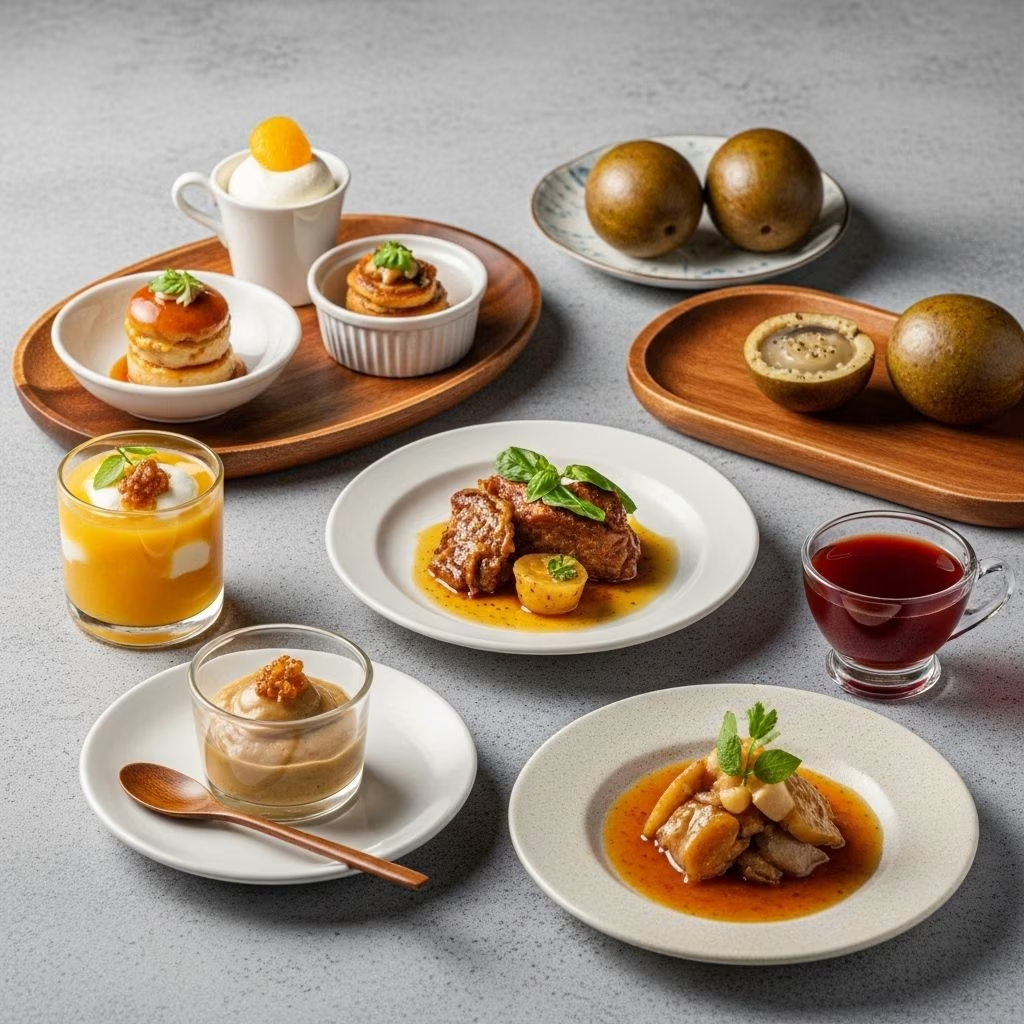
Monk fruit, also known as luo han guo, has emerged as both a sought-after natural sweetener and a prized ingredient in traditional Chinese cuisine and medicine. This article delves into the best ways to cook with monk fruit, sharing classic and creative recipes as well as expert advice on preparation to help you harness its unique qualities for maximum flavor and health benefits.
Introduction: What Is Monk Fruit?
Monk fruit (Siraitia grosvenorii), known as luo han guo in Chinese, is native to Southern China and Northern Thailand. Traditionally, it is consumed both as a sweetener and as an ingredient in herbal drinks and soups. Monk fruit’s natural sweetness comes from mogrosides, compounds that provide intense sweetness—up to 300 times that of sugar—without the calories or glycemic impact of conventional sugars. As such, monk fruit extract is now widely used in sugar-free and low-carb recipes worldwide.
Monk Fruit Culinary Traditions and Health Benefits
Centuries before its popularity as a sweetener in the West, monk fruit played a critical role in Traditional Chinese Medicine (TCM) due to its reputed ability to soothe sore throats, alleviate coughs, and serve as a cooling tonic during hot weather or illness. Monk fruit:
- Is caffeine-free, making it ideal for herbal teas and family-friendly drinks.
- Contains antioxidants (mainly mogrosides) believed to reduce inflammation.
- May help regulate blood sugar levels and aid digestion due to its natural compounds.
- Offers natural sweetness with zero calories and zero glycemic impact, suitable even for diabetics.
Beyond health, its unique flavor profile—sweet, slightly caramel-like with herbal undertones—adds depth to both traditional and modern dishes.
How to Cook Monk Fruit Perfectly
Whether making tea or using monk fruit extract in desserts, a few fundamental steps ensure optimal flavor extraction and sweetness:
- Use Dried Monk Fruit: Most recipes call for whole, dried monk fruit, which can be sourced at Asian groceries or herbal shops.
- Rinsing Is Essential: Always rinse monk fruit thoroughly to remove dust. Pat dry before use.
- Crack or Puncture: Break open the hard shell or poke holes using a chopstick. Exposing the pulp ensures maximum flavor release.
- Simmer (Not Boil Vigorously): After bringing water to a boil, reduce to a low simmer to gently extract sweetness and nutrients without bitterness.
- Customize With Herbs: For more complex drinks, add dried goji berries, longan, chrysanthemum, or licorice during simmering.
Tip: Monk fruit tea is naturally sweet—no additional sugar is needed. When using monk fruit sweetener (extract or powder), start with small amounts due to its intense sweetness.
Classic Luo Han Guo Drink (Detox Monk Fruit Tea)
This simple and soothing herbal tea is the most classic way to enjoy monk fruit:
| Ingredients | Quantity |
|---|---|
| Dried monk fruit | 3 pieces |
| Water | 9 cups |
Instructions:
- Rinse monk fruit under running water and pat dry.
- Use a chopstick or the back of a spoon to poke several holes, or break open each fruit for stronger infusion.
- Place fruit in a large pot. Cover with 9 cups of water.
- Bring to a boil, then lower the heat and simmer with the lid on for 30 minutes.
- Strain the liquid. Serve warm or cool, as desired. Store leftovers in the fridge for up to 3 days.
Personalize It: Add dried chrysanthemum, longan, or goji berries for extra vitamins and flavor. Each ingredient imparts its own subtle character and health benefits.
Chrysanthemum and Longan Monk Fruit Tea
This famous variation, known in Cantonese as liang cha (“cooling tea”), is a tradition in many Asian households for beating summer heat or soothing symptoms of cold and flu.
| Ingredients | Quantity |
|---|---|
| Water | 10 cups |
| Whole monk fruit | 1 |
| Dried longan | 25 g |
| Dried chrysanthemum flowers | 25 g |
| Licorice slices (optional) | 3 |
| Rock sugar | 50 g (to taste) |
Instructions:
- Bring 10 cups of water to a boil in a deep pot.
- Crack monk fruit open and add to boiling water. Boil for 3–5 minutes; use the back of a ladle to further break pulp and seeds.
- Add longan, chrysanthemum, licorice, and rock sugar. Return to boil.
- Reduce heat, cover, and gently simmer for 1 hour.
- Strain and serve hot or warm. The longan can be eaten, but discard other solids.
Benefits: Chrysanthemum cools and soothes, while longan adds gentle sweetness and aroma. Licorice contributes herbal fragrance and supports respiratory health.
Watercress and Monk Fruit Soup
This nourishing Cantonese-style slow-cooked soup blends the delicate bitterness and nutrition of watercress with monk fruit’s sweet notes, balanced by meaty depth from pork bones. Traditionally consumed for both taste and health in Chinese households.
| Ingredients | Quantity |
|---|---|
| Chinese watercress | 280 g |
| Pork bones | 520 g |
| Carrot (peeled, chopped) | 1 |
| Monk fruit (halved) | 1/2 |
| Water | 2.5 L |
| Sweet almonds (South almond) | 12 g (1 Tbsp) |
| Bitter almonds (North almond) | 5 g (1 tsp) |
| Candied dates | 2 |
| Ginger slices | 2–3 |
Instructions:
- Rinse watercress thoroughly (soak in salted water for 15 minutes if needed) and drain well.
- Blanch pork bones in boiling water for 5–8 minutes then rinse clean—this helps ensure a clear soup.
- Add all ingredients to a large deep pot. Bring to a boil over high heat.
- Reduce to medium-low, cover, and gently simmer for 2–2.5 hours until flavors are balanced and watercress is tender.
- Season with salt to taste; serve hot.
Notes: Sweet and bitter almonds, and candied dates, are available in Chinese groceries. The resulting soup is soothing, aromatic, and subtly sweet.
Modern Monk Fruit Recipes
With the rising popularity of monk fruit as a zero-calorie sugar substitute, it is now featured in a host of healthy baking, beverage, and dessert recipes. Here are some ways to incorporate monk fruit extract or sweetener into everyday cooking:
- Monk Fruit Lemonade: Mix freshly squeezed lemon juice, water, and a small amount of monk fruit sweetener for a refreshing sugar-free drink.
- Smoothie Bowl Base: Add a teaspoon of monk fruit sweetener to your favorite fruit smoothies for extra sweetness without the sugar spike.
- Sugar-Free Baked Goods: Substitute monk fruit sweetener for sugar in cakes, muffins, or cookies (use recipes formulated for sugar substitutes to avoid texture issues).
- Keto Ice Cream: Blend monk fruit sweetener with coconut milk, vanilla, and your puree of choice, then churn for a creamy low-carb dessert.
Caution: Monk fruit sweeteners are extremely potent. Add small increments, tasting as you go, to avoid overpowering your dish.
How to Substitute Monk Fruit Sweetener in Baking
- Most pure monk fruit extract is up to 150-300 times sweeter than table sugar. Commercial blends may cut with erythritol for easier substitution (1:1 ratio).
- Baking with purely monk fruit extract may not provide the same texture or browning as sugar. Look for recipe-specific blends.
- Always check sweetness equivalence on packaging—start with less and add to taste.
Frequently Asked Questions (FAQs)
Q: Where can I buy whole dried monk fruit?
Whole dried monk fruit is available at Asian grocery stores, many Chinatowns, herbal shops, and online specialty retailers. Three pieces typically cost $2–$4.
Q: How long does dried monk fruit keep?
Stored in a sealed container or bag in the refrigerator, dried monk fruit can last many months or even years without spoiling.
Q: Can I add sugar or honey to monk fruit tea?
Monk fruit is naturally very sweet; additional sugars are unnecessary and not recommended, especially for those seeking health benefits.
Q: Is monk fruit safe for diabetics?
Yes. Monk fruit’s sweetness comes from non-glycemic mogrosides, making it suitable for people with diabetes or those managing blood sugar.
Q: What does monk fruit tea taste like?
Monk fruit tea is aromatically sweet, with notes of caramel, gentle fruitiness, and mild herbal undertones. When blended with herbs or floral ingredients, it can become more earthy, floral, or floral-sweet depending on the ingredients used.
Final Thoughts and Tips for Cooking with Monk Fruit
- Experiment: Try different herbal pairings (goji, chrysanthemum, longan) for unique flavors and additional health benefits.
- No Sugar Needed: Monk fruit’s unique, intense sweetness naturally eliminates the need for added sugars in drinks, desserts, and some soups.
- Storage: Keep dried monk fruit in a cool, dry, airtight container in the refrigerator to maintain maximum freshness.
- Health Boost: Use monk fruit for guilt-free, sugar-free drinks and treats that are both satisfying and nourishing—especially for those on keto, low-carb, or diabetic-friendly diets.
Whether you are steeping a traditional Chinese herbal tea, simmering a nourishing soup, or crafting a contemporary sugar-free dessert, monk fruit offers a blend of sweetness, health, and tradition that few ingredients can match.
References
- https://onolicioushawaii.com/luo-han-guo-monk-fruit/
- https://dailycookingquest.com/luo-han-guo-and-chrysanthemum-liang-cha-monks-fruit-and-chrysanthemum-tea.html
- https://en.christinesrecipes.com/2018/01/watercress-and-monk-fruit-soup.html
- https://www.nyonyacooking.com/recipes/luo-han-guo-tea~5DbDPU_DG
- http://theindolentcook.blogspot.com/2014/08/luo-han-guo-tea-monk-fruit-tea.html
- https://www.cleaneatingmag.com/clean-eating-recipes/3-ways-with-monk-fruit-sweetener/
- https://www.youtube.com/watch?v=qgyMyejLgFQ


