


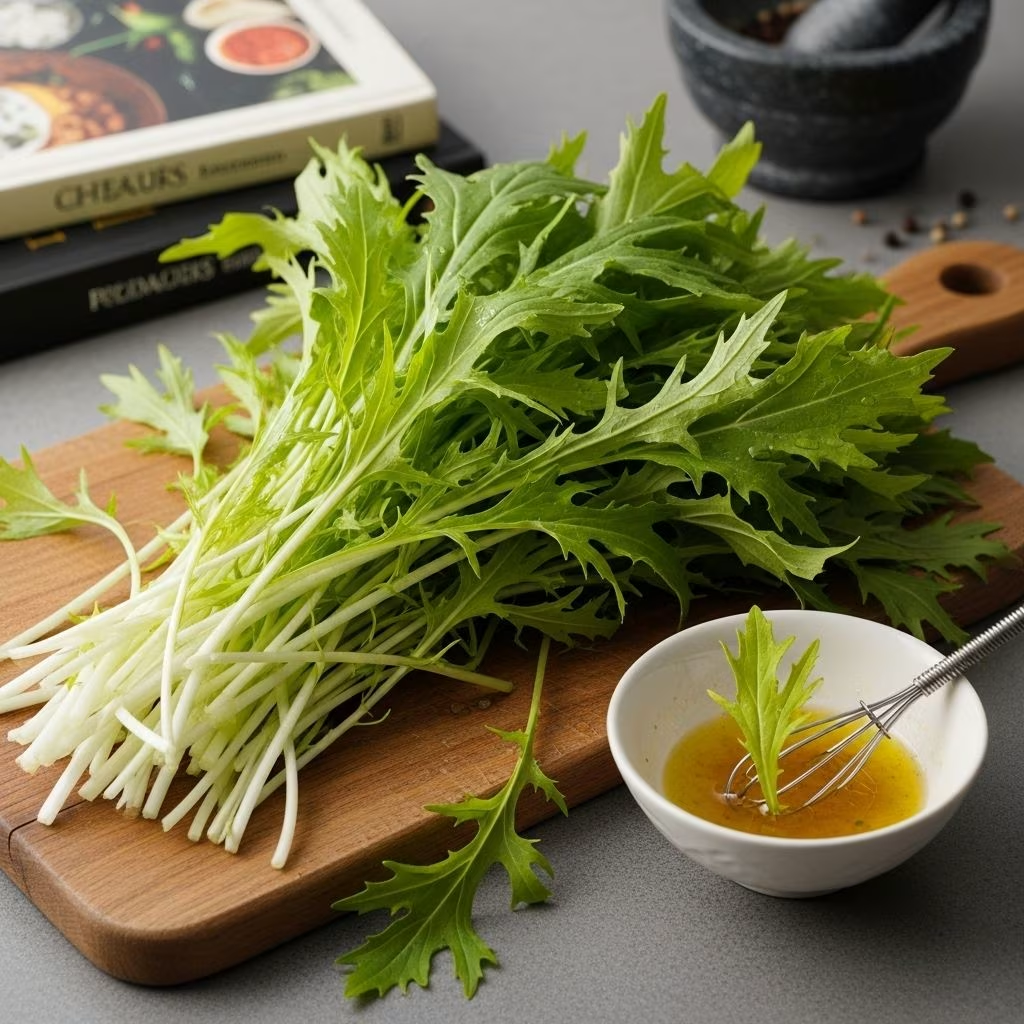
Mizuna is a vibrant, nutrient-rich leafy green celebrated for its culinary versatility, unique taste, and health-promoting properties. From salads to stir-fries and beyond, mizuna delivers both flavor and nutrition across global cuisines — but it remains most closely associated with Japanese food traditions. This guide provides a complete overview of mizuna, covering its origins, types, nutritional profile, growing conditions, health benefits, preparation, and culinary uses.
Introduction to Mizuna
Mizuna (ミズナ, Brassica rapa var. nipposinica), often called Japanese mustard green or spider mustard, is a leafy vegetable in the Brassica family. Related to cabbage, turnips, and bok choy, mizuna stands out with its delicate, deeply serrated green leaves, slightly peppery flavor, and exceptional nutrition.
Origins and History
Mizuna’s history reaches back centuries, first believed to have originated in China and later embraced by Japanese agriculture from at least the 8th century. In Japan, mizuna became an essential traditional vegetable, particularly esteemed in the Kyoto region as a “Kyo yasai” or heirloom green.
- The Japanese name “mizuna” means “water greens,” reflecting its affinity for moist conditions and riversides.
- It has been cultivated in Japan since ancient times, with historical roles both in everyday home cooking and formal cuisine.
- Mizuna has also been grown successfully in diverse climates and even on the International Space Station.
Botanical Description and Varieties
Mizuna is a member of the mustard family, with notable attributes:
- Leaves: Dark green, deeply serrated or feathered, often glossy and beautiful on the plate.
- Growth Habits: Fast-growing, tolerant of cooler temperatures, and adaptable to different soil types.
- Appearance: Clusters of thin stems and delicate, spider-like leaf blades give it the nickname “spider mustard.”
Popular Varieties of Mizuna
- Kyona Mizuna: A classic green-leafed Japanese type.
- Komatsuna Mizuna: Broader leaves, sometimes confused with regular komatsuna.
- Vitamin Green Mizuna: Selected for enriched nutritional content.
- Purple Mizuna: Distinctive purple hues in younger leaves, sometimes grown as microgreens.
- Mibuna Mizuna: A regional specialty with thinner, more uniform stalks.
- Red Komatsuna Mizuna: Has vibrant red-purple coloring.
- Pink Mizuna: Decorative, with pink-tinged frilled foliage.
Horticultural guides list more than a dozen recognized cultivars, each with subtle differences in leaf shape, color, and flavor intensity.
Nutritional Profile
Mizuna is a powerhouse among leafy greens, dense in essential micronutrients and health-promoting plant compounds:
- Vitamin K: Excellent source, vital for blood clotting and bone health.
- Vitamin C: High content, supports immunity and antioxidant defense.
- Beta carotene (precursor of vitamin A): Supports vision, cell growth, and skin health.
- Folate and B vitamins: Important for metabolism and pregnancy health.
- Calcium and Magnesium: Plant-based minerals for bones and muscle function.
- Dietary Fiber: Supports healthy digestion and satiety.
- Antioxidants: Many phytochemicals help protect cells from free radical damage.
- Low in calories: Around 12–17 calories per 100g, making it ideal for weight-conscious diets.
Health Benefits of Mizuna
Regularly including mizuna in your diet may offer several studied and traditional health advantages:
- Rich in Antioxidants: The combination of vitamins C, A, and plant flavonoids helps to fight oxidative stress and reduce the risk of chronic diseases.
- Supports Immunity: Vitamin C content is key for immune cell function, wound healing, and absorption of iron from food.
- Bones and Blood Health: High vitamin K and calcium content contribute to bone strength and normal blood clotting.
- Anti-inflammatory Effects: Natural compounds in mizuna, such as glucosinolates, contribute to reducing inflammation throughout the body.
- Aids Digestion: Fiber promotes regularity, supports gut bacteria, and may help prevent constipation.
- Heart Health: Leafy greens, mizuna included, have been linked to reduced risk of cardiovascular disease due to their fiber, potassium, and low sodium content.
- Low Calorie: Mizuna is suitable for weight management and nutrient-dense diets.
How to Use and Prepare Mizuna
Mizuna’s delicate texture and unique flavor lend itself to a wide array of dishes, both raw and cooked.
- Salads: Use raw mizuna leaves as a salad base or as part of a mesclun mix for extra color and flavor.
- Soups and Stews: Add whole or chopped leaves to brothy soups, miso soup, or noodle stews at the end of cooking for mild peppery notes.
- Stir-Fries: Mizuna cooks quickly and can be stir-fried with garlic, soy sauce, and other vegetables or proteins.
- Spring Rolls: Fresh mizuna adds crunch and a slight kick to Vietnamese-style spring rolls.
- Pasta Complement: Toss mizuna with hot pasta, olive oil, herbs, and optional parmesan, letting it wilt just slightly.
- Pickled or Fermented: Some Japanese preparations pickle mizuna stalks as a condiment or side dish.
- As Microgreens: Young mizuna shoots are vibrant in both appearance and flavor, well suited for garnishing sandwiches, salads, or sushi.
Mizuna’s tender structure means it requires minimal preparation—simply rinse, dry, and trim off tougher stems as preferred. For baby leaves, use whole, while mature leaves can be chopped. Cooking times are typically very short, preserving both color and nutrients.
Traditional and Global Dishes Featuring Mizuna
- Namasu: Japanese salad of thinly sliced vegetables in vinegar; mizuna is often included.
- Nabemono (hot pot): Japanese one-pot dish where mizuna is blanched at the table.
- French Cuisine: Mizuna, known as “Japanese greens,” is used fresh in salads or gently wilted into dishes.
- Korean Dishes: Sometimes found in kimchi or banchan (small side dishes).
- Modern Western Fusion: Chefs increasingly add mizuna to egg dishes, tacos, grain bowls, and more.
Taste and Culinary Applications
Mizuna’s flavor is best described as mildly peppery, slightly spicy, and refreshingly green—akin to a milder arugula or young mustard leaf.
- The spiciness is present but subtle, making mizuna accessible to palates that find arugula or mature mustard greens too bold.
- Baby mizuna (microgreens and early harvest) is typically milder; mature leaves develop a more pronounced flavor.
- Mizuna retains its structure and color when lightly cooked, adding attractive visual appeal to many dishes.
Its distinctive shape and taste make it a favorite not only for Japanese cuisine but also in creative salads, fusion recipes, and garnishes worldwide.
Growing and Harvesting Mizuna
Mizuna is prized by gardeners for its ease of cultivation and resilience. Here are essential growing facts:
- Zoning: Hardy in USDA zones 4–9; grown year-round in many climates.
- Sowing: Direct seed in well-drained soil with a pH of 6.5–7.0. Space closely for baby leaves (microgreens) or 20 cm apart for mature plants.
- Growth Rate: Very fast—microgreens or young leaves can be harvested as soon as 14–21 days post-sowing; mature heads in 30–45 days.
- Light Needs: Prefers full sun or partial shade, adapts well to spring and fall plantings, and tolerates cool weather or mild frost.
- Pest & Disease Resistance: Tolerant to common brassica pests when rotated and companion planted (especially with tomatoes and peppers).
Mizuna is grown in more than 30 countries, with China, Japan, South Korea, India, and the U.S. as major producers.
Fun Facts and Cultural Significance
- Mizuna’s name is Japanese for “water greens” — a nod to its preference for moist soil and historical abundance near rivers.
- Spider mustard is a nickname referencing its long, frilled leaves.
- Culinary versatility: Equally prized cooked or raw, and celebrated in both humble home dishes and festive meals.
- Space-friendly: Mizuna was grown on the International Space Station in 2019, noted for rapid growth and low resource needs.
- Heirloom variety: Mizuna from Kyoto is especially renowned and is part of Japanese cultural heritage.
- Companion plant: Planting mizuna among tomatoes or peppers can reduce garden pests and improve soil health.
Comparison Table: Mizuna vs. Other Greens
| Feature | Mizuna | Arugula | Spinach | Mustard Greens |
|---|---|---|---|---|
| Flavor | Mild peppery, slightly spicy | Strong peppery, nutty | Mild, slightly sweet | Pungent, spicy |
| Leaf Shape | Deeply serrated, feathery | Lobed | Oval, smooth | Frilly, curly or smooth |
| Best Use | Raw or cooked, salads, stir-fries | Salads, sandwiches, pizzas | Raw, wilting, cooking | Cooking, stews, pickling |
| Nutritional Standout | Vitamins A, C, K; antioxidants | Vitamin K, folate | Iron, folate | Vitamin K, glucosinolates |
| Origin | East Asia (Japan & China) | Mediterranean | Persia (ancient Iran) | Central Asia, Eurasia |
Frequently Asked Questions (FAQs)
What does mizuna taste like?
Mizuna has a mild peppery and slightly spicy flavor, less intense than arugula, with a crisp, refreshing finish.
How do you eat mizuna raw?
Raw mizuna can be used in salads, as a garnish, or added to sandwiches and wraps for extra bite and vibrant color.
Can you cook mizuna?
Yes. Mizuna can be stir-fried, added to soups, sautéed lightly, or used in hot pot dishes. It cooks quickly and maintains its color and texture when not overcooked.
Is mizuna healthy?
Absolutely. Mizuna offers high levels of vitamins A, C, and K, along with antioxidants, fiber, and minerals, supporting bone health, the immune system, and good digestion.
Where can I buy mizuna?
Mizuna is available at Asian grocery stores, many farmers’ markets, specialty produce vendors, and increasingly at major supermarkets. It is also easy to grow at home.
Can mizuna be used as a substitute for other greens?
Yes. Mizuna can substitute for arugula, spinach, or young mustard greens in most recipes, especially when you want to add mild spice and crisp texture.
How do you store mizuna?
Store mizuna in the refrigerator’s vegetable drawer, wrapped in a damp paper towel and placed in a plastic bag or airtight container. Use within 3–5 days for optimal freshness.
Conclusion
Mizuna is an exceptional green for anyone interested in nutrition, culinary adventure, or gardening simplicity. Its blend of mellow spice, leafy crunch, and superb nourishment continues to earn it a beloved place in kitchens and gardens around the world.
References
- https://en.wikipedia.org/wiki/Mizuna
- https://www.area2farms.com/almanac/mizuna
- https://www.urbancultivator.net/learn-about-mizuna/
- https://extension.psu.edu/mizuna-an-asian-green/
- https://www.masterclass.com/articles/mizuna
- https://www.justalittlebitofbacon.com/what-is-mizuna-ingredient-spotlight/
- https://www.gardeningknowhow.com/tbt/mizuna-mustard-greens
- https://www.rhs.org.uk/vegetables/mizuna-mibuna/grow-your-own
- https://tendingmygarden.com/mizuna-evergeen-elegant-and-delicious/


