


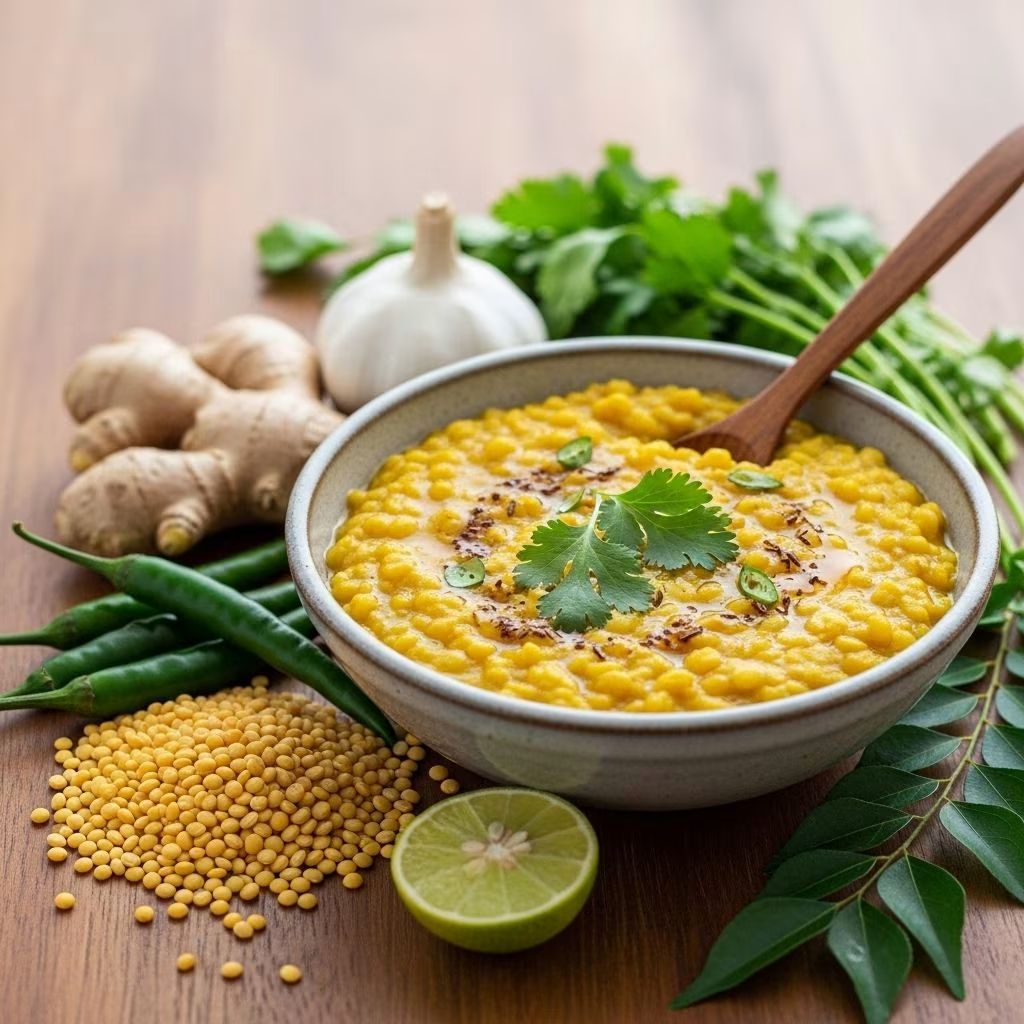
What Is Moong Dal?
Moong dal (also known as mung dal or green gram dal) is a type of lentil widely used in Indian and Southeast Asian cuisines. It is derived from the mung bean (Vigna radiata), a small, green legume that is often hulled (removal of outer skin) and split for culinary use. The most common varieties found in kitchens are yellow moong dal (split and hulled) and whole green moong (unhulled).
Moong dal is prized for its quick cooking time, mild flavor, and high digestibility, making it a staple in Indian households, especially for children, the elderly, and those recovering from illness. Its versatility extends to both savory and sweet dishes, and it can be prepared in soups, stews, porridges, and even desserts.
Types of Moong Dal
- Whole Green Moong: The entire mung bean with its green skin intact. It takes longer to cook and is often sprouted for salads or stir-fries.
- Split Green Moong Dal (with skin): The bean is split but retains the green skin, resulting in a slightly earthy flavor and higher fiber content.
- Split Yellow Moong Dal (without skin): The most popular variety for everyday cooking, these beans are hulled and split, resulting in a pale-yellow color, mild flavor, and quick cooking time.
Nutritional Profile
Moong dal is a nutritional powerhouse, offering a balanced combination of macronutrients and micronutrients. Here’s a detailed nutritional breakdown per 100 grams of cooked moong dal:
| Nutrient | Amount (per 100g cooked) |
|---|---|
| Calories | 105 kcal |
| Protein | 7 g |
| Carbohydrates | 19 g |
| Sugar | 2 g |
| Fiber | 7.6 g |
| Fat | Less than 1 g |
| Folate | 159 mcg (approx. 40% DV) |
| Iron | Significant amount |
| Potassium | Significant amount |
| Magnesium | Significant amount |
Moong dal is an excellent plant-based protein source and is rich in dietary fiber, especially soluble fiber, which supports digestive health. It also provides essential B vitamins (folate, thiamin, riboflavin, niacin) and minerals such as manganese, phosphorus, copper, and zinc.
Health Benefits
Supports Digestive Health
Moong dal’s high fiber content—both soluble and insoluble—promotes healthy digestion. Soluble fiber forms a gel in the gut, slowing digestion and promoting satiety, while insoluble fiber adds bulk to stool, preventing constipation. Additionally, moong dal contains resistant starch, a prebiotic that nourishes beneficial gut bacteria and produces short-chain fatty acids, supporting colon health and reducing inflammation.
Aids Weight Management
With its low calorie and high protein and fiber content, moong dal helps control appetite by stabilizing blood sugar and delaying gastric emptying, keeping you fuller for longer. Regular inclusion in meals can support weight loss and portion control as part of a balanced diet.
Promotes Heart Health
Moong dal’s potassium and magnesium content help relax blood vessels, managing blood pressure. Its fiber binds cholesterol in the gut, potentially lowering LDL (bad) cholesterol levels, while antioxidants like vitexin and isovitexin may improve circulation. Animal studies suggest that consistent intake may reduce the risk of cardiovascular issues.
Helps Regulate Blood Sugar
Moong dal has a low glycemic index, making it suitable for people managing diabetes or aiming to maintain steady energy levels. Its fiber and protein help slow the absorption of sugars, preventing spikes in blood glucose.
Rich in Essential Nutrients
Moong dal is a good source of iron, folate, potassium, and magnesium, supporting overall health and well-being. Its B vitamin content is particularly important for energy production and neurological health.
Culinary Uses
Moong dal is a cornerstone of Indian cuisine, valued for its adaptability and mild flavor, which readily absorbs spices and other ingredients.
- Moong Dal (Dal Tadka): A comforting, soupy lentil dish flavored with turmeric, cumin, garlic, ginger, and sometimes tomatoes.
- Khichdi: A one-pot meal combining moong dal with rice and vegetables, often served during illness or as a light meal.
- Dal Makhani: While traditionally made with black lentils, moong dal can be used for a lighter version.
- Moong Dal Halwa: A rich, sweet dessert made with ghee, sugar, and cardamom.
- Soups and Stews: Moong dal is used in clear soups and hearty stews, often with vegetables and aromatic herbs.
- Sprouted Moong Salad: Whole moong beans are sprouted and tossed with vegetables, lemon, and spices for a fresh, nutritious salad.
Beyond Indian cuisine, moong dal can be used in Asian stir-fries, vegetarian patties, and even as a thickening agent in sauces and gravies.
How to Cook Moong Dal
Moong dal is easy to prepare, whether using a stovetop, pressure cooker, or instant pot. Here’s a basic method:
- Rinse: Wash the dal thoroughly under running water to remove any dust or impurities.
- Soak (Optional): Soaking yellow moong dal for 15–30 minutes can reduce cooking time, though it is not strictly necessary for split varieties.
- Cook: Add dal to a pot with water (typically a 1:3 ratio of dal to water). Bring to a boil, then reduce heat and simmer for 15–20 minutes until soft. Alternatively, use a pressure cooker for 3–4 whistles.
- Temper: In a separate pan, heat oil or ghee. Add cumin seeds, garlic, ginger, turmeric, and other spices. Pour this tempering (tadka) over the cooked dal and mix well.
- Serve: Garnish with fresh cilantro and serve hot with rice, roti, or bread.
Taste and Texture
Moong dal has a mild, slightly sweet, and earthy flavor, making it a versatile base for both spicy and sweet dishes. It readily absorbs the flavors of spices, herbs, and other ingredients used in cooking. The texture of cooked moong dal can range from creamy and smooth (when well-cooked and mashed) to slightly grainy or firm (when cooked al dente). Yellow moong dal, being hulled, has a softer texture and cooks faster, while whole or split green moong retains more bite and a slightly nuttier taste.
Moong Dal Substitutes
If moong dal is unavailable, consider these alternatives:
- Toor Dal (Pigeon Pea): A common substitute in Indian cooking, though it has a slightly stronger flavor.
- Masoor Dal (Red Lentils): Cooks quickly and has a similar mild taste, though the color is different.
- Chana Dal (Split Chickpeas): Offers a nuttier flavor and firmer texture.
- Yellow Split Peas: Can be used in soups and stews as a replacement.
Frequently Asked Questions (FAQs)
Q: Is moong dal gluten-free?
A: Yes, moong dal is naturally gluten-free and safe for those with celiac disease or gluten sensitivity.
Q: How does moong dal compare to other dals nutritionally?
A: Moong dal is lower in calories and fat, higher in protein, and easier to digest compared to many other lentils. It is especially valued for its high folate and fiber content.
Q: Can moong dal be eaten every day?
A: Yes, moong dal can be consumed daily as part of a balanced diet. Its digestibility and nutritional profile make it a healthy staple.
Q: What is the difference between yellow and green moong dal?
A: Yellow moong dal is split and hulled, with a mild flavor and soft texture. Green moong can be whole or split, with the skin on, and has a slightly earthier taste and firmer texture.
Q: How should moong dal be stored?
A: Store in an airtight container in a cool, dry place. Properly stored, it can last up to a year.
Q: Can moong dal help with weight loss?
A: Yes, its high protein and fiber content promote satiety and can aid in weight management when included as part of a calorie-controlled diet.
Conclusion
Moong dal is a nutritious, versatile, and easily digestible legume that holds a cherished place in Indian and Asian cuisines. Its impressive health benefits—ranging from improved digestion and heart health to blood sugar control and weight management—make it a valuable addition to any diet. Whether enjoyed as a comforting dal, a protein-rich khichdi, or a sweet halwa, moong dal’s mild taste and quick-cooking nature ensure it remains a kitchen staple for generations.
References
- https://www.tarladalal.com/glossary-yellow-moong-dal-split-yellow-gram-peeli-moong-dal-488i
- https://www.nivabupa.com/health-wellness-articles/moong-dal-nutrition.html
- https://moonrice.net/what-is-moong-dal/
- https://www.srisritattva.com/blogs/ageing-with-grace-and-ayurveda/guide-to-moong-dal-benefits-side-effects-roasted-sprouted-whole
- https://en.wikipedia.org/wiki/Mung_bean
- https://www.healthline.com/nutrition/mung-beans
- https://redcliffelabs.com/myhealth/food-and-nutrition/10-health-benefits-of-green-moong-dal/
- http://www.nuragro.com/green-moong.aspx/1000
- https://www.jasminehemsley.com/food-blog/2020/1/29/all-about-mung-dal


