


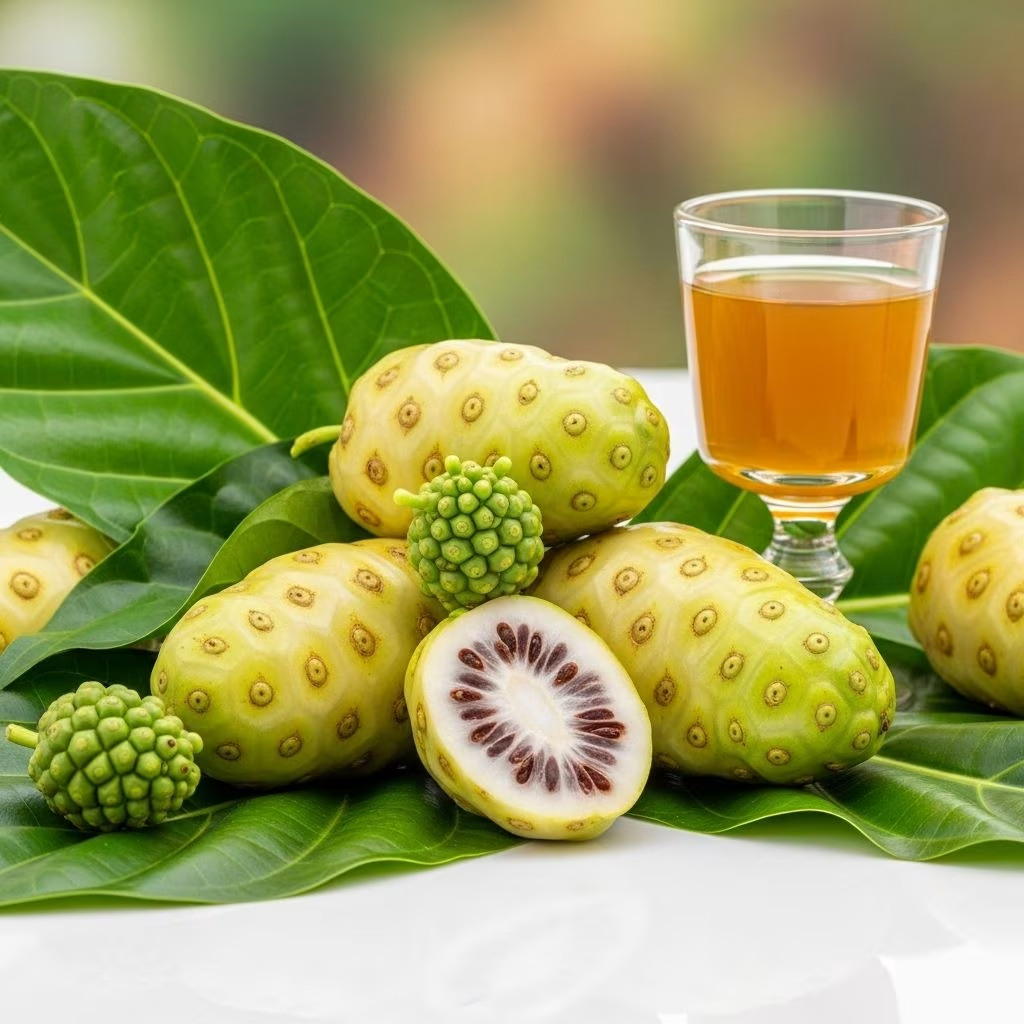
Morinda citrifolia—commonly known as noni—is a tropical plant revered for centuries across Polynesia, Southeast Asia, the Caribbean, and India. Both its fruit and juice are rich in bioactive compounds, forming the cornerstone of numerous traditional remedies. In this comprehensive guide, we examine the science and cultural history behind noni, evaluating its benefits, uses, and distinctive taste.
What Is Morinda (Noni)?
Morinda citrifolia, most widely known as noni, is a small evergreen tree native to Southeast Asia, Australasia, and Polynesian islands. It bears a unique, knobby fruit with a pungent odor and translucent white-yellow flesh. Every part of the plant—including fruit, leaves, bark, roots, and seeds—has been used in traditional medicine. Today, noni is consumed worldwide as juice, puree, dried powder, and capsules.
- Other names: Indian mulberry, cheese fruit, great morinda
- Plant family: Rubiaceae (coffee family)
- Regions of cultivation: Polynesia, Hawaii, the Caribbean, India, Southeast Asia, Northern Australia
Botanical Description
The noni tree reaches 3-10 meters in height, boasting glossy, dark green leaves and clusters of tubular white flowers. The fruit matures into a yellowish-white, oval, bumpy structure, measuring 5-10 cm and emitting a strong, cheesy smell when ripe.
Nutritional Profile of Noni Fruit
Noni fruit and its juice are low in calories but pack a diverse array of phytochemicals, vitamins, and minerals. Its acclaimed health effects stem not from macronutrients, but from a high concentration of bioactive compounds.
| Nutrient/Compound | Amount in 100 ml Juice | Key Actions |
|---|---|---|
| Calories | ~15-20 kcal | Low caloric load |
| Vitamin C | 28.4 mg (varies) | Antioxidant, immunity boost |
| Potassium | ~150-280 mg | Blood pressure, electrolyte balance |
| Iridoids (deacetylasperulosidic acid, asperulosidic acid) | Varies | Powerful anti-inflammatory, antioxidant |
| Flavonoids (rutin, quercetin) | Trace | Antioxidant, vascular health |
| Polysaccharides | Present | Immune modulation |
| Plant Sterols | Present | Cholesterol regulation |
- Significant presence of antioxidant compounds: iridoids, flavonoids, and lignans.
- Contains trace amounts of iron, calcium, vitamin E, and vitamin A.
Fermentation, storage, and processing methods can affect the specific nutrient profile of noni products.
Health Benefits of Noni Juice and Fruit
Multiple peer-reviewed studies indicate that noni juice, as well as other plant extracts, may offer an array of potential health benefits. However, most clinical studies are limited in scale and geographic scope. The most consistently reported benefits relate to antioxidant activity, anti-inflammatory effects, and immune system support.
Key Potential Health Benefits
- Antioxidant Power: High levels of iridoids and polyphenols scavenge free radicals and may help protect cells from oxidative stress. This is central to many of noni’s traditional healing claims.
- Joint Health and Pain Relief: Clinical trials suggest that noni juice may reduce symptoms in osteoarthritis, rheumatism, and other joint disorders. Regular consumption in some trials improved mobility and quality of life for arthritis sufferers.
- Enhanced Immune Function: Noni contains compounds—with immunomodulatory and potential anti-bacterial effects—thought to boost overall immune defense.
- Protection Against Tobacco Smoke Toxins: One human study showed that noni juice reduced oxidative DNA damage in smokers, suggesting unique protective effects.
- Blood Lipids and Heart Health: Some studies reported normalization of blood lipid levels, reduction in homocysteine, and potential blood pressure support among noni juice users.
- Weight Management: A few small studies indicate that noni may assist with weight management through anti-inflammatory and possible appetite-modulating effects.
- Anti-inflammatory and Analgesic Properties: Quercetin, scopoletin, and iridoids present in noni contribute to its pain-relieving and inflammation-lowering actions.
- Blood Sugar Control: Animal and preliminary human data suggest noni compounds may support diabetes management through modulation of key enzymes and blood sugar regulation.
- Skin and Wound Healing: Traditional and laboratory use of noni includes topical application for wounds, boils, and inflammatory skin conditions.
- Liver Protection: Some preclinical models indicate that noni extracts can help regulate lipid metabolism and inflammatory markers in the liver.
Scientific Evidence and Limitations
It is important to note that while many studies report positive outcomes, most clinical research has involved small sample sizes and specific forms of noni (often Hawaiian or Tahitian juice). Effects may differ based on the product’s source and processing methods.
Summary Table: Health Benefits of Noni
| Benefit | Level of Scientific Evidence | Primary Active Compounds |
|---|---|---|
| Antioxidant effects | Strong (human & animal studies) | Iridoids, flavonoids, vitamin C |
| Anti-inflammatory / pain relief | Moderate (human trials, traditional use) | Iridoids, quercetin, scopoletin |
| Immune support | Moderate (preclinical, limited clinical) | Polysaccharides, plant sterols |
| Lipid/blood sugar regulation | Preliminary (small trials, animal studies) | Iridoids, flavonoids |
| Wound/skin healing | Traditional, preclinical | Various plant compounds |
Traditional Uses of Morinda citrifolia
Noni has been a staple in indigenous medicinal systems across Polynesia, Southeast Asia, and India for centuries. Its uses span internal and external applications, often involving family remedies passed down for generations.
- Digestive tonic: Treats diarrhea, constipation, intestinal worms, and upset stomach.
- Wound and skin care: Applied as a poultice for wounds, boils, abscesses, and ulcers.
- Pain and inflammation: Used to ease arthritis, sprains, joint pain, and menstrual discomfort.
- Respiratory complaints: Employed in coughs, chest congestion, and asthma.
- Enhancement of energy and stamina: Regarded as a general health tonic for increased endurance and vitality.
- Infections: For bacterial, fungal, or parasitic infections (often via leaf or seed extracts).
In some cultures, noni leaves are also steamed and eaten as a vegetable, and the seeds roasted or consumed for their purported health benefits.
Modern Uses and Commercial Products
Today, noni is a global product, sold in various forms ranging from health tonics to dietary supplements.
- Noni juice: Most popular globally, available as pasteurized pure juice, blended with other fruit juices, or as fermented concentrates.
- Capsules and tablets: Made from dried fruit or leaf powders, offered as dietary supplements.
- Topical gels and creams: For wound healing, joint relief, and skin inflammation.
- Dried fruit snacks and teas: Dried noni chips or teas from the leaves, marketed for digestive and immune benefits.
Noni juice production typically involves harvesting ripe fruit, fermentation (for several days to weeks), and juice extraction, often pasteurized for shelf stability.
Recommended Dosages
- Most clinical trials have used 30-90 ml (1–3 oz) of pure noni juice daily.
- Supplement dosages vary; consult product instructions and discuss with a health professional before starting.
Taste Experience: What Does Noni Taste Like?
Noni is often dubbed the “cheese fruit” or “vomit fruit”—a nod to its pungent aroma and intensely bitter, sour, and cheesy taste when consumed fresh. While the flavor can be off-putting for first-time users, it remains central to its cultural use and medicinal reputation.
- Fresh fruit: Strong, acrid odor; flavor reminiscent of sharp blue cheese, overripe pineapple, or fermented onion and lemon.
- Juice (fermented): Less intense than raw fruit, but still earthy, sour, slightly sweet, with a bitter backbone.
- Dried or encapsulated: Less pronounced taste and odor, favored for those seeking benefits without sensory challenges.
To improve palatability, noni juice is frequently blended with milder fruit juices or honey. Traditional consumers believe the distinctive taste is an authenticating feature, indicative of potency and therapeutic value.
Potential Side Effects and Cautions
While noni is generally regarded as safe when consumed in moderation, some individuals might experience side effects, especially with excessive intake or underlying health conditions.
- Gastrointestinal upset: High intake or first-time use may lead to bloating, diarrhea, or stomach discomfort.
- High potassium content: Those with kidney problems should use caution, as potassium can accumulate and affect heart rhythm.
- Potential liver toxicity: Isolated case reports have linked noni overuse to liver toxicity; always use trusted, quality-controlled products and consult a healthcare provider if you have liver issues.
- Allergic reactions: Although rare, rashes or other hypersensitivity reactions are possible.
- Pregnancy and lactation: Safety not well established; consult a healthcare professional.
- Drug interactions: Potential additive effects with blood pressure or blood sugar medications—medical guidance recommended.
Frequently Asked Questions (FAQs)
Q: Can noni juice treat cancer or chronic diseases?
No large clinical trials confirm noni juice as a cure or specific therapy for cancer or chronic conditions. Some laboratory and animal studies suggest anti-tumor or immune-modulating properties, but these findings are preliminary. Noni may be safely incorporated as a dietary supplement, but should never replace conventional therapy.
Q: Is noni juice safe for everyone?
Noni juice is generally safe for healthy adults when consumed in moderate amounts. However, people with chronic kidney disease, liver disorders, on certain medications, or pregnant and lactating women should consult a healthcare professional prior to use.
Q: What is the recommended serving size for noni juice?
Most studies suggest 1–3 ounces (30–90 ml) daily. Always adhere to manufacturer guidelines and start with a smaller amount to test for tolerance.
Q: How should noni products be stored?
Store noni juice in a cool, dark place or refrigerate after opening. Powdered and capsule forms should be kept away from moisture and direct sunlight.
Q: What are the best ways to consume noni for taste sensitive individuals?
Blend noni juice with sweet fruit juices (e.g., pineapple, apple), or select encapsulated supplements or teas for a milder taste experience.
Conclusion
Morinda (noni) is a remarkable plant uniting centuries of tradition with emerging scientific insight. With its broad spectrum of potential health benefits, unique phytochemistry, and memorable taste, noni continues to thrive as both a subject of fascination and a resource for wellness. As research continues, its place in both traditional remedies and modern health routines is likely to expand.
References
- https://pmc.ncbi.nlm.nih.gov/articles/PMC5920423/
- https://www.mskcc.org/cancer-care/integrative-medicine/herbs/noni
- https://www.medicalnewstoday.com/articles/noni-juice
- https://pharmeasy.in/blog/ayurveda-uses-benefits-side-effects-of-noni-juice/
- https://www.webmd.com/vitamins/ai/ingredientmono-758/noni
- https://phcogj.com/article/173
- https://www.nccih.nih.gov/health/noni
- https://www.webmd.com/diet/health-benefits-noni-juice


