


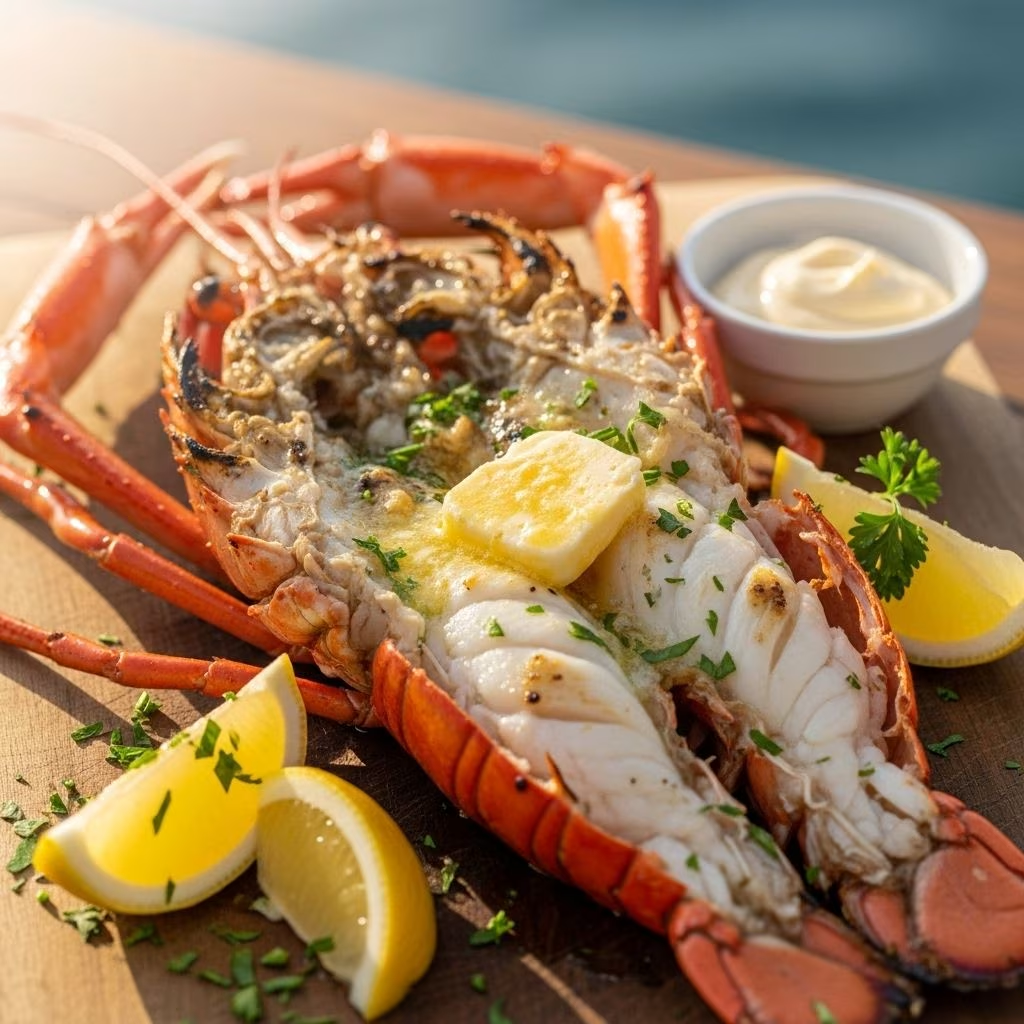
Moreton Bay Bug is an iconic Australian seafood delicacy, known for its unique appearance, culinary versatility, and highly prized, sweet, and delicate flesh. This comprehensive guide explores everything about Moreton Bay Bug—from its biological origins and nutritional benefits to diverse culinary uses, sustainability considerations, and expert advice on enjoying its distinct flavour.
Introduction
From bustling coastal markets to the tables of high-end restaurants, Moreton Bay Bug has long held a special place in Australian gastronomy. Prized for its lush, slightly sweet meat, this shellfish is equally lauded by chefs and home cooks who appreciate its nutritional value and multifaceted culinary uses. But what exactly is a Moreton Bay Bug? Where does it come from, what are its benefits, and how is it best enjoyed?
What Is Moreton Bay Bug?
The term Moreton Bay Bug refers to several species of slipper lobsters, notably Thenus australiensis (Reef Bug) and Thenus parindicus (Mud Bug), found around the coasts of northern Australia. Despite being called a bug, it is not an insect, but rather a marine crustacean sharing a biological family with lobsters, crayfish, and crabs.
- Common Names: Slipper lobster, Bay lobster, Reef Bug.
- Scientific Names: Thenus australiensis, Thenus parindicus.
- Distinctive Features: Flattened, fan-shaped bodies; broad carapaces; no claws; lateral eyes; smooth shell.
- Relation to Other Species: Sometimes confused with Balmain Bugs, which have central eyes and teeth (unlike Moreton Bay Bugs which have lateral eyes and no teeth).
The name originates from Moreton Bay in Queensland, but these creatures are distributed widely across Australia’s tropical and subtropical waters.
Biology, Habitat, and Ecology
Classification and Physical Description
- Phylum: Arthropoda
- Class: Malacostraca
- Order: Decapoda
- Family: Scyllaridae (slipper lobsters)
Moreton Bay Bugs have flattened, shield-like bodies and are well adapted to their bottom-dwelling lifestyle. They lack the prominent claws found in true lobsters and instead have paddle-like antennae and a hard, chitinous exoskeleton.
Habitat and Lifecycle
- Location: Tropical and subtropical waters of Australia (northern New South Wales to Western Australia)
- Preferred Environment: Muddy or sandy seabeds, depths up to 40 meters, typically in coastal and continental shelf areas
- Nocturnal Behavior: Scavenging and feeding at night on soft-fleshed organisms
- Life Stages: Undergo four larval stages before metamorphosing into juveniles; life expectancy up to 7 years
- Reproduction: Females brood eggs under their tails and ensure their safety until hatching
Unlike prawns or true lobsters, their unique adaptations—a flattened shape, tough shell, and burrowing habits—help them thrive in their specific marine niches.
Nutritional Value and Health Benefits
Moreton Bay Bug is celebrated not only for its flavor but also as a nutritious and health-promoting seafood option. It is particularly favored in calorie-conscious and high-protein diets.
Nutrition at a Glance (per 100g serving)
| Nutrient | Approximate Amount |
|---|---|
| Calories | Approx. 90 kcal |
| Protein | 18–20g |
| Fat | 1g (very low) |
| Carbohydrates | 0g (negligible) |
| Omega-3 Fatty Acids | Good source |
| Vitamins & Minerals | B12, selenium, zinc, iodine, phosphorus |
Note: Actual values may vary depending on cooking method and specific species.
Key Health Benefits
- High in Protein: Supports muscle growth, satiety, and repair.
- Low in Fat and Calories: Ideal for those seeking lean protein options.
- Rich in Essential Nutrients: B vitamins (especially B12), zinc, iodine, selenium.
- Good Source of Omega-3s: Contributes to heart and brain health.
- Gluten-Free and Low-Carb: Friendly for gluten-sensitive or low-carbohydrate diets.
Culinary Uses of Moreton Bay Bug
Moreton Bay Bug is a versatile ingredient acclaimed in both fine dining and casual settings. Known for its sweet, tender flesh, it stands out among seafood for its ability to absorb flavors yet remain distinctively delicious on its own.
How Is Moreton Bay Bug Used in Cooking?
- Grilled or Barbecued: Cooked briefly over high heat to preserve moisture and highlight natural sweetness.
- Poached or Steamed: Maintains delicate texture, popular for salads or cold seafood platters.
- In Pasta and Risotto: Adds richness and luxury to classic Italian dishes.
- Baked with Garlic Butter: A simple, crowd-pleasing preparation.
- Used in Soups and Curries: Lends flavor and protein to Asian-inspired dishes.
- On Sushi or As Sashimi: Sometimes served raw or lightly blanched for a unique seafood experience.
The flesh—primarily found in the tail—is similar to lobster but generally more tender and slightly sweet. The shells are also sometimes used to flavor stocks or broths, enhancing soups and sauces.
Culinary Tips
- Buy whole, fresh bugs and extract the tail meat yourself for the best flavor and texture.
- Do not overcook; Moreton Bay Bug meat can become rubbery if cooked too long.
- Pairs beautifully with citrus, fresh herbs, garlic, butter, and lighter white sauces.
- Excellent substitute for lobster or prawns in most recipes.
Taste and Texture Profile
What does Moreton Bay Bug taste like? Devotees describe the experience as a cross between lobster and prawn, with its own uniquely subtle nuances.
- Flavor: Delicately sweet, mild, less intense than spiny or rock lobster; slightly briny and fresh.
- Texture: Firm yet tender, with a pleasing, succulent bite.
- Begs for Simplicity: Needs little to no enhancement; best cooked simply to enjoy the distinctive taste.
The delicate flavor makes Moreton Bay Bug ideal for dishes where the seafood is the star, though it stands up well to gentle spices and aromatic herbs.
Sourcing, Sustainability, and Fisheries
Moreton Bay Bugs are managed under strict Australian fisheries guidelines to support sustainable harvests and healthy fish populations.
Fisheries Information
- Main Regions: Northern New South Wales to Shark Bay, Western Australia
- Fisheries Methods: Commercially trawled in managed fisheries; bycatch in prawn fisheries
- Management Measures: Conservative minimum legal size limits, spatial closures, quota management, and bycatch reduction devices
- Sustainability Status: Stocks are considered stable and not overfished thanks to ongoing regulatory and science-based management
Australian seafood guides rate Moreton Bay Bug as a sustainable choice, especially when sourced from responsible fisheries.
Preparation, Cleaning, and Cooking Tips
How to Prepare Moreton Bay Bug
- Thaw Carefully (if frozen):
- Defrost under refrigeration for several hours or overnight for best results.
- Split and Clean:
- Use kitchen shears to cut through the underbelly from the head to the tail.
- Remove the digestive tract (dark vein) and rinse gently under cold water.
- Cook Simply:
- Grill, steam, poach, or pan-fry but avoid prolonged cooking.
- Shell Removal:
- Twist and gently pull the tail away from the shell once cooked for easy removal.
Cooking Tips
- Flavor Pairings: Lemons, lime, ginger, chilli, coriander, parsley, garlic, mild creamy sauces
- Best Cooking Methods: High heat (grilling, barbecue) for maximum flavor retention
- Avoid Overcooking: The delicate meat cooks quickly—2-3 minutes per side is often enough
Recipes and Serving Ideas
- Grilled Moreton Bay Bugs with Lemon-Garlic Butter: Halve bugs, grill over high heat, top with a sauce of melted butter, lemon juice, garlic, and fresh herbs.
- Moreton Bay Bug Linguine: Toss chunks of steamed or grilled bug meat with freshly cooked linguine, olive oil, cherry tomatoes, basil, and a squeeze of lemon.
- Asian-Style Moreton Bay Bug Salad: Mix cold bug meat with shredded vegetables, mint, Thai basil, chilli, and a light lime-fish sauce dressing.
- Creamy Bug Risotto: Gently fold sautéed bug meat into a creamy arborio rice risotto just before serving.
- Classic Chilled Seafood Platter: Serve steamed and chilled bugs alongside prawns, oysters, and dipping sauces.
Frequently Asked Questions (FAQs)
Q: Are Moreton Bay Bugs the same as Balmain Bugs?
A: No. While both are slipper lobsters, Moreton Bay Bugs (Thenus australiensis and T. parindicus) have lateral eyes and smooth shells, while Balmain Bugs (Ibacus spp.) have central eyes and a toothed carapace.
Q: Is Moreton Bay Bug sustainable to eat?
A: Yes. Australian fisheries manage Moreton Bay Bug stocks sustainably, implementing size limits, quotas, and protected areas. It is widely considered a sustainable seafood choice.
Q: Where can I buy Moreton Bay Bugs?
A: They are commonly available at Australian fish markets, specialty seafood retailers, and select restaurants. Some markets export frozen tails worldwide.
Q: What is the best way to cook Moreton Bay Bug?
A: Simplicity is key—grilling, steaming, or poaching for short periods yields optimal results. Serve with citrus or mild sauces to accentuate the flavor.
Q: Is Moreton Bay Bug safe for those with shellfish allergies?
A: No. Like lobster, crab, and prawn, Moreton Bay Bugs are crustaceans and may trigger shellfish allergies. Consult your doctor if unsure.
Conclusion
Moreton Bay Bugs anchor a proud tradition in Australian cuisine—a delicacy as nutritious as it is versatile, with a sustainability record that supports a healthy marine environment. Whether you are savoring the sweet, succulent flesh grilled seaside or preparing an elegant dish at home, Moreton Bay Bug promises a unique taste of the ocean and an abundance of culinary delight.
References
- https://www.dpi.qld.gov.au/data/assets/pdf_file/0010/1526185/Bug-Guide.pdf
- https://www.gbri.org.au/SpeciesList/StudentProject2018%7CEmmaGraceArnett.aspx
- https://fish.gov.au/2014-Reports/moreton_bay_bugs
- https://fish.gov.au/2012-Reports/moreton_bay_bugs
- https://en.wikipedia.org/wiki/Thenus
- https://www.afma.gov.au/species/bugs
- https://australianbaylobster.com.au/bay-lobster/


