


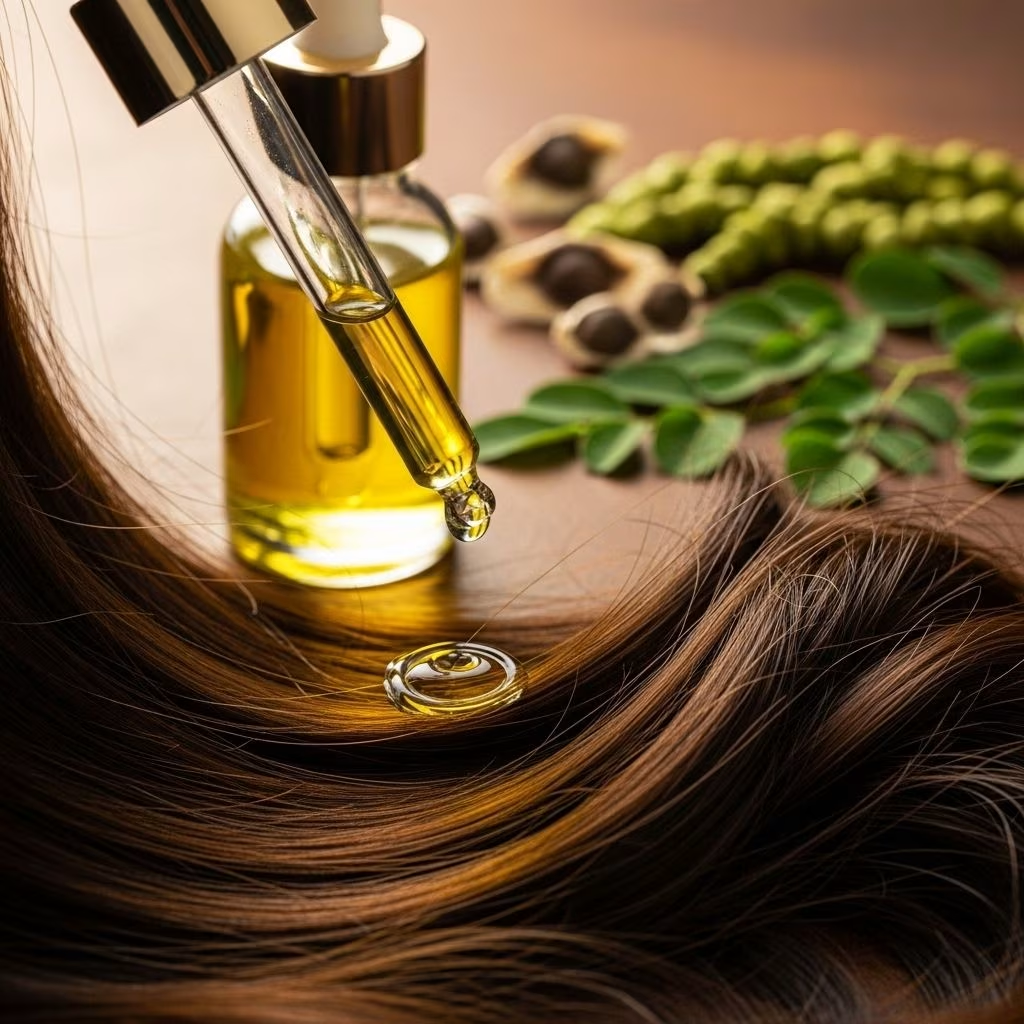
Moringa oil, derived from the seeds of the Moringa oleifera tree, has surged in popularity for its science-backed nourishing effects on hair health. Packed with fatty acids, antioxidants, vitamins, and phytosterols, moringa oil is recognized in modern hair care for promoting growth, reducing hair loss, and imparting a natural shine and softness. This comprehensive guide explores the origins, benefits, scientific evidence, usage directions, and key tips for getting the best results from moringa oil on your hair.
What is Moringa Oil?
Moringa oil is a lightweight, non-greasy oil extracted from the seeds of the Moringa oleifera tree, often called the “miracle tree.” Valued in traditional medicine for centuries, it is now celebrated in hair and skin care routines worldwide due to its unique blend of nutrients and remarkable stability.
Origin and Extraction
- Source: Seeds of the Moringa oleifera tree, native to the Indian subcontinent and cultivated globally.
- Extraction Method: Typically via cold-pressing, preserving sensitive nutrients and ensuring purity.
- Other Names: Ben oil, behen oil (due to high behenic acid content).
Nutritional Profile of Moringa Oil
The efficacy of moringa oil in hair care is rooted in its outstanding nutritional composition:
- Fatty Acids: High in oleic acid (68-76%), behenic acid, linoleic acid, and lauric acid, which provide moisturizing, antioxidant, and penetrative benefits.
- Antioxidants: Includes tocopherols (Vitamin E), which protect hair and scalp from oxidative stress.
- Phytosterols: Plant-based sterols that may help support scalp health and balance hormones impacting hair growth.
- Isoflavones and Peptides: Bioactive compounds known for nourishing the scalp and supporting the hair growth cycle.
- Micronutrients: Contains vitamins A and C, zinc, and iron, further supporting hair health.
Hair Benefits of Moringa Oil
Moringa oil’s chemistry offers a range of benefits for hair and scalp health:
- Promotes Hair Growth: Phytosterols and fatty acids stimulate hair follicles for faster, denser growth.
- Reduces Hair Loss: Inhibits the 5α-reductase enzyme, which prevents excessive production of dihydrotestosterone (DHT), a major contributor to hair loss.
- Moisturizes and Softens: Oleic, linoleic, and behenic acids make hair more supple, smooth, and soft.
- Strengthens and Protects: The antioxidative properties of tocopherols and fatty acids help shield hair from free radical damage and environmental stressors.
- Soothes Dry, Itchy Scalp: Provides relief from dryness and flakiness due to its emollient action.
- Improves Scalp Circulation: Peptide oils and antioxidants enhance micro-circulation, nourishing hair roots for improved vitality.
- Boosts Shine and Manageability: Regular use imparts a natural luster, making hair easier to comb and style.
- Anti-Alopecia (Anti-Hair Loss): Early studies indicate moringa oil may help manage or prevent some types of hair loss due to its combination of sterols and essential fatty acids.
Scientific Insights: How Moringa Oil Benefits Hair
Multiple scientific studies have highlighted the mechanisms by which moringa oil impacts hair and scalp health:
1. Stimulation of Hair Follicles & Growth Factors
- Moringa seed oil’s phytosterol and oleate compounds stimulate hair follicle activity and promote signaling of key growth factors like Vascular Endothelial Growth Factor (VEGF) and Insulin-like Growth Factor-1 (IGF-1).
- Phytoestrogens modulate important growth factor and cytokine transcription, influencing normal hair growth cycles.
2. Inhibition of Enzymes Linked to Hair Loss
- The β-sitosterol content may inhibit the 5α-reductase enzyme, decreasing DHT formation, a hormone linked to androgenic hair loss (especially in men).
3. Fatty Acid-Mediated Scalp Nutrition
- Oleic and linoleic acids deeply nourish the scalp and hair shaft, aiding in moisture retention, follicle regeneration, and cellular repair.
- Lauric acid easily penetrates the hair shaft, reinforcing inner structure and minimizing breakage.
4. Antioxidant Activity and Protection
- Tocopherols and other antioxidants neutralize free radicals, shielding the scalp from oxidative damage that contributes to aging, thinning, and weakening of hair strands.
- Studies indicate moringa extract reduces oxidative injury to hair cells, demonstrating its effectiveness even at low concentrations.
Summary of Scientific Mechanisms (Table)
| Component | Main Action | Benefit for Hair |
|---|---|---|
| Oleic & Linoleic Acids | Moisturize, support cell regeneration | Stronger, softer, hydrated hair |
| Tocopherol (Vitamin E) | Antioxidant activity, improves scalp circulation | Growth stimulation, reduced hair fall |
| Phytosterols | Inhibit DHT formation | Reduced hair loss (possible anti-alopecia) |
| Behenic Acid | Conditioning, smoothing | Soft, manageable hair, less frizz |
| Lauric Acid | Deep penetration of hair shaft | Strengthening and breakage prevention |
How to Use Moringa Oil for Hair
Moringa oil’s lightness and versatility allow for several beneficial applications. Below are the most effective methods for integrating moringa oil into your hair care routine:
1. Scalp Massage Oil
- Warm a small amount of moringa oil between your palms.
- Section your hair and gently massage oil into your scalp with your fingertips for 5–10 minutes.
- Leave on for at least 30 minutes, or overnight for deep nourishment. Wash out with a mild shampoo.
2. Pre-Shampoo Hair Treatment
- Apply moringa oil from scalp to tips, ensuring each strand is coated.
- Leave on for 20–60 minutes under a shower cap for deeper penetration.
- Shampoo and condition as usual.
3. Leave-In Serum
- After towel-drying, apply 2–4 drops of moringa oil to the mid-lengths and ends of damp hair to lock in moisture and tame frizz.
- Do not rinse. Style as usual.
4. Split-End Treatment
- Work a single drop into dry or styled ends to seal split ends, add shine, and protect from environmental stressors.
5. Mixed With Other Oils or Conditioners
- Add a few drops to your favorite hair mask or conditioner for an antioxidant boost.
- Create custom blends with coconut or argan oil for personalized treatment.
Expert Tips for Best Results
- Use cold-pressed, unrefined moringa oil for maximum nutrient content and efficacy.
- For scalp health, massage 2–3 times per week to stimulate circulation and support growth.
- Combine with essential oils (e.g., rosemary, lavender) for additional growth-promoting or soothing effects.
- Perform a patch test before full use to check for individual sensitivity.
- Regular use (at least once a week) leads to cumulative benefits; be consistent for visible results.
- Avoid over-application, especially if your hair is fine or oily—start with a few drops and increase as needed.
- For damaged or color-treated hair, use as an overnight deep treatment once weekly.
Potential Side Effects and Precautions
- Moringa oil is generally well-tolerated and non-comedogenic; however, rare allergic reactions may occur.
- If redness, itching, or irritation develops, discontinue use immediately.
- Avoid direct contact with eyes. For topical use only.
- Purchase high-quality, 100% pure moringa oil from reputable sources to minimize risk of contaminants or additives.
Choosing and Storing Quality Moringa Oil
- Select oils labeled as cold-pressed and unrefined for optimal potency.
- Check for clear, golden-yellow color with a neutral to mildly nutty aroma—cloudiness or strong odors may indicate rancidity.
- Store in a dark, cool place away from direct sunlight, using airtight containers to preserve freshness.
- Moringa oil is stable and has a relatively long shelf life, lasting up to two years if stored correctly.
Frequently Asked Questions (FAQs)
Q: Is moringa oil suitable for all hair types?
A: Yes, moringa oil is safe for most hair types, especially dry, frizzy, or brittle hair. Those with oily hair should use sparingly, focusing on mid-lengths and ends.
Q: How soon will I see results after using moringa oil?
A: Some users notice softer, shinier hair after a single use. Thicker, fuller hair and reduced hair loss may be seen with consistent use over 4–8 weeks.
Q: Can I mix moringa oil with other hair oils or products?
A: Absolutely! Moringa oil blends well with coconut, argan, or jojoba oils and can be added to conditioners, hair serums, or DIY masks for enhanced effects.
Q: Does moringa oil help with dandruff?
A: Its emollient and anti-inflammatory properties can soothe a dry, itchy scalp, which may help alleviate mild dandruff symptoms.
Q: Is there any evidence for moringa oil’s effects on hair growth?
A: Scientific literature supports moringa oil’s potential for promoting hair growth and reducing hair loss due to its rich fatty acid, phytosterol, and antioxidant profile. Further clinical studies are ongoing.
Q: Does moringa oil have a strong smell?
A: Pure, high-quality moringa oil has a mild, slightly nutty scent that is generally pleasant and dissipates after application.
References
- https://www.phcogj.com/sites/default/files/PharmacognJ-14-2-379.pdf
- https://pmc.ncbi.nlm.nih.gov/articles/PMC8373645/
- https://ethique.com/blogs/science/what-is-moringa-seed-oil
- https://us.typology.com/library/moringa-oil-what-are-its-hair-benefits
- https://www.medicalnewstoday.com/articles/319916
- https://pmc.ncbi.nlm.nih.gov/articles/PMC8373516/
- https://www.hollandandbarrett.com/the-health-hub/natural-beauty/haircare/moringa-benefits-for-hair/
- https://www.trichos.in/blog/can-moringa-control-hair-loss-dr-john-watts-trichos-hair-transplant


