


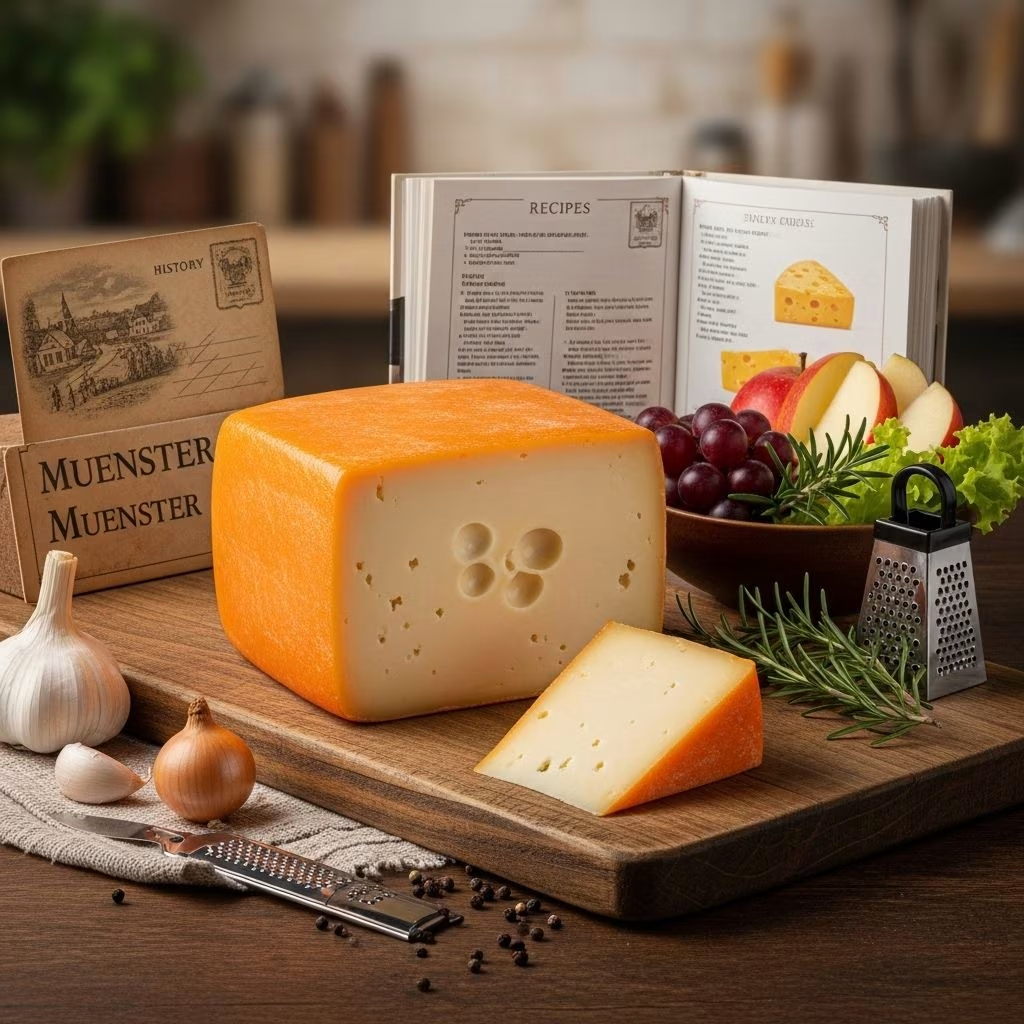
Muenster cheese, often confused for its French cousin Munster, is a beloved semi-soft cheese cherished for its versatility, mild yet distinctive flavor, and remarkable melting ability. Originating from European monks but now a classic American staple, Muenster is recognized not just for its culinary uses but also for its nutritional profile and appeal across generations. This guide explores its history, health benefits, popular uses, flavor profile, ideal pairings, and frequently asked questions.
History and Origins of Muenster Cheese
Muenster cheese has a storied past that winds through European monasteries and culminates in Wisconsin, America’s cheese heartland.
- Origins: While Muenster is often thought to be German, both the American and French (Munster) versions originate in the Alsace region, which has been under both German and French rule throughout history.
- Monastic Beginnings: Benedictine monks in the Vosges mountains of Alsace first created washed-rind cheeses like Munster-géromé to preserve milk.
- Immigration to America: French immigrants brought their cheese-making skills to Wisconsin in the 19th century, adapting their methods to local tastes and ingredients. The result was Muenster cheese—milder and more approachable than its pungent European cousin.
- Modern Production: Today, Wisconsin produces about 67% of all Muenster made in the U.S.
Pronunciation: Muenster is pronounced “munster” (short u like “bun”) or sometimes “moonster” (short oo like “book”). Kids often enjoy calling it “monster cheese.”
Muenster vs. Munster Cheese: Key Differences
| Characteristic | Muenster (American) | Munster (French) |
|---|---|---|
| Origin | Wisconsin, USA (via French immigrants) | Alsace, France |
| Milk Type | Pasteurized cow’s milk | Unpasteurized cow’s milk |
| Rind | Orange rind colored with annatto (vegetable dye) | Pungent washed rind, orange from bacterial cultures |
| Texture | Semi-soft, creamy interior | Semi-soft to soft, gooey interior |
| Flavor | Mild, mellow, nutty, tangy | Intense, robust, earthy, spicy |
| Aroma | Mild aroma | Pungent, strong, sometimes described as smelly socks |
Though they share origins and names, American Muenster cheese offers a gentle introduction to washed-rind cheeses, while French Munster is celebrated for its intensity and depth.
Nutritional Value & Health Benefits
Muenster cheese is not only valued for its flavor but also for its nutritional contribution as part of a balanced diet. Here are its main nutritional highlights:
- Rich in Protein: Essential for muscle health, growth, and repair.
- Good Source of Calcium: Vital for strong bones, teeth, and nerve function.
- Vitamins: Contains B vitamins (especially B12), which are important for energy and brain health.
- Phosphorus: Supports bone health and energy metabolism.
- Fat Content: Provides healthy fats; however, portion control is important for those watching cholesterol.
Typical Nutrition (per 28g/1oz serving):
| Calories | 104–110 kcal |
| Protein | 6–7g |
| Fat | 8–9g |
| Carbohydrate | 1g |
| Calcium | 200mg |
Benefits:
- Provides sustained energy due to its blend of protein and fat.
- Can be included in vegetarian diets (unless rennet source is animal-based).
- Contains probiotics if made using traditional fermentation methods.
Notes: Muenster cheese is best consumed in moderation within a balanced diet, especially because of its fat and sodium levels. Always check the labels or ask your cheesemonger for dietary specifics.
Taste Profile: What Does Muenster Cheese Taste Like?
Muenster cheese is celebrated for its mild, mellow, and slightly tangy taste. Its creamy texture and subtle nutty undertones make it a crowd-pleaser, ideal for those seeking flavor without overwhelming intensity.
- Texture: Semi-soft, smooth, easy to slice and melt.
- Flavor Notes:
- Mild, creamy, and mellow
- Slight tanginess
- Nutty undertones
- Aroma: Light, gentle scent (unlike stronger washed-rind cheeses).
Muenster’s flavor profile makes it highly adaptable in recipes, suitable for children and gourmet palettes alike.
Culinary Uses & Recipes
Muenster cheese’s versatility in the kitchen stems from its excellent melting properties, mellow flavor, and creamy consistency.
- Sandwiches: Sliced Muenster is perfect for cold or hot sandwiches, pairing well with nearly any deli meat and fresh vegetables.
- Grilled Cheese: Offers ideal melt and elasticity—considered one of the top choices for gourmet grilled cheese sandwiches.
- Cheeseburgers: As a burger topping, Muenster delivers a smooth melt and a subtle flavor boost.
- Pizza & Flatbreads: Use it for a creamy, mellow alternative to mozzarella or to complement sharper cheeses.
- Cheese Platters: Cubed or sliced, it pairs beautifully with fruits, nuts, and charcuterie.
- Mac and Cheese: Blends well for a creamy, decadent sauce.
- Egg Dishes: Try it in omelets, frittatas, or breakfast casseroles.
- Sauces & Fondues: Its mild flavor and melting ability make it ideal for cheese sauces and dips.
Because Muenster is so versatile, it’s a staple for family meals and gourmet dishes alike.
Ideal Pairings: Wine, Beer, Fruit, and More
Muenster cheese’s subtle flavors mean it complements a wide array of beverages and accompaniments.
- Wine:
- Red Wines: Pinot Noir, Beaujolais, Merlot, Zinfandel
- White Wines: Chardonnay, Pinot Grigio, Riesling, Grüner Veltliner
- Beer:
- Belgian Ales
- Brown and Pale Ales
- Lagers and Pilsners
- Dark Porters/Stouts
- Meats: Beef, poultry, and cured meats all pair well.
- Fruit: Apples, grapes, pears, and dried fruits bring out Muenster’s nutty notes.
- Other Pairings: Crusty artisan bread, nuts (almonds, walnuts), pickles, and mild mustard.
For cheese boards, Muenster’s vibrant orange rind and creamy white interior add visual appeal, and its flavor bridges sharp and mild cheeses seamlessly.
Frequently Asked Questions (FAQs)
Q: Is Muenster cheese the same as Munster cheese?
A: No. While both trace their roots to the Alsace region, American Muenster is milder, uses annatto coloring, and is made with pasteurized milk. French Munster is stronger, more pungent, and traditionally uses unpasteurized milk.
Q: Is Muenster cheese suitable for vegetarians?
A: It depends on the rennet used. Many American cheese producers use microbial or vegetable rennet, but some still use animal rennet. Check product labels or consult the producer.
Q: Does Muenster cheese melt well?
A: Yes, Muenster is prized for its superb melting qualities, making it ideal for grilled cheese, burgers, pizza, and creamy sauces.
Q: Can I eat the rind of Muenster cheese?
A: For American Muenster, the orange rind is safe to eat—it’s colored with annatto. French Munster’s rind is also edible but has a strong flavor and aroma.
Q: Is Muenster cheese lactose-free?
A: Muenster contains lactose, but cheese naturally has less lactose than milk. Some aged or fermented versions may have reduced lactose; always check with the producer if sensitive.
Q: How should I store Muenster cheese?
A: Wrap tightly in parchment or wax paper, store in the fridge’s cheese drawer or a dedicated container, and avoid direct contact with air to prevent drying. Use within 1–2 weeks for best freshness.
Conclusion
Muenster cheese stands out as a delightful, versatile, and nutritious staple in both simple and sophisticated cuisine. Whether enjoyed as a snack, centerpiece in a gourmet dish, or paired with your favorite beverages, its gentle flavor and creamy texture make it universally appealing. Understanding its history, nutritional attributes, and culinary possibilities helps home cooks and cheese lovers alike make the most of this exceptional cheese.
References
- https://www.cheesehouse.com/cheese/muenster-cheese-in-a-league-of-its-own/
- https://www.cheese.com/munster/
- https://www.tastingtable.com/1126511/muenster-cheeses-path-from-france-to-the-us/
- https://en.wikipedia.org/wiki/Muenster_cheese
- https://www.cheesehouse.com/cheese/muenster-cheese-everything-you-need-to-know/
- https://www.wisconsincheese.com/about-cheese/muenster-cheese
- https://en.wikipedia.org/wiki/Munster_cheese
- https://sporked.com/article/what-is-muenster-cheese/


