


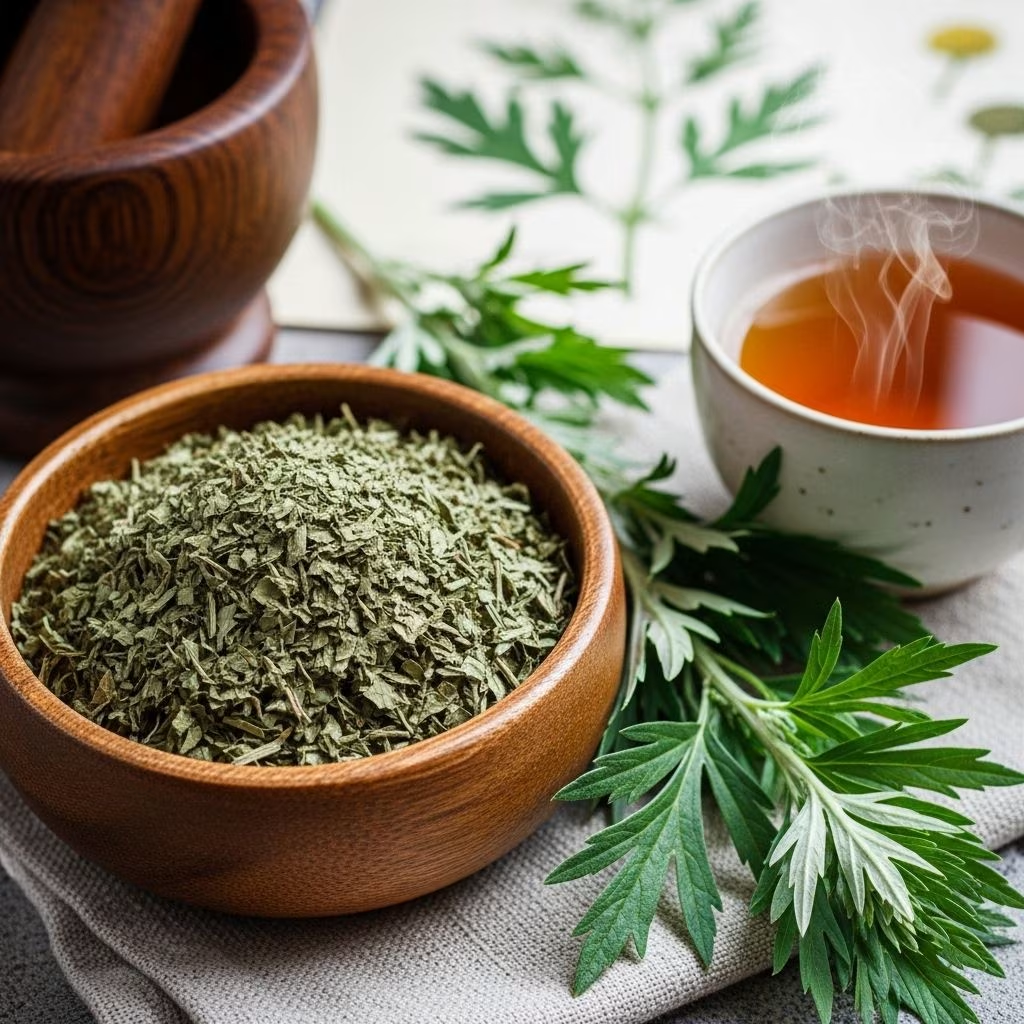
What Is Mugwort? Benefits, Uses, and Taste
Mugwort (Artemisia vulgaris) is a time-honored herb recognized for its medicinal, culinary, and folkloric importance across Europe, Asia, and beyond.
Known for its pungent, bittersweet aroma and silvery-green foliage, mugwort is a robust perennial that thrives in wild and disturbed spaces, resiliently returning season after season.
Introduction to Mugwort
Mugwort is a member of the aster family and is scientifically classified as Artemisia vulgaris.
Its frilly, deeply-lobed leaves have a notable bittersweet fragrance reminiscent of its relative, wormwood. Once revered for its protective and healing qualities, mugwort persists as a locally abundant “weed” and traditional herb.
Mugwort’s historical and medicinal uses span cultures and millennia, making it one of the most storied plants in herbal practice.
History and Folklore
- Protective Properties: Traditionally believed to ward off evil spirits and bad dreams, mugwort was hung above doorways and burned during rituals.
- The Dream Herb: Used by various cultures for enhancing prophetic and lucid dreams, particularly in shamanic and divinatory practices.
- Brewing: Mugwort was a key ingredient in medieval beers before hops became standard.
- Medicinal Heritage: Ancient Greeks, Romans, Chinese, and indigenous societies have used mugwort for digestive and gynecological health, as well as spiritual purification.
- Folkloric Names: “Mother of all herbs,” reflecting its association with the feminine, cycles, and transitions.
Botanical Profile
Mugwort plants display:
- Leaves: Deep green, frilly, and lobed, with silvery undersides and a distinctive aromatic bitterness when crushed.
- Stems: Angular and reddish-brown, reaching up to 4 inches in length.
- Flowers: Small, yellowish to reddish-brown discoid blooms in late summer, followed by wind-dispersed seeds.
- Rhizomes: Thick underground stems enabling rapid vegetative spread and resilience against attempts at removal.
- Habitat: Common in disturbed soils, roadsides, vacant lots, and park edges.
Medicinal Benefits of Mugwort
Mugwort offers notable health benefits, particularly in traditional healing systems:
- Gynecological Health:
- Stimulates and regulates menstruation (emmenagogue effect)
- Relieves period pain, PMS symptoms, and supports menopausal transitions
- Tones the uterus and helps resolve menstrual irregularities
- Digestive Aid:
- Stimulates appetite and digestion (bitter tonic)
- Reduces indigestion, bloating, and IBS symptoms
- Moves stagnation and eases sluggish digestion
- Nervous System Support:
- Acts as a nervine relaxant for anxiety and mild depression
- Helps ground, soothe, and calm the mind during times of transition and stress
- Antimicrobial and Antiseptic:
- Historically used for wound care and to expel intestinal worms
- Traditional Chinese Medicine:
- Artemisia argyi, a related species, is central in moxibustion—an acupuncture adjunct where dried mugwort is burned to move energy and relieve pain
- Lucid Dreaming:
- Ingested, smoked, or used as a pillow stuffing to heighten dream activity and promote lucid states
- Other Uses:
- Relieves urinary complaints, dropsy (edema), and jaundice in folk medicine
Culinary Uses of Mugwort
Despite its bitterness, mugwort has an enduring presence in regional cuisines and traditional beverages:
- Beer Brewing: Used for flavoring beers and ales, particularly before the introduction of hops.
- Seasoning and Tea: Mugwort leaves and shoots can flavor teas and spirits, giving a distinctive bitter and herbal aroma.
- Korean and Japanese Cuisine: Fresh shoots and leaves are used in rice cakes, soups, and omelets, imparting a floral-parsley flavor.
- Edible Greens: Young leaves are sometimes added to salads or stir fries, though caution is advised due to bitterness and potential toxicity in large quantities.
Taste Profile
| Aspect | Description |
|---|---|
| Aroma | Pungent, bittersweet, somewhat reminiscent of wormwood or sage. |
| Flavor | Bitter, sharply aromatic, with floral and earthy notes. |
| Mouthfeel | Warming, drying, and slightly astringent. |
| Culinary Applications | Best used in small amounts, as an accent flavor or herbal infusion. |
The bitter taste is considered beneficial in herbal medicine, supporting digestive and metabolic health.
Preparation and Application
- Herbal Tea: Steep 1–2 grams of dried mugwort leaves in hot water for 5–10 minutes. Strain and drink, especially for digestive or menstrual support.
- Tincture: Alcohol-extracted mugwort can be taken as drops under the tongue or added to beverages.
- Infused Oil or Liniment: Used for topical massage, especially in case of menstrual cramps or muscle tension.
- Incense and Smoke: Burn dried mugwort on charcoal disks or as an herb stick to cleanse and repel insects.
- Dream Pillows: Place dried mugwort in a small cloth sachet and keep under the pillow for dream enhancement.
- Moxibustion (Chinese Medicine): Compress and burn mugwort leaves near the skin or acupuncture points to stimulate circulation and energy flow.
Safety and Side Effects
- Toxicity: Mugwort contains thujone and other active compounds; high doses or prolonged use may pose risks to liver and neurological health.
- Pregnancy: Mugwort is a uterine stimulant and should not be used during pregnancy due to risk of miscarriage.
- Allergy: Related to ragweed, mugwort pollen may trigger allergies in sensitive individuals.
- Drug Interactions: May interact with antiepileptic, anticoagulant, and other medications—consult a healthcare professional before use.
- Dosing: Begin with low doses; avoid chronic or high quantity ingestion.
Mugwort in Modern Herbalism
Mugwort remains popular in contemporary herbal practice and alternative medicine:
- Holistic Health: Integrated into herbal blends for digestive complaints, menstrual regulation, mood support, and transitions.
- Moxibustion Therapy: Widely used by acupuncturists and traditional Chinese medicine practitioners.
- Lucid Dreaming: Interest in its unique ability to induce vivid, memorable, or lucid dreams has been rekindled among wellness and spiritual communities.
- Sustainability: As a local, abundant plant, mugwort offers accessible and renewable value for herbalists and gardeners.
Frequently Asked Questions (FAQs)
Q: Is mugwort safe to consume?
A: Mugwort is generally recognized as safe in moderate amounts, but high doses or extended use may cause toxicity. It should not be consumed during pregnancy or by individuals with liver conditions or ragweed allergies.
Q: How is mugwort used for lucid dreaming?
A: Mugwort can be consumed as tea, smoked, or placed in sleep pillows to potentially enhance dream vividness and recall.
Q: Can mugwort be eaten raw?
A: Young shoots and leaves may be consumed in small quantities (e.g., in salads); however, mugwort’s bitterness and potential toxicity in large amounts require cautious use.
Q: What does mugwort smell like?
A: Its aroma is pungent, slightly sweet, and reminiscent of wormwood or sage.
Q: Are there any proven benefits of mugwort?
A: Research and longstanding tradition support its use for digestive and gynecological health, relaxation, and possibly lucid dreaming, but scientific evidence is limited and most benefits are supported by anecdotal and historical use.
Conclusion
Mugwort presents a rich tapestry of medicinal, culinary, and magical applications. As a resilient and abundant herb, it bridges ancient traditions with modern herbalism, supporting both physical and spiritual well-being.
Whether you seek mugwort’s support for digestion, menstrual health, lucid dreaming, or historical intrigue, its legacy endures in contemporary practice. Always observe safety guidelines and consult a knowledgeable practitioner for guidance and responsible use.
References
- https://www.bbg.org/article/weed_of_the_month_mugwort
- https://www.herbalreality.com/herb/mugwort/
- https://www.locustlightfarm.com/blog/2015/3/25/the-magic-of-mugwort
- http://www.missouribotanicalgarden.org/plantfinder/PlantFinderDetails.aspx?taxonid=256948
- https://en.wikipedia.org/wiki/Mugwort
- https://www.nccih.nih.gov/health/mugwort
- https://plantura.garden/uk/herbs/mugwort/mugwort-overview
- https://plants.ces.ncsu.edu/plants/artemisia-vulgaris/
- https://pmc.ncbi.nlm.nih.gov/articles/PMC7583039/


