


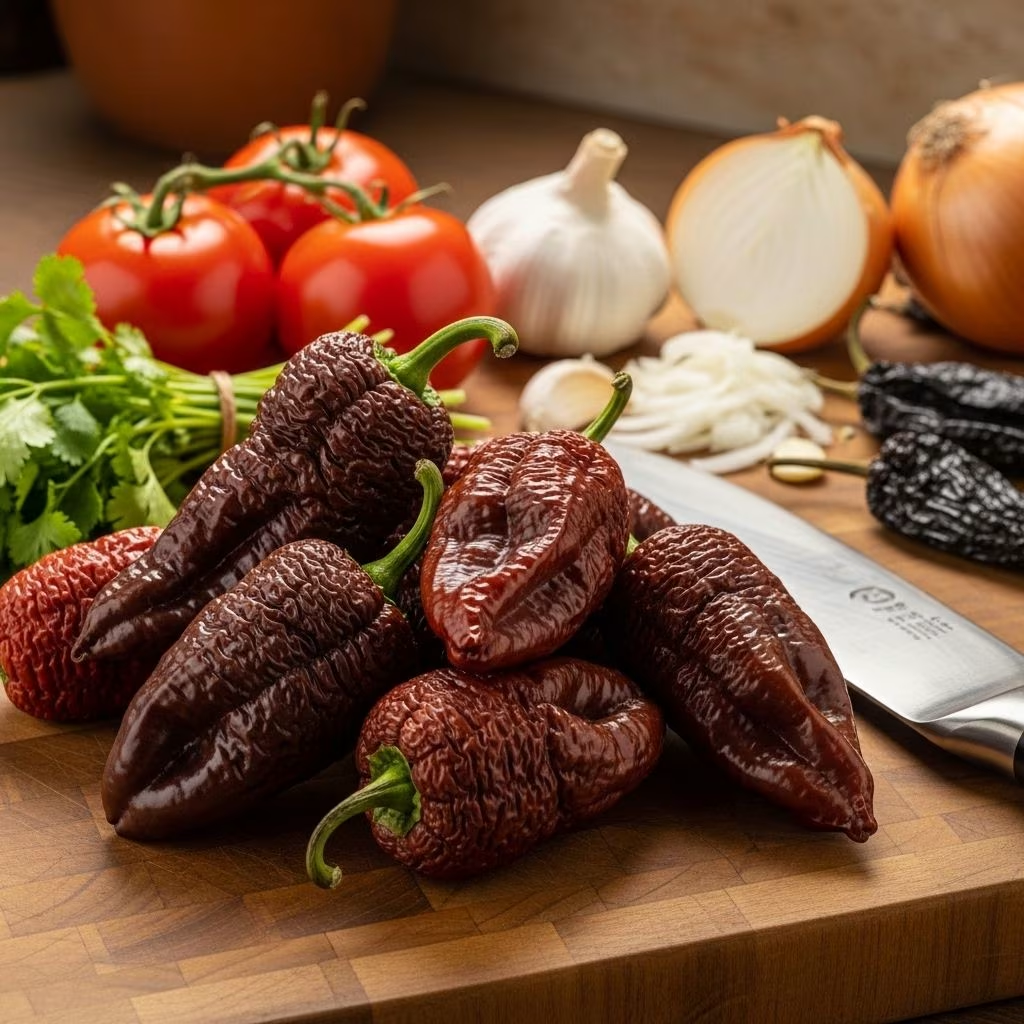
Mulato peppers are a staple of Mexican cuisine, prized for their mild heat, deep chocolate tones, and complexity. Mastering their use unlocks traditional sauces, innovative vegetable dishes, unique salsas, and fusion recipes that offer layers of flavor. This comprehensive guide explores the history, key techniques, and the best mulato pepper recipes for every kitchen.
What is Mulato Pepper?
Mulato peppers are a dried, ripe version of the poblano chile, much like the ancho pepper, but left on the vine longer. Once dried, mulatos develop a deep brown color and a complex, slightly sweet profile, with hints of chocolate, licorice, dried fruit, and a signature smoky aroma.
- Origin: Mexico, widely used in central and southern cooking
- Scoville range: 2,500–3,000 SHU (mild heat)
- Main uses: Moles, sauces, marinades, salsas, slow-cooked dishes
- Appearance: Wide, flat, wrinkled pod; dark brown-black color
Mulato Pepper: Flavor Profile & Culinary Uses
What sets mulato chiles apart is their balance of earthy, bittersweet chocolate, raisin, and tobacco notes—with a subtle fruitiness and touch of smoke. They add richness to sauces and a mellow warmth to dishes. They are a classic ingredient in Mexican mole sauces but also shine in creative, global cuisine.
| Flavor Component | Mulato Pepper | Similar Chiles |
|---|---|---|
| Heat Level | Mild | Ancho (milder), Pasilla (mild) |
| Key Notes | Chocolate, raisin, licorice, smoke | Ancho (fruity), Pasilla (berry) |
| Best Uses | Mole, sauces, salsas, stews | Mole, adobo, tamales |
The mulato’s unique flavor makes it beloved by chefs and home cooks alike for:
- Forming the flavor base for mole poblano and other traditional sauces
- Adding depth to vegetarian and vegan dishes
- Enhancing slow-simmered meats and poultry
- Flavoring salsas, dressings, oils, and marinades
How to Prepare and Cook Mulato Peppers Perfectly
Proper preparation is crucial for extracting the deepest flavor from mulato peppers before using them in recipes:
1. Inspect and Clean
- Wipe the surface gently with a damp towel.
- Check for impurities or dust; discard any peppers that are brittle or moldy.
2. Remove Stems and Seeds
- Wearing gloves, cut off the stem end.
- Open the pepper and shake out the seeds. Remove any light-colored ribs.
- This reduces bitterness and allows a smoother, silkier sauce or salsa.
3. Toast for Maximum Flavor
- Heat a dry skillet (preferably cast iron) over medium.
- Toast chiles for about 1–2 minutes per side, until fragrant and the color intensifies—but do not let them blacken.
- Toasting wakes up their essential oils, deepening their flavor.
4. Soak/ Rehydrate
- Transfer toasted peppers to a bowl, pour in boiling or very hot water.
- Weigh down with a plate and soak for 20–30 minutes until pliable.
- Drain and reserve the soaking liquid (it’s flavorful and great for blending into sauces).
5. Blend and Incorporate
- Use a high-powered blender or food processor to purée the softened peppers with the other sauce ingredients.
- Strain for the smoothest texture if desired.
Pro Tip: Prepping and blending the peppers in advance allows flavors to develop and recipes to come together quickly.
Best Mulato Pepper Recipes
1. Classic Mulato Chile Sauce
This bold and velvety sauce is essential to Mexican cooking—perfect with grilled meats, vegetables, or drizzled over tacos. Adapted from Karen’s Mulato Chile Sauce.
- 5 medium mulato chiles (toasted and soaked)
- 1 tbsp olive oil or peanut oil
- 3/4 cup onion, diced
- 6 garlic cloves
- 1 tbsp sesame seeds
- 3/4 tsp cumin seeds or 1 tsp ground cumin
- 3/4 cup peeled tomatoes (San Marzano preferred)
- 1/2 cup tomato juice
- Sea salt to taste
- 1 1/4 cup chile soaking liquid
Instructions:
- Heat skillet to medium. Toast prepared chiles 2 min per side, no blackening. Cool, stem and seed, soak in boiling water for 20 min, drain (save liquid).
- In skillet, sauté onions and garlic in oil until golden. Add sesame seeds and cumin, stir 1 minute. Add tomatoes, cook just until colored.
- Add tomato juice, drained chiles, and soaking liquid. Bring to a gentle simmer for 5 min.
- Blend until smooth; add more soaking liquid if needed. Strain for a silky sauce.
Uses: Over grilled meats, roasted veggies, tamales, or as a base for enchiladas.
2. Haricot Verts with Mulato Mushroom Sauce
A unique fusion pairing the smoky chile with sweet French green beans and umami-rich mushrooms. Adapted from Happy Belly After.
- 6 oz mulato chiles (toasted, soaked, seeded)
- 2 oz dried porcini mushrooms (soaked)
- 6 oz shallots, roasted
- 14 garlic cloves, roasted
- 6 tbsp tamarind paste
- 3 tbsp coconut sugar
- 3 tbsp tamari
- 2 tbsp white miso
- 1 tsp salt
- 1 lb haricots verts (French green beans)
Directions:
- Sauté, soak, and blend mulato chiles and mushrooms with roasted shallots and garlic, tamarind, coconut sugar, tamari, oil, miso, and salt. Puree until smooth.
- Quickly sauté haricots verts until just blistered and tender.
- Plate green beans and smother with warm sauce.
Serving ideas: Try this sauce on roasted potatoes, over pasta, or spooned onto grilled tofu or chicken.
3. Tofu in Sweet Chile Mulato Sauce
This vegan recipe brings together smoky, mildly spicy chile with rich tomato, nuts, and a hint of fruit. Inspired by Thyme & Love.
- 3 mulato chiles (prepared as above)
- 15 oz can fire-roasted tomatoes
- 1/2 onion
- 2 garlic cloves
- 1/4 cup raw pecans
- 2 cloves + 1/4 inch cinnamon stick
- 1 tsp piloncillo (or brown sugar)
- 1/2 tsp black pepper
- 1/4 cup raisins
- 1 golden delicious apple, diced
- 2 pounds extra firm tofu
- Oil for frying
Instructions:
- Prepare and fry mulato chiles briefly in oil, then transfer to blender.
- Add tomatoes, onion, garlic, pecans, cloves, cinnamon, piloncillo, salt, pepper, raisins, apple, and water. Blend until smooth.
- Pan-fry tofu until crisp, coat with the cooked sauce, and serve hot.
Optional: garnish with fried plantain, serve with rice or tortillas.
Tips: This sauce is wonderful for chicken or roasted root vegetables as well.
4. Mulato Salsa Macha
Salsa macha is an oil-based, chunky salsa rich in flavor and texture. Adapted from Sandia Seed Company.
- 2 mulato chiles, 2 guajillo chiles, 5-6 chile de arbol
- 1/4 cup peanuts
- 4-6 garlic cloves, chopped
- 1 tbsp sesame seeds
- 2 cups olive oil
- 1 tsp apple cider vinegar
- Salt, oregano, 1 tbsp brown sugar
How to make:
- Stem and seed all chiles; chop into pieces. Toast in skillet briefly until fragrant.
- Sauté peanuts, garlic, and sesame seeds in oil until golden. Remove from heat and stir in chile pieces. Cool.
- Add vinegar, salt, oregano, sugar; pulse blend to the desired consistency. Store in jars, refrigerate.
Best for: Spooning over tacos, grilled meats, roasted veggies, or as a spicy base for dressings.
5. Mulato Pepper Mole Sauce (Bonus!)
No discussion of mulato peppers is complete without mole poblano—Mexico’s legendary chocolate-chile sauce. This simplified version captures the essential flavors:
- 2 mulato, 2 ancho, and 2 pasilla chiles (prepared)
- 1/2 cup almonds or peanuts
- 1/4 cup sesame seeds
- 1 small corn tortilla, torn
- 1/2 cup raisins
- 1/2 tablet Mexican chocolate
- 1 tomato, 1 tomatillo, 1/2 onion
- 2-3 cups chicken or vegetable stock
- Spices (clove, cinnamon, black pepper, oregano)
Method:
- Prepare all chiles as described above. Toast nuts, seeds, and torn tortilla in a dry pan until golden.
- Sauté onions, tomato, tomatillo. Soak raisins in hot water. Blend everything with stock.
- Simmer with Mexican chocolate and spices, stirring until thickened and rich. Adjust seasoning, blend again for smoothness.
Best served over chicken, turkey, sweet potatoes, or enchiladas.
Tips for Perfect Mulato Pepper Cooking
- Don’t rush toasting and soaking. These steps are crucial for unlocking the peppers’ full aroma and soft, luxurious texture.
- Strain blended sauces for extra silkiness (optional for rustic dishes).
- Use gloves when handling dried peppers to prevent skin irritation.
- Experiment with combinations: Mulato pairs beautifully with ancho, pasilla, and guajillo chiles.
- Reserve soaking liquid—it carries flavor and color ideal for adjusting sauce consistency.
- Store excess sauce or salsa in jars in the fridge for up to a week, or freeze in small portions for future use.
Creative Serving Suggestions
- Drizzle mulato chile sauce over roasted root vegetables or grilled corn.
- Swirl mulato mole on a platter as the base for roast chicken or turkey.
- Spoon mulato salsa macha onto warm crusty bread for a smoky appetizer.
- Toss mulato mushroom sauce with pasta for a Mexican-Italian fusion.
- Use sweet mulato chile sauce as a topping for grilled tofu or as a taco filling.
Frequently Asked Questions (FAQs)
Q: What is the difference between mulato and ancho peppers?
A: Both come from poblano chilies, but mulato peppers are left to fully ripen before drying. This gives them a darker color and deeper flavors (chocolate, licorice), while anchos are sweeter and more raisin-like.
Q: Are mulato peppers spicy?
A: Mulato chiles are considered mild, typically ranging 2,500–3,000 Scoville units—gentle enough for most palates but packed with complex flavor.
Q: Can I substitute mulato chiles with other peppers?
A: If you can’t find mulato, the best substitute is ancho (though slightly less deep and chocolatey). Pasilla peppers are another option, with unique berry notes.
Q: How long do dried mulato peppers keep?
A: Stored in an airtight container in a cool, dry spot, dried mulato chiles last up to a year. Check occasionally for any signs of mold or pests.
Q: Are mulato peppers gluten-free and vegan?
A: Yes! Mulato chiles are naturally gluten-free and vegan, making them ideal for sauces, soups, or plant-based dishes.
Q: Why is toasting mulato peppers so important?
A: Toasting activates their essential oils, amplifies the unique smoky chocolate aroma, and gives sauces and stews a rich foundation.
References
- https://azestforlife.com/recipe/karens-mulato-chile-sauce/
- https://happybellyafter.com/recipe/haricot-verts-with-mulato-chile-mushroom-sauce/
- https://thymeandlove.com/tofu-in-a-sweet-chile-mulato-sauce/
- https://www.sandiaseed.com/blogs/news/salsa-macha-recipe
- https://www.diversivore.com/the-pantry/mulato-chilies/
- https://patijinich.com/mulato_chile/
- https://www.cookinghub.com/recipe-ingredient/dried-chile-mulato-peppers/


