


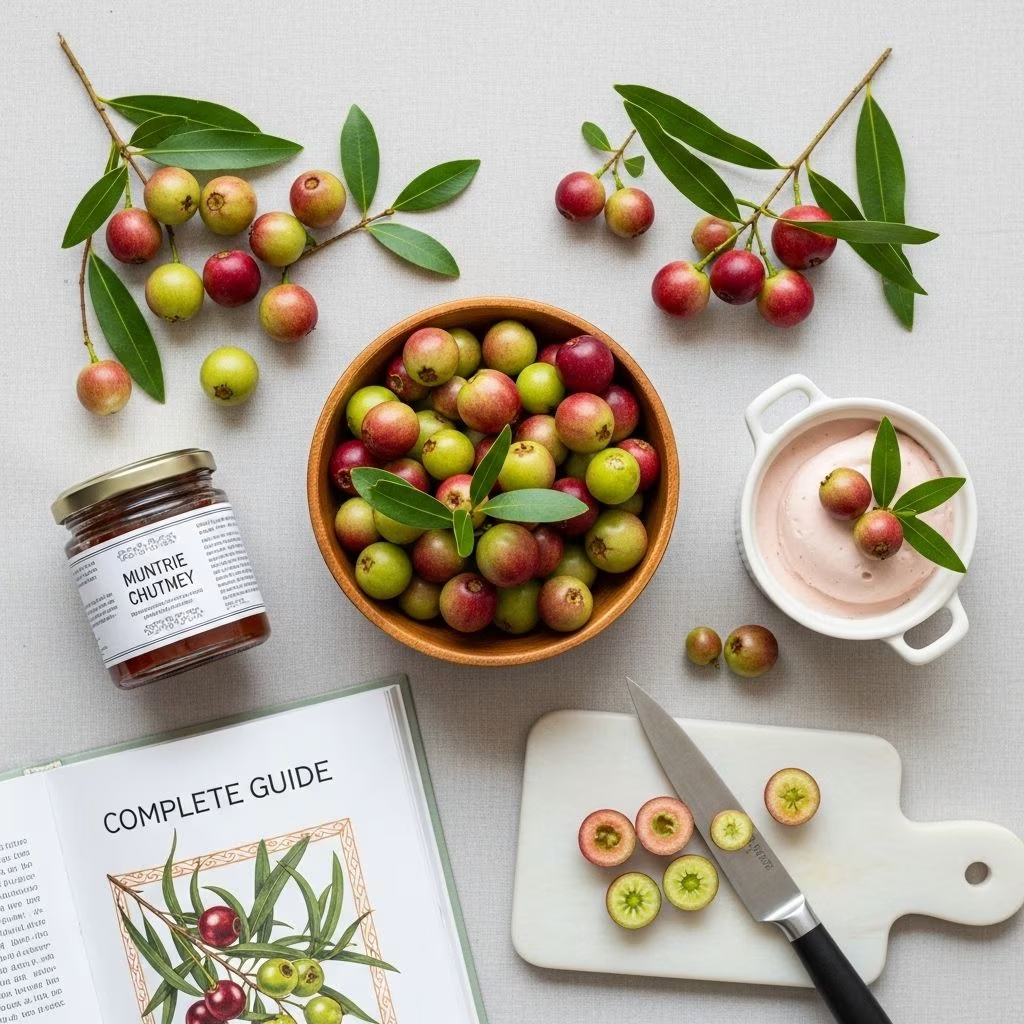
Muntrie, also known as muntari, Kunzea pomifera, native cranberries, or emu apples, is a low-growing indigenous Australian shrub producing small, flavorful berries with a long history of use in bushfood and traditional medicine. Celebrated for their high antioxidant content and unique flavor, muntrie berries are now gaining recognition as a gourmet ingredient and a source of natural wellness.
Overview: What Is Muntrie?
Muntrie is a unique species of berry native to southeastern coastal regions of Australia, particularly southern Victoria and South Australia. Its scientific name is Kunzea pomifera. The shrub is well adapted to sandy soils and coastal environments and is recognized for its small, egg-shaped edible fruit which can range from green to deep red or even purple when ripe.
- Other Names: Muntari, emu apple, native cranberries, native apple, crab apple, muntaberry, monterry.
- Region: Predominantly found in Southern Australia, especially sandy soils with or without limestone.
Botanical Description
Muntrie is a low-lying, dense shrub that rarely grows over half a metre in height. Its creeping habit allows it to cover ground effectively, making it suitable for gardens as a groundcover or for suppressing weeds.
- Leaves: Small, bright green, egg-shaped or nearly round (3–8mm long, 3–6mm wide).
- Stems: Young stems are slightly hairy, while main branches may root into soil.
- Flowers: White to cream, small (1–2mm), grow in clusters (3–8) at branch ends, bloom in spring.
- Fruit: Round, fleshy berries, 8–12mm diameter. When ripe, colors range from green to deep red, purple, or black. Ripe berries are sometimes found even when still green.
Traditional and Cultural Significance
Muntrie berries have deep roots in Aboriginal history, especially among communities in Victoria and South Australia.
- Highly valued as a food source; berries were eaten fresh or dried for later use.
- Surplus fruit was pounded and shaped into flat cakes, then dried in the sun for winter consumption.
- Traded between tribes for tools and other necessities, highlighting their importance in traditional economy.
- Used historically by early European settlers as berry for cakes, jams, and chutneys.
The Aboriginal name in Bunganditi language (Victoria and South Australia) is Ngurp.
Nutritional and Health Benefits
Muntrie berries are often described as “antioxidant kings” due to their impressive nutritional profile.
- Antioxidants: The berries contain up to four times more antioxidants than blueberries—supporting healthy aging, inflammation reduction, and overall cellular health.
- Vitamin C: High content provides immune system support and skin health.
- Natural Waxes: Beneficial for nourishing skin and supporting wound healing.
- Low in Calories: Ideal for healthy snacking.
- Dietary Fiber: Crunchy texture adds dietary fiber, promoting digestive health.
These attributes make muntrie berries highly sought after for modern health foods and natural skin care products.
Key Health Benefits in Brief
- Supports healthy skin and healing thanks to natural waxes and antioxidants.
- May help reduce oxidative stress—a factor in chronic disease and aging.
- Vitamin C content assists immune function and collagen production.
Culinary Uses
Muntrie berries have transitioned from traditional Aboriginal cakes and jams to gourmet applications in modern cuisine. Their crunchy texture and distinctive flavor lend themselves to both sweet and savory preparations.
Traditional Uses
- Berries eaten fresh, dried, or baked into flat cakes for winter.
- Frequently traded or gifted during seasonal gatherings.
Modern Culinary Applications
- Eaten raw—berries add crunch and a subtle spicy apple flavor to cheese platters and salads.
- Preserves—used in jams, jellies, chutneys, and traditional bushfood relishes.
- Baked goods—perfect for muffins, pies, puddings, and fruit slices.
- Sauces—pairs well with roasted or grilled meats (especially game or poultry); can be reduced for glazes.
- Desserts—adds complexity to ice cream, yogurts, and compotes.
Berries are available fresh (February to March) or frozen all year, offering versatility for chefs and home cooks.
Taste Profile
Muntrie berries are renowned for their complex and pleasant taste:
- Main flavor: Sweet, spiced apple profile with hints of juniper and subtle berry notes.
- Texture: Crunchy, especially when fresh and not overripe.
- Comparison: Often likened to Granny Smith apples with a hint of clove and gentle sweetness.
- Aftertaste: Delicate, slightly diluted berry flavor with notes of pear and apple-juniper.
- Aroma: Fragrant when ripe, with mild earthiness reminiscent of coastal bush.
This distinctive profile has endeared muntrie to both native Australian communities and contemporary foodies.
Growing and Harvesting Muntrie
Muntrie (Kunzea pomifera) adapts well to gardening and cultivation:
- Growth habit: Groundcovering, tolerant of drought, frost, sandy and lime soils.
- Sun requirements: Handles full sun or dappled shade, also suitable for containers and narrow beds.
- Maintenance: Little maintenance required; keep soil moist during flowering and fruiting for best yield.
- Pests/Disease: Prone to root rot in poorly drained soils—use sandier mix when needed.
- Harvest time: Berries ripen late summer/early autumn (February–March).
Trellising is possible for easier harvesting—space wires 10–20cm apart and prune before winter to encourage healthy stem growth.
Muntrie vs. Other Berries: A Comparison Table
| Berry | Antioxidant Level | Vitamin C Content | Taste Profile | Traditional Use | Growing Habitat |
|---|---|---|---|---|---|
| Muntrie | Very high (up to 4x blueberry) | High | Spiced apple, juniper, subtle berry, crunchy | Bushfood, cakes, jams | Coastal, sandy soils (Australia) |
| Blueberry | High | Moderate | Sweet, slightly tart, soft | Desserts, jams | Temperate woodlands |
| Cranberry | High | Moderate | Very tart, sharp | Juice, sauces | Bogs and wetlands |
| Goji | Very high | Moderate | Sweet, slightly tangy | Health foods | Dry soils (Asia) |
Frequently Asked Questions (FAQs)
Q: What is the scientific name for muntrie?
A: Muntrie’s scientific name is Kunzea pomifera.
Q: What do muntrie berries taste like?
A: Muntries taste like a sweet, spiced apple with hints of juniper and gentle berry notes; their texture is crunchy when fresh.
Q: Are muntries healthy?
A: Yes, muntrie berries are exceptionally high in antioxidants (up to 4x higher than blueberries), rich in vitamin C, and contain beneficial natural waxes for skin health.
Q: How did Aboriginal people traditionally use muntrie?
A: Muntrie berries were eaten fresh, dried, or baked into cakes for winter. They also played a role in trade and were vital in traditional diets.
Q: How can I grow muntrie in my garden?
A: Muntrie is easy to grow in sandy, well-drained soils. It thrives as groundcover or can be trained onto a trellis. Water during dry spells, keep roots undisturbed, and prune before winter for best results.
Q: How do muntries compare to blueberries?
A: Muntries contain up to four times more antioxidants and have a spiced apple flavor, while blueberries are sweeter and softer in texture.
Q: Can muntrie be used in baking and jams?
A: Absolutely. Muntrie berries excel in jams, pies, muffins, puddings, and add crunch and unique flavor to baked goods and preserves.
Summary
Muntrie (muntari) is a nutritional powerhouse and culinary gem native to Australia. Its history stretches back through centuries of Aboriginal use—providing food, economic value, and health benefits. Today, muntrie enriches gourmet recipes and health-focused diets with its distinctive taste, antioxidant abundance, and cultural significance. Whether enjoyed raw, cooked, or in creative cuisine, muntrie stands out as one of Australia’s most valuable bushfoods.
References
- https://gardeningwithangus.com.au/kunzea-pomifera-muntrie/
- https://kids.kiddle.co/Muntries
- https://tuckerbush.com.au/muntries-kunzea-pomifera/
- https://aussiegreenthumb.com/muntries-kunzea-pomifera/
- https://warndu.com/blogs/first-nations-food-guide/the-antioxidant-kings-muntries
- https://sanativefoods.org.au/muntries/
- https://en.wikipedia.org/wiki/Kunzea_pomifera
- https://www.inaturalist.org/taxa/194545-Kunzea-pomifera
- https://www.ausbushfoods.com/bushfoodsonline/reports/Plants/Muntries-03-127.pdf
- https://sweetrosie.wordpress.com/2012/11/16/australian-native-fruit-the-muntrie-or-emu-apple/


