


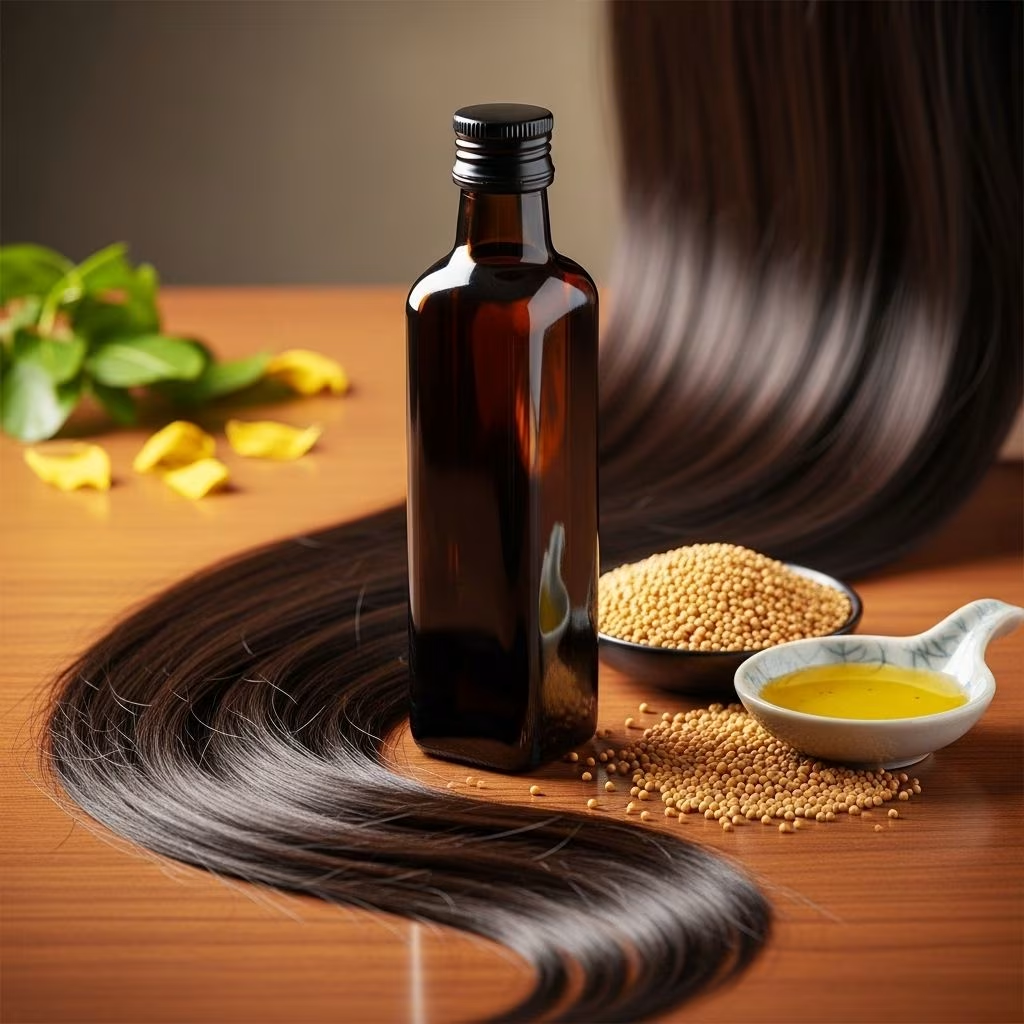
Mustard Oil for Hair: Benefits, How to Use, and Tips
Mustard oil, known as Sarson ka Tel in South Asia, has been used for centuries as a natural solution for hair care. With a nutrient profile rich in fatty acids, vitamins, and antioxidants, mustard oil delivers multiple advantages for scalp health, hair strength, and shine. This article explores the science-backed benefits, practical usage techniques, precautions, and answers frequently asked questions about mustard oil for hair.
Introduction to Mustard Oil
Mustard oil is extracted from the seeds of the mustard plant (Brassica species), native to South Asia and recognized globally for its culinary and medicinal applications. In traditional Indian households, mustard oil is a staple for its immunity-boosting effects, but its role in natural hair care is prominent due to its evidence-based therapeutic value for scalp and hair health.
Nutritional Profile of Mustard Oil
The effectiveness of mustard oil in hair care comes from its rich nutritional composition:
- Omega-3 & Omega-6 fatty acids: Promote hair growth, nourish follicles.
- Monounsaturated & polyunsaturated fats: Deeply condition and hydrate hair shafts.
- Vitamins A, D, E, K: Provide antioxidant protection, aid in cellular regeneration, enhance scalp health.
- Minerals: Improve hair texture and overall strand strength.
- Antifungal & antibacterial compounds: Protect scalp from infections.
This nutrient blend makes mustard oil a multifaceted natural remedy for common hair concerns.
Top Benefits of Mustard Oil for Hair
- Strengthens Hair Strands
The abundance of essential fatty acids and proteins fortifies hair shafts, reducing breakage and split ends, leading to stronger hair over time.
Source: - Acts as a Deep Conditioner
The natural fats in mustard oil help seal moisture into the hair shaft, transforming dull, frizzy, or damaged hair into smooth, bouncy, and hydrated locks.
Source: - Promotes Hair Growth
By nourishing the scalp and stimulating blood flow, mustard oil encourages dormant follicles to sprout new hairs, fostering thicker and longer growth.
Source: - Nourishes Scalp & Hair
Provides a broad spectrum of nutrients that combat environmental damage and strengthen follicles, reducing thinning and excessive hair fall.
Source: - Prevents Dandruff & Soothes Irritation
Mustard oil’s potent antibacterial and antifungal properties tackle dry scalp issues, alleviate itching, and reduce dandruff effectively.
Source: - Protects Against Scalp Infections
Regular application can eliminate pathogenic bacteria and fungi, minimizing the risk of folliculitis and other scalp conditions.
Source: - Boosts Blood Circulation to the Scalp
A mustard oil massage induces warmth, stimulates circulation, and increases nutrient supply to hair roots, resulting in greater volume and vitality.
Source: - Reduces Hair Frizziness
High vitamin E content and antioxidants combat frizz, enhance texture, and shield hair from environmental stressors.
Source: - May Delay Premature Greying
The beta-carotene in mustard oil converts into vitamin A, which has been linked in traditional use to slower greying progression by nourishing the scalp.
Source: - Adds Volume and Shine
Mustard oil imparts immediate shine and fullness, making hair appear healthier, thicker, and more lustrous.
Source:
Nutrient Comparison Table
| Component | Mustard Oil | Hair Benefits |
|---|---|---|
| Omega-3/6 Fatty Acids | High | Promotes growth, nourishes follicles |
| Vitamin E | Rich | Improves texture, reduces frizz |
| Antioxidants | Ample | Protects, repairs hair damage |
| Antibacterial/Antifungal | Yes | Controls dandruff & infections |
| Protein | Moderate | Strengthens hair shafts |
How to Use Mustard Oil for Hair
Basic Scalp Massage
- Pour 2–3 tablespoons of cold-pressed mustard oil into a small bowl.
- Warm it slightly (not hot!) using a double boiler or microwave for a few seconds.
- Dip your fingertips into the oil and massage gently into the scalp using circular motions for 10–15 minutes.
- Work the oil down the lengths of your hair to the tips.
- Leave on for at least 1 hour—overnight for more intense conditioning.
- Rinse thoroughly with a mild shampoo and lukewarm water.
Deep Conditioning Hair Mask
- Mix 2 tablespoons mustard oil with 2 tablespoons natural yogurt (or coconut oil for extra hydration).
- Apply to clean, damp hair and cover with a shower cap.
- Leave the mask on for 30–60 minutes before rinsing thoroughly.
DIY Hair Fall Control Blend
- Combine 2 tablespoons of mustard oil and 2 tablespoons of coconut oil.
- Add a few drops of rosemary or tea tree essential oil (optional for enhanced scalp health).
- Warm and massage into the scalp. Leave overnight or for at least 2 hours before washing.
- Repeat once or twice weekly for optimal results.
Expert Tips for Using Mustard Oil
- Choose cold-pressed or organic mustard oil for maximal purity and benefits.
- Always perform a patch test before extensive use to rule out allergies or irritation.
- Do not overheat; warm oil enables better scalp penetration, but hot oil can burn.
- Use only required quantity; excess oil may be tough to wash out and leave hair sticky.
- For oily scalps, apply mustard oil just to the ends of hair or as a short-duration mask.
- Limit mustard oil application to 1-2 times per week to prevent scalp buildup.
- Rinse thoroughly; use gentle, sulfate-free shampoo to avoid stripping natural moisture.
Precautions and Potential Side Effects
- Allergic reactions: Some people may experience redness, itchiness, or swelling after mustard oil application. Always conduct a patch test behind your ear or wrist.
- Eye irritation: Keep mustard oil away from the eyes. Wash hands thoroughly after use.
- Strong odor: Mustard oil has a pungent smell; washing with a fragrant shampoo helps neutralize it.
- Avoid on broken skin: Do not apply to wounded or inflamed scalp.
- If you have a known allergy to mustard seeds or related plants, avoid mustard oil entirely.
Consult a dermatologist if you experience persistent itchiness, rash, or other adverse reactions.
Mustard Oil vs. Other Oils
| Oil Type | Strengths | Ideal for |
|---|---|---|
| Mustard Oil | Anti-fungal, deep conditioning, boosts blood circulation, rich in antioxidants | Dandruff, hair growth, frizziness, volume |
| Coconut Oil | Penetrates hair shaft, prevents protein loss, gentle | Weekly deep conditioning, dry scalp, hair fall prevention |
| Olive Oil | Moisturizing, mild antibacterial | Dry hair, split ends, mild scalp concerns |
| Almond Oil | Vitamin E, smoothness, non-greasy | Light conditioning, shine, sensitive scalp |
Can Mustard Oil Reduce Hair Fall Instantly?
Current evidence suggests that mustard oil boosts scalp nourishment and may stimulate new growth. However, large reductions in hair fall typically require several weeks of regular application and an overall healthy hair care routine. For acute hair loss, combine mustard oil with coconut oil and supportive dietary measures for best results.
Frequently Asked Questions (FAQs)
Q: Can mustard oil help with severe dandruff?
A: Yes, the antimicrobial and antioxidant properties of mustard oil make it effective against dandruff. Massaging into your scalp regularly can reduce flakes and itching significantly.
Q: Will mustard oil make my hair grow faster?
A: Mustard oil enhances blood flow and nourishes follicles, which can help accelerate growth if used consistently. For best results, complement topical application with a protein-rich diet and gentle hair care.
Q: Is mustard oil safe for all hair types?
A: Mustard oil suits most hair types, but its strong scent and heavy texture may not appeal to everyone. Oily scalps should use sparingly, while sensitive skin may need to test for allergic reactions first.
Q: Can mustard oil be left on overnight?
A: Yes. Leaving mustard oil overnight can intensify conditioning benefits. Protect pillows with a shower cap or towel and shampoo well in the morning to remove excess oil.
Q: Will mustard oil stain hair or scalp?
A: No, pure mustard oil doesn’t stain hair or scalp. However, it can leave a greasy residue if not properly washed out, so thorough rinsing is recommended.
Q: How often should I use mustard oil for optimal results?
A: Apply mustard oil 1–2 times per week. Overuse may cause buildup, making hair greasy or heavy.
References
- Oshea Herbals (2024). 10 Benefits Of Mustard Oil For Hair.
- Times of India (2024). Coconut oil or Mustard oil: Which is the best oil to stop hair fall instantly.
- Healthline (2023). What to Know About Using Mustard Oil for Hair.
- NCBI (2014). Exploration of Nutraceutical Potential of Herbal Oil Formulated from ….
References
- https://www.osheaherbals.com/blogs/blog/benefits-of-mustard-oil-for-hair
- https://timesofindia.indiatimes.com/life-style/beauty/coconut-oil-or-mustard-oil-which-is-the-best-oil-to-stop-hair-fall-instantly/articleshow/121419973.cms
- https://www.healthline.com/health/mustard-oil-for-hair
- https://pmc.ncbi.nlm.nih.gov/articles/PMC3957245/
- https://wimpoleclinic.com/blog/mustard-oil-for-hair-growth-an-evidence-based-review/
- https://pmc.ncbi.nlm.nih.gov/articles/PMC9231528/
- https://www.aol.com/articles/mustard-oil-actually-help-hair-220000514.html


