


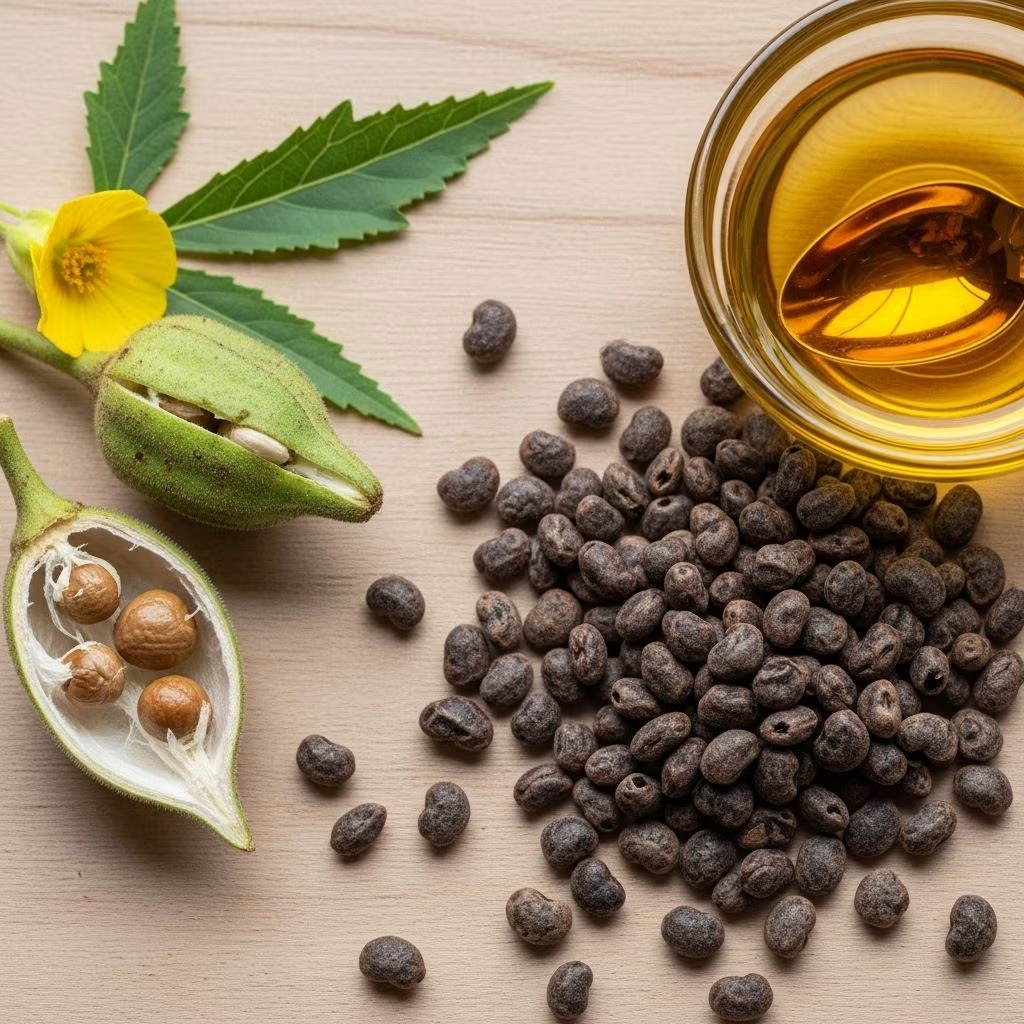
Musk okra, more commonly known as ambrette seed, captivates with its musky aroma, striking appearance, and a rich tapestry of traditional uses across cultures. Revered for its role in perfumery, culinary delights, and holistic medicine, this remarkable seed marries nature’s elegance with potent botanical benefits. This in-depth guide explores the fascinating world of musk okra—shedding light on its botany, health-promoting properties, applications, and unique sensory attributes.
Introduction to Musk Okra (Ambrette Seed)
Musk okra, or ambrette seed, derives from the Abelmoschus moschatus plant—a tropical species closely related to the more widely recognized okra (Abelmoschus esculentus). The term “musk okra” reflects the plant’s distinctively musky aroma, which infuses both its seeds and essential oil. This rare botanical is treasured worldwide for its balancing act between flavor, fragrance, and therapeutic utility.
Botany and Origins
The Abelmoschus moschatus is a perennial shrub from the Malvaceae family, native to Asia and Australia, now also found in tropical regions of Africa, Central, and South America. The plant features:
- Bright yellow hibiscus-like flowers with striking purple centers
- Ornamental hairy seed pods, remarkably similar to culinary okra
- Kidney-shaped seeds with a deep, sweet fragrance
Thriving in warm, tropical climates, musk okra is also surprisingly frost-hardy, making it versatile for cultivation in diverse environments.
Cultural Names and Historical Significance
Ambrette seed is entwined with various cultural traditions and bears several evocative names, including:
- Musk Okra
- Musk Dana
- Kasturi Bhendi
- Musk Mallow
- Ornamental Okra
- Rose Mallow
The seed’s role in historical perfumery, ritual decoration (worn as jewelry by indigenous cultures), and flavoring is well-documented. The Arabic origin of “abelmoschus”—meaning “father of musk”—hints at its deep association with natural musk fragrances.
Aroma, Flavor, and Taste Profile
| Sensory Attribute | Description |
|---|---|
| Aroma | Intensely rich, sweet, musky-floral with nutty, warm, fatty, and floral topnotes; subtle hints of leather, Cognac, clary sage, tobacco, and animalic undertones. |
| Flavor | Aromatic, warm, and slightly spicy; enhances both savory and sweet preparations with floral and musky notes. |
| Taste Profile | Complex, layered, with initial sweetness followed by earthy, wine-like, and occasionally fruity-brandy nuances. Mild bitterness in unripe pods. |
The uniqueness of ambrette seed’s aroma and taste makes it invaluable in both food and fragrance, often imparting depth and sophistication unattainable by most other botanicals.
Nutritional and Chemical Properties
While not widely used for nutrition, ambrette seeds contain notable compounds, including:
- Essential fatty acids
- Plant terpenoids—influential in aromatherapy and considered bioactive
- Ambrettolide—a natural macrocyclic musk compound, rare in botany, responsible for the seed’s iconic fragrance
These compounds not only provide its characteristic aroma but also fuel its therapeutic and mood-enhancing effects.
Health Benefits of Ambrette Seed
- Hormonal Balance: Regarded in aromatherapy as a natural balancer for male and female hormones, often used to ease menstrual discomfort and support reproductive health.
- Adrenal Stimulant: Believed to boost energy and revitalize adrenal function, assisting with fatigue and mild energy depletion.
- Analgesic Properties: The terpenoids present may help relieve cramps, muscular pain, and headaches by inhibiting pain transmission.
- Anti-Stress and Mood Support: The calming and mildly euphoric aroma makes ambrette seed popular for reducing nervous tension, mild depressive states, and stress.
- Aphrodisiac Potential: The sensual, musky aroma is held in high regard as a natural aphrodisiac, used traditionally to enhance intimacy and romance.
- Detoxification: Sometimes credited in traditional medicine with properties that help detoxify the body from certain drugs and toxins.
These benefits are primarily based on traditional and aromatherapeutic uses. Scientific studies on direct health effects are still limited, and most applications are considered complementary.
Culinary Uses
The ambrette seed’s culinary applications, while less common than its aromatic uses, are prized in specific regional cuisines:
- Flavoring Coffee: Whole seeds added to coffee impart an aromatic, musky undertone and subtle sweetness.
- Vegetable: Young seed pods (musk okra), tender shoots, and leaves are consumed as vegetables in some cultures.
- Spice Blends: Sometimes used to provide depth in liqueurs, fruit flavors, and regional spice formulations.
- Tobacco and Liqueur Enhancements: Incorporated into specialty tobacco and sweet liqueurs for a unique finish.
Its understated but persistent flavor pairs well with warm spices, chocolate, fruits, and nutty desserts.
Perfumery and Fragrance Industry Applications
Ambrette seed holds legendary status in natural perfumery, revered as one of the only plant sources for true musk aroma:
- Base Note in Fragrances: It delivers tenacious, long-lasting musky-floral depth—serving as the foundation (base note) of many luxury perfumes.
- Natural Musk Alternative: Used as a botanical, vegan, and safer alternative to synthetic or animal-based musks.
- Fixative: Enhances the staying power of more volatile fragrance substances, improving complexity with age.
- Versatile Profile: Blends beautifully with amber, floral, oriental, incense, fougère, and fresh cut hay accords.
Natural ambrette seed oil is extremely costly due to the labor-intensive collection and low oil yield (0.2–0.6% of total seed weight). Modern perfumery sometimes uses ambrette seed super—a more accessible, synthetic replacement.
Traditional and Medicinal Uses
Medicinal uses span multiple traditional healing systems:
- Ayurveda: Embraced for its antispasmodic, digestive, and calming properties. Used for stomach ailments, menstrual pain (latākastūrikā), and nervous stress.
- Folk Remedies: Seed infusions or decoctions sometimes administered for mild infections, fevers, and respiratory discomfort.
- Cultural Healing: Traditionally worn as decorative jewelry, with beliefs in its protective and energizing effects on the body.
While promising, clinical evidence for these medicinal uses remains sparse, and use should be cautious, particularly for pregnant or lactating individuals due to potential allergenic or phototoxic effects.
Side Effects and Safety Considerations
- Photodermatitis: Prolonged skin exposure may rarely cause sensitivity to sunlight, especially with topical (essential oil) use.
- Pregnancy and Lactation: Safety is not established; avoid during pregnancy and breastfeeding unless prescribed by a qualified practitioner.
- Allergic Reactions: Like any botanical, potential for skin or respiratory allergies exists, especially in sensitive individuals.
- Purity Concerns: Natural ambrette oil is rare and often adulterated. Always source from reputable suppliers.
Consult with healthcare providers before starting any medicinal use, especially if a medical condition or allergies exist.
Cultivation, Harvesting, and Processing
Cultivation: Abelmoschus moschatus grows best in tropical to subtropical regions with well-draining soils and ample sun. It is relatively hardy and may tolerate frost better than many tropical plants.
Harvesting:
- Seeds are harvested when pods mature and split open, revealing the distinctive aromatic seeds.
- Seed pods are typically sun-dried prior to oil extraction or use in food and flavoring.
Processing:
- Ambrette seed oil is usually produced via steam distillation or CO2 extraction—both processes yield a pale yellow oil with concentrated aroma.
- Yields are extremely low; sometimes as little as 0.2–0.6% of seed weight.
Frequently Asked Questions (FAQs)
Q: Is musk okra (ambrette seed) safe for daily use?
A: When used in culinary amounts or as a perfume ingredient, it is generally safe for most people. Essential oil or medicinal dosages should be used cautiously and under professional supervision, especially in sensitive groups.
Q: How does ambrette seed oil compare to animal musk in perfumery?
A: Ambrette seed provides the closest botanical equivalent to animal musk, delivering a warm, sensual, musky aroma without ethical concerns or potential toxins present in some synthetic alternatives.
Q: Can ambrette seed be grown at home?
A: Yes, in suitable warm climates with plenty of sunlight, well-drained soil, and frost protection. It can be ornamental and productive if the right conditions are met.
Q: What dishes benefit from the addition of ambrette seed?
A: Specialty coffees, desserts, regional vegetable dishes, and gourmet spice blends can benefit from its complex aroma and flavor—experiment in moderation.
Q: Is it used more in food or fragrance?
A: While it has traditional uses in certain culinary traditions, ambrette seed is overwhelmingly prized in the perfume and aromatherapy worlds for its unparalleled scent.
Conclusion
The versatility, allure, and historical prestige of musk okra (ambrette seed) ensure its continued reverence across the culinary, medicinal, and perfumery landscapes. Its deep musky fragrance and understated, yet sublime taste unlock a sensory experience unlike any other, making it a must-explore treasure for botanists, chefs, perfumers, and natural health enthusiasts alike.
References
- https://www.bmvfragrances.com/guide/ambrette-seed-perfumery-base
- https://www.edenbotanicals.com/ambrette-seed-co2-select-extract.html
- https://www.natureinbottle.com/product/ambrette_seed_oil
- https://en.wikipedia.org/wiki/Abelmoschus_moschatus
- https://incensemaking.com/aromatics/musk-seeds/
- http://perfumenw.blogspot.com/2010/08/ambrette-seeds-okra-and-botanical-musk.html
- https://www.rxlist.com/supplements/ambrette.htm
- https://www.cabidigitallibrary.org/doi/full/10.1079/cabicompendium.1951
- https://en.wikipedia.org/wiki/Abelmoschus


