


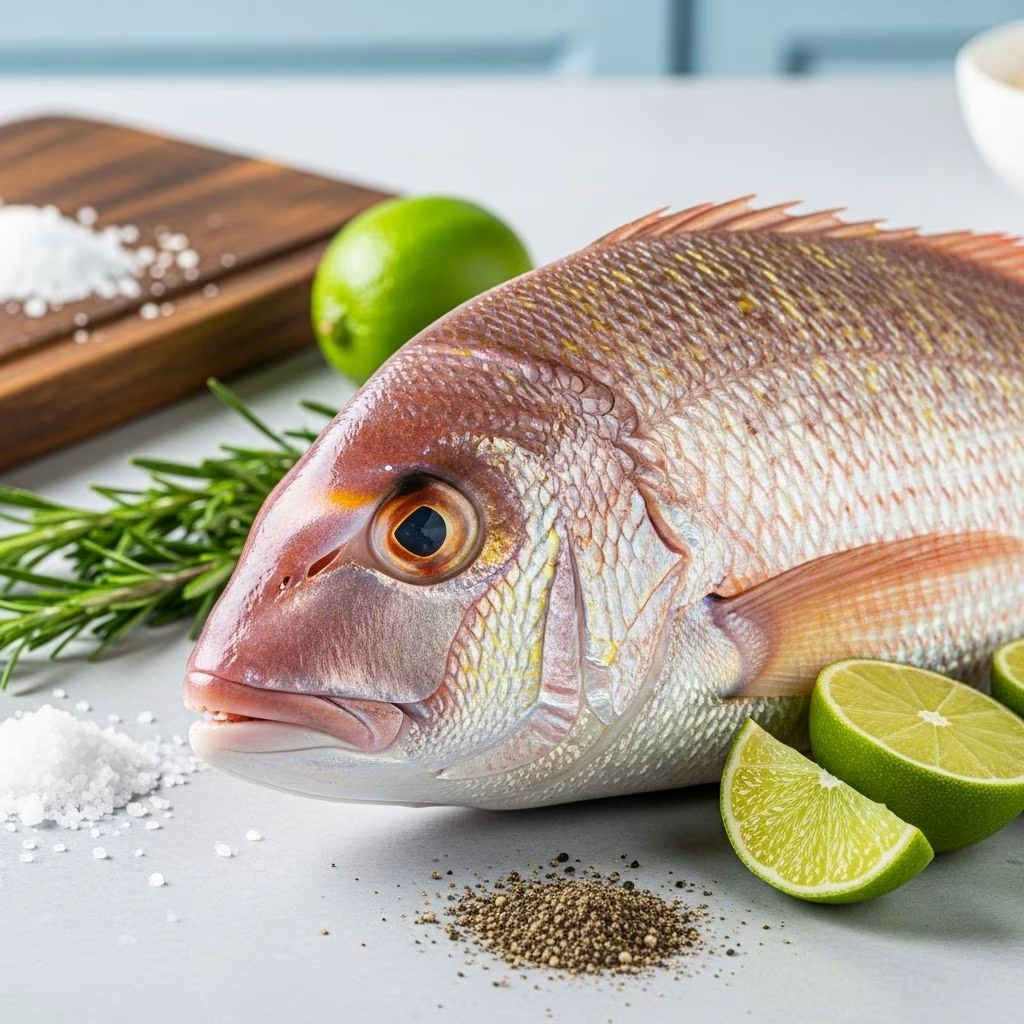
Mutton Snapper: Benefits, Uses, and Taste
Mutton snapper (Lutjanus analis) is a striking species of marine fish highly valued in commercial and recreational fishing, celebrated for its nutritional advantages, culinary versatility, and distinctive taste. Found from Massachusetts to Brazil—especially in tropical waters of the Caribbean and the Bahamas—this snapper is not only ecologically significant but also a staple in many coastal cuisines. This article offers an in-depth exploration of the mutton snapper’s biology, health benefits, preparation methods, and flavor profile.
Biology and Habitat
Mutton snapper is classified in the family Lutjanidae. It generally leads a solitary lifestyle, preferring reef structures, wrecks, and rocky substrates, and becomes more prone to deeper waters as it matures. Juveniles mostly inhabit shallow seagrass beds and mangrove forests, which provide both food and shelter, while adults are common around reefs and offshore ledges.
- Scientific name: Lutjanus analis
- Common habitats: Coral reefs, rocky outcrops, seagrass beds, mangrove estuaries
- Range: Western Atlantic from Massachusetts to Brazil, most abundant in Caribbean and Guld waters.
Physical Characteristics
Mutton snapper is admired for its vibrant coloration and robust body shape. Understanding its morphology is important for correct identification and distinction from other snappers (such as lane and red snapper).
- Size: Typically up to 50 cm (20 in), maximum length recorded at 94 cm (37 in), and weights up to 15.6 kg (34 lb).
- Coloration: Adults exhibit olive green backs, shading to reddish tones on the lower flanks and abdomen. A small black spot is present near the rear dorsal fin, and blue stripes are visible beneath the eyes.
- Fins: Red or orangish, with pointed anal and dorsal fin edges; caudal fin is nearly lunate.
- Mouth & Teeth: Large terminal mouth, conically arranged teeth with enlarged canine-like outer teeth, and unique V-shaped vomerine tooth patch—which helps distinguish mutton snapper from similar species.
- Juvenile features: Olive color, dark vertical bars, and larger mid-body black spot.
| Feature | Description |
|---|---|
| Body Shape | Moderately deep, almond-shaped, robust |
| Color | Olive green (back), red/orange (fins/abdomen), blue lines below eyes |
| Distinguishing Marks | Small black spot near dorsal fin, V-shaped tooth patch in roof of mouth |
| Fin Structure | Dorsal fin: 10–11 spines, 13–14 soft rays; Anal fin: 3 spines, 7–8 soft rays |
| Maximum Age | Up to 40 years |
Distribution and Life Cycle
The mutton snapper displays an extensive range within the Western Atlantic, but is most abundant in tropical waters. Eggs and larvae are pelagic, floating before settling in protective shallow habitats as juveniles. As the fish matures, it often migrates offshore to deeper reefs where it seeks out complex structures.
- Spawning: Occurs in groups, typically from February to August, varying by location and water temperature.
- Migration: Juveniles found closer to shore; adults move to deeper reefs and offshore ledges.
- Feeding Habits: Opportunistic feeders, with diets evolving from plankton in larvae, to shrimp, crabs, fish, squid, and snails as adults.
Nutritional Value and Health Benefits
Mutton snapper is not only loved for its flavor but also for its excellent nutritional profile. Like other snapper species, its lean white flesh is a high-quality source of protein, micronutrients, and healthy fats.
- Low in fat: Making it supportive for heart health and weight management.
- Rich in omega-3 fatty acids: Beneficial for cardiovascular, cognitive, and inflammatory health.
- High protein content: Supports muscle repair, growth, and satiety.
- Vitamins and minerals: Contains B vitamins (especially B12), selenium, phosphorus, and potassium.
- Low-calorie: Appropriate for balanced, nutrient-rich diets.
Consuming mutton snapper fits well within diets designed for heart, brain, and metabolic wellness. As with all seafood, moderation is recommended due to potential trace contaminants found in marine environments.
Culinary Uses
Mutton snapper’s firm, moist, white flesh is the centerpiece in many tropical and international cuisines. Its versatility makes it suitable for an array of cooking techniques. Preparation and flavor pairings usually highlight its subtle natural sweetness and delicate texture.
- Grilling: One of the most popular methods; its thick fillets hold together well and develop smoky flavor profiles.
- Baking: Often prepared en papillote (in parchment) or with citrus and herbal infusions.
- Frying: Whole or filleted, commonly served with tropical salsas or spicy sauces.
- Broiling: Fast, high-heat method to preserve moisture and boost browning.
- Steaming: Preserves nutritional integrity and highlights the fish’s natural flavors.
- Ceviche: Sliced or diced raw snapper cured in lime juice with fresh herbs, vegetables, and chilies.
- Traditional dishes: Featured in Bahamian, Cuban, and Floridian recipes—often paired with citrus, plantains, or coconut rice.
- Bahama-style steamed mutton snapper
- Cuban snapper mojo
- Fried whole snapper with mango salsa
The fish’s mild taste welcomes bold seasonings and marinades but stands well alone with salt, pepper, and citrus. Its adaptability extends to fillets, steaks, and whole roasted preparations.
Taste and Texture
Mutton snapper is prized for its unique flavor profile and culinary versatility. Food enthusiasts and chefs praise it for the following qualities:
- Flavor: Mildly sweet, clean, and slightly nutty without strong fishiness.
- Texture: Firm, moist, and delicately flaky—remains succulent under most cooking methods.
- Comparison: Often likened to red snapper or grouper, though it tends to be richer and a touch more sweet.
- Browning: Grilled and pan-seared methods develop a delicious crust that enhances overall taste.
| Fish | Flavor Notes | Texture |
|---|---|---|
| Mutton Snapper | Mild, slightly sweet, clean finish | Firm, moist, flaky |
| Red Snapper | Mild, neutral, subtle sweetness | Medium-firm, flaky |
| Grouper | Mild, butter-like, little sweetness | Chunky, moist, large flakes |
Sustainability and Fishing Regulations
Mutton snapper fisheries are subject to regional management aimed at sustaining wild populations. Spawning aggregation sites receive special attention, as directed fishing during peak breeding seasons can threaten reproductive success. Regulations on size and bag limits vary across jurisdictions; responsible harvesting ensures future abundance.
- Regulations: Minimum size and daily catch limits established in many U.S. Gulf and Caribbean states.
- Seasonal closures: Often in place during spawning months to protect breeding stocks.
- Aquaculture: Efforts and research continue to explore farmed snapper as a future supply solution.
- Certification: When possible, select seafood labeled as sustainably sourced or wild-caught under trusted programs.
Selection, Storage, and Preparation Tips
To enjoy mutton snapper at its best, proper selection and handling are essential.
- Freshness indicators: Bright, clear eyes; firm, moist flesh; shiny, metallic skin without dry patches.
- Storage: Keep refrigerated (below 40°F/4°C). Use within 1–2 days of purchase for optimal flavor and safety. For freezing, wrap tightly and consume within three months.
- Preparation:
- If whole, scale, clean, and gut thoroughly.
- Fillets should be checked for bones before cooking.
- Marinade lightly to preserve taste—acidic mixtures (lime, lemon) enhance while retaining the natural sweetness.
- When grilling, oil to prevent sticking; high-heat sear locks in juices.
- Pair with citrus, coconut, ginger, tropical fruits, or roasted vegetables.
Frequently Asked Questions (FAQs)
Q: How can you distinguish mutton snapper from other snapper species?
A: Mutton snapper has small blue stripes beneath the eyes, a black spot below the rear dorsal fin, pointed anal and dorsal fins, and a unique V-shaped vomerine tooth patch in the mouth.
Q: Is mutton snapper safe to eat raw?
A: Yes, when procured from trusted sources and handled properly, mutton snapper is enjoyed raw in ceviche or sushi preparations.
Q: What are the peak seasons for catching mutton snapper?
A: Mutton snapper spawns in aggregations from February to August; fishing regulations often restrict harvest during peak spawning to ensure sustainability.
Q: What flavors pair best with mutton snapper?
A: Citrus (lime, orange), tropical fruits (mango, pineapple), fresh herbs (cilantro, mint), ginger, and coconut are excellent pairings that complement the fish’s sweet, mild flavor.
Q: Is mutton snapper an overfished species?
A: Mutton snapper is managed under regional regulations aimed at limiting overfishing. Always check for sustainable certifications and respect catch limits when purchasing or harvesting.
Conclusion
Mutton snapper’s combination of ecological significance, robust nutrition, mouthwatering flavor, and culinary versatility make it one of the top choices for chefs and home cooks alike. Whether grilled, broiled, or featured in traditional Caribbean recipes, it is a gem of the tropical seas and a testament to responsible fisheries management.
References
- https://en.wikipedia.org/wiki/Mutton_snapper
- http://www.allfishingbuy.com/Fish-Species/Mutton-Snapper.htm
- https://gulfcouncil.org/species/mutton-snapper-fishing-regulations/
- https://guidesly.com/fishing/fish-species/mutton-snapper
- https://srac.msstate.edu/pdfs/Fact%20Sheets/725%20Species%20Profile-%20Mutton%20Snapper.pdf
- https://mainattraction.org/florida-keys-mutton-snapper-facts/
- https://www.fishbase.se/Summary/SpeciesSummary.php?ID=1403&AT=mutton+snapper
- https://sta.uwi.edu/fst/lifesciences/sites/default/files/lifesciences/documents/ogatt/Lutjanus_analis%20-%20Mutton%20Snapper.pdf


