


What Is Naranjilla?
Naranjilla (Solanum quitoense), also known as lulo in Colombia, is a tropical fruit native to the Andean regions of South America, particularly Colombia and Ecuador. The name “naranjilla” translates to “little orange” in Spanish, though it is not related to citrus fruits. Instead, it belongs to the nightshade family—making it a close relative of tomatoes, eggplants, and potatoes. This bright orange, round fruit is cherished for its tart, citrusy flavor and unique aroma, and is a staple in South American beverages and desserts.
Botanical Profile
The naranjilla plant is a spreading, herbaceous shrub that can reach up to 8 feet (2.5 meters) tall. Its stems are thick and may become woody with age. While wild varieties are spiny, cultivated plants are often spineless. The leaves are large, soft, and woolly, with young leaves, stems, and petioles covered in striking purple hairs. The plant produces fragrant, white-and-purple flowers with yellow stamens, which develop into round to round-ovate fruits. The fruit is protected by a brown, hairy coat until ripe, at which point the hairs are easily rubbed off to reveal a smooth, leathery, bright-orange peel.
Geographical Origin
Naranjilla is indigenous to the mountainous regions of Ecuador and Colombia, where it has been cultivated since at least the 17th century. It thrives in humid, subtropical climates at moderate elevations—typically between 1,600 and 7,200 feet above sea level—making it a key component of traditional Andean agriculture.
Appearance
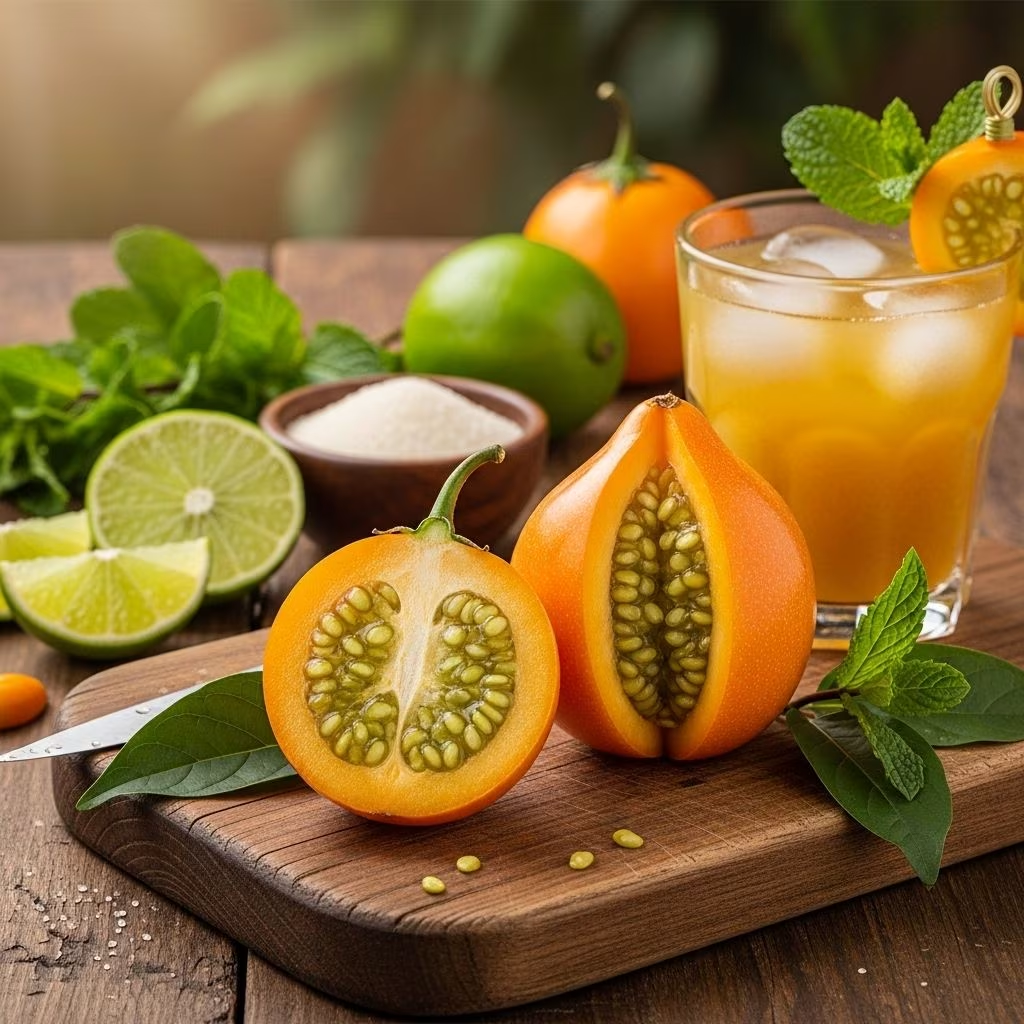
The naranjilla fruit is about 2.5 inches (6.25 cm) in diameter, round or slightly ovate, and crowned with a persistent, 5-pointed calyx. The unripe fruit is covered in a brown, hairy coat, which turns bright orange when ripe and is smooth and thick-skinned. Inside, the fruit is divided into four compartments by membranous partitions, each filled with translucent green or yellowish, juicy pulp. While the pulp is similar in appearance to that of a passionfruit, its taste is distinctly different. The fruit contains numerous small, pale-buff seeds, which are thin, flat, and hard.
Taste and Aroma
Naranjilla is known for its complex and refreshing flavor profile. The juicy pulp is slightly acidic to acid, delivering a tart taste often compared to a combination of pineapple and lemon, or a sour orange with a stronger emphasis on sourness. The aroma is intense and fruity, resembling a mix of citrus and tropical notes, which adds to its appeal for use in beverages and desserts. People with a preference for tangy, zesty fruits will appreciate naranjilla, but those with less tolerance for acidity may find it too tart for eating directly.
| Aspect | Description |
|---|---|
| Flavor | Tart, citrusy, pineapple-lemon, sour orange |
| Aroma | Fruity, citrusy, tropical |
| Texture | Juicy, pulp-filled, with many small seeds |
Nutritional Profile
According to analyses of fresh naranjilla fruits from Colombia and Ecuador, 100 grams of edible pulp provide about 23 calories, making it a low-calorie fruit suitable for weight-conscious diets. Here’s a detailed breakdown of its nutritional content:
| Nutrient | Amount per 100g (average) |
|---|---|
| Calories | 23 |
| Moisture | 85.8–92.5 g |
| Protein | 0.107–0.6 g |
| Carbohydrates | 5.7 g |
| Fat | 0.1–0.24 g |
| Fiber | 0.3–4.6 g |
| Calcium | 5.9–12.4 mg |
| Phosphorus | 12.0–43.7 mg |
| Iron | 0.34–0.64 mg |
| Carotene (Vitamin A) | 0.071–0.232 mg (~600 IU) |
| Thiamine (B1) | 0.04–0.094 mg |
| Riboflavin (B2) | 0.03–0.047 mg |
| Niacin (B3) | 1.19–1.76 mg |
| Ascorbic Acid (Vitamin C) | 31.2–83.7 mg |
Health Benefits
Naranjilla offers a range of health benefits due to its rich nutritional content:
- Rich in Vitamin C: Naranjilla is a notable source of ascorbic acid, which supports immune function, skin health, and wound healing.
- Low in Calories: With only 23 kcal per 100g, naranjilla is a low-energy snack, suitable for those monitoring calorie intake.
- Source of Dietary Fiber: The fruit contains a moderate amount of fiber, which can aid digestion and help maintain a healthy gut.
- Provides B Vitamins: It contains thiamine, riboflavin, and niacin, essential for energy metabolism and nervous system function.
- Contains Essential Minerals: Naranjilla supplies calcium, phosphorus, and iron, all vital for bone health, energy production, and oxygen transport.
- Antioxidant Properties: Vitamin C and carotene (provitamin A) act as antioxidants, protecting cells from oxidative stress and supporting eye health.
Regular consumption of naranjilla, as part of a balanced diet, can contribute to overall well-being and provide a flavorful alternative to common fruits.
Culinary Uses
Though naranjilla can be eaten raw, its tartness makes it especially popular in processed forms. Here are some of the most common culinary applications:
- Juices and Beverages: The main use of naranjilla is in juices and nectars, both commercially processed and homemade. In Colombia, it is used to make “lulada,” a refreshing drink blended with lime juice, sugar, and ice—sometimes spiked with vodka for an adult twist.
- Smoothies and Aguas Frescas: The pulp blends well with other fruits such as mango, banana, or passionfruit, creating vibrant, tangy smoothies.
- Desserts: The juice is used in jellies, sorbets, ice creams, and as a topping for yogurt or pancakes.
- Sauces and Dressings: The acidic juice can be reduced with sugar for a unique syrup, or used in salad dressings for a tropical twist.
- Raw Consumption: When ripe, it can be scooped out and eaten fresh, but most prefer it sweetened or juiced to balance its tartness.
Harvesting and Storage
- Ripeness: Fruits are harvested when fully ripe, which is indicated by the calyx separating from the fruit. Fully ripe naranjillas are bright orange, with the hairy coat easily removable.
- Commercial Handling: For marketing, fruits are often picked when half-colored to prevent bruising during transport. The fuzz is rubbed off by hand, and fruits are cleaned and carefully packed.
- Storage: Due to their delicate nature, naranjillas are prone to damage and fungal infection. They should be handled gently and consumed soon after ripening for best quality.
Cultivation Tips
- Climate: Naranjilla thrives in humid, subtropical environments with well-distributed rainfall or irrigation. It tolerates light frosts but is sensitive to prolonged cold.
- Soil: The plant prefers well-drained, fertile soils rich in organic matter.
- Propagation: Plants can be grown from seed or grafting. Seedlings begin to flower in 4–5 months, and fruiting starts 10–12 months from planting. Grafted plants bear fruit in about a year.
- Lifespan: Productive fruiting lasts around 3 years in Panama and longer in Costa Rica (up to 7 years). After this, productivity declines, and plants begin to die back.
- Watering: Regular watering is essential during dry periods to maintain fruit quality and yield.
Safety Precautions
- The fruit is generally safe to eat, but some individuals may experience skin irritation from the hairs on the peel. It’s advisable to wear gloves when handling large quantities, especially if you have sensitive skin.
- The plant and fruit do not contain notable toxicity, but as with all fruits in the nightshade family, unripe or green parts should not be consumed.
Frequently Asked Questions (FAQs)
Q: Is naranjilla related to oranges?
A: No, despite its name and orange color, naranjilla is not a citrus fruit. It belongs to the nightshade family (Solanum), making it a relative of tomatoes, potatoes, and eggplants.
Q: What does naranjilla taste like?
A: Naranjilla pulp is tart, juicy, and aromatic, with flavors reminiscent of pineapple, lemon, or a very sour orange. It is usually enjoyed in juices rather than eaten fresh due to its acidity.
Q: How do you eat naranjilla?
A: The fruit can be eaten raw by scooping out the pulp, but most people prefer it juiced, blended into smoothies, or used in desserts. Colombians make a signature drink called “lulada” with naranjilla, lime, and sugar.
Q: Where can I find naranjilla?
A: Naranjilla is widely available in Colombia, Ecuador, and other Andean countries. Outside South America, it can occasionally be found in specialty tropical fruit markets or ordered online.
Q: Is naranjilla good for you?
A: Yes, naranjilla is low in calories, high in vitamin C and fiber, and provides essential minerals and B vitamins, making it a nutritious addition to your diet.
Q: Can you grow naranjilla at home?
A: Naranjilla can be grown in warm, humid climates with well-drained soil and regular watering. It is sensitive to frost and needs protection from strong winds.
Conclusion
Naranjilla, or Solanum quitoense, is a fascinating tropical fruit prized for its vibrant flavor, nutritional benefits, and cultural significance in South American cuisines. While its tart taste may be an acquired palate, the fruit’s versatility in juices, desserts, and beverages makes it a beloved ingredient. With a rich supply of vitamins, minerals, and antioxidants, naranjilla is not only delicious but also a healthy choice for adventurous eaters. Though its cultivation outside the Andes remains rare, growing interest in exotic fruits may soon bring naranjilla to a wider global audience.
References
- https://www.growables.org/information/TropicalFruit/NaranjillaMorton.htm
- https://www.growables.org/information/TropicalFruit/Naranjilla.htm
- https://www.atlasobscura.com/foods/naranjilla-lulo-lulada
- https://miamifruit.org/blogs/news/lulo-aka-naranijilla-is-back-in-season
- https://blog.amigofoods.com/index.php/colombian-food/lulo-fruit/
- https://www.gardeningknowhow.com/edible/fruits/naranjillas/different-varieties-of-naranjilla.htm
- https://www.gardeningknowhow.com/edible/fruits/naranjillas/how-to-use-naranjilla-fruit.htm
- https://www.youtube.com/watch?v=LC6TrDiAjz8


