


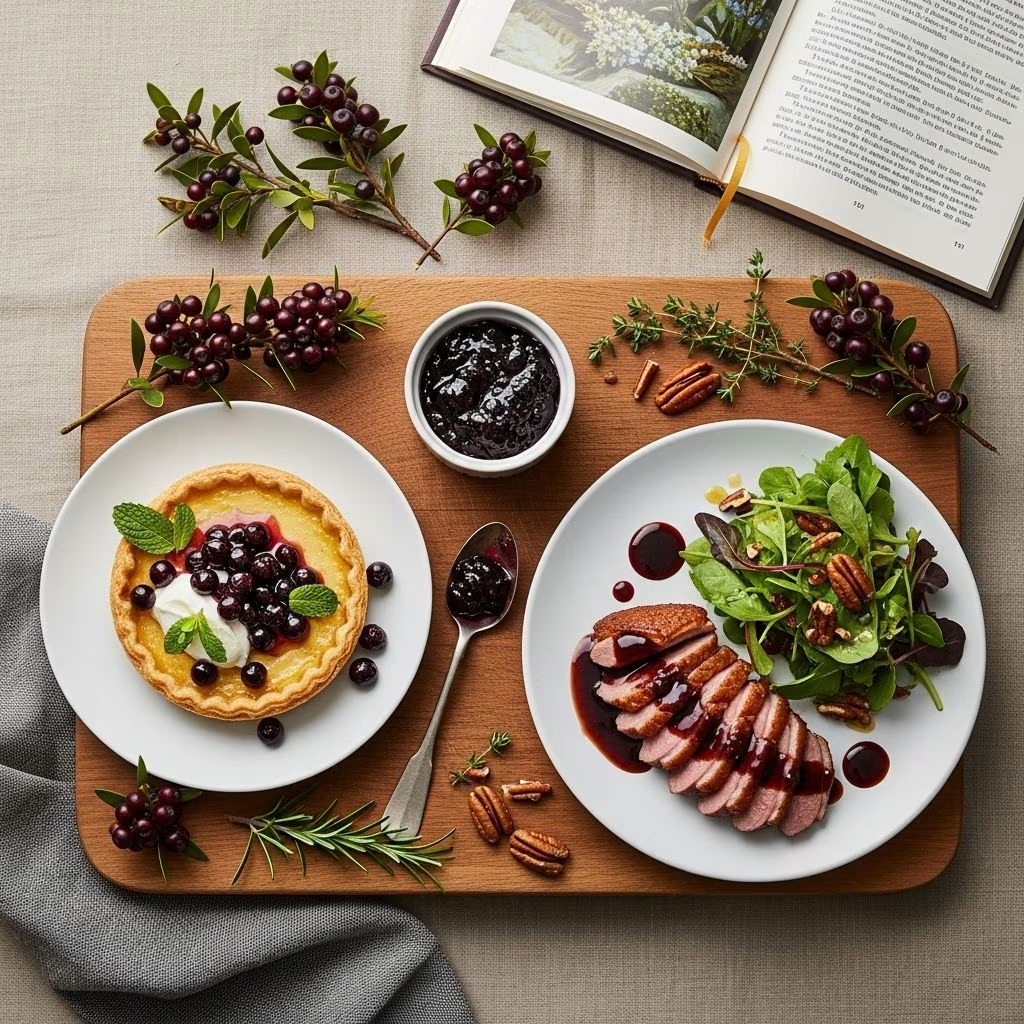
Myrtle berries, cherished since antiquity for their deep flavor and aromatic complexity, have traversed centuries of Mediterranean and culinary history. From ancient Roman banquets to modern holiday tables, these purple-blue gems transform both sweet and savory dishes. Whether you are an adventurous cook, a forager, or a lover of unique, heritage flavors, this comprehensive guide reveals the very best myrtle berry recipes—along with professional techniques to guarantee perfect results every time.
About Myrtle Berries: A Mediterranean Treasure
Myrtle (Myrtus communis) is a fragrant evergreen shrub native to the Mediterranean basin. Its leaves, flowers, and especially its berries have flavored food, liqueurs, and medicinal preparations for millennia. The berries are typically dark purple-blue when ripe, offering a bittersweet flavor profile with piney, floral, and peppery notes.
- Rich Aroma: Complex blend of juniper, rosemary, bay, and subtle sweetness.
- Color & Texture: Small, bluish-black berries with firm flesh and numerous small seeds.
- Season: Ripe in late fall to early winter in Mediterranean climates.
Culinary Uses: Why Cook With Myrtle Berries?
Myrtle berries are renowned for their aromatic intensity, making them ideal for both savory and sweet preparations:
- Add depth to sauces for game, pork, and poultry.
- Infuse jams, chutneys, and preserves with a distinctive flavor.
- Flavor liqueurs, most famously the Sardinian ‘Mirto’.
- Enhance desserts—from compotes to cakes.
In addition to the berries, myrtle leaves are sometimes used as flavoring (similar to bay leaves). However, this article focuses on recipes that use the berries themselves.
How to Source and Select Myrtle Berries
- Wild Foraging: In regions where myrtle grows naturally (southern Europe, North Africa, parts of California and Australia), gather ripe berries in late autumn. Always confirm local regulations and avoid polluted or protected areas.
- Farmers’ Markets & Specialty Stores: Some Mediterranean markets and specialty stores carry fresh or dried myrtle berries.
- Substitutes: If unavailable, juniper berries or bay laurel berries offer similar but less complex flavors. Myrtle berry liqueur or dried myrtle leaves may provide a flavor echo in some dishes.
How to Cook Myrtle Berries Perfectly: Expert Tips
- Preparation: Wash fresh berries and remove any stems or extraneous plant material.
- Grinding: For sauces and chutneys, grind in a strong blender or a mortar and pestle. Seeds can be left in for intense flavor, but may be strained out for smoother textures.
- Balancing Flavors: Myrtle’s aromatic bitterness pairs well with sweet and sour elements (honey, citrus, vinegar, or sugar).
- Cooking Methods: Myrtle berries can be boiled, simmered in sauces, preserved, or even infused into liquids. For meat, berries add a wild, herbal note that stands up to gamey flavors.
- Storage: Fresh myrtle berries keep best refrigerated and used within a week. Dried berries can be stored in a sealed container for several months.
Myrtle Berry Jam
A classic preserve that brings myrtle’s piney flavors to breakfast tables and desserts. This recipe uses a 1:1 ratio of myrtle berries to apples for natural pectin and balanced sweetness.
- 500 g myrtle berries (fresh or frozen)
- 500 g apples (peeled, cored, chopped)
- 400-500 g sugar (to taste)
- Juice of 1 lemon
Instructions:
- Wash and prepare the myrtle berries, removing any stems.
- Combine berries and apples in a large saucepan. Add a small amount of water to prevent sticking.
- Cook gently until fruit breaks down (about 15-20 minutes), stirring often.
- Add lemon juice and sugar. Stir to dissolve.
- Simmer until thickened to jam consistency (test by placing a drop on a cold plate—if it wrinkles when touched, it’s ready).
- Ladle into sterilized jars, seal, and store.
Serving ideas: Spread on toast, scones, or swirl into yogurt.
Myrtle Berry Citrus Sauce
This vibrant sauce combines myrtle berries with tart grapefruit and cranberries for a tangy, aromatic condiment. Perfect alongside roasted salmon, turkey, or as a unique alternative to cranberry sauce.
- 1 cup myrtle berries
- Juice of 4 grapefruits
- 1 cup cranberries (fresh or frozen)
- Lemon juice to taste
Instructions:
- Wash myrtle berries, remove stems, and grind using a strong blender. Add water if needed to facilitate blending.
- Juice the grapefruits, combine juice and berry puree in a saucepan over medium-high heat.
- Cook down until the mixture thickens slightly.
- Add cranberries, cover (as the berries may pop and splatter) and cook until they have softened and broken down.
- Taste and adjust acidity with lemon juice, or add sweetener if desired.
Serving ideas: Spoon over grilled fish, poultry, or as a dressing base for grain salads.
Pro Tip: This sauce also shines in glazing roast vegetables or as a zingy dip for cheese boards.
Myrtle Berry, Apple & Walnut Chutney
This festive chutney is adapted from Jekka McVicar’s classic herb cookbook—a favorite with cheeses and cold meats, especially during celebrations.
- 900 ml malt vinegar
- 450 g light soft brown sugar
- 12 myrtle berries (fresh preferred)
- 900 g cooking apples (peel, core, chop)
- 450 g onions, chopped
- 225 g raisins
- 25 g English mustard powder
- 25 g freshly grated root ginger
- 2 tsp mild curry powder
- 20 g salt
- 110 g walnut pieces
Instructions:
- Prepare all fruits and ingredients as indicated.
- Combine vinegar, sugar, and myrtle berries in a large preserving pan.
- Add apples, onions, raisins, mustard, ginger, curry powder, and salt. Bring to a gentle simmer.
- Cook uncovered, stirring regularly, until the fruit is soft and the mixture thickens (1-2 hours).
- Stir in walnuts and cook for a final 5 minutes.
- Ladle chutney into sterilized jars, seal, and cool.
Serving ideas: Serve with hard cheeses, charcuterie, or roast turkey.
Wild Boar with Myrtle Berries (Cinghiale al Mirto)
This Sardinian classic pairs wild game with myrtle’s bold, woodsy spice. Ideal for special dinners and showcasing heritage ingredients.
- 350 g wild boar neck (or shoulder)
- 4 tbsp dried myrtle berries, divided
- 180 ml red wine (Cannonau di Sardegna or similar Grenache/Garnacha)
- 50 g each: minced carrot, onion, and celery
- Salt and freshly ground black pepper
- 2 tbsp extra virgin olive oil
- 1 tsp cornstarch (optional, for thickening)
Instructions:
- Pat meat dry and season with salt and pepper. Brown in olive oil over medium-high heat.
- Remove meat. Add diced vegetables to the pan; cook until golden, scraping up any browned bits.
- Deglaze with wine. Add 2 tbsp myrtle berries. Boil, then simmer to reduce liquid by half.
- Combine all in a sous-vide bag (or use a slow cooker/covered casserole), and cook for 24-48 hours at low temperature (see serving note).
- When done, remove meat and keep warm. Strain and finish sauce, stirring in softened fresh/dried myrtle berries for a burst of flavor.
- Optionally, thicken with cornstarch slurry and season to taste.
- Slice meat and serve with the fragrant sauce.
Serving/Pairing: Enjoy with roasted root vegetables and a bold red wine.
Alternative: If wild boar is unavailable, substitute with pork shoulder or beef brisket.
Ancient Roman Pork Roast with Myrtle Berry Sauce
This dish, from the classic Roman cookbook De Re Coquinaria, marries roast pork with a sauce of myrtle berries, cumin, pepper, honey, fermented fish sauce (garum), and defritum (reduced grape must).
- Pork tenderloin (or shoulder)
- Myrtle berries (3–4 for every 500g meat, adjust as desired)
- Ground black pepper & cumin
- 1 tbsp honey
- 1 tbsp garum (or Asian fish sauce as substitute)
- 2 tbsp defritum or sweet grape juice/reduced wine
- Olive oil
- Starch (wheat/corn, to thicken)
- Salt (for roasting meat)
Instructions:
- Parboil meat in plain water for a few minutes, then roast (over fire or oven) while sprinkling with salt.
- In a mortar, grind myrtle berries, pepper, and cumin. Dilute with honey, garum, defritum, and olive oil.
- Gently heat sauce until just boiling. Stir in diluted starch to thicken.
- Serve warm sauce over sliced, roasted pork. Finish with a sprinkle of black pepper.
Historical Note: Myrtle berries give an intense fragrance, balancing sweet, savory, and umami.
Other Delectable Myrtle Berry Desserts
- Myrtle Berry Compote: Simmer berries with sugar, lemon peel, and a splash of water. Serve over ice cream or panna cotta.
- Myrtle Berry Shortbread Tart: Blind-bake a buttery tart shell, fill with myrtle berry jam or compote, and bake until bubbling and golden.
- Myrtle Berry Yogurt Cake: Fold mashed or whole berries into yogurt cake batter for aromatic bursts in every bite.
- Liqueur & Syrup: Infuse spirits or simple syrup with fresh/dried myrtle berries for cocktails, drizzling, or soaking cakes.
Serving Suggestions & Pairings
- Charcuterie: Jam and chutney complement cured meats, pâtés, and cheeses.
- Game Meat: Citrus and spice-laden sauces enhance the wild flavors of game, pork, and lamb.
- Grains & Salads: Myrtle berry sauces and chutneys add a bold accent to warm grains, beans, and roasted vegetables.
- Drinks: Enjoy with Mediterranean wines, especially Grenache or Cannonau-based varietals, and myrtle liqueur.
Frequently Asked Questions (FAQs)
Q: Can I substitute juniper berries for myrtle berries?
A: Juniper berries have similar resinous, piney notes but are typically more bitter and less sweet. Consider starting with less juniper, as the flavor is stronger. For an authentic taste, myrtle berries are preferred.
Q: Are myrtle berries safe to eat raw?
A: Myrtle berries are generally edible when ripe but can be quite astringent or bitter raw. Cooking or sweetening improves their flavor for most palates.
Q: How do I store fresh or dried myrtle berries?
A: Fresh berries should be refrigerated and used within a week. Dried myrtle berries can be kept in an airtight container in a dark, cool place for several months.
Q: Can I use myrtle berry leaves in recipes?
A: Myrtle leaves can infuse liquids (like bay leaves) but are not typically eaten. They add a gentle flavor when simmered in sauces or stuffing.
Q: Any tips for extracting maximum flavor from myrtle berries in sauces?
A: Grinding or bruising the berries releases more essential oils. Briefly soak dried berries to rehydrate and unlock aroma before simmering in liquids.
Conclusion
The mystique of myrtle berries lies in their versatility: bridging ancient traditions and modern creativity, enhancing everything from festive meats to everyday jams. By following expert preparation and pairing with complementary flavors, you will unlock unique tastes and rekindle a piece of culinary history at your own table.
References
- https://bigsislittledish.com/2011/12/28/myrtle-berry-citrus-sauce/
- https://stefangourmet.com/2017/10/29/wild-boar-with-myrtle-berries-sous-vide-cinghiale-al-mirto/
- https://historicalitaliancooking.home.blog/english/recipes/ancient-roman-pork-roast-with-myrtle-berry-sauce/
- https://www.jekkas.com/blogs/jekkas-herb-based-recipes/jekkas-myrtle-berry-apple-walnut-chutney
- https://www.youtube.com/watch?v=LyY5W-WqORE
- https://domesticfelicityblog.com/2016/12/17/myrtle-berry-jam/
- https://www.tasteatlas.com/crostini/recipe/crostini-with-myrtle-berries
- https://stefangourmet.com/2017/11/21/mirto-sardinian-myrtle-berrie-liqueur/
- https://pennilessparenting.com/2011/02/myrtle-berry-and-rosehip-candies.html
- https://www.cookist.com/homemade-myrtle-liqueur/


