


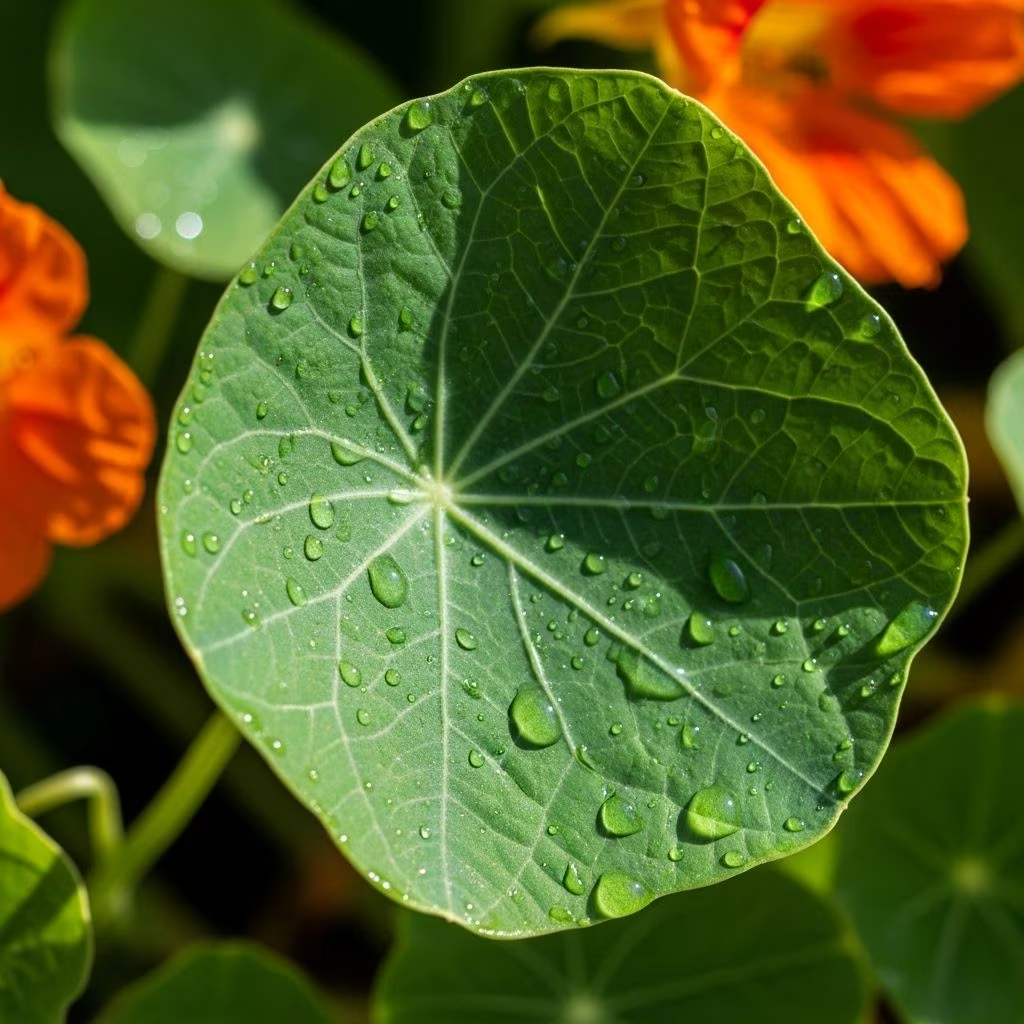
Nasturtium Leaf: Nutritional Powerhouse, Medicinal Benefits, Culinary Uses, and Unique Taste Explored
Nasturtium (Tropaeolum majus), one of nature’s most vibrant edible plants, has captivated herbalists, chefs, and gardeners with its beautiful flowers and its leaves’ remarkable nutritional and medicinal properties. This article explores the science and culinary art behind nasturtium leaves, revealing their health benefits, traditional and modern uses, and the unique flavor that has inspired cuisines worldwide.
Overview: What is Nasturtium Leaf?
Nasturtiums are herbaceous annual plants native to South America and widely cultivated worldwide for their aesthetic appeal and culinary value. While the cheerful, five-petaled orange and yellow flowers are well-known, the round, peltate leaves—roughly 3–10 cm across—offer distinct nutritional and medicinal advantages.
- Botanical name: Tropaeolum majus
- Family: Tropaeolaceae
- Common names: Nasturtium, Indian Cress, Garden Nasturtium
- Edible parts: Leaves, flowers, seeds, stems
The leaf’s circular, slightly lobed shape makes it instantly recognizable, and all aerial parts of the plant—including the leaf—are edible and highly valued in herbal medicine and gastronomy.
Nutritional Profile of Nasturtium Leaf
Nasturtium leaves are celebrated for their concentration of essential vitamins, minerals, and phytochemicals closely linked to holistic health.
- Vitamin C: Outstanding levels, rivaling or exceeding those in parsley or citrus fruits (about 130 mg per 100 g).
- Minerals: High in iron, potassium, phosphorus, magnesium, calcium, copper, zinc, and manganese.
- Antioxidants: Exceptional levels of lutein, beta-carotene (vitamin A precursor), anthocyanins, polyphenols, and bioflavonoids (e.g., quercetin, kaempferol, myricetin).
- Other nutrients: B vitamins are abundant in the flowers; leaves contain trace amounts.
- Special compounds: Erucic acid (notable in seeds), omega-9 fatty acids, and volatile oils such as myristicin, α-terpinolene, and limonene.
This unique nutritional spectrum supports nasturtium leaf’s role as a “supergreen” for immune enhancement and metabolic wellness.
| Nutrient | Approximate Amount (per 100g) | Health Role |
|---|---|---|
| Vitamin C | 130 mg | Immune support, skin health, antioxidant action |
| Lutein | Up to 45 mg | Eye health, anti-inflammatory, antioxidant |
| Potassium | Varies | Muscle function, heart health |
| Iron | Rich source | Blood health, energy production |
Health Benefits of Nasturtium Leaf
Scientific research and traditional medicine both highlight the extensive medicinal benefits of nasturtium leaves. Here’s an in-depth look at their healing potential:
Antioxidant Power
- High levels of lutein, vitamin C, and anthocyanins protect cells from free radical damage, lowering the risk of chronic inflammatory diseases and supporting tissue repair.
Immune System Enhancement
- Vitamin C boosts the immune response; regular consumption can help defend against infection, colds, and flu.
- Nasturtium leaves possess mild natural antibiotic properties, attributed to volatile oils and flavonoids. These may help manage minor respiratory infections, bronchitis, and urinary tract conditions.
- Chewing fresh leaves may disinfect the mouth and throat.
Anti-Inflammatory and Antimicrobial Action
- Compounds in the leaf and flower extracts display antimicrobial, antifungal, expectorant, and anti-inflammatory effects.
- Bioactive volatile oils (e.g., limonene, myristicin) contribute to natural defense against pathogens.
- Used topically, crushed nasturtium leaves may speed wound healing and soothe skin inflammation.
Skin, Hair, and Digestive Health
- Tea or infusions of nasturtium leaves are used as a toner for oily skin and may support circulation and hair growth if used as a rinse.
- Contains compounds that stimulate appetite and support healthy digestion.
Additional Therapeutic Uses
- Adjuvant use in treating sinusitis, colds, bronchitis, and urinary tract infections in some European medical systems.
- Potential dermatological applications, especially for dry or inflamed skin.
Summary of Health Benefits
- Rich antioxidant profile for disease prevention and cellular protection
- Antibiotic qualities for mild infections
- Supports immune, respiratory, digestive, and urinary tract health
- Topical application aids wound healing and skin care
- Encourages hair growth and healthy scalp when used as rinse
Culinary Uses
All parts of the nasturtium plant are edible, but the leaves provide a special flavor and texture that enliven recipes across cultures. Their peppery taste makes them a favorite ingredient for health-conscious cooks.
Popular Ways to Eat Nasturtium Leaves
- Salads: Toss fresh nasturtium leaves for a spicy, mustard-like bite. Pairs well with sweet fruits, mild greens, roasted nuts, and cheeses.
- Pesto: Blend leaves with olive oil, nuts, and parmesan for a vibrant, peppery pesto.
Traditional nasturtium pesto recipe:
2 cups packed nasturtium leaves, 1 cup nasturtium flowers, 3/4 cup olive oil, 3/4 cup walnuts, 1/2 cup parmesan, pinch of salt. Blend until smooth. - Sandwiches and Wraps: Use leaves in place of lettuce for an extra layer of flavor and nutrients.
- Herbal tea: Brew leaves and flowers for a gently stimulating tea with mild antibiotic and circulatory benefits.
- Garnishes: Add whole leaves to decorate and enhance soups, stews, or vegetable platters.
- Smoothies: Add young leaves to green smoothies for vitamin C fortification.
Creative Kitchen Ideas
- Chopped leaves mixed into egg or potato salads
- Infused oils or vinegars
- Rolled or stuffed leaves as appetizers
- Finely shredded in cheese or grain dishes
Taste and Pairings
The flavor of nasturtium leaves is a defining culinary trait—hot, fresh, and slightly pungent, reminiscent of a cross between watercress and arugula.
- Mouthfeel: Tender yet slightly crisp; best eaten young
- Taste: Initially mild, quickly developing a peppery heat with faint grassy undertones
- Pairings: Complements cheese, eggs, fruits (apple, pear), nuts, tomatoes, citrus, and light dressings
| Ingredient | Why Pair? |
|---|---|
| Goat or feta cheese | Creaminess offsets spiciness |
| Sliced apple or pear | Sweetness balances peppery heat |
| Avocado | Mildness tempers pungency |
| Walnuts or toasted seeds | Add texture and earthy richness |
Because the flavor can be assertive, use young leaves for salads and older leaves for cooked dishes, pestos, or teas. Flowers are milder and make attractive garnishes.
Growing and Harvesting Nasturtium Leaves
Nasturtiums are renowned for their low maintenance and vigor. Gardeners prize them for rapid growth and pollinator-friendliness.
- Climate: Prefers temperate regions; tolerates light frost
- Soil: Thrives in well-drained, low-fertility soil; excessive nutrients produce foliage but diminish flower yield
- Sowing: Direct seed after danger of frost or start indoors; germination usually in 7–14 days
- Harvesting:
- Pick leaves when young and tender, usually before flowering
- Avoid leaves showing signs of mildew or pest damage
- Flowers, seeds, and stems are all usable
Nasturtium’s rapid growth and self-seeding habit make it ideal for edible landscaping, companion planting (it deters aphids), and container culture. Regular harvesting encourages continued leaf production.
Safety and Precautions
- Nasturtium leaves are generally regarded as safe in culinary quantities.
- POTENTIAL ALLERGIES: Rare, but individuals with plant allergies should exercise caution.
- MEDICAL USES: Use for infections or medical conditions should not replace professional healthcare advice.
- Pregnant or breastfeeding individuals should consult a clinical herbalist or physician before extensive consumption.
Frequently Asked Questions (FAQs)
Q: Is nasturtium leaf safe to eat every day?
A: For most people, moderate daily consumption is safe and provides nutritional benefits, but those with allergies or health conditions should consult a healthcare provider first.
Q: Can nasturtium leaves be cooked or must they be eaten raw?
A: They can be used both raw (salads, garnishes) and cooked (pesto, stir-fries, soups), although cooking will slightly reduce their vitamin C content but mellow the peppery flavor.
Q: Are nasturtium leaves good for skin and hair?
A: Yes. Nasturtium tea or infusions are traditional toners for oily skin and are known to support healthy scalp circulation and hair growth when used as a rinse.
Q: Can nasturtium leaves be used as a natural remedy for colds?
A: The leaves exhibit mild antibiotic effects and are sometimes used for minor respiratory complaints, but they should not replace conventional treatments in severe cases.
Q: Do nasturtium leaves deter garden pests?
A: Planting nasturtiums in vegetable beds helps repel aphids and some beetles, promoting organic pest control while providing food.
Conclusion
Nasturtium leaves offer an extraordinary blend of nutritional density, gentle medicinal properties, and refreshing peppery flavor. Celebrated in herbal medicine, modern wellness, and gourmet cuisine, they make a vibrant addition to a healthy lifestyle and creative kitchen. By including nasturtium leaves in your garden and daily meals, you enjoy a delicious, health-promoting green that bridges tradition and culinary innovation.
References
- https://draxe.com/nutrition/nasturtium/
- https://goodnessis.com/nasturtiums-a-tea-a-pesto-and-a-cure/
- https://pubmed.ncbi.nlm.nih.gov/29766690/
- https://themicrogardener.com/20-reasons-to-grow-this-amazing-herb/
- https://www.webmd.com/vitamins/ai/ingredientmono-526/nasturtium
- https://www.b4fn.org/resources/species-database/detail/nasturtium-officinale/
- https://seedsistas.co.uk/2024/04/23/medicinal-and-edible-benefits-of-nasturtiums/
- https://www.urbancultivator.net/learn-about-nasturtium/


