


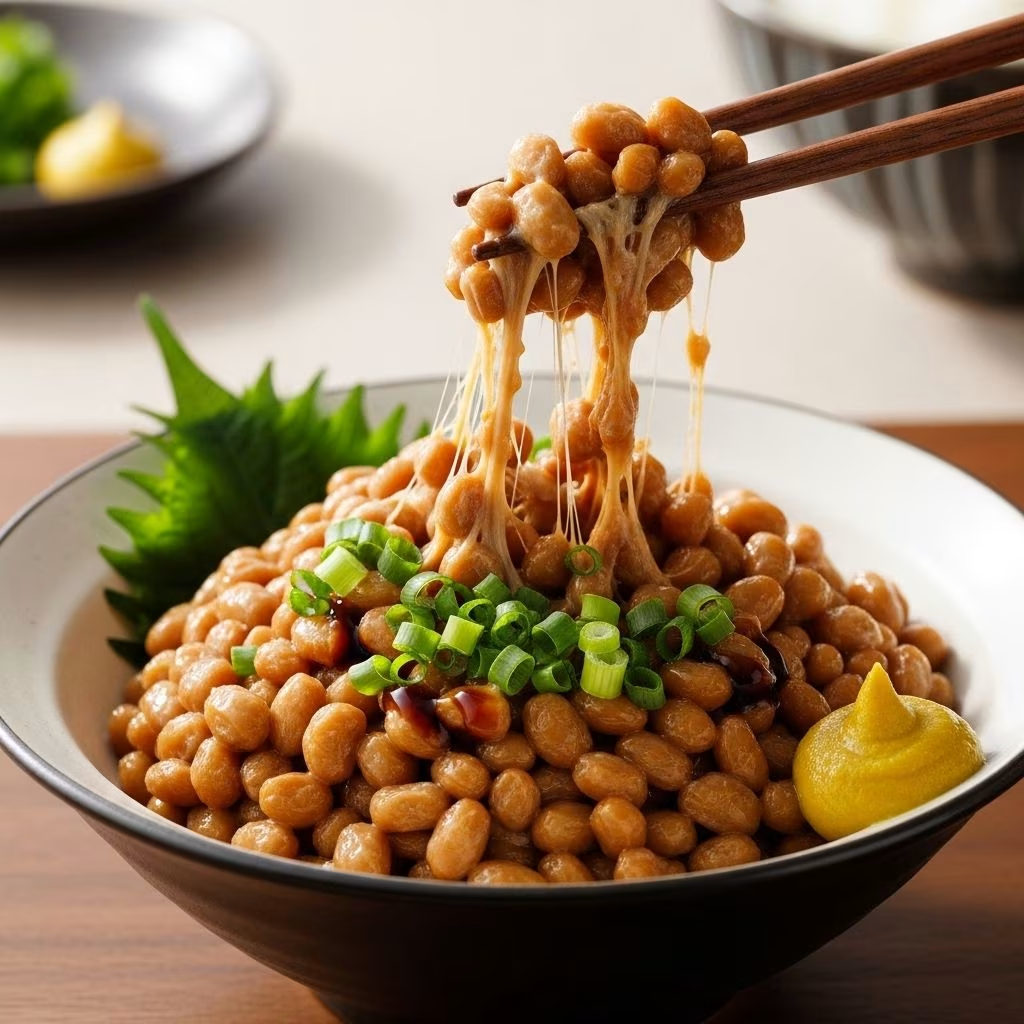
Natto is a traditional Japanese food made from fermented whole soybeans using the bacteria Bacillus subtilis natto. It is celebrated in Japan for both its health benefits and unique—sometimes polarizing—flavor and aroma. In this comprehensive guide, you’ll gain an in-depth understanding of natto’s history, nutrition, health impacts, culinary uses, and what to expect from its taste and texture.
History and Origins of Natto
Natto’s precise origin is uncertain, though its roots stretch over a thousand years. Its story is interwoven with Japanese folklore, Buddhist rituals, and the resourcefulness of ancient peoples.
- Legendary Origins: A popular tale attributes natto’s discovery to the 11th-century samurai Minamoto no Yoshiie. During a campaign, his troops hurriedly packed boiled soybeans in straw, which later fermented, creating natto. Finding the taste pleasant, it became a staple for the army and was offered to Yoshiie himself .
- Buddhist Influence: The word natto comes from the Japanese for “offering place”, referencing the kitchens of Buddhist temples, suggesting an early ritual or votive role for the food.
- Possible Chinese Connection: Some historians believe natto was influenced by the Chinese fermented soybean dish douchi and may have arrived in Japan during the Yayoi period (300 BC – 250 AD).
- Regional Adoption: Natto is traditionally associated with the Ibaraki Prefecture on Honshu island, a major soybean-producing area.
By the Edo period (1603–1868), natto was a well-established feature of Japanese cuisine and has continued to evolve, especially with commercialization in the 20th century ensuring standardized fermentation and wider distribution.
What Exactly Is Natto?
Natto is a fermented soybean food unique for its sticky, slimy texture and pungent aroma. The process uses the specific bacteria Bacillus subtilis natto, commonly found in straw, which transforms boiled soybeans over a 24-hour fermentation followed by refrigeration. The beans remain whole but are surrounded by a characteristically stringy, sticky film—one of natto’s most noticeable features.
- Appearance: Brown to tan whole soybeans coated in a sticky, viscous substance with visible threads when stirred.
- Primary Ingredients: Whole soybeans and Bacillus subtilis natto.
- Flavor Profile: Strong umami, slight bitterness, distinct aroma often compared to strong cheese or ammonia.
Nutritional Composition
Natto is renowned as a nutritional powerhouse. Because the fermentation process increases the bioavailability of nutrients, natto delivers an array of vitamins, minerals, and other health-promoting compounds. Here’s a summary of the nutrition profile for a typical 100g serving:
| Nutrient | Amount (per 100g) | Notes |
|---|---|---|
| Calories | 190–210 kcal | Low to moderate energy for size |
| Protein | 17–19g | Complete plant-based protein |
| Fat | 9–11g | Primarily unsaturated fats |
| Dietary Fiber | 5–6g | Supports digestion |
| Vitamin K2 (Menaquinone-7) | ~1000mcg | Exceptionally high, rare in other foods |
| Vitamin B2 (Riboflavin) | 0.3mg | Supports metabolism |
| Vitamin B12 | 0.1–0.2mcg | Vegetarian source |
| Minerals | Iron, Magnesium, Potassium, Calcium | Rich in essential minerals |
| Probiotics | High | Bacillus subtilis natto |
| Nattokinase | Active | Unique enzyme linked to heart health |
Health Benefits of Natto
Natto has earned a reputation as a superfood—especially for vegetarians and anyone seeking whole food probiotics. Its unique nutrient profile delivers multiple proven health benefits:
- Gut Health: Abundant beneficial bacteria improve gut microbiome, aiding digestion and enhancing immune function.
- Bone Health: Extremely high vitamin K2 supports calcium metabolism and bone mineralization, reducing risk of osteoporosis.
- Heart Health: Nattokinase enzyme, specific to natto, has blood-thinning effects that may help prevent blood clots and support vascular health.
The isoflavones and unsaturated fats present further lower cholesterol and cardiovascular risk. - Rich in Antioxidants: Fermentation enhances antioxidant content, reducing oxidative stress and inflammation.
- Plant-Based Protein: High-quality, complete protein source provides essential amino acids for muscle building and recovery.
- B Vitamins: Notably rich in B2 and B12, natto is one of the few plant sources of these vitamins, crucial for vegans and vegetarians.
- Weight Management: High-protein, fiber-rich and low-calorie, supports satiety and metabolic function.
While natto’s purported weight-loss effects have been exaggerated in Japanese media, robust clinical evidence supports its major roles in cardiovascular and bone health, plus digestive support .
How Natto Is Made
The creation of natto is an ancient craft, relying on the transformative power of fermentation:
- Ingredient Selection: Special small soybeans are washed and soaked for up to 24 hours, swelling to several times their dry size.
- Steaming: The beans are steamed until soft and tender.
- Inoculation: While hot, the beans are mixed with Bacillus subtilis natto. Traditionally, fresh rice straw was used as the inoculant and incubation vessel.
- Fermentation: Beans and bacteria ferment for 18–24 hours at 40°C (104°F), typically in a closed container, where the bacteria multiply and generate sticky threads as they digest soybean sugars.
- Aging: The fermented beans are then cooled and refrigerated for a few days to develop flavor and texture before eating.
Modern natto is made using controlled starter cultures and is almost always packaged in individual, polystyrene trays for convenience.
Culinary Uses and Serving Traditions
Natto is most commonly eaten at breakfast in eastern Japan, though it appears in a wide variety of dishes:
- Classic Natto Bowl: Stirred natto is served with hot rice, seasoned with soy sauce, karashi (Japanese mustard), sometimes a raw egg, and chopped green onions. A side of miso soup is common.
- Natto Sushi Rolls (Natto Maki): Wrapped with rice and nori, served as a sushi roll—popular in Japanese izakaya and sushi restaurants.
- Natto Toast: Natto is spread on toasted bread, sometimes paired with cheese or avocado for fusion breakfasts.
- Omelets and Tamago: Mix natto with eggs to create nutritious omelets or tamagoyaki (Japanese rolled omelets).
- Salads and Vegetable Dishes: Incorporated into cold salads or garnished on vegetables for a nutritious topping.
- Breaded or Fried: In some preparations, natto is wrapped and deep-fried, losing some of its signature stickiness but gaining a milder flavor.
It’s becoming more common to see natto added to Western-style dishes by health-conscious consumers, including mixed into smoothies, on pizza, or with pasta.
Taste, Texture, and Aroma
The taste and smell of natto are intensely divisive—even among Japanese people. Here’s what you can expect if you try it for the first time:
- Aroma: Strong, pungent, and often likened to aged cheeses such as Gorgonzola or even ammonia. Some find it deeply unpleasant, while others acquire a taste for it.
- Taste: An intense umami flavor—earthy, slightly nutty, mildly bitter, and savory. A subtle sweetness or bitterness may linger.
- Texture: Sticky, slimy, and stringy. The characteristic threads form upon stirring and may coat your mouth. The beans remain slightly firm but wrapped in the viscous coating.
This unique sensory profile is a result of the fermentation process and distinguishes natto from all other soybean dishes.
Natto in Modern Diets & Cultural Acceptance
Natto remains extremely popular in eastern Japan (such as Tokyo and the Kanto region), where natto is a staple breakfast food. In contrast, its popularity is less strong in western Japan (such as Osaka and Kyoto), possibly due to regional historical and climatic differences. In recent decades, natto consumption is spreading worldwide driven by its superfood status, especially in health-conscious, vegetarian, or vegan diets. However, its divisive taste means its adoption outside Japan can be slow.
Key reasons for global growth:
- Probiotic Content
- Plant Protein for Vegetarians/Vegans
- High Vitamin K2 for Bone Health
- Natural Fermented Whole Food
How to Eat Natto: Tips for Beginners
If trying natto for the first time, consider the following tips to acclimate your palate:
- Start by eating small amounts, ideally mixed with hot rice to mellow the flavors and aroma.
- Add soy sauce, mustard (karashi), or chopped green onions to mask the pungency and add complexity.
- Mix vigorously: Stirring natto develops more of the characteristic sticky filaments but can blend flavors more smoothly.
- Try incorporating in cooked dishes—scrambled eggs, omelets, soups, or in a roll—to reduce the sensory impact.
- Chill well before serving, since cold natto has a milder flavor than at room temperature.
Frequently Asked Questions (FAQs)
Q: Is natto safe for everyone to eat?
A: Generally yes, but people taking blood thinners (such as warfarin) should consult a physician due to natto’s extremely high vitamin K2 content, which can interfere with medication action.
Q: Can you buy natto outside Japan?
A: Yes, natto is now commonly available at Asian grocery stores, health markets, and increasingly online, either fresh, frozen, or dried for easy shipping.
Q: Does natto contain live probiotics?
A: Natto is rich in live Bacillus subtilis natto bacteria and thus an excellent source of probiotics supporting gut flora.
Q: Does cooking destroy natto’s health benefits?
A: Prolonged high-heat cooking can deactivate some probiotics and the enzyme nattokinase, so to preserve full benefits, eat natto raw or only gently warmed.
Q: Why does natto smell so strong?
A: The fermentation produces ammonia and other aromatic compounds. The pungent odor is part of what distinguishes natto and can be reduced with added condiments.
Final Thoughts
Natto stands out as a rare example of a traditional food that delivers modern “superfood” nutrition. With regular consumption linked to digestive, cardiovascular, and bone health, it may be worth acquiring the taste for this unique delicacy. For those willing to try, natto offers a memorable culinary and cultural experience.
References
- https://www.japan-experience.com/plan-your-trip/to-know/japanese-food/mito-natto
- https://www.britannica.com/topic/natto
- https://en.wikipedia.org/wiki/Natt%C5%8D
- https://bokksu.com/blogs/news/natto-101-everything-you-need-to-know-about-japans-nutritional-powerhouse
- https://www.nyrture.com/blog/ancient-origins-of-natto
- https://pmc.ncbi.nlm.nih.gov/articles/PMC9616652/
- https://www.soyinfocenter.com/HSS/natto1.php
- https://www.merriam-webster.com/dictionary/natto
- https://japanesefoodsimply.substack.com/p/natto-rice-recipes


