


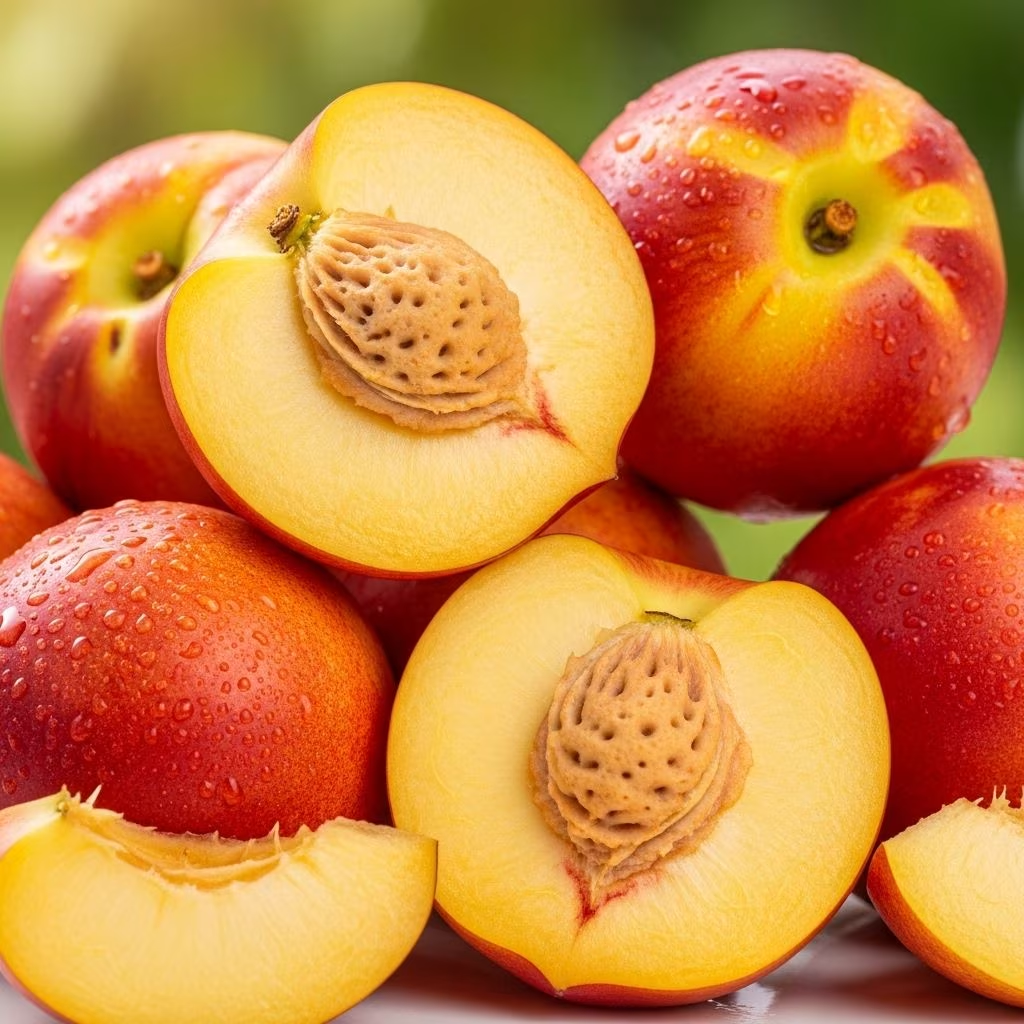
Nectarines are smooth-skinned stone fruits often mistaken for peaches, but their unique blend of nutritional value, culinary versatility, and refreshing taste sets them apart. In this comprehensive guide, discover the origins, nutritional benefits, health impacts, culinary applications, and distinctive taste of nectarines.
Nectarine Overview and Botanical Identity
Nectarines (botanical name: Prunus persica var. nucipersica) are a type of stone fruit belonging to the Rosaceae family, closely related to peaches, plums, cherries, and apricots. What distinguishes nectarines from peaches is their smooth, glossy skin—they lack the fine fuzz characteristic of peaches.
- Origin: Thought to have originated in China over 2,000 years ago and cultivated worldwide today.
- Physical Features: Small to medium-sized fruits (averaging 5–7 cm in diameter), round or oval, with a pronounced seam from stem to base. Skin is delicate, bruising easily, usually with yellow, red, or orange hues.
- Tree Description: Grows on trees up to 9 meters (30 feet) tall in the wild; under commercial cultivation, usually pruned to 3–4 meters (10–13 feet) for manageability.
- Fruit Type: Stone fruit (drupe), with a fleshy edible part surrounding a hard pit (stone) encasing the seed.
- Genetics: Nectarines and peaches are the same species. Nectarines arise from a recessive gene for smooth skins, so they can ‘sport’ (appear) naturally on peach trees as well.
Types of Nectarines
- White-fleshed nectarines: Lower acidity, resulting in a perception of higher sweetness.
- Yellow/orange-fleshed nectarines: Higher acidity, giving a slightly tart flavor despite similar sugar content.
- Freestone vs. Clingstone: In freestone varieties, the pit separates easily from the flesh; in clingstone varieties, the flesh adheres to the pit.
Nutritional Profile of Nectarines
Nectarines are not only delicious but also offer a notable nutritional profile, making them an excellent addition to a healthy diet.
| Nutrient | Amount | % Daily Value* |
|---|---|---|
| Calories | 44 kcal | 2% |
| Carbohydrates | 10.6 g | 4% |
| Sugars | 7.9 g | – |
| Fiber | 1.7 g | 7% |
| Protein | 1.1 g | 2% |
| Fat | 0.3 g | 0% |
| Vitamin C | 5.4 mg | 6% |
| Vitamin A | 17 μg | 2% |
| Potassium | 201 mg | 4% |
| Other micronutrients | B-complex vitamins, Vitamin E, magnesium, copper, niacin, | – |
*Percentage values are approximate and vary by source and variety.
Major Health Benefits of Nectarines
Regular consumption of nectarines offers a variety of health benefits, thanks to their rich blend of vitamins, minerals, antioxidants, and dietary fiber.
- Rich in Antioxidants: Nectarines are loaded with polyphenols like beta-carotene, lutein, and zeaxanthin, which help neutralize harmful free radicals and protect against cellular damage.
- Digestive Health: The fiber in nectarines aids healthy digestion, promotes regular bowel movements, and can reduce the risk of constipation.
- Immune Support: With considerable amounts of vitamin C, nectarines boost immune system defense and promote wound healing.
- Heart Health: Potassium in nectarines helps regulate blood pressure, and their antioxidants may lower bad cholesterol levels, contributing to reduced heart disease risk.
- Weight Management: Low in calories and fat, nectarines make for an ideal snack in weight control diets.
- Skin Health: The combination of vitamins A, C, and E supports collagen production, cellular repair, and overall skin vitality.
- Blood Sugar Control: Moderate glycemic index and fiber content help balance blood sugar levels, making them suitable (in moderation) for people with diabetes.
Culinary Uses: How to Enjoy Nectarines
Nectarines are celebrated for their versatility in the kitchen. Whether raw or cooked, in sweet or savory dishes, they adapt to countless recipes and preparations.
Popular Ways to Eat Nectarines
- Fresh and Raw: Enjoy nectarines out-of-hand, sliced in fruit salads, or as a colorful topping for yogurt, oatmeal, and cereal.
- Baking: Add to tarts, pies, crisps, cobblers, or cakes for a juicy, tangy sweetness.
- Grilled: Halved nectarines can be grilled for a caramelized, smoky flavor—perfect as a dessert with ice cream or as a side in savory salads.
- Preserves & Jams: Their natural sweetness and acidity make nectarines ideal for preserves, chutneys, and fruit compotes.
- Beverages: Blend into smoothies or juices, or muddle into cocktails for a refreshing twist.
Recipe Ideas with Nectarines
- Nectarine Caprese Salad: Sliced nectarines with fresh mozzarella, basil, balsamic glaze, and a dash of sea salt.
- Nectarine Salsa: Diced nectarines mixed with red onion, jalapeño, cilantro, and lime for topping fish or grilled meats.
- Summer Fruit Tart: Nectarines layered with peaches, plums, and berries in a pastry shell.
- Grilled Nectarine Skewers: Alternate nectarines with cherry tomatoes and halloumi cheese on skewers, grilled until lightly charred.
Taste and Varieties: What Makes Nectarines Distinct?
The taste of nectarines sets them apart from other stone fruits. Here’s what makes them unique:
- Flavor Profile: A harmonious balance of sweet and tart. White-fleshed nectarines are typically sweeter and less acidic; yellow-fleshed varieties have more tang due to higher acidity.
- Aromatic Notes: When ripe, nectarines emit a fragrant, honeyed aroma with subtle spice or wine-like undertones.
- Texture: Firm yet juicy flesh with a delicate, edible skin that bruises easily. No fuzz, unlike peaches.
- Popular Varieties: Over 100 varieties are cultivated, ranging from early- to late-season. Notable examples include Arctic Jay, Firebrite, Fantasia, Snow Queen, and Redgold.
| Feature | Nectarine | Peach |
|---|---|---|
| Skin | Smooth, glossy, no fuzz | Velvety, fuzzy |
| Flavor | Sweet-tart, more aromatic, sometimes spicier | Generally sweeter, less tart, milder aroma |
| Flesh | Semi-firm, yellow or white, juicy | Yellow or white, typically softer, juicy |
| Genetics | Recessive smooth skin gene | Dominant fuzzy skin gene |
| Common Use | Eaten fresh, grilled, baked, preserves | Eaten fresh, canned, baked, preserves |
Selection, Ripening, and Storage Tips
Choosing and handling nectarines correctly ensures you enjoy their best flavor and texture.
- How to Select: Look for fruit with a rich yellow or golden undertone at the base; avoid any with a green tinge, as these were picked too early and will not ripen well. The skin should be smooth and slightly fragrant without bruises or soft spots.
- Ripening: Unripe nectarines can be placed at room temperature in a paper bag for a day or two until they yield to gentle pressure.
- Storage: Ripe nectarines should be stored in the refrigerator and eaten within a few days to preserve their taste and prevent spoilage.
Potential Risks and Allergies
While nectarines are healthy for most people, it is worth being aware of certain considerations:
- Allergies: Those with tree fruit allergies (especially to peaches, plums, or cherries) may react to nectarines as well. Symptoms can include itching, swelling, or digestive discomfort.
- Pesticide Residue: Like many conventionally grown fruits, nectarines can carry pesticides. Washing or peeling helps reduce this risk, or choose organic if concerned.
- Pit Hazards: The hard stone in the center should not be consumed. Children should be supervised when eating whole nectarines.
Frequently Asked Questions (FAQs)
Q: Are nectarines genetically modified or a hybrid fruit?
A: Nectarines are not typically genetically modified nor are they a hybrid of peach and plum; they are a naturally occurring variant of the peach with a single gene difference that leads to smooth skin instead of fuzz.
Q: Can I substitute nectarines for peaches in recipes?
A: Yes, nectarines and peaches are interchangeable in nearly all recipes, though nectarines will offer a slightly firmer texture and more pronounced tang.
Q: Which is healthier: nectarines or peaches?
A: Both are nutritionally very similar, offering vitamins (notably A and C), fiber, and antioxidants. Any difference is minor and mainly comes down to taste and skin texture preferences.
Q: When are nectarines in season?
A: Nectarines are typically available from early summer through fall, with their peak in midsummer.
Q: How should I store nectarines for maximum freshness?
A: Store ripe nectarines in the refrigerator and eat within a few days. Unripe nectarines can ripen at room temperature in a paper bag before chilling.
Conclusion
Nectarines embody the best qualities of summer fruits: tantalizing flavor, juicy texture, visual appeal, and remarkable nutrition. By understanding their background, health advantages, and multitude of uses, you can fully appreciate why nectarines deserve a spot in your seasonal favorites and year-round diet.
References
- https://specialtyproduce.com/produce/Nectarines_1806.php
- https://www.britannica.com/plant/nectarine
- https://lanesouthernorchards.com/blogs/news/the-differences-between-peaches-and-nectarines
- https://en.wikipedia.org/wiki/Peach
- https://dictionary.cambridge.org/us/dictionary/english/nectarine
- https://www.aprifel.com/en/nutritional-sheet/nectarine-white/
- https://www.missouribotanicalgarden.org/PlantFinder/PlantFinderDetails.aspx?taxonid=252662&isprofile=0&pt=7


